A federal judge in Oklahoma just told cops they can’t run your license plate through a massive surveillance network just because they feel like it. And honestly? It’s about time someone said it.
A federal judge in Oklahoma just told cops they can’t run your license plate through a massive surveillance network just because they feel like it. And honestly? It’s about time someone said it.
What Actually Happened Here
Here’s the setup: A police officer in Oklahoma sees a car with California plates. That’s it. That’s literally the whole reason. He doesn’t see the driver committing a crime, doesn’t have a tip, nothing. Just – oh, California plates, let me check where this person has been driving for the past few weeks.
So he runs the plate through Flock’s automated license plate reader system. For those who don’t know (and most people don’t, which is kind of the problem), Flock is this company that’s built a sprawling network of cameras that photograph every license plate that drives past. They’re everywhere now – over 100,000 of them across the country, quietly logging where you go, when you go there, building a detailed map of your movements.
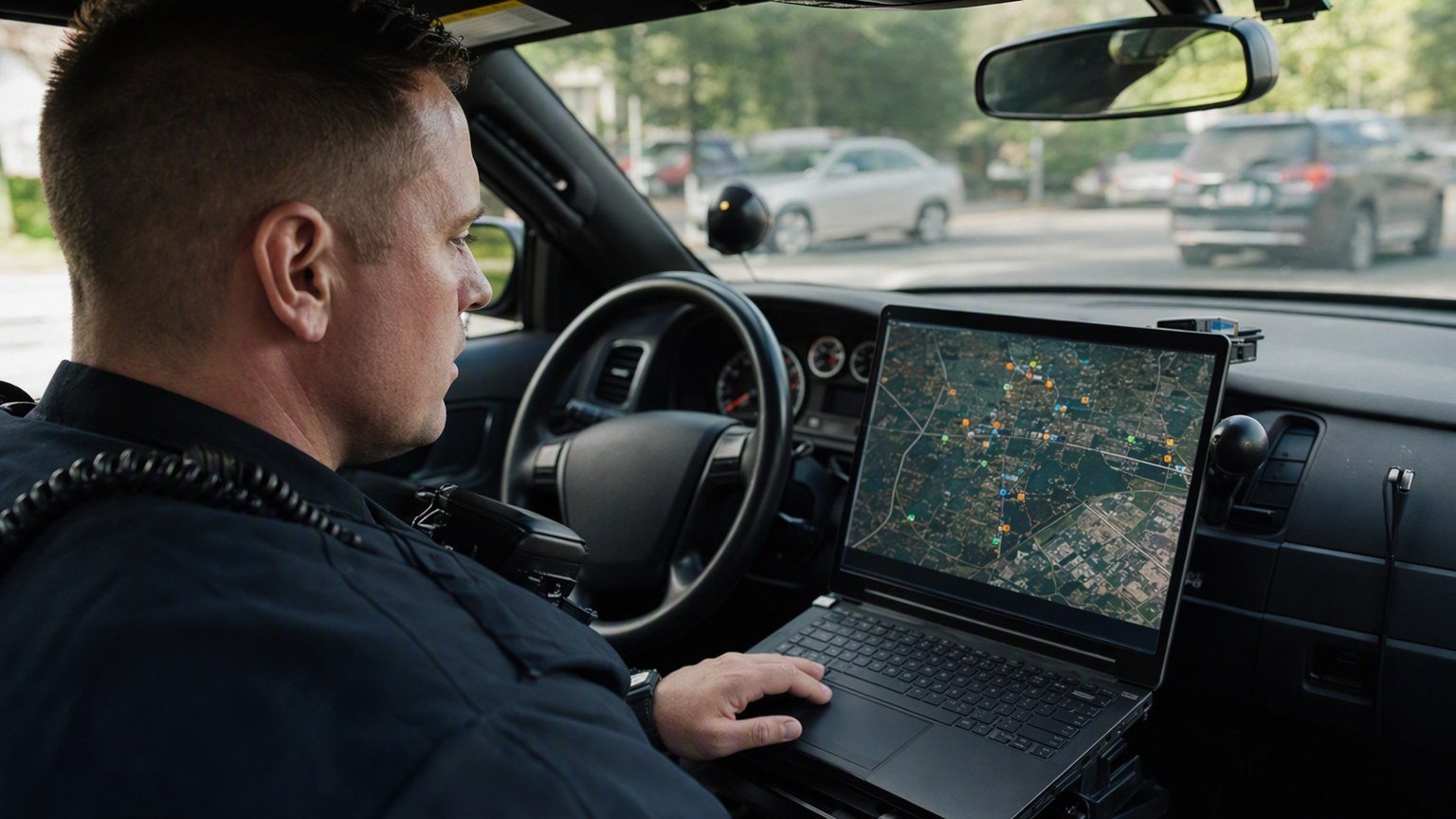
The officer pulls up the woman’s travel history. Uses that as part of his justification to search her car. Finds meth. Charges her with trafficking.
But Judge Sara Hill looked at this and said, basically, absolutely not. The officer “violated the Fourth Amendment rights” of the defendant. The search of Flock’s database “was not supported by probable cause, and it was done without a warrant.”
What’s interesting here – and this is where it gets kind of scary – is that this is one of the FIRST times a federal judge has actually said these Flock searches can be unconstitutional. Think about that for a second. These systems have been running for years, and we’re just now getting judges to question whether maybe, possibly, this might be a problem.
The Scale of This Thing Is Insane
I need you to understand how big this surveillance network has gotten. According to audit logs, there are more than a hundred thousand warrantless searches of the Flock system every single month. Every. Single. Month.
That’s not cops with warrants investigating specific crimes. That’s just cops running plates because they can. Because the system is there. Because nobody told them they couldn’t.
And the thing is, Flock has been selling this capability as a feature, not a bug. Police departments love it because it’s easy – no paperwork, no judge, just type in a plate and boom, here’s everywhere this person has been. It’s like Google Maps timeline, except you never consented to it and the police can access it whenever they want.
The “It’s Public So It’s Fine” Argument Falls Apart
For years, the legal argument has been pretty simple: Your car is in public, so photographing your license plate isn’t a search. You have no expectation of privacy on a public road.
Which, okay, maybe made sense when we were talking about a cop on a street corner writing down a plate number. But Judge Hill is pointing out what should be obvious to everyone by now – this is not that. Not even close.
“a type of indiscriminate mass surveillance”
That’s what Hill called Flock’s network. Because that’s what it is. This isn’t Officer Johnson remembering that he saw your car at the gas station last Tuesday. This is a permanent, searchable record of your movements across an entire city, state, or region. It’s the difference between someone glancing at you on the street and someone following you around with a camera for months.
The scale changes everything. And judges are finally starting to get that.
Why This Case Probably Won’t Be The Last Word
I hate to be the bearer of realistic expectations here, but Hill’s decision isn’t going to shut this whole thing down. It doesn’t set binding precedent outside her courtroom. There are several other cases working through courts right now, all trying to figure out the same question: Do you need a warrant to search through someone’s driving history when you have no specific reason to suspect them of anything?
Some judges will probably say yes. Others (let’s be real) will probably say no, cops need these tools, public safety, blah blah blah.
What worries me is how long this is taking. Flock’s network has been growing while everyone argues about whether it’s legal. By the time courts finally settle this – if they ever really do – the system will be so entrenched, so many departments will be dependent on it, that shutting it down becomes politically impossible.
That’s kind of how surveillance creep works, isn’t it? Roll it out fast, get everyone hooked on the convenience, then argue that we can’t possibly give it up now.
What This Actually Means For You
Look, if you’re driving around right now, there’s a pretty good chance your movements are being logged somewhere. Multiple somewheres, probably. Flock isn’t the only company doing this – they’re just the biggest and most aggressive about selling to police departments. Even your mail carrier is now part of this surveillance sprawl, logging the streets they drive every single day.
And until more courts follow Judge Hill’s lead, cops can keep searching these databases pretty much whenever they want. Out-of-state plates. Driving through a “high-crime area.” Just curious. The bar is incredibly low right now.
The meth trafficking charge in this Oklahoma case? Still going forward, probably. The Flock search got tossed, but prosecutors usually have other evidence. The defendant might beat the charge, might not. But at least one judge looked at this system and said wait, this isn’t okay.
It’s a start. Not a solution, not a victory, just… a start. And honestly, given how far behind the law is on surveillance tech, I’ll take it.