
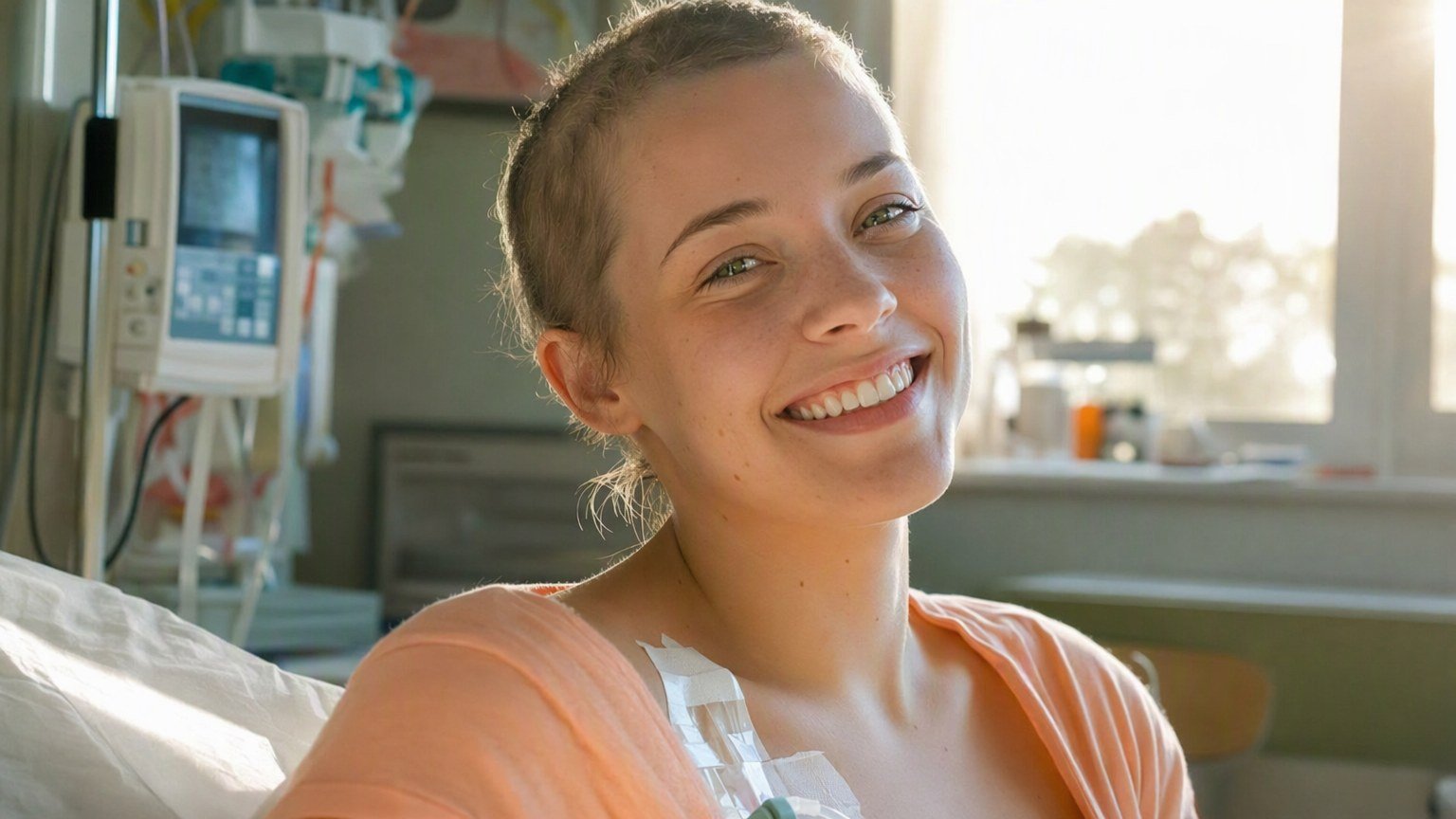
Brooke Eby died Thursday at 37, and if you spent any time on TikTok in the last four years, you probably saw her face. Not because she was doing dance trends or product reviews – because she was dying, and she made you watch it happen in real time. And somehow, impossibly, she made it funny.
Brooke Eby died Thursday at 37, and if you spent any time on TikTok in the last four years, you probably saw her face. Not because she was doing dance trends or product reviews – because she was dying, and she made you watch it happen in real time. And somehow, impossibly, she made it funny.
The Woman Who Wouldn’t Let ALS Be Polite
Here’s what you need to know about ALS: it’s a brutal, degenerative disease that slowly paralyzes you while your mind stays completely intact. You lose the ability to walk, to use your hands, to speak, to swallow. Eventually, to breathe. Most people die within 2-5 years of diagnosis. And until Brooke, most people had no idea what that actually looked like day to day.
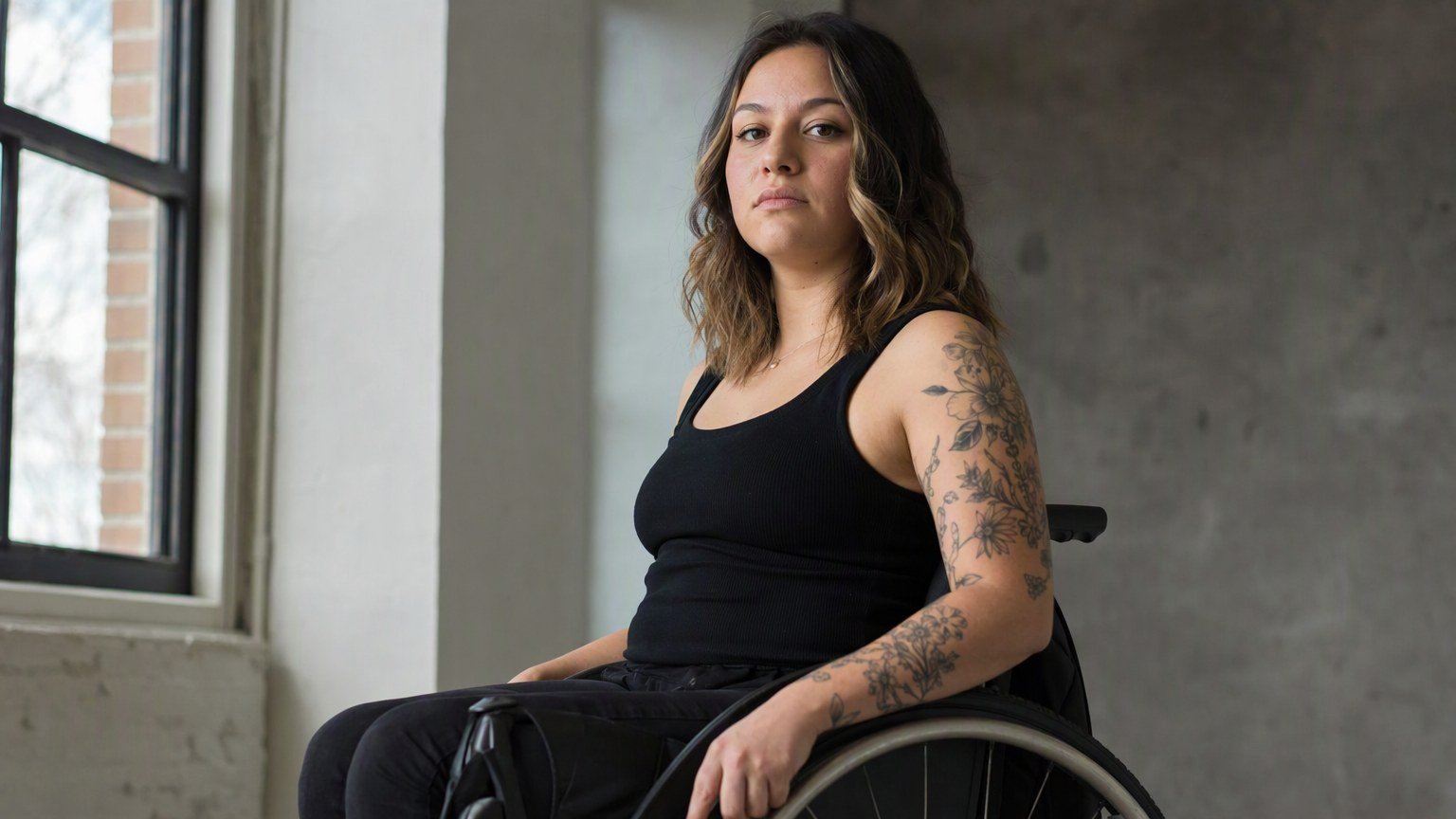
She was 33 when she got diagnosed. That’s insanely young for ALS – most people are in their 50s or 60s. And instead of disappearing into treatment and privacy like most of us probably would, she did something kind of crazy: she started posting about it. Not the sanitized, inspirational-poster version. The real thing. The frustrating, humiliating, darkly hilarious reality of losing your body piece by piece.
The ALS Network put out a statement calling her “an extraordinary advocate, storyteller, community builder and friend whose honesty, humor and determination changed how countless people understood ALS.” But that description, while nice, doesn’t really capture what made Brooke different. She wasn’t just honest – she was irreverent. She’d explain a devastating new symptom and crack a joke in the same breath. She made people laugh about things you’re not supposed to laugh about.
Why That Actually Mattered
Look, I’ve covered a lot of disease advocacy stories, and they usually follow a pretty predictable script. Brave patient fights disease. Family rallies around them. Everyone stays hopeful. Inspirational quotes about silver linings. And I get it – people cope how they cope.
But Brooke didn’t do that. She was vulnerable in a way that felt uncomfortable sometimes. She showed the parts people usually edit out. And millions of people watched because it felt… real? Like, finally someone wasn’t pretending this was some noble journey. It was just brutal and unfair and she was dealing with it the best she could.
What She Actually Changed
The ALS Network said she “changed how countless people understood ALS,” and from what I can tell, they’re not exaggerating. Before the Ice Bucket Challenge went viral in 2014 (remember that?), most people had barely heard of ALS. That campaign raised awareness and a ton of money – around $115 million. But it was still pretty abstract, you know? Dump ice water, donate, move on.

Brooke made it impossible to look away. She brought people into the actual experience of living with this disease. The equipment failures. The loss of independence. The weird, dark humor you develop when your body is betraying you. She built a community of people who either had ALS themselves or suddenly cared about it deeply because they felt like they knew her.
“She did so in a way that was unmistakably her own – candid, vulnerable, funny, irreverent and remarkably human.”
That quote from the ALS Network keeps sticking with me. “Remarkably human.” What a strange thing to have to say about someone, right? But I think they’re getting at something important. Most advocacy – especially around terminal illness – gets so polished and media-trained that it stops feeling human. It becomes a performance of bravery. Brooke never performed. She just… existed, publicly, in all the messy reality of what she was going through.
The Decision to Share
The thing is, she didn’t have to do any of this. The statement mentions she made “the deeply personal decision to share her experience publicly” – and I keep thinking about that word, “decision.” Because it was a choice. She could’ve kept it private. Lots of people do.
But she chose to let millions of strangers watch her decline. That takes a specific kind of courage that I’m not sure I could manage. And the fact that she did it with humor, that she somehow found ways to make people laugh while documenting her own deterioration? I don’t know. That’s something else entirely.
What’s interesting here is that she wasn’t just raising awareness in some abstract sense. She was building actual community. The ALS Network called her a “community builder,” and based on the outpouring since her death, that seems accurate. She created a space where people with ALS could see themselves reflected honestly, where caregivers could feel less alone, where healthy people could understand what this disease actually does.
What This Actually Means
Brooke Eby fought ALS for four years and lost. That’s the hard truth. ALS is still incurable, still brutal, still taking people way too young. Her advocacy didn’t change that medical reality.
But she did change something. She changed what it looks like to face a terminal diagnosis in the age of social media. She proved you could be vulnerable and funny and angry and scared all at once, publicly, and people would show up for it. Not with pity – with genuine connection.
I keep coming back to the fact that she was only 37. That’s not old enough. Not even close. And the fact that she spent the last four years of her too-short life trying to help other people understand what she was going through – not because she had to, but because she decided to – well. That means something.
Maybe the real legacy isn’t just that she raised awareness about ALS. It’s that she showed what honest advocacy looks like. The kind that doesn’t clean up the hard parts or pretend there’s always a silver lining. The kind that says, “This is terrible and unfair, and I’m going to tell you exactly what it’s like anyway.”
And millions of people listened. That’s not nothing.