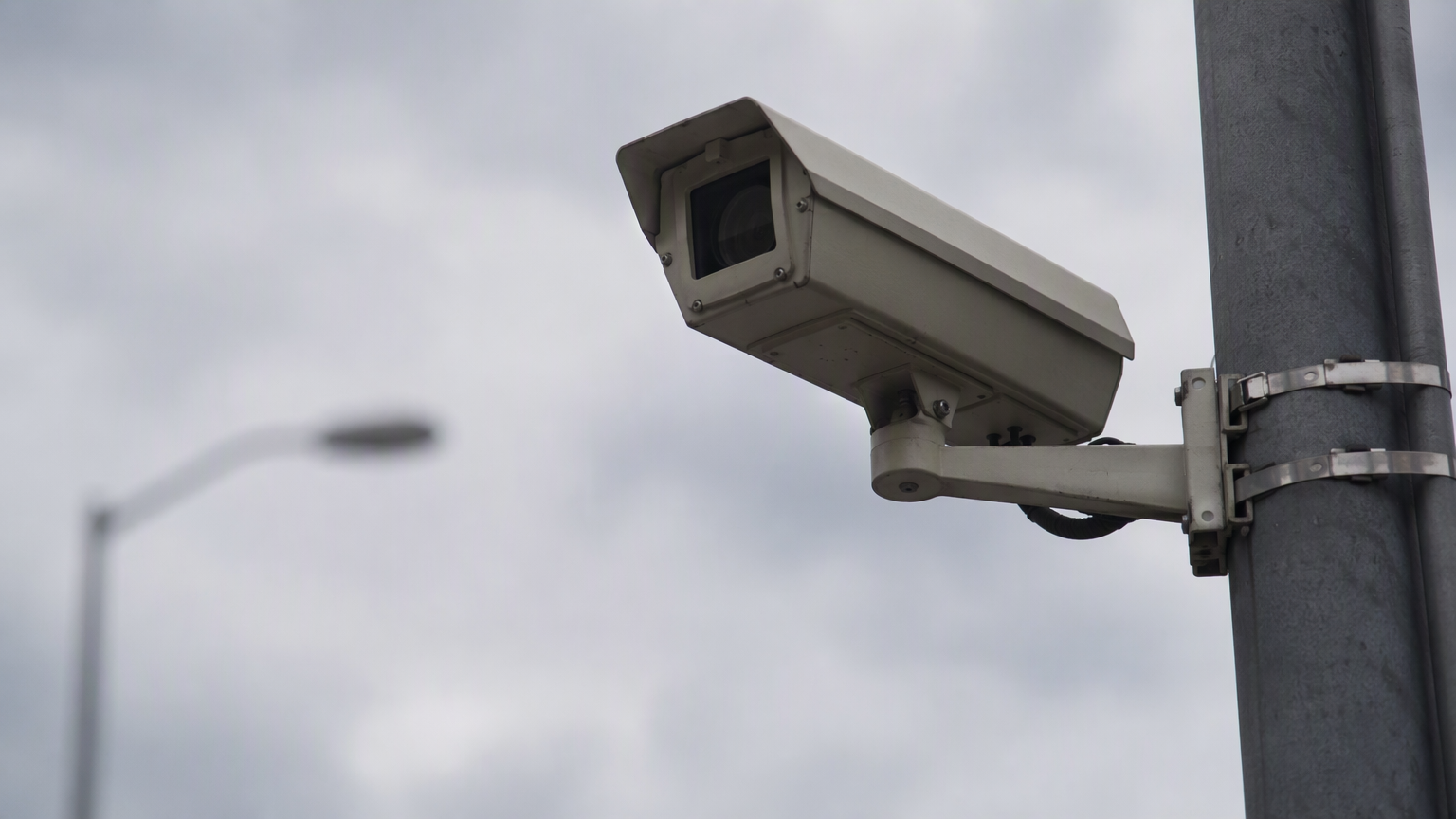
Fourteen cameras. That’s how many a Florida county found bolted onto its own poles and signal boxes that nobody in county government ever approved, budgeted for, or even knew about until someone went looking. Eleven of them, as of the most recent count, still don’t have an owner. Not a department, not a contractor, not a cop who can raise a hand and say “yeah, that one’s mine.” They’re just up there. Reading plates. Logging timestamps. Doing exactly what they were built to do, for whoever actually controls them.
And that’s the part that should bother you more than the cameras themselves.
So How Does Nobody Notice 14 Cameras?
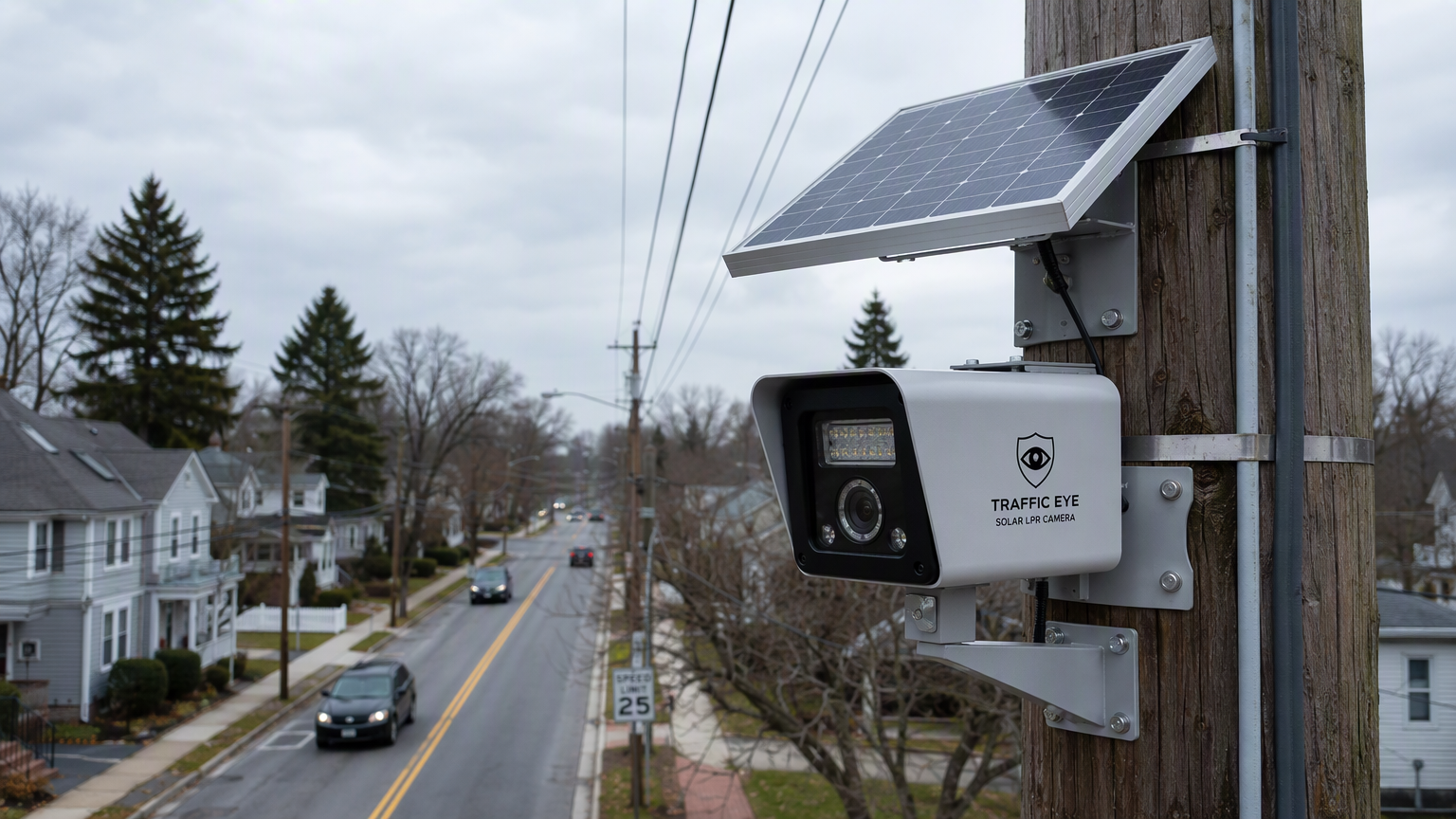
Here’s the thing about Flock Safety cameras, the brand at the center of this mess – they’re small, solar-powered, and designed to be mounted fast and left alone. That’s the whole pitch to police departments and HOAs: slap it on a pole, no wiring crew needed, no permit headaches, and it just quietly reads license plates forever. Which, I’ll admit, is a pretty slick piece of engineering. It’s also exactly why a county can end up with over a dozen of them it never approved. Nobody’s checking utility poles for surveillance gear. Why would they?
From what’s being reported, the discovery happened during what sounds like a routine infrastructure review, basically someone cross-checking an inventory list against what’s physically installed in the field. Three cameras got claimed pretty quickly – turned out to be tied to a local police agency that had its own install going and apparently didn’t loop in the county the way it should’ve. Fine. Mistakes happen, paperwork gets dropped, I get it.
But eleven more? Nobody’s claiming those. Not the sheriff’s office. Not any municipality nearby. Not, apparently, Flock itself in any way that resolves who’s actually paying the bill and pulling the data.
Who Even Installs These Things Without Telling Anyone
This is where it gets kind of wild if you think about it for more than a second. Someone had to physically drive out, climb a pole or bucket truck, mount a camera, run it off solar, and connect it to a network. That’s not nothing. That takes planning, equipment, and probably a work order somewhere. And yet the trail just… stops. No permit on file. No purchase order. No contract anyone can point to.
I’ve seen this pattern before with surveillance infrastructure, honestly – a smaller agency or private entity installs first and asks forgiveness later, if they ask at all. HOAs do this constantly with Flock cameras because the barrier to entry is so low (a few grand a year, no city council vote required). But county roads and traffic signals are public infrastructure. Somebody with actual authority had to look the other way, or just never got asked.
Who’s Actually Watching the Watchers Here?
This is the question that actually matters, and it’s the one nobody in the story seems to have a clean answer for. Flock’s whole business model leans on a nationwide lookup network – agencies can search camera footage from other jurisdictions they don’t even operate in. That’s useful if you’re trying to track down a stolen car across county lines. It’s also a privacy nightmare if the ownership and access controls around any individual camera are this foggy.
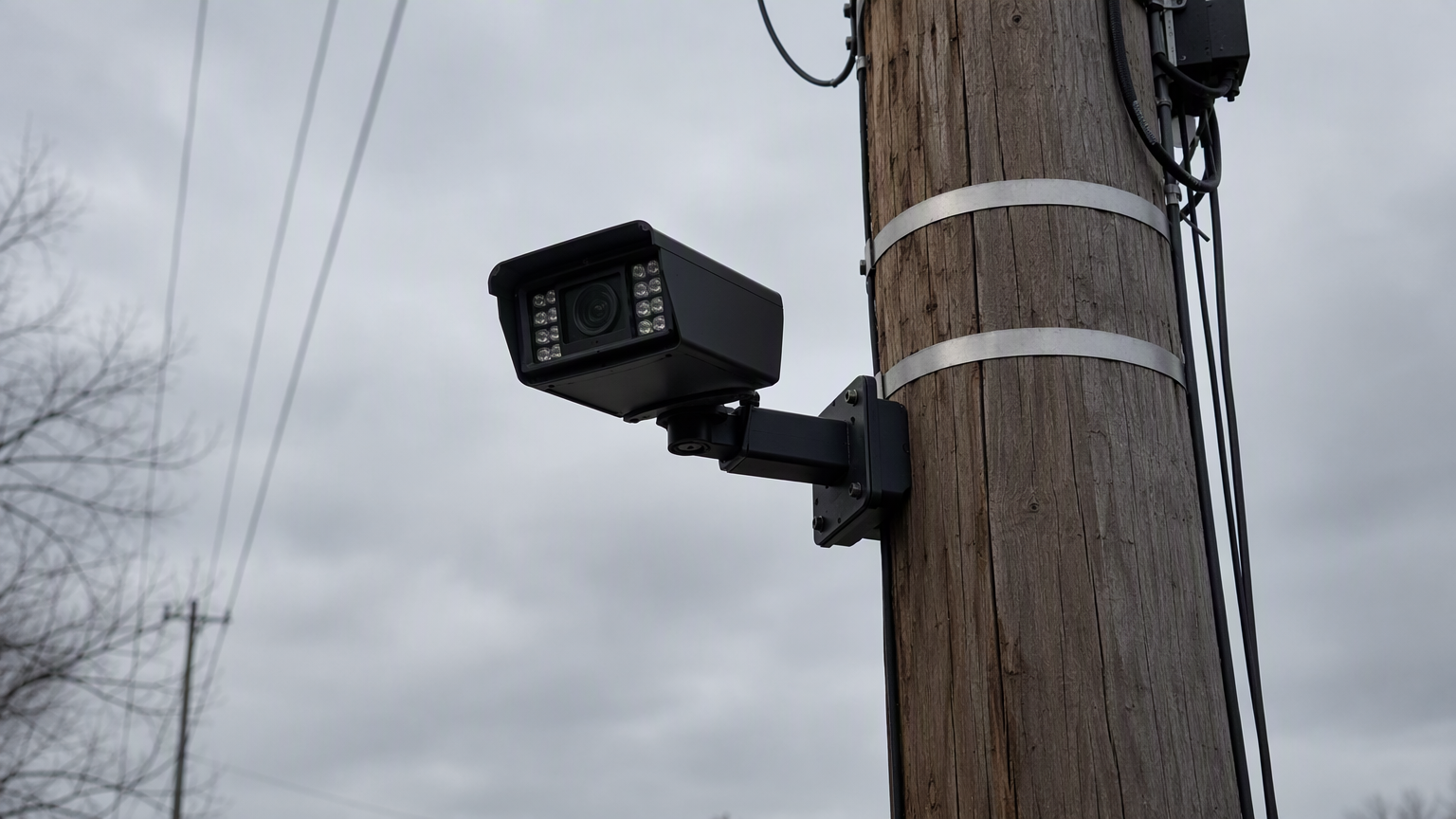
Because here’s what an unclaimed camera actually means in practice: nobody’s auditing who pulls data off it. Nobody’s enforcing a retention policy. Nobody’s answering a public records request about it, because technically, on paper, it doesn’t belong to anyone who has to answer. It’s a surveillance device operating in a legal and administrative vacuum, which is about the worst possible place for a surveillance device to be.
“We don’t know who put them up, we don’t know who’s getting the data, and until we figure that out, we can’t really tell residents anything meaningful,” one county official reportedly said when pressed on the unclaimed cameras.
Not exactly reassuring, right? And look, I don’t think this is some grand conspiracy. I think it’s way more boring and way more concerning than that – it’s bureaucratic drift. Different departments, different vendors, different handshake deals over the years, and nobody kept a master list. That’s probably the real story here. But “nobody kept a master list” for license-plate-reading cameras feeding into a nationwide searchable database is not a comforting sentence no matter how you phrase it.
This Isn’t Just a Florida Problem
What’s interesting here, and honestly a little unsettling, is that Florida isn’t unique. Flock cameras have popped up in similar unaccounted-for situations in other states too, and reporting over the past couple years (404 Media’s done a lot of digging on this, if you want a deeper rabbit hole) has repeatedly shown that oversight on these systems is thin at best. Access logs that don’t get checked. Data sharing agreements that cross jurisdictional and even state lines without much public input. Local police departments quietly tapping into networks that stretch way beyond their own town.
So when a county says “we found 14 cameras and don’t know who owns 11 of them,” that’s not a one-off glitch in the system. That’s the system working exactly as loosely as it’s designed to. Low cost, low oversight, high deployment speed – that’s the pitch, and the tradeoff is baked right in.
I’m not anti-camera, for what it’s worth. If one of these things helps find a kid who’s gone missing or tracks down a hit-and-run driver, great, genuinely. But “it sometimes helps” isn’t the same as “it should exist with zero accountability,” and right now a decent chunk of this infrastructure is doing exactly that.
What This Actually Means
My honest take? Those eleven cameras probably won’t get a confirmed owner anytime soon, not through official channels anyway. Someone will quietly disconnect them, or quietly claim them once the heat dies down, and the county will move on with a slightly tighter inventory policy and a press release about “improved oversight procedures.” That’s usually how these stories end. Not with a dramatic reveal, just a slow fade into bureaucratic cleanup.
But the bigger question doesn’t go away just because this one county patches its spreadsheet. If a dozen surveillance cameras can appear on public infrastructure with nobody noticing for who knows how long, what else is up there that we haven’t counted yet? And who exactly do you call when the thing watching your street doesn’t officially belong to anyone?