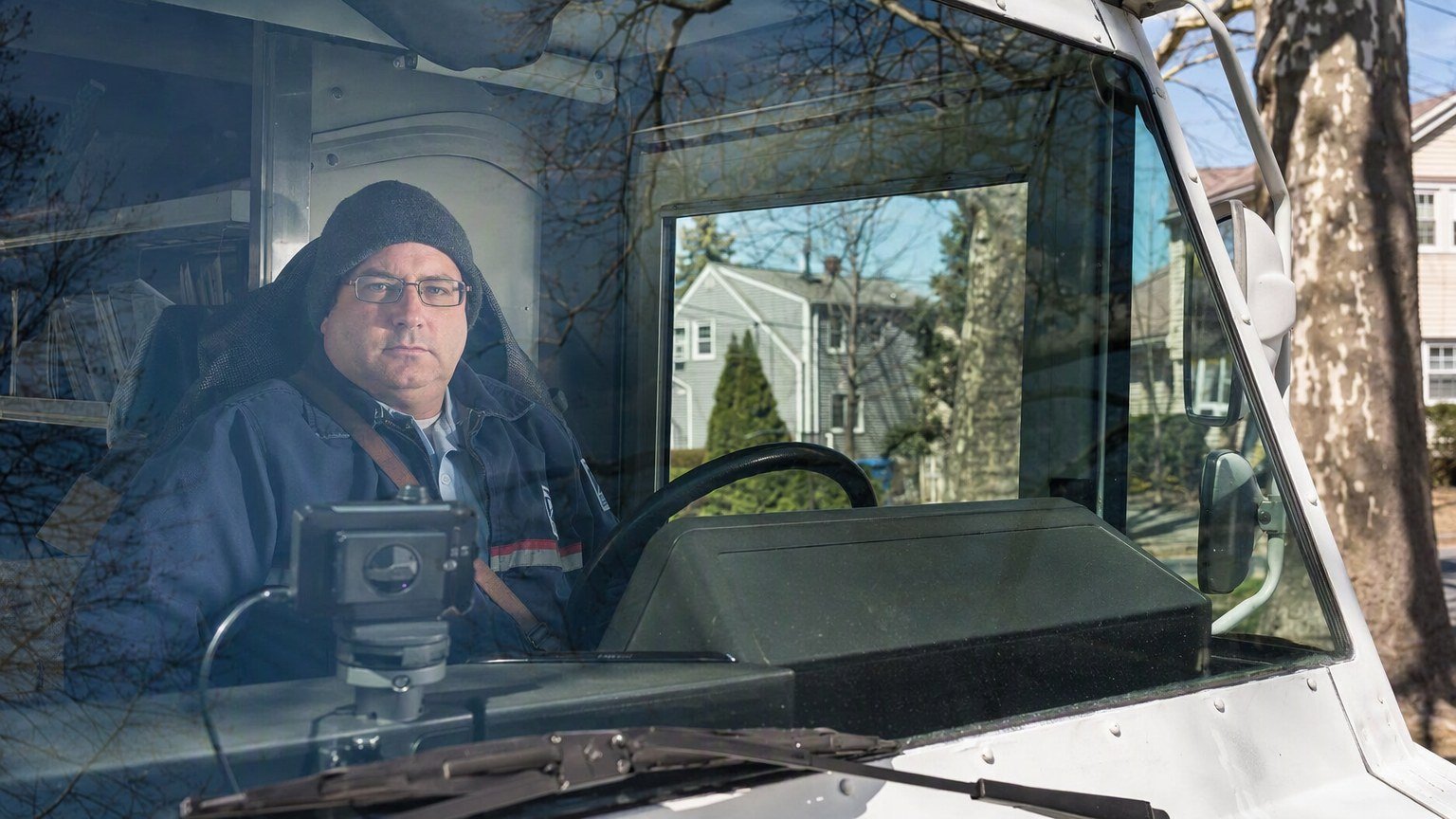
Your mail carrier has been driving the same route for years, waving at the same dogs, cursing the same potholes. Now they’re doing something else too – collecting video of everything their truck passes. And I mean everything.
Your mail carrier has been driving the same route for years, waving at the same dogs, cursing the same potholes. Now they’re doing something else too – collecting video of everything their truck passes. And I mean everything.
The USPS Camera Pilot Nobody Asked About
The United States Postal Service is rolling out forward-facing cameras in about 100 delivery vehicles around Washington, D.C. The cameras, made by a dashcam company called Nextbase, are supposedly there to scan roads, signage, and sidewalks while mail trucks do their normal routes. The pilot started September 21, 2026.
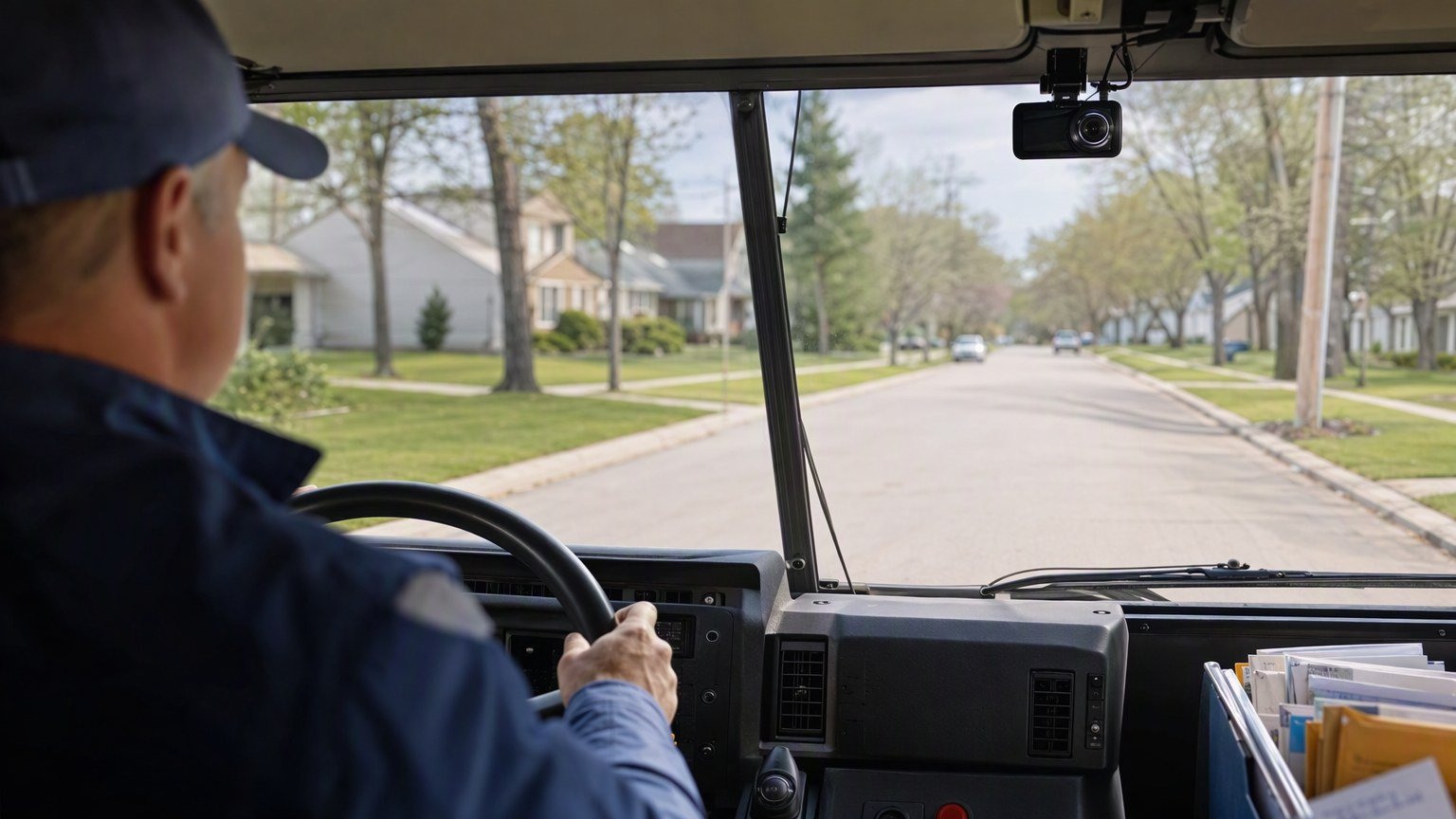
USPS says this is about “roadway and infrastructure data collection” and something they’re calling “community safety.” Which, okay, fine. But here’s the thing – what happens to all the other stuff these cameras are inevitably going to capture? That part’s a lot fuzzier.
The cameras turn on automatically when the truck shifts into drive and leaves the postal facility. No audio recording, just video. They’re positioned so they don’t block the driver’s view, and drivers don’t have to do anything different. It all just… happens in the background.
What These Things Can Actually See
Nextbase makes cameras that can record in up to 4K resolution. Their marketing materials brag about being able to capture license plate details. Now, USPS says the pilot doesn’t use automatic license plate reader software, which is technically a different thing. A camera can visually record a plate without running ALPR software on it, right?
That distinction probably matters to someone. I’m not sure it matters much to the rest of us.
Why Mail Trucks, Though?
Look, I get why this makes sense on paper. Mail trucks go literally everywhere. Every street, every neighborhood, every day. They’re already out there. If you wanted to build a comprehensive map of road conditions or infrastructure issues, you could do a lot worse than strapping cameras to a fleet that’s already covering every square inch of inhabited America.
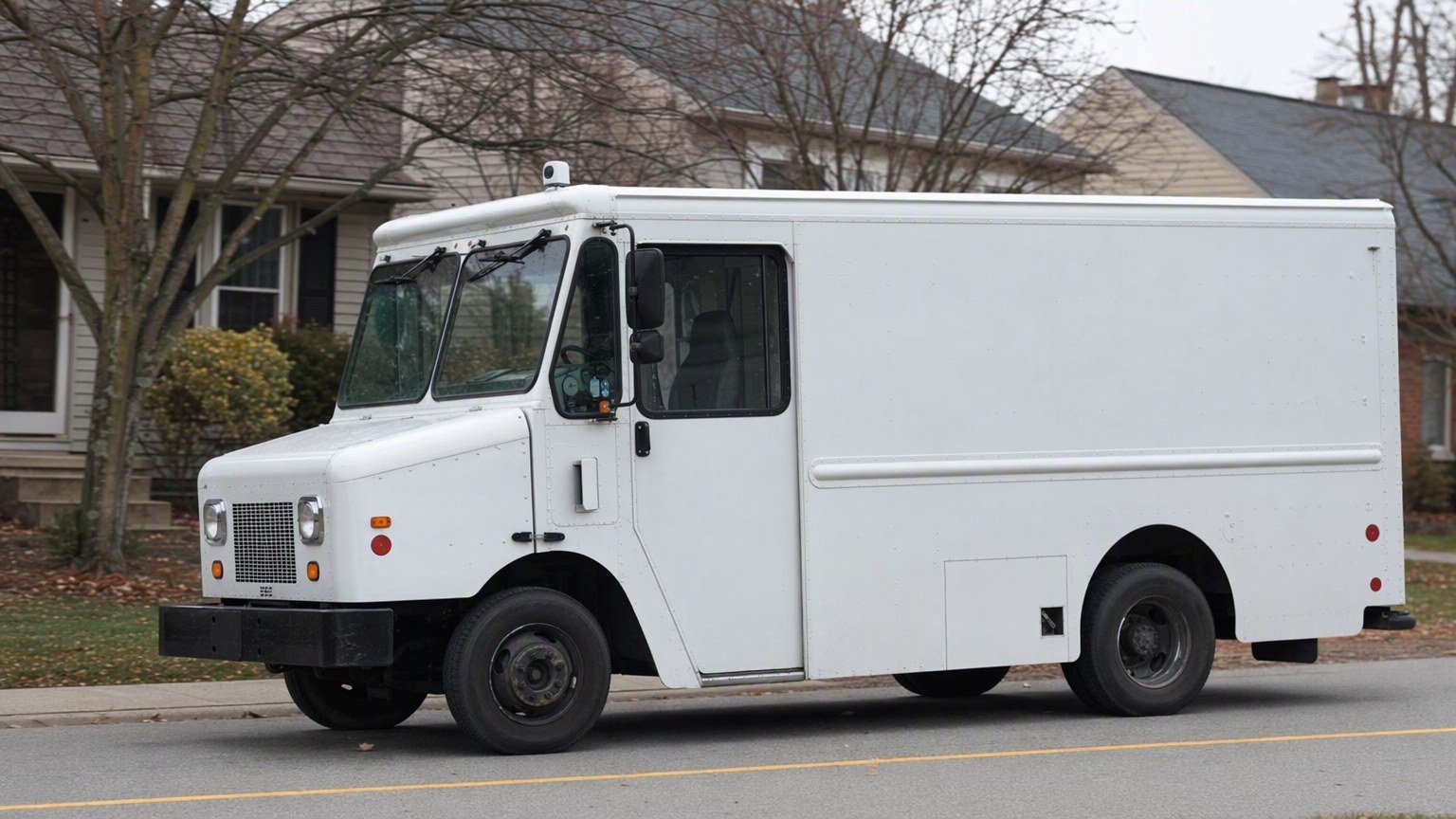
But that’s also exactly why this feels kind of unsettling. Because mail trucks go literally everywhere. Every street, every neighborhood, every day. They see things. Your car in the driveway at 2pm on a Tuesday. The broken fence you haven’t fixed. Who’s coming and going from which houses. It echoes a similar unease sparked by Florida's phantom cameras, where mysterious cameras appearing without explanation left residents wondering who was watching and why.
And before you say I’m being paranoid – this is the same postal service that got caught in 2021 running a “law enforcement program” called iCOP, where analysts were monitoring social media for protests and sharing intelligence reports with other agencies. So forgive me if I don’t take “community safety” at pure face value.
The Infrastructure Excuse
The stated purpose here is collecting data about roads and infrastructure. Which, not gonna lie, we actually need. American infrastructure is falling apart. Potholes everywhere, crumbling bridges, street signs that haven’t been replaced since the Reagan administration.
But here’s what I keep coming back to: if this was purely about potholes and stop signs, why wouldn’t USPS just say exactly what data they’re collecting, how long they’re keeping it, who has access to it, and when it gets deleted? Those feel like pretty basic questions. And the answers seem pretty vague.
“The cameras begin recording when a truck leaves the postal facility and are designed to collect roadway and infrastructure data without altering driver duties.”
That’s the official line. Notice what it doesn’t say.
What Happens to Everything Else
So they’re collecting roadway data. Cool. But these cameras are recording continuously while the truck is in motion, right? That means they’re capturing everything in front of the truck. People on sidewalks. Kids waiting for the school bus. You taking out your trash. Your neighbor’s car with the bumper stickers.
Is that footage getting analyzed? Stored? For how long? Can law enforcement request it? Will it eventually feed into some larger database? These aren’t paranoid questions – these are the basic questions you ask when a government agency starts collecting video surveillance of public spaces at scale. A Florida county recently found itself asking the same questions after discovering a batch of cameras nobody claimed installing on its own utility poles.
And the thing is, we’ve seen this movie before. It always starts with a limited pilot program for a specific, reasonable-sounding purpose. Infrastructure monitoring. Traffic safety. Better service delivery. Then a year later, or five years later, you find out the footage was being shared with ICE, or analyzed for patterns, or kept indefinitely in a database nobody knew existed.
The Slippery Slope Isn’t a Fallacy When It Keeps Happening
I’m not saying USPS is currently doing anything nefarious with this footage. I’m saying the framework they’re building makes it really, really easy for future nefarious things to happen. Because once the cameras are installed and normalized, once the data pipeline exists, changing what flows through it is just a policy decision. Not a technical one. Not even a particularly visible one.
This pilot is happening in D.C. But if it “works” – and I’m sure by whatever metrics they’ve chosen, it will work – it’s not staying in D.C. There are hundreds of thousands of postal vehicles in this country. That’s a surveillance network larger than anything local police departments could build on their own. And it’s being assembled under the banner of fixing potholes.
Maybe I’m wrong. Maybe this really is just about road conditions and it’ll stay that way. But I’ve been covering tech and government long enough to know that “we’re only collecting this data for this one specific innocent purpose” has a pretty bad track record. Once you build the machine, someone’s going to want to use it for something else. They always do.