
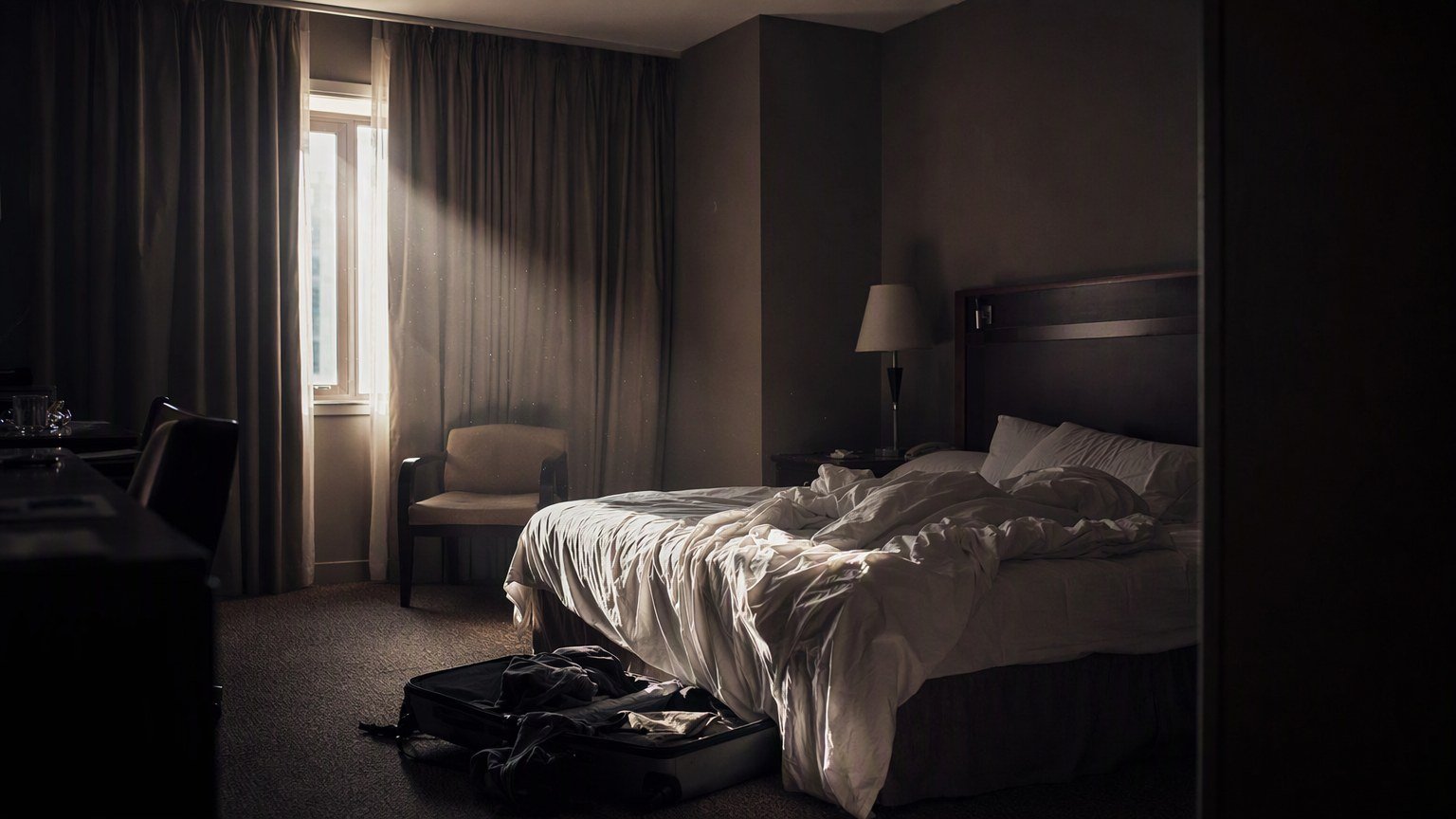
For 57 years, she was just “Jane Doe” in Room 57. A nameless girl found strangled in a cheap Oakland hotel on October 2, 1969. Nobody knew who she was. Nobody came looking. And honestly? That’s the part that still gets me – how does a 16-year-old disappear and nobody notices?
For 57 years, she was just “Jane Doe” in Room 57. A nameless girl found strangled in a cheap Oakland hotel on October 2, 1969. Nobody knew who she was. Nobody came looking. And honestly? That’s the part that still gets me – how does a 16-year-old disappear and nobody notices?
Joanie Burdick Finally Has Her Name Back
DNA testing finally confirmed what should’ve been known decades ago: the girl in that hotel room was Joanne Yvonne Burdick. Her family called her Joanie. The Oakland Police Department and FBI announced the identification on October 1st, just one day shy of the 57th anniversary of her murder.
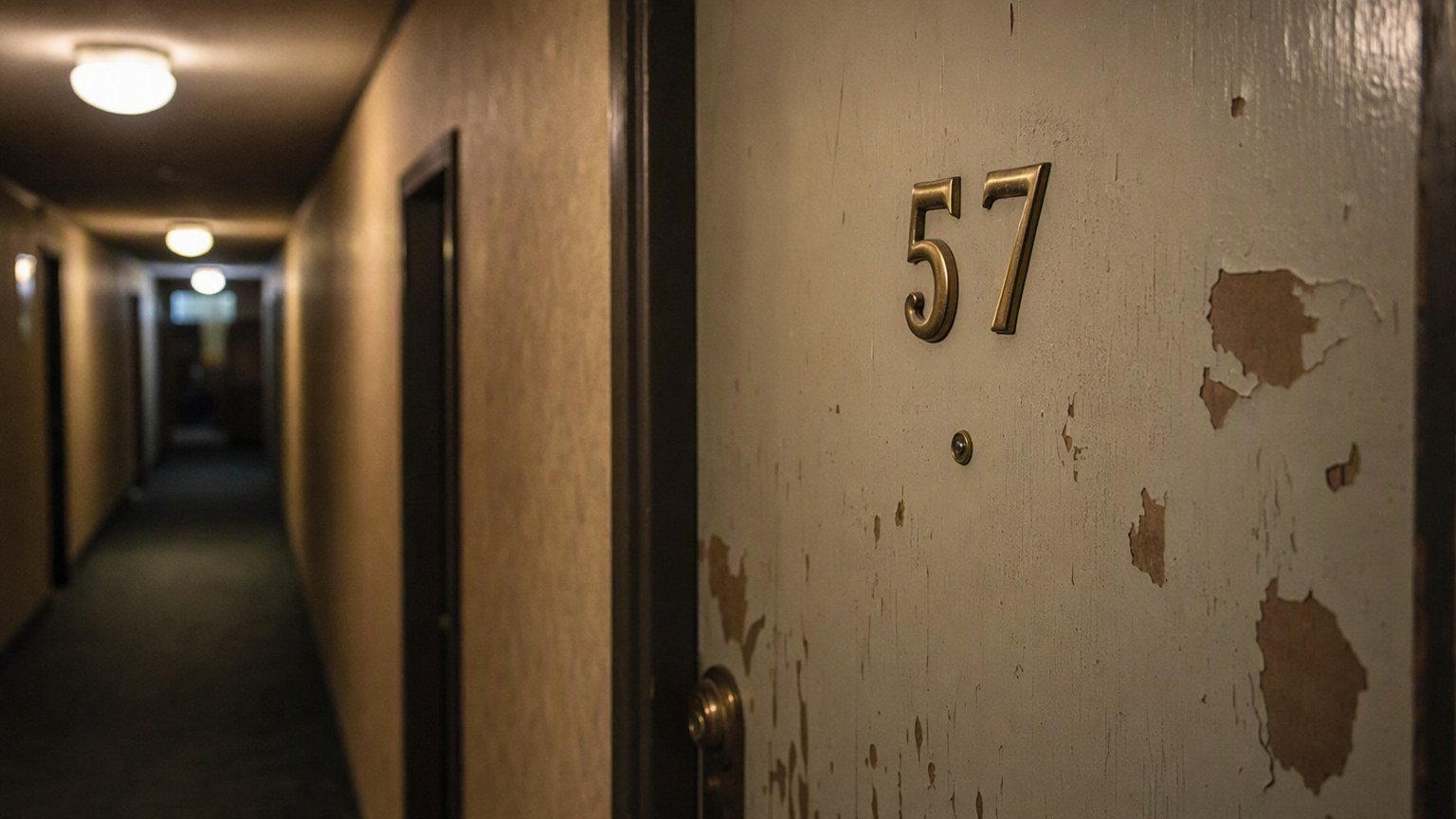
The timeline is what haunts me here. Witnesses saw her walk into that hotel room with a man – described as white or Native American – and that was it. She was strangled to death shortly after. Hotel employees saw them go in. And then she became a case file, a Jane Doe, a mystery that went cold while the world moved on.
But here’s the thing: cold cases don’t stay cold because there’s no evidence. They stay cold because there’s no one pushing, no resources, no urgency. For nearly six decades, Joanie Burdick was forgotten. Not by everyone, maybe – somewhere out there, someone probably wondered what happened to that girl who left and never came back. But by the system that was supposed to find answers? Yeah, she was forgotten.
The DNA Breakthrough Nobody Talks About
Look, I’ve covered enough of these cold case identifications to know the pattern. Genealogical DNA testing is basically rewriting the rulebook on unsolved murders. It’s incredible work, don’t get me wrong. But it also makes you wonder – how many other Jane and John Does are sitting in evidence rooms right now, waiting for someone to actually run their DNA through these databases?
The technology’s been here for years now. We’re not talking about some cutting-edge sci-fi stuff anymore. This is standard procedure. So why did it take until 2026 to identify a girl who died in 1969? Technology moves forward in strange ways – DNA databases solve murders while courts grapple with questions like The AI Training Loophole Just Closed, reshaping what data can and can't be used without consent.
What We Still Don’t Know (And Probably Never Will)
The killer? Never caught. Not even a suspect name in the announcement. That man who walked into the hotel room with Joanie has been free for 57 years. He’s probably dead by now – let’s be real, he’d be in his 80s or 90s at minimum. But maybe not. Maybe he’s still out there, and maybe he thought he got away with it.
And that’s the brutal reality of cases like this. The identification is called “long overdue closure” by investigators, and sure, it’s something. Joanie’s not nameless anymore. Her family – if any are still alive – can finally know what happened. They can grieve properly, with a name and a grave and some semblance of truth.
But closure? I mean, come on. Her killer walked free. She was 16 years old. Sixteen. And she died alone in a hotel room in downtown Oakland while people just… went about their day. Joanie's story is one of silence and invisibility, but some lives manage to speak louder than their ending – like The 37-Year-Old Who Changed ALS Forever.
“This identification brings long overdue closure, even though the path to justice remains incomplete after all these years.”
The Pattern Nobody Wants to Acknowledge
Here’s what drives me nuts about these cases: we act surprised every single time. Another Jane Doe identified decades later, another family that never knew, another killer who got away. It happens over and over, and we treat each one like an isolated tragedy instead of what it actually is – a system that consistently fails young women, especially those without resources or connections.
The Hotel St. Louis where Joanie died? It’s not even there anymore. Oakland’s downtown has changed completely since 1969. The witnesses are probably all dead. The investigating officers from back then are definitely retired or gone. Physical evidence degrades. Memories fade. And that’s exactly how these cases slip through the cracks.
What’s interesting here is that someone actually went back and reopened this. Someone decided Joanie Burdick mattered enough to run that DNA, to follow up, to spend the resources. That doesn’t always happen. It didn’t happen for her for 57 years.
What This Actually Means
Joanie Burdick has her name back. That matters. It does. But let’s not pretend this is some feel-good breakthrough story. A teenage girl was murdered, her killer was never caught, and it took more than half a century just to figure out who she was.
The real question isn’t how they identified her now – it’s why it took this long in the first place. And how many more rooms like Room 57 are out there, still holding their secrets, still waiting for someone to care enough to look.