
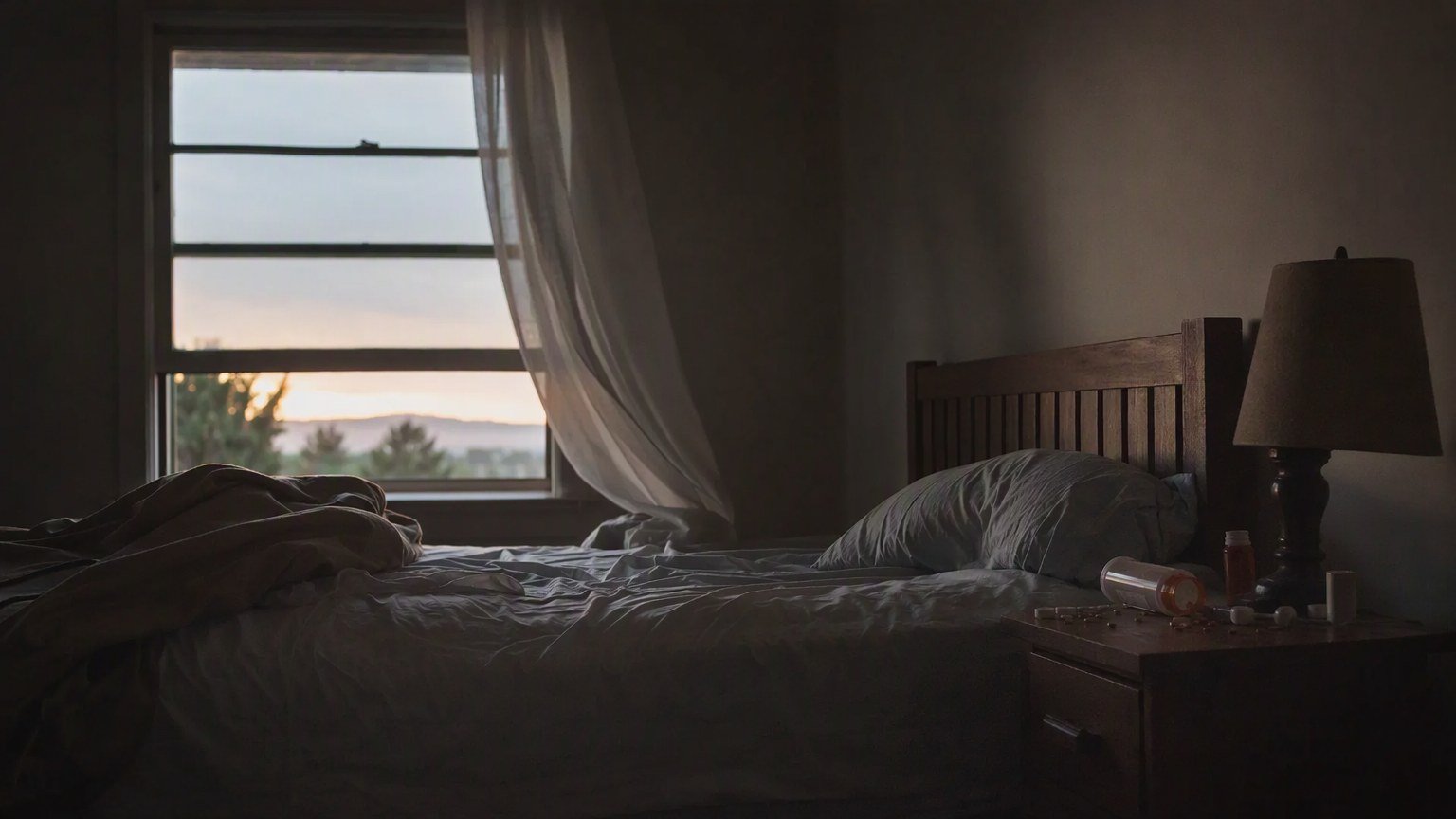
Ken Urker was 34 years old when his sister-in-law climbed through his bedroom window and found him dead. And honestly, the details that came out in the police report – they’re the kind that stick with you, the kind that make you wonder how many warning signs we collectively missed.
Ken Urker was 34 years old when his sister-in-law climbed through his bedroom window and found him dead. And honestly, the details that came out in the police report – they’re the kind that stick with you, the kind that make you wonder how many warning signs we collectively missed.
The Wellness Check Nobody Wanted to Make
Here’s what we know. On Thursday, October 1st, Anita Blanchard – Gypsy Rose’s sister-in-law – called 911 for a wellness check. Urker hadn’t shown up to work. He wasn’t answering his phone. And according to Anita, he’d been in “a dark place.”
That phrase gets thrown around a lot, doesn’t it? “Dark place.” It’s become this catch-all term we use when someone’s struggling but we don’t quite know how to articulate it. Or maybe when we know exactly what it means but saying it plainly feels too heavy.
The last time Anita saw Ken was at church the day before – Wednesday, September 30th. He told her he was depressed. Just said it, apparently. And then, according to the 911 call log, he spent that night drinking.
When police showed up at his Louisiana home on Thursday, Ken didn’t answer the door. Didn’t answer his phone. So Gypsy’s half-brother Dylan had to climb in through an unlocked bedroom window to get inside.
Think about that for a second. Someone had to physically break into this man’s house to check if he was alive.
The Gypsy Rose Connection Everyone’s Talking About
Look, I’m not gonna pretend the connection to Gypsy Rose Blanchard isn’t a massive part of this story. It is. Ken was her ex-fiancé, and their relationship was… complicated doesn’t even begin to cover it. How a Prison Letter Sparked Gypsy Rose and Ken's Romance shows just how unusual their connection was from the very beginning.
Gypsy’s life story reads like something you’d pitch to a true crime producer who’d say “tone it down, it’s too much.” The Munchausen by proxy case. The murder of her mother Dee Dee. Prison. The documentaries. The Lifetime movies. The whole thing became this cultural phenomenon that none of us could look away from.
And Ken was part of that orbit. He was engaged to one of the most famous formerly incarcerated women in America, someone whose story involves layers of abuse and manipulation so twisted that people still can’t agree on how to feel about any of it. Gypsy Rose's Haunting Words About Ken, Revealed After His Death paint a different picture of their relationship than what most people assumed.
But This Isn’t Really About Gypsy
The thing is, Ken’s death happened in October 2026. By that point, he and Gypsy had long since ended their engagement. Whatever happened to him in those final days – the depression, the drinking, the isolation – that was his own darkness to navigate.
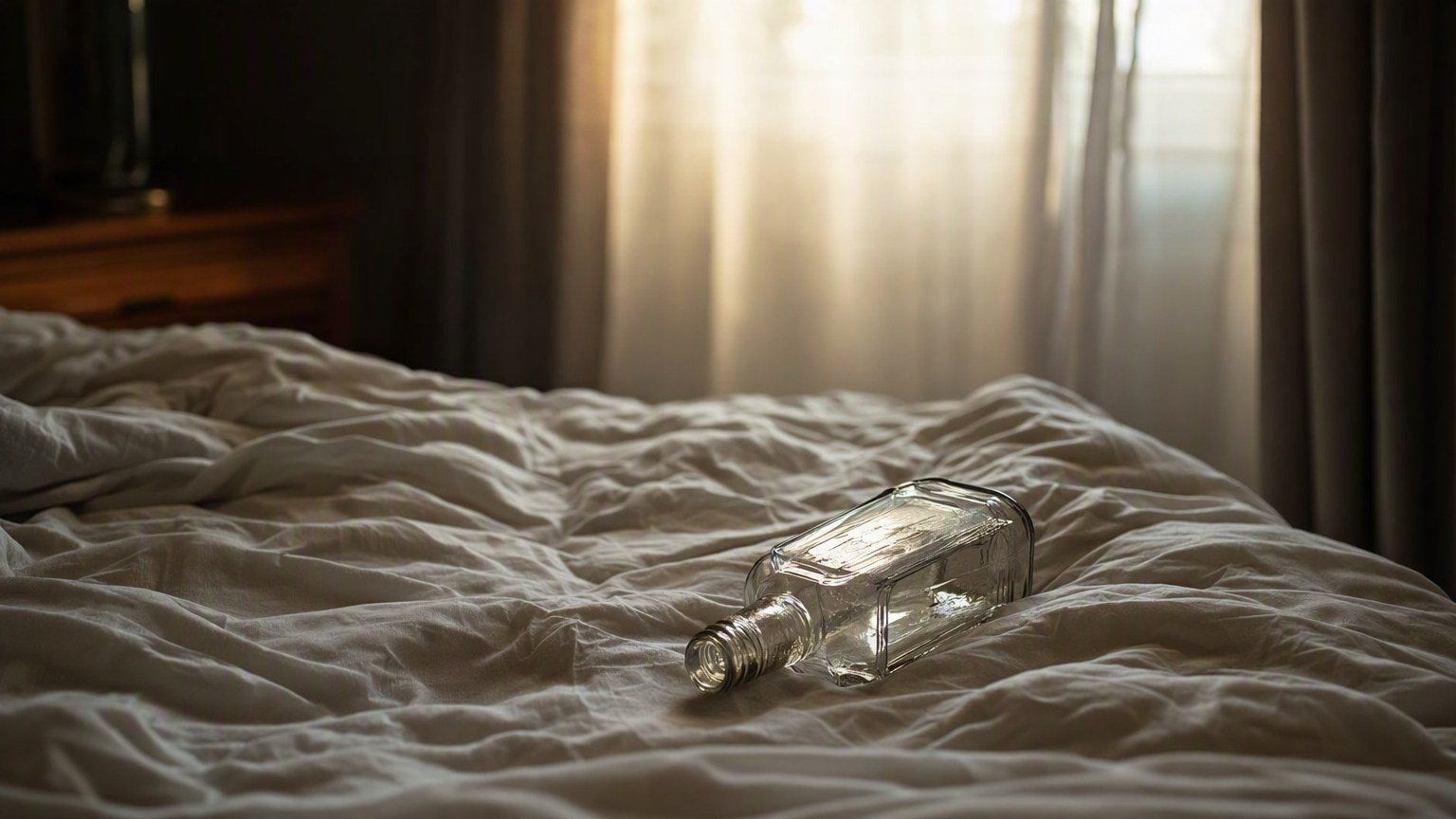
I’ve covered enough of these stories to know the pattern. Someone withdraws. Stops going to work. Tells a family member at church (of all places, where you’re supposed to find hope) that they’re depressed. Spends the night drinking alone. And then the next day, silence.
What the Police Report Actually Reveals
Police reports are weird documents, right? They’re so clinical and procedural, listing times and dispatch codes and officer names. But between those lines, you can see the whole tragic architecture of how someone slips away.
“He was in a dark place and didn’t attend work that day.”
That’s what Anita told the 911 operator. Not “I think something’s wrong.” Not “I’m worried.” She knew. She’d seen him the night before and heard him say he was depressed, and then he didn’t show up to work, and she knew enough to call for help.
But here’s what gets me – and maybe I’m reading too much into this, but I don’t think so. That bedroom window was unlocked. Ken’s door was locked, his phone was going unanswered, but there was still a way in. I don’t know if that means anything. Maybe it doesn’t. Maybe it’s just a detail. But it feels significant somehow, like he couldn’t quite seal himself off completely.
The Part We Keep Getting Wrong
Every time someone dies like this – and by “like this” I mean young, unexpectedly, after people noticed warning signs – we do this collective hand-wringing about mental health awareness. We share the suicide hotline number. We post about checking on your strong friends.
And all of that is fine, I guess. Good, even. But it also feels insufficient when you’re reading about a 34-year-old man who literally told someone he was depressed one day and was found dead the next.
What was he supposed to do? He went to church. He had family who cared enough to call 911 when he went quiet. He had a job (until he didn’t show up). From the outside, it looks like he had some of the infrastructure we’re always told matters. And it still wasn’t enough.
I’m not saying this to be nihilistic or to suggest nothing matters. I’m saying it because I think we need to be honest about how hard this actually is. Depression isn’t always this thing you can spot from a mile away or fix with a phone call. Sometimes it’s someone at church on Wednesday telling you they’re struggling, and then it’s too late by Thursday.
What This Actually Means
Ken Urker’s death is going to get filtered through the Gypsy Rose lens because that’s how these things work. His name will forever be “Gypsy Rose Blanchard’s ex-fiancé” in headlines, even though his life and his death belonged to him alone.
But maybe that’s part of what makes this so brutal. He was connected to one of the most scrutinized, analyzed, dramatized stories of the past decade. And still, when it came down to it, he died alone in his house in Louisiana while people who cared about him were trying frantically to reach him.
There’s no clean lesson here. No five steps to prevent the next tragedy. Just the uncomfortable reality that sometimes people slip through every crack we didn’t even know existed. And we’re left climbing through unlocked windows, hoping we’re not too late.