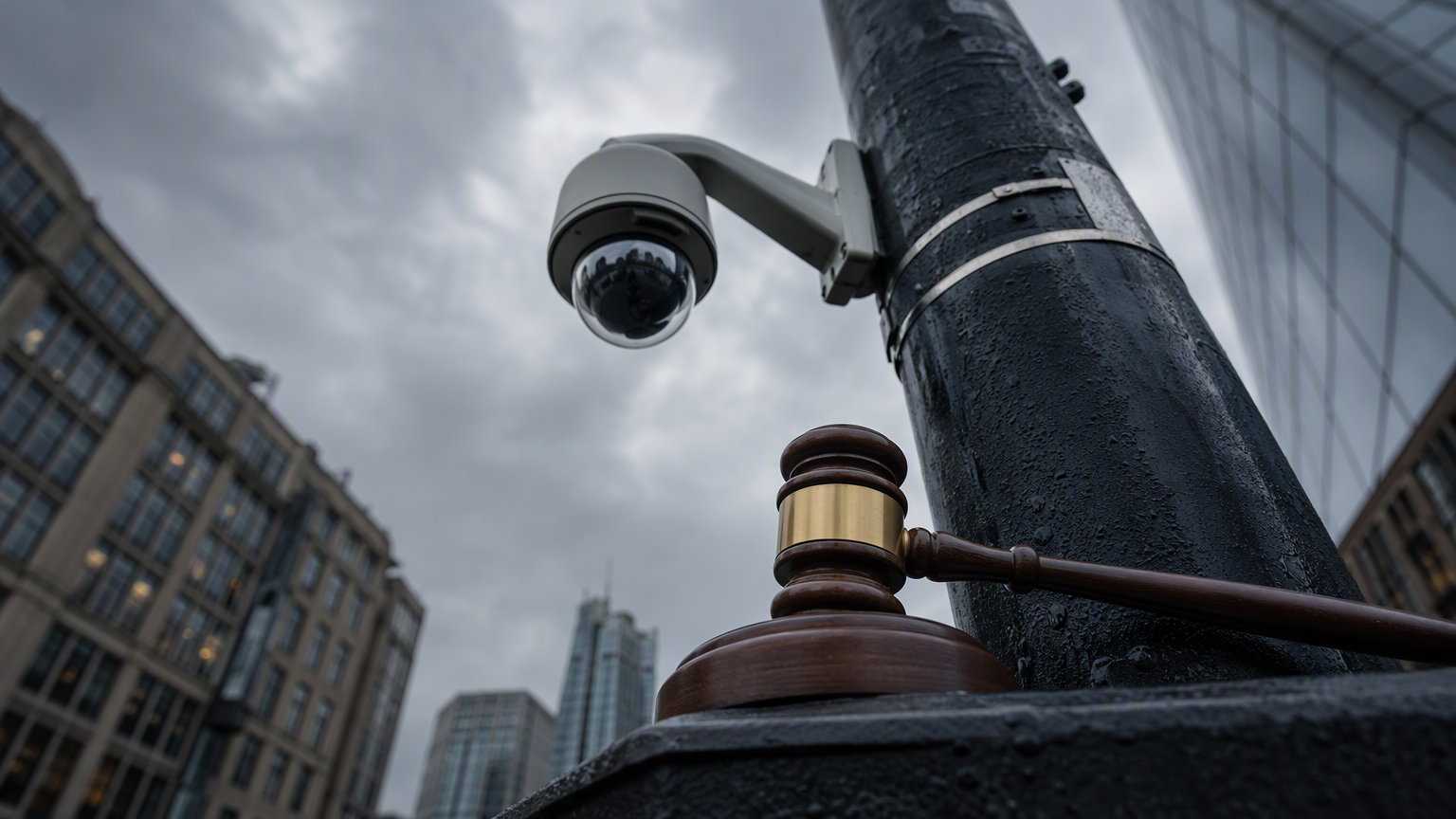
A federal judge just told Flock Safety – that company whose license plate readers are spreading across American neighborhoods like kudzu – that warrantless searches of their massive surveillance network are unconstitutional. And honestly? It’s about damn time someone said it.
The Case That Actually Matters
Here’s what happened. A cop in Norfolk, Virginia was investigating a shooting. Instead of doing, you know, actual detective work, he just queried Flock’s system to see every single vehicle that passed through a specific area during a certain time window. No warrant. No probable cause tied to any specific vehicle. Just a digital dragnet that scooped up data on everyone who happened to drive down that street.
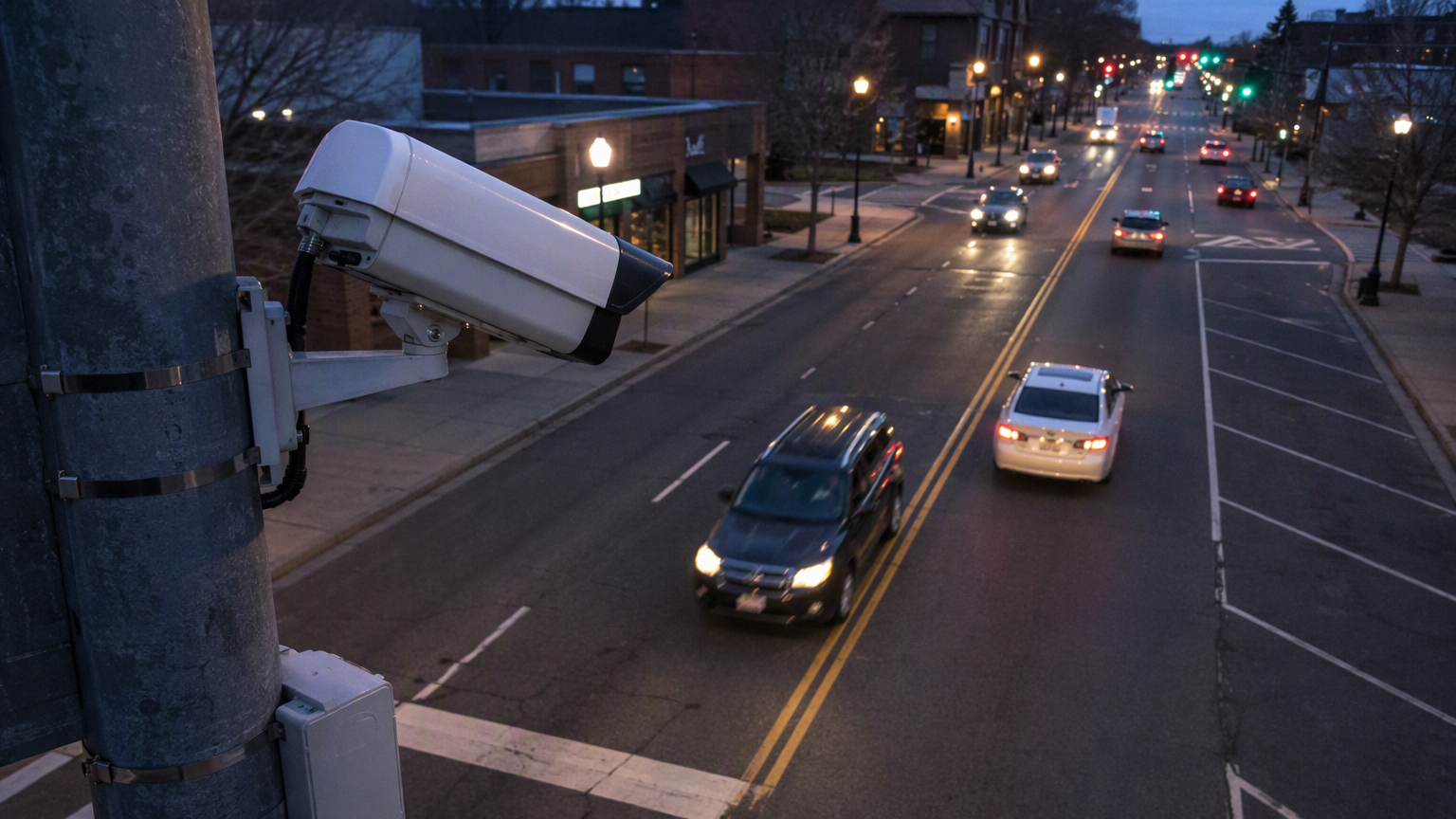
The judge – U.S. District Judge Mark Davis – wasn’t having it. He wrote that this kind of search was “indiscriminable mass surveillance” and violated the Fourth Amendment. The opinion basically says what a lot of us have been screaming into the void for years: just because the technology exists doesn’t mean cops can use it however they want.
But here’s the thing that really gets me. Flock Safety has been selling this technology to police departments and neighborhood associations like it’s some kind of civic amenity. “Keep your community safe!” they say. What they don’t mention is that they’re building what the judge called something “approaching dragnet-type law enforcement practice.”
How Big Is This Network, Actually?
Flock’s got cameras in thousands of locations across the country now. We’re talking about a privately-owned surveillance network that tracks vehicle movements on a scale that would make the Stasi jealous. Every time you drive past one of these cameras (and you probably have, whether you know it or not), it’s capturing your license plate, the make and model of your car, and exactly when and where you were.
The company stores all this data for 30 days. That’s a month of your movements, your patterns, your life. Where you go to church. Where your kids go to school. Which friend’s house you visit on Tuesday nights. All of it, just sitting in a database waiting for some cop to decide they want to run a search.
Why This Ruling Actually Changes Things
Look, I’ve covered enough tech-and-privacy stories to be pretty cynical about judicial wins. Usually these cases get decided on some narrow technical ground that doesn’t really stop the underlying problem. But this opinion is different.
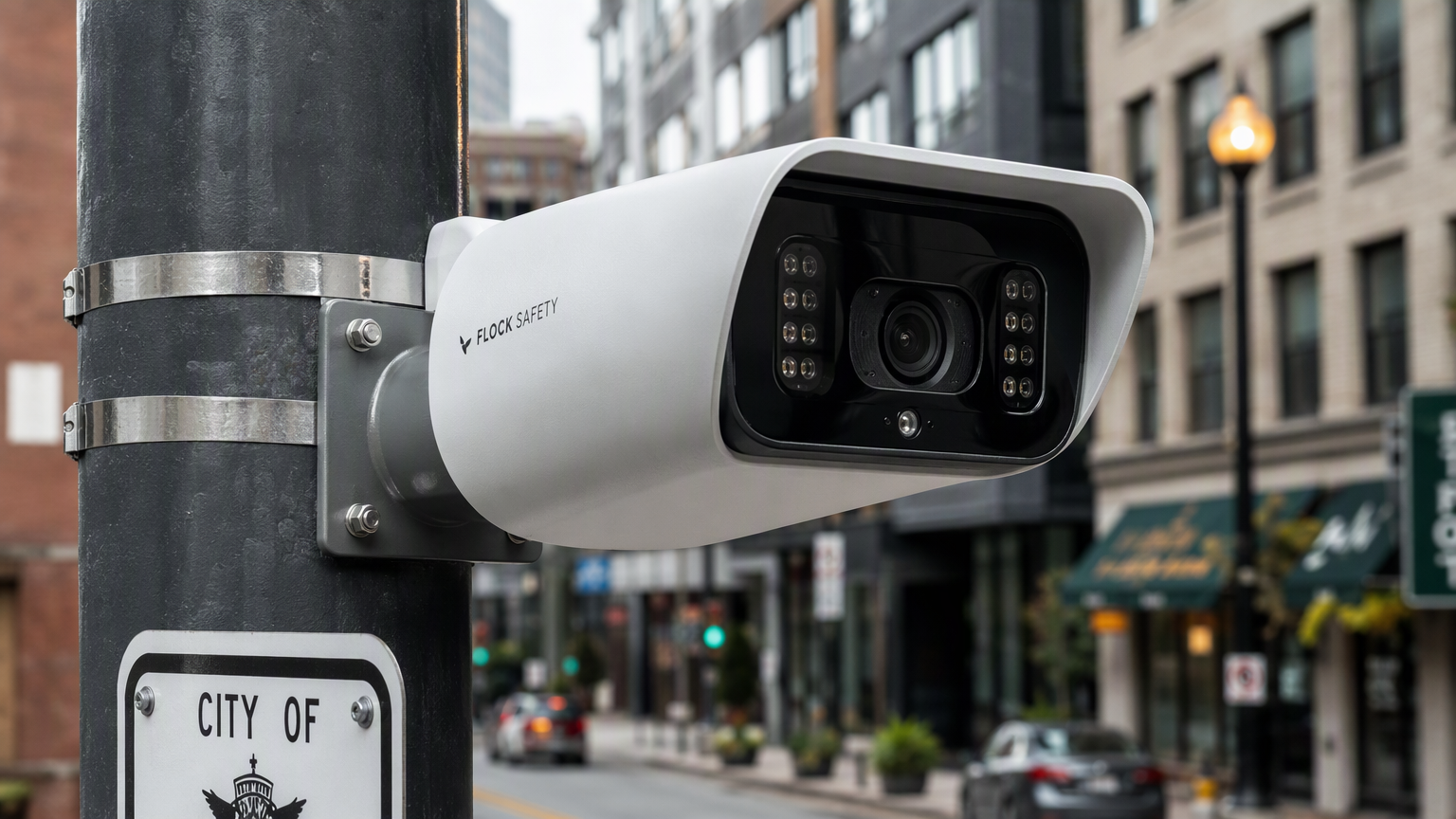
Judge Davis specifically called out the scale and scope of what Flock enables. He wrote that searching this kind of comprehensive database isn’t like a cop standing on a street corner writing down license plates. It’s qualitatively different – and the Fourth Amendment applies differently because of that scale.
The opinion draws on Carpenter v. United States, that Supreme Court case from 2018 about cell phone location data. In Carpenter, the Court said that just because a third party (like your phone company) holds data about you doesn’t mean the government can access it without a warrant. This ruling extends that logic to automated license plate readers.
“When the Government tracks the location of a cell phone it achieves near perfect surveillance, as if it had attached an ankle monitor to the phone’s user.”
That was the Supreme Court in Carpenter. Now apply that same logic to a system that tracks every vehicle movement in a city. Yeah.
The Inevitable Pushback
I mean, we all know what’s coming next. Police departments and Flock are going to argue that this ruling is too restrictive, that it’ll hamper investigations, that criminals will go free because of “technicalities.” (Nevermind that the Fourth Amendment isn’t a technicality – it’s literally in the Bill of Rights, but I digress.)
They’ll point to cases where Flock data helped solve serious crimes. And look, I’m not naive – this technology does help catch bad guys sometimes. But you know what else would help catch bad guys? Putting a GPS tracker on every citizen’s ankle. We don’t do that because we’ve decided that’s not the kind of society we want to live in.
The question isn’t whether surveillance technology can be useful for law enforcement. Of course it can. The question is what kind of tradeoffs we’re willing to make, and who gets to decide where the line is.
For years, those decisions have been made by police chiefs and city councils who saw Flock’s sales pitch and thought “sounds good to me” without really thinking through the implications. This ruling says: actually, no. The Fourth Amendment still exists, even when the surveillance is automated and outsourced to a private company.
What About All Those Cameras Already Installed?
Here’s where it gets messy. This is one district court ruling in Virginia. It’s not binding precedent anywhere else. All those Flock cameras in your neighborhood? Still running. Still collecting data. Still available for law enforcement to query.
What this ruling does is establish a roadmap for defense attorneys in other jurisdictions. If your client was arrested based on evidence from a warrantless Flock search, you’ve now got a really strong argument to suppress that evidence. Prosecutors are going to have to start thinking twice before they build cases on this kind of data.
And maybe – just maybe – police departments will start getting warrants before they run these searches. You know, like they’re supposed to.
What This Actually Means
If I’m being honest, I don’t know how this plays out long-term. Part of me thinks this is a watershed moment, the beginning of courts finally catching up to surveillance technology that’s been outrunning legal frameworks for years. Another part of me thinks Flock and law enforcement will just adapt their practices slightly and keep doing basically the same thing with a thin veneer of judicial oversight.
What I do know is this: we’re at a point where private companies are building surveillance infrastructure that would have been unimaginable 20 years ago, and they’re doing it with shockingly little public debate or legal scrutiny. This ruling doesn’t solve that problem, but it’s at least forcing courts to confront it.
The Fourth Amendment was written in a world where searches meant physically rifling through your stuff. What does it mean in a world where a cop can sit at a desk and reconstruct everyone’s movements for the past month? We’re still figuring that out. But at least one federal judge thinks it means you need a warrant.
That’s something. Not everything we need, but something.