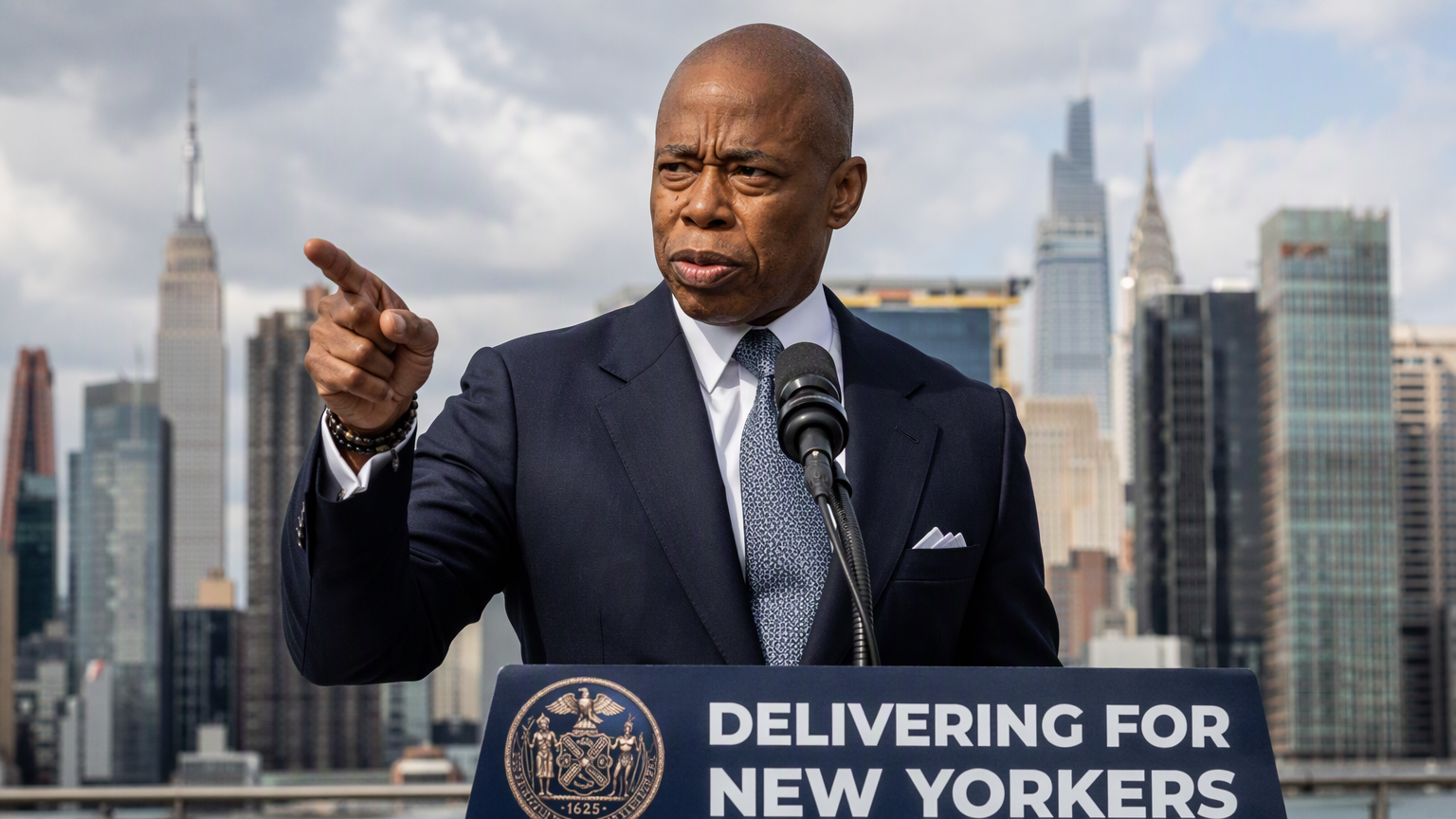
Zohran Mamdani hasn’t even been mayor for a full month yet and he’s already picking fights with two of the biggest media companies in the country. On his list this week: the Paramount-Warner Bros. Discovery merger, which he called a “shameful monument to corruption.” Not “concerning.” Not “worth reviewing.” A shameful monument to corruption. That’s the kind of language you use when you want it quoted, and it worked, because here we are.
So What Actually Set Him Off?
Let’s back up for a second. The Paramount-WBD deal has been in the works for months, and it’s exactly the kind of mega-merger that makes media reporters like me equal parts fascinated and exhausted. Two giants combining forces, thousands of jobs on the line, a ton of political maneuvering behind closed doors. We’ve seen this movie before (pun very much intended). But Mamdani’s take isn’t really about the merger mechanics. It’s about who benefits and who gets left holding the bag.
From what I can tell reading through his statement, his real gripe is with the process. Regulatory approval, political favors, the whole backroom-deal aesthetic that’s basically synonymous with how these things get done in this country. And look, I get why that language resonates. New Yorkers have watched their local news outlets get gutted for a decade while executives walk away with golden parachutes the size of a small country’s GDP. Mamdani’s not wrong that there’s a pattern here. He’s just… louder about it than most elected officials would dare to be.
The Corruption Angle
Here’s the thing though – “corruption” is a heavy word to throw around. It implies something illegal, not just distasteful. And so far, nobody’s pointed to an actual crime. What Mamdani seems to be describing is more like… legalized favoritism? The kind of thing where regulators wave deals through because the right people made the right calls to the right offices. Is that corrupt in a legal sense? Probably not. Is it corrupt in the “this system is rigged for people with money and connections” sense? I mean, come on. Who’s gonna argue that one with a straight face.
Why Is a Mayor Even Weighing In on This?
This is the part that’s actually interesting to me, more than the merger itself. Mayors don’t usually have a formal seat at the table when it comes to federal media mergers. The FCC handles that. The DOJ handles that. City Hall does not, generally speaking, get a vote. So why is Mamdani spending political capital on this at all?
A few theories, and I’ll be honest, I don’t think it’s just one of them. First, there’s the jobs angle – both companies have significant New York footprints, and mergers like this almost always mean layoffs somewhere down the line. Local news production, ad sales teams, studio staff… these are New York jobs, and if the merger leads to consolidation (it almost always does), that’s Mamdani’s constituents losing paychecks. Second, and I think this one matters more than people are giving it credit for, this fits his broader brand. He’s built a reputation on calling out concentrated wealth and power, and a multi-billion dollar media merger is about as clean a target as you’re gonna find for that message.
“This deal represents everything wrong with how power consolidates in this country – handshakes in boardrooms deciding the fate of thousands of working people who never got a say.”
Whether or not that’s an exact quote (reporting on this stuff always involves some paraphrasing depending on which outlet picked it up first), it captures the sentiment pretty well. This isn’t really a legal argument he’s making. It’s a moral one.
The Part Everyone’s Skipping Over
Okay, so here’s where I think the coverage is missing something. Everyone’s focused on the “shameful monument to corruption” soundbite because, sure, it’s punchy and it’s going to be the headline everywhere (mine included, not gonna pretend otherwise). But the more useful question is whether Mamdani actually has any leverage here. And the honest answer is… not much. Not directly, anyway.
City governments can make noise. They can hold hearings, they can pressure local regulators, they can make it politically uncomfortable for companies operating in their jurisdiction. What they generally can’t do is block a federally-reviewed merger. So this is, at least for now, mostly a messaging play. That doesn’t make it meaningless – public pressure has killed or reshaped deals before, and media attention on a merger’s labor impact can absolutely shift how regulators approach conditions and approvals. But let’s not pretend the mayor of New York is about to single-handedly torpedo a deal this size. That’s just not how the mechanics work.
What’s interesting here is the timing, too. Mergers like this drag on for months, sometimes years, and public officials tend to pile on either right at the start (to shape the narrative early) or right near the finish line (to try and extract last-minute concessions). Mamdani’s comments landing now suggests we’re closer to a decision point than a lot of people realize. If I had to guess – and this is just a guess, nobody’s confirmed timing publicly – regulators are probably weeks away from some kind of ruling, not months.
The Bigger Media Consolidation Problem
I’ve covered enough of these mega-mergers to know the pattern by heart at this point. Company A and Company B announce a deal. Executives talk about “synergies” and “efficiencies” (corporate speak for layoffs, always, without exception). Regulators take their time. Public interest groups raise alarms. And then, more often than not, the deal goes through anyway, sometimes with a few conditions bolted on that nobody enforces two years later. Disney-Fox. WarnerMedia-Discovery the first time around. It’s basically the same script with different names.
So when Mamdani calls this a “monument to corruption,” part of me thinks he’s not just talking about this one deal. He’s talking about the whole broken pattern. The fact that these mergers keep happening, keep consolidating power into fewer and fewer hands, and keep getting waved through with minimal pushback from the people who are supposed to be protecting the public interest. That’s a much bigger critique than one merger deserves, honestly, but I don’t think that’s an accident on his part.
What This Actually Means
Look, I don’t think Mamdani’s comments are going to derail the Paramount-WBD merger. That’s just not realistic given how limited a mayor’s actual authority is here. But I do think this is a preview of how he’s going to operate for the next four years – loud, unapologetic, willing to pick fights with entities way bigger than City Hall even when he knows he can’t win outright on the legal merits.
Is that good governance or just good theater? Probably a bit of both, if I’m being honest. Sometimes the loudest voice in the room doesn’t change the outcome, but it does change who’s paying attention. And for a merger this size, with this many jobs on the line, maybe that’s worth something even if it’s not everything.
Either way, this isn’t going away quietly. Watch for more statements as the deal gets closer to a decision, because if there’s one thing we’ve learned about Mamdani so far, it’s that he doesn’t say something once and move on.