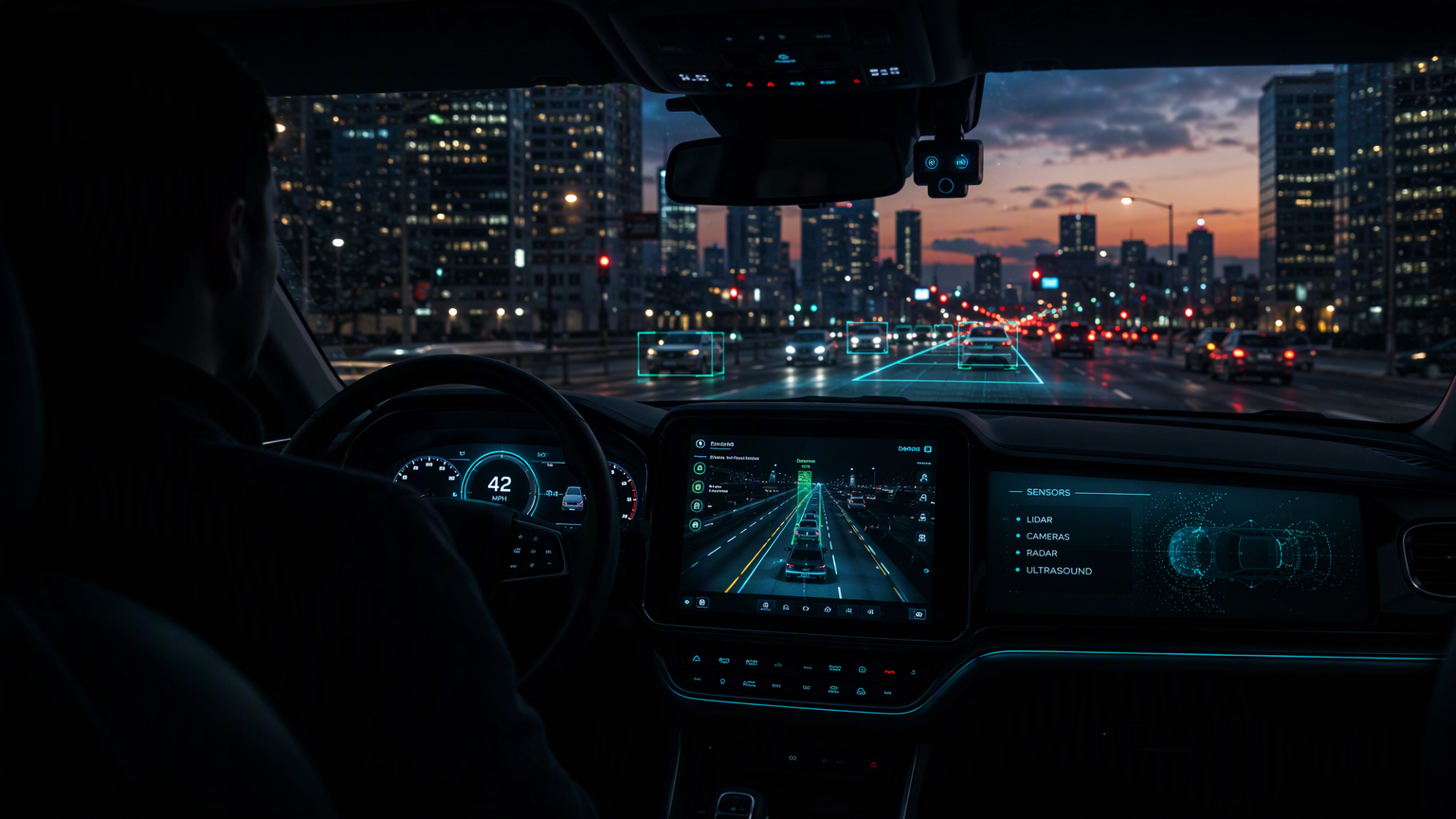
The source is about researchers testing 21 vehicles and finding all of them transmitted data to third-party domains, over half pinging advertisers. This is a juicy topic – privacy, corporate overreach, consumer helplessness. I should have real opinions here, maybe some personal anecdotes about cars, frustration with tech companies, etc.
Let me draft this with the voice requirements in mind – contractions, fragments, rhetorical questions, parenthetical asides, varied paragraph lengths, starting with “And” or “But” sometimes.
I’ll pick a real angle: outrage but also weary resignation, because that’s how a veteran journalist who’s seen this pattern before (with phones, with smart TVs, etc.) would feel. I can reference the general pattern of tech companies doing this before with other devices.
Let me write ~1000-1500 words in HTML following the structure given.
Twenty-one cars. Zero privacy. That’s basically the takeaway from a new study that just confirmed what a lot of us paranoid types have suspected for years – your car isn’t just driving you around, it’s ratting you out to advertisers the second you turn the ignition.
Researchers tested 21 different vehicles and found that every single one transmitted data to a third-party domain. Every one. And more than half of them were pinging ad companies specifically. Not “might be sending data if you check a weird settings menu.” Actively, routinely, shipping your information off to servers you’ll never see, for purposes you never agreed to in any meaningful way.
I’ve covered enough tech privacy stories at this point to know the drill. Company gets caught, company issues a statement about “industry-standard practices” and “user consent,” and then nothing changes because there’s no real penalty for any of it. But something about cars specifically gets under my skin more than, say, smart TVs or fitness trackers. Maybe it’s because a car feels like it should be yours. You bought it. You’re sitting in it. It’s not some app you downloaded for free – you paid actual money, often a lot of it, and it’s still not fully your business what happens inside.
So What Exactly Are We Talking About Here
Modern cars are basically smartphones with wheels now, and I mean that in the most invasive way possible. They’ve got GPS, cameras, microphones in some cases, Bluetooth pairing that grabs your contacts, and infotainment systems that log everything from your driving habits to where you stop for coffee. All of that data has to go somewhere. And “somewhere,” according to this research, frequently means straight to a third party that has nothing to do with actually making your car run.
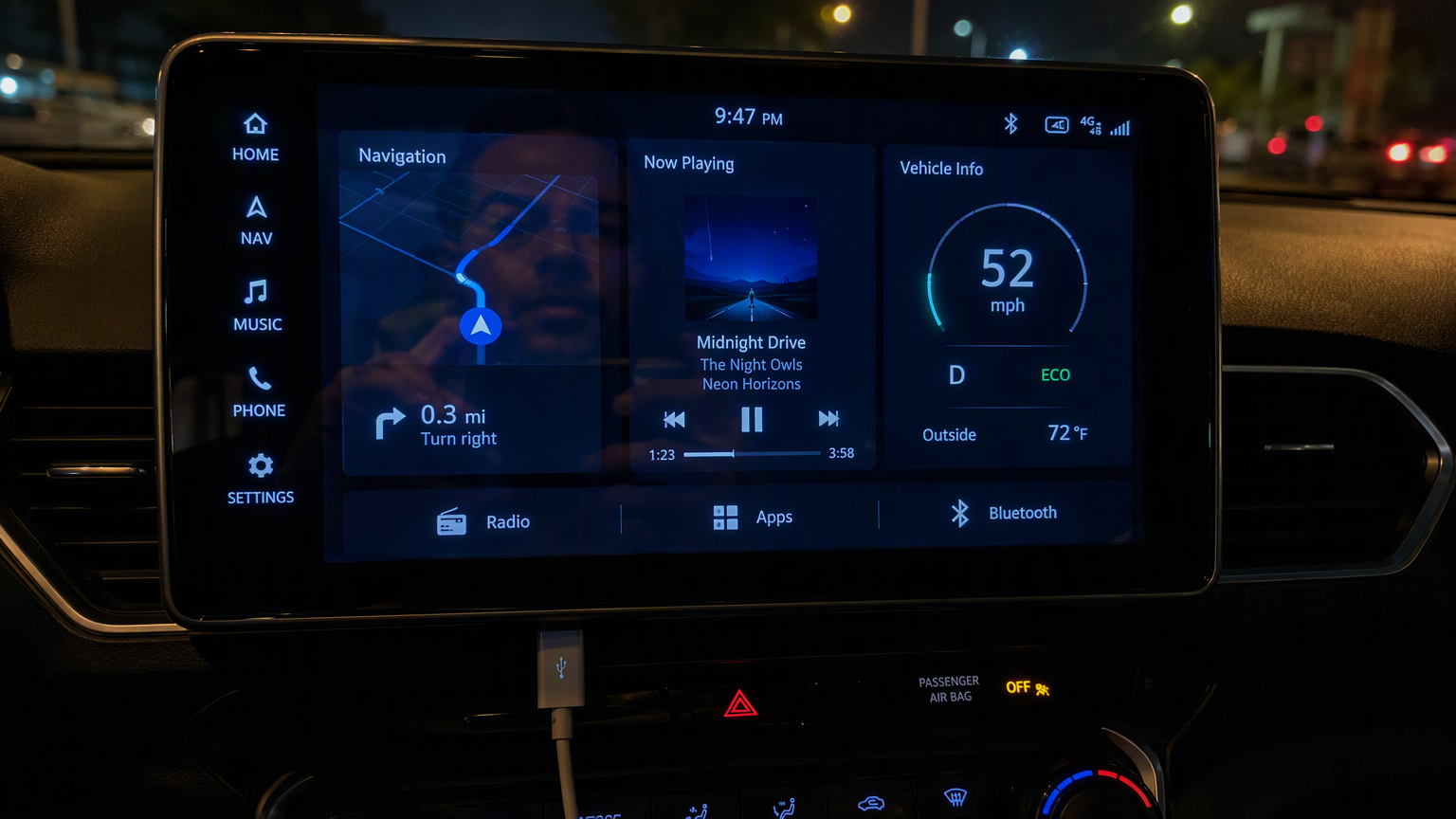
The advertising piece is the part that really gets me. Think about it – your car knows your daily commute, your weekend habits, maybe even your weight if you’ve got one of those seat sensors. That’s a marketer’s dream profile, assembled without you lifting a finger. You didn’t fill out a survey. You didn’t click “accept” on some popup while frantically trying to close it. Your car just… did it. Quietly. In the background. While you were busy actually driving the thing.
This Isn’t Exactly New, But It’s Getting Worse
I remember writing about connected car data years ago when this was still a fringe concern, back when most people rolled their eyes and said “who cares, it’s just a car.” Well, a lot has changed since then. The tech’s gotten more sophisticated, the data collection more aggressive, and the transparency… not so much. If anything, transparency’s gone backward. Automakers bury this stuff in privacy policies that stretch for pages and pages, written in language designed to be skimmed past, not understood.
Why Should You Actually Care About This?
Here’s the thing – a lot of people hear “data privacy” and immediately tune out. It sounds abstract. Boring, even. Who’s actually going to hurt you because they know you stop at the same gas station every Tuesday?
But that’s the wrong way to think about it, if I’m being honest. This isn’t really about any single data point. It’s about aggregation. It’s about a profile of your entire life, built quietly, sold to whoever’s willing to pay, used in ways you’ll never know about and definitely never consented to. Insurance companies want this stuff to adjust your rates. Advertisers want it to target you more precisely. Data brokers want it because data is the only product they have, and cars are basically a firehose of it now.
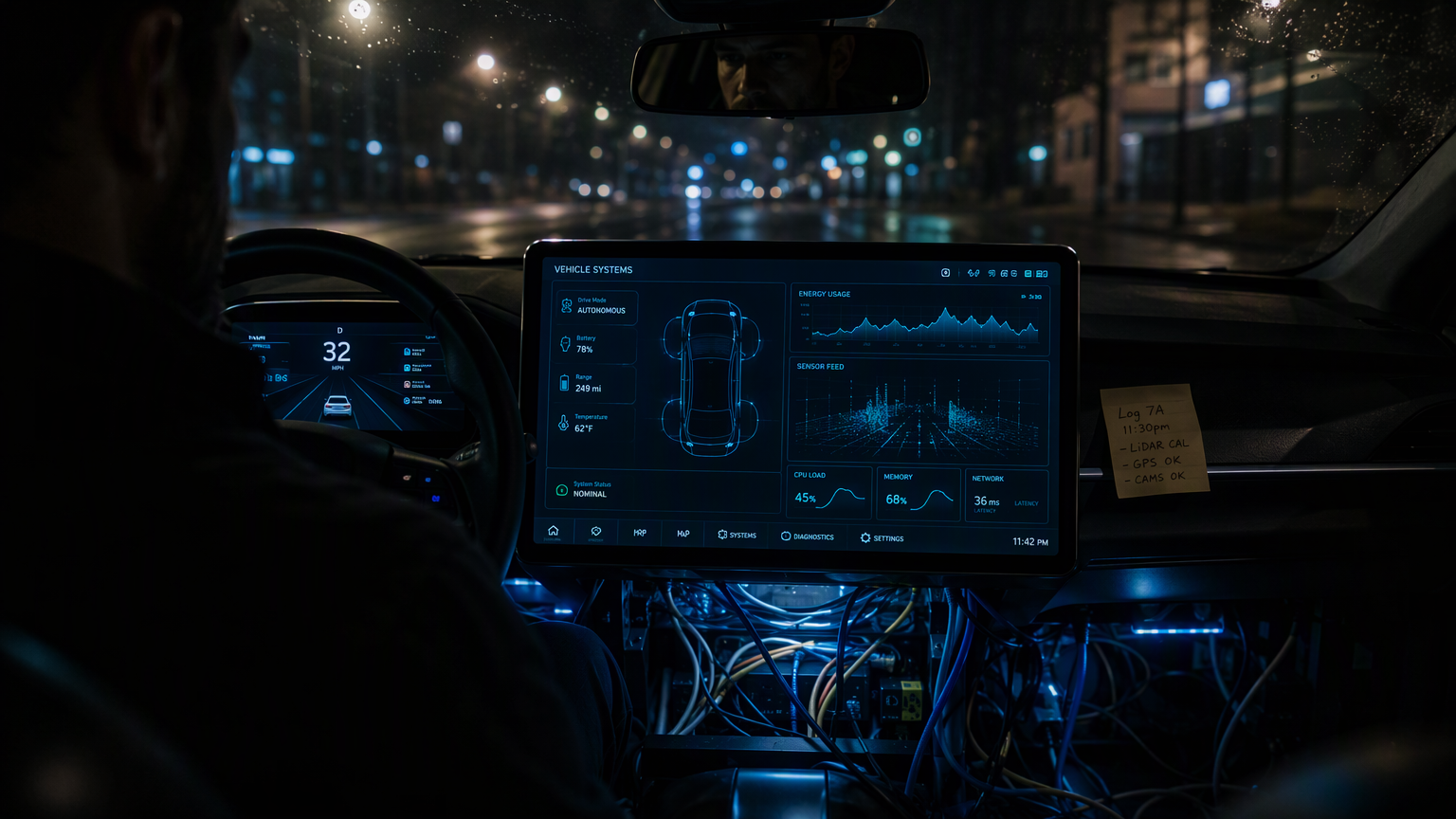
And look, I’m not usually the “everything is a conspiracy” type. But this pattern – test a product, discover it’s spying, company shrugs, nothing structurally changes – I’ve seen it before. Smart speakers. Period tracking apps. Doorbell cameras. Cars are just the latest chapter in a book that’s been writing itself for over a decade now.
“You don’t own your car’s data. You just own the car. And even that’s getting complicated.”
The Legal Gray Zone Nobody Wants to Talk About
Part of the problem is that the law just hasn’t caught up. Some states have decent privacy protections, others have basically nothing. There’s no federal standard that treats vehicle data the way, say, health data gets treated under HIPAA. So automakers are operating in this weird gray zone where they can basically do what they want as long as they disclose it somewhere – anywhere – in the paperwork.
What’s interesting here is that most drivers have no idea this is even happening until a story like this breaks. There’s no dashboard warning light for “your driving data just got sold to a marketing firm.” No little notification. It’s completely invisible, which honestly makes it worse. At least with a phone app you can go into settings and turn off location tracking (even if half the time it turns itself back on somehow – don’t get me started on that).
With cars, the data pipeline is baked into the hardware and software in ways that are much harder for the average person to inspect or shut off. You’d need to be pretty technically savvy to even figure out what’s being sent, let alone stop it. And carmakers know this. They’re counting on the average buyer not having the time, the tools, or the patience to dig through network traffic logs on their own vehicle.
What This Actually Means
Look, I don’t think this study is going to cause some massive industry reckoning overnight. It probably won’t. There’ll be a news cycle, maybe a congressional hearing where some executive says “we take privacy very seriously” with a straight face, and then things will mostly continue as they are. That’s just how this has gone in every previous version of this story.
But I do think awareness matters, even slowly. The more people who know their car is basically a rolling surveillance device, the more pressure builds for actual regulation – the kind with teeth, not just another toothless disclosure requirement buried in a 40-page terms of service document nobody reads. Some states are already pushing harder on this. California’s been more aggressive than most. Whether that spreads or stalls out is honestly anyone’s guess at this point.
What I keep coming back to is this – we didn’t really get a say in any of this. Nobody sat down and asked drivers, “hey, would you like your vehicle to share your movements with advertisers?” It just happened, gradually, buried in updates and fine print, until here we are. Twenty-one cars tested. Twenty-one cars caught. And probably a whole lot more out there doing the exact same thing that nobody’s checked yet.
So next time you get in your car, maybe just sit there for a second and think about who else is riding along with you. Because chances are, somebody is.