Look, I’m just gonna say it – we’re watching the same movie for the third time, and somehow we’re still surprised by the ending. Russian disinformation campaigns are back, they’re targeting U.S. midterms, and honestly? They’re getting better at it. Not because they’re geniuses. But because we keep falling for the same tricks.
They’re Not Even Hiding Anymore
Here’s what’s wild about this latest campaign – it’s brazen. We’re talking coordinated networks of fake accounts, bot farms churning out content 24/7, and deepfake videos that look just real enough to make you pause. The AFP fact-checkers caught them red-handed setting up shop for the midterms, and the playbook is basically copy-pasted from 2016 and 2020. Except this time, they’ve got better tools.
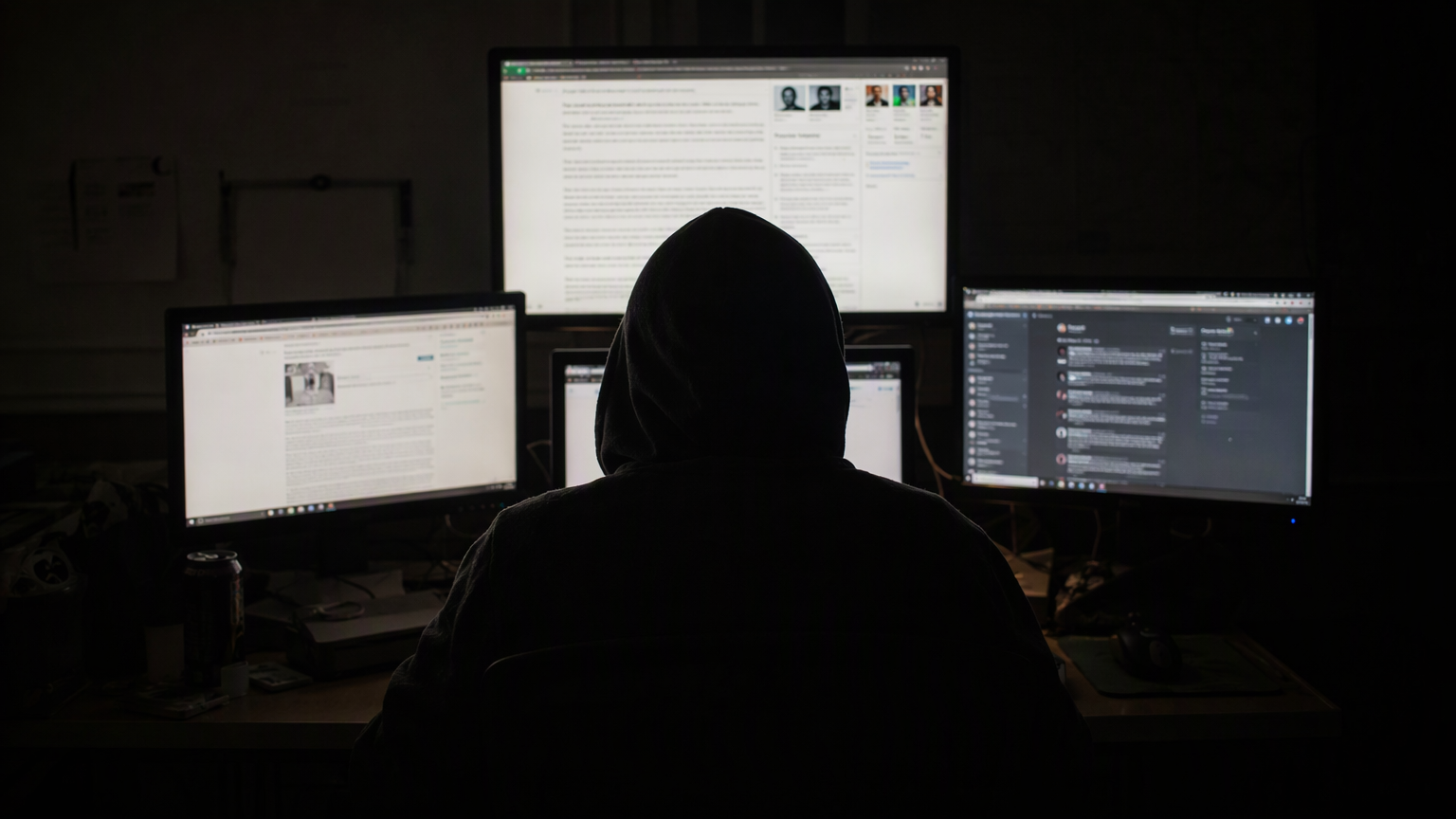
The thing is, Russian operators aren’t creating new narratives out of thin air. They’re taking our existing divisions – and I mean the ones we’ve already got plenty of, thank you very much – and just… amplifying them. Cranking up the volume on everything we’re already fighting about. Voting integrity, immigration, cultural issues, you name it. They find the fracture lines and pour gasoline on them.
And it’s working. Not because Russians are master manipulators, but because we’re already primed to believe the worst about each other.
The Tech Has Evolved (We Haven’t)
I’ve been covering disinformation for years now, and what’s changed isn’t the strategy – it’s the execution. Deepfakes used to look janky, obviously fake if you squinted. Now? You need forensic tools to spot them. AI-generated profile pictures are indistinguishable from real people. The bots sound almost human in their responses, complete with typos and emoji.
They’ve also gotten smarter about blending in. Instead of obvious Russian names and broken English, these accounts pose as your neighbors. “Mom of three in Ohio.” “Small business owner, Texas.” “Tired of the BS in Washington.” And they’ll post for months about normal stuff – recipes, sports, local news – before pivoting to the political content they were built to spread.
But Why Midterms? Why Now?
Presidential elections get all the attention, but midterms are actually a better target if you think about it. Lower turnout means every influenced voter counts more. Local races can swing on hundreds of votes. And honestly, people aren’t as vigilant during midterms. We’re not in full campaign mode, the media coverage is lighter, and platforms like Meta and Twitter (sorry, X) have actually scaled back their trust and safety teams since 2020.

Perfect storm, basically.
What these campaigns want isn’t necessarily to elect a specific person – though that’d be nice for them. What they want is chaos. They want Americans to distrust the results no matter who wins. They want us arguing about whether votes were counted correctly, whether the system is rigged, whether democracy even works anymore. Because a destabilized America is a weaker America on the world stage.
“The goal isn’t to make you believe their lies. The goal is to make you doubt everything, including the truth.”
The Part Nobody Wants to Hear
We’re complicit in this. I know, I know – nobody wants to be told they’re part of the problem. But come on. We share articles without reading them. We repost screenshots of tweets without checking if they’re real. We see a headline that confirms what we already believe and hit share so fast we don’t even pause.
Russian disinformation campaigns don’t succeed in a vacuum. They succeed because we’re eager consumers of content that makes us angry, that validates our existing worldview, that lets us feel superior to the idiots on the other side. They’re exploiting our worst impulses, sure. But those impulses? Those are ours.
And platforms aren’t helping. Meta’s fact-checking is inconsistent at best. X has basically given up on content moderation in favor of “free speech” (which apparently includes letting bots run wild). TikTok is a whole separate mess we don’t even have time to get into. These companies had years to fix this problem, and instead they fired the people who were working on it.
The Stuff That Actually Works
So what do we do? I mean, besides doom-scrolling and feeling helpless.
First, slow down. I’m serious. Take three seconds before you share something inflammatory. Check the source. Does that website have an “About” page? Is this person’s profile full of normal activity or just political rants? Does this story appear anywhere else, or is it only on sketchy domains you’ve never heard of?
Second, diversify your news diet. If every source you read confirms exactly what you already think, you’re not informing yourself – you’re just mainlining confirmation bias. Read stuff that challenges you sometimes. It’s uncomfortable. Do it anyway.
Third, talk to actual humans. Not online – I mean in person. Join a local organization, volunteer somewhere, have coffee with someone who votes differently than you. It’s a lot harder to dehumanize people when you actually know them.
What This Actually Means
The 2024 election cycle is already a nightmare, and we’re just getting started. Russian disinformation is going to get worse before it gets better. More sophisticated, more targeted, harder to detect. And they’re not alone – China, Iran, and various non-state actors are all getting in on the action because why not? The barriers to entry are low and the potential payoff is huge.
But here’s the thing that keeps me up at night – the foreign interference is almost beside the point now. We’ve got plenty of domestic actors doing the same thing, using the same playbook, sowing the same discord. The call is coming from inside the house.
I don’t have a neat conclusion here. I don’t think there is one. We’re going to be dealing with this for years, probably decades. The technology will keep getting better, the tactics will keep evolving, and we’ll keep playing catch-up. What I do know is that giving up and assuming everything is fake and nothing matters is exactly what these campaigns want. So maybe the most rebellious thing we can do is stay engaged, stay skeptical, and keep trying to figure out what’s actually true.
Even when it’s exhausting. Especially when it’s exhausting.