
She was maybe thirty seconds into her three minutes at the podium when the sound just… stopped. Not faded out. Stopped. And then, before anyone in that room could figure out what happened, two officers were pulling her away from a public comment session at a city council meeting. Over cameras. Traffic cameras, basically, made by a company called Flock Safety that a lot of you have probably never heard of – but you’re probably driving past one right now without realizing it.
Okay, So What Actually Happened Here
Here’s the thing – public comment periods exist for exactly this reason. Someone shows up, they’ve got three minutes, they say their piece about a policy they don’t like, and then they sit back down. That’s the whole system. It’s not glamorous, it’s not exciting television, but it’s supposed to be one of the last places where a regular person can stand up and tell their local government “hey, I don’t love this” without getting hauled out by the collar.
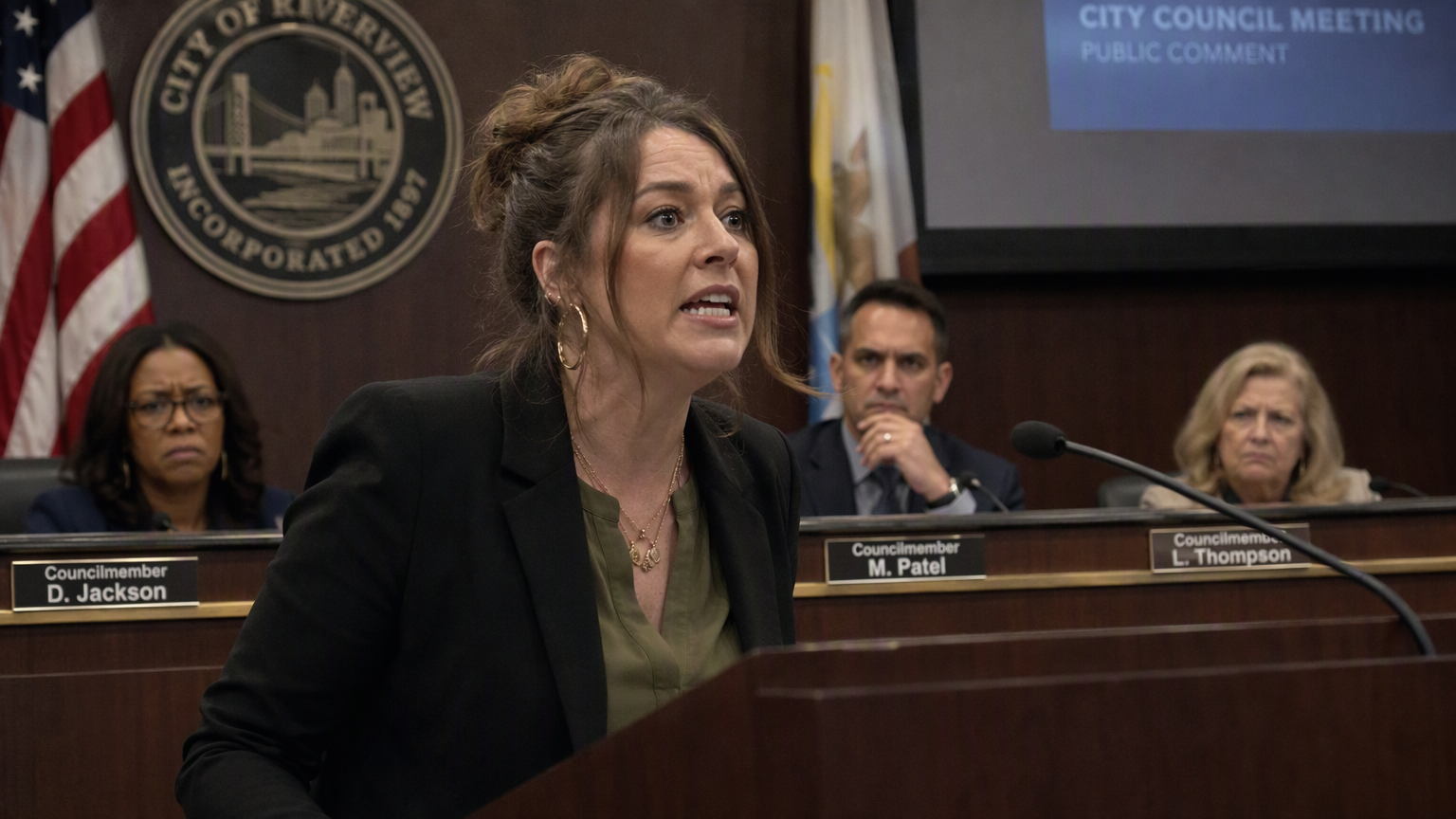
Except that’s apparently not how it went down. According to the reporting, her mic got cut mid-comment while she was pushing back on her city’s use of Flock’s automated license plate readers – the kind of cameras that quietly log every car that passes, cross-reference it against databases, and build what’s essentially a movement history on anyone driving through town. She didn’t get to finish. She got escorted out by police instead. I don’t know about you, but that’s a pretty wild overcorrection for someone using their allotted speaking time to, you know, speak.
Why Flock Cameras Keep Popping Up in the News
Flock Safety isn’t some shadowy startup nobody’s checked out – it’s a real company, backed by real venture money, and it’s in hundreds of cities now. The pitch is simple: help police solve crimes faster by tracking license plates automatically instead of relying on someone remembering “I think it was a gray sedan.” Sounds reasonable on paper. But – and this is a big but – the same tech that helps find a stolen car can also just… track anyone. All the time. Without them ever knowing.
Why Are People So Freaked Out About This?
Because mass surveillance doesn’t usually announce itself with sirens and dystopian music. It shows up looking like public safety infrastructure. A little box on a pole. Nobody protests a streetlight. But these aren’t streetlights – they’re recording devices that create a searchable log of where you’ve been, when, and how often. Multiply that across a whole city, then across the hundreds of cities using this same system, and you’ve basically built a nationwide tracking network without anyone really voting on it in a meaningful way.
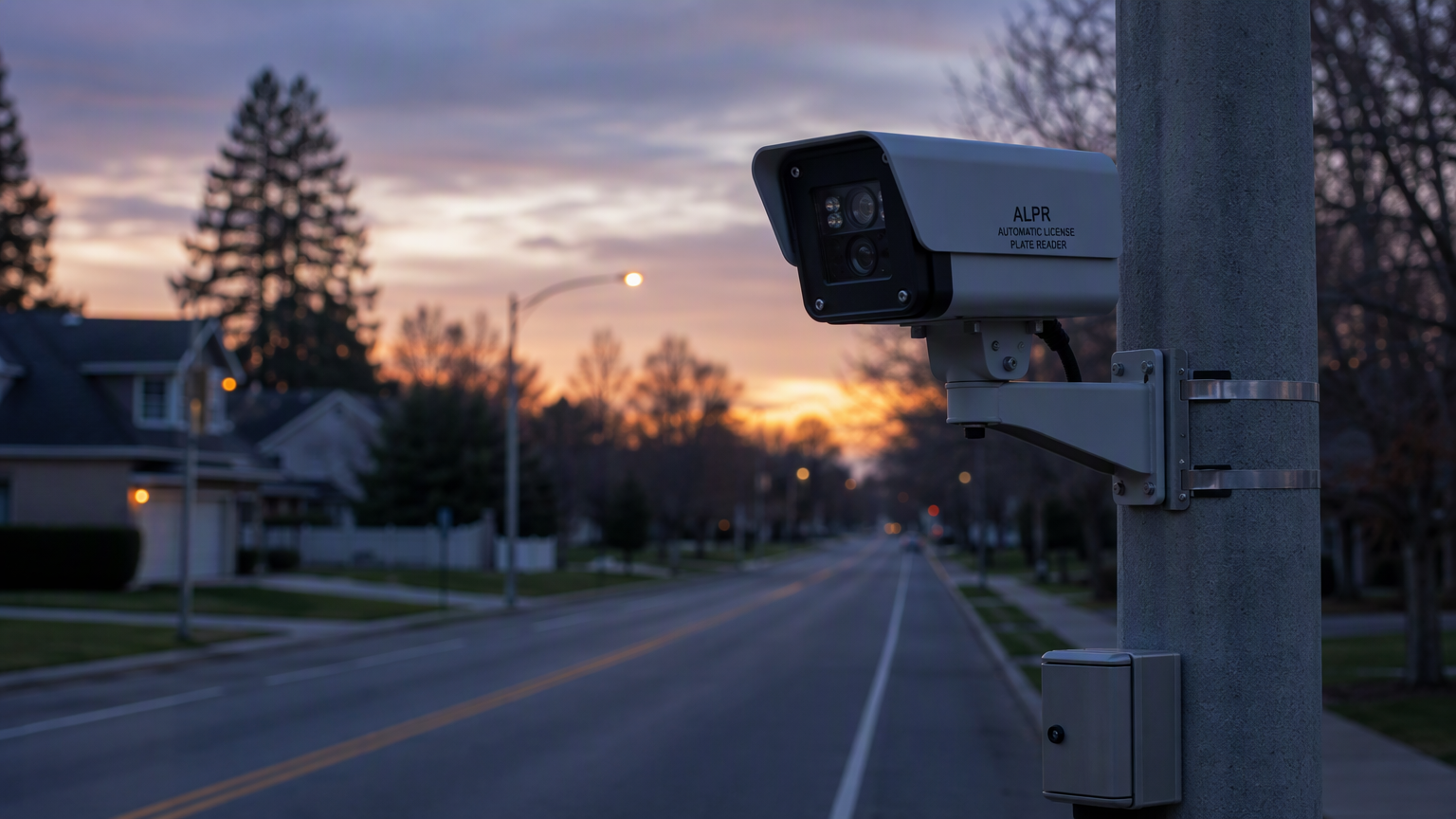
I’ve seen this pattern before, honestly – a city council quietly approves a “pilot program,” nobody outside a handful of policy nerds notices, and by the time regular residents realize what’s been installed on their streets, it’s already been running for a year. That’s not a conspiracy theory, that’s just… how a lot of surveillance tech gets adopted. Slowly, boringly, without fanfare. Which is exactly why moments like this – someone standing up and saying “wait, no, let’s talk about this” – actually matter.
“You cut my mic because you didn’t like what I was saying, not because I broke any rule.”
The Part That Should Actually Bother You
Look, I’ll admit I’ve got a strong opinion here, so take that for what it’s worth. But cutting someone’s microphone during public comment isn’t a neutral administrative decision. It’s a statement. It says the content of what she was saying mattered more than the process everyone else gets to use. And if that’s true – if the mic got cut because of what she was criticizing, not because she went over time or got disruptive – that’s a genuinely bad look for a local government, camera surveillance aside.
And here’s what I think people are missing in a lot of the coverage of these Flock camera fights happening in city after city: this isn’t really just a privacy story anymore. It’s becoming a free speech story too. Because once you start silencing the person raising concerns about a surveillance system, you’ve basically confirmed the concern was worth raising in the first place. That’s not a good pattern for a city government to walk into voluntarily.
There’s also a practical angle nobody talks about enough – once this tech is installed, it very rarely gets removed. Cities almost never walk back surveillance infrastructure once it’s operational, funded, and generating “success stories” for the police department. So the moment to actually debate whether these cameras belong in a community is before installation, or shortly after, while there’s still political will to push back. Drag someone out of that debate, and you’ve effectively ended the debate.
What This Actually Means
I don’t think this ends with one viral clip and a strongly worded local news segment, honestly. These fights over Flock cameras are popping up in city council meetings across the country right now, and from what I can tell, they’re only going to get louder as more people realize how much data these systems are actually collecting. Some cities will double down. A few, probably under public pressure, will actually reconsider their contracts.
But the real question isn’t about this one camera company, not really. It’s about who gets to decide how much surveillance is “normal,” and whether the people footing the bill – and driving past those poles every single day – get an actual say before the decision’s already made. Cutting someone’s mic mid-sentence sure isn’t the way to find out.