






Bernie Sanders just threw a legislative grenade into the surveillance state, and honestly, it’s about damn time someone did. The Vermont senator dropped a bill on Friday that would ban federal agencies from using those automatic license plate readers that have been quietly multiplying across the…
Bernie Sanders just threw a legislative grenade into the surveillance state, and honestly, it’s about damn time someone did. The Vermont senator dropped a bill on Friday that would ban federal agencies from using those automatic license plate readers that have been quietly multiplying across the country like digital kudzu. You know the ones – those cameras mounted on poles and cop cars that scan every single license plate that drives by, building massive databases of where you’ve been and when.
The Ban Flock Act Is Here (Even Though It’s Not Really About Flock)
Here’s the thing – the bill is called the Ban Flock Act, which is hilarious because it doesn’t actually name Flock Safety anywhere in the actual text. But everyone knows what Sanders is getting at. Flock Safety is the nine-year-old company that’s become the poster child for this whole license plate surveillance boom, and they’ve been catching heat from privacy advocates and regular citizens who are increasingly freaked out about being tracked everywhere they go. Sanders has been vocal about the fight to ban it for months now, long before this bill ever hit paper.
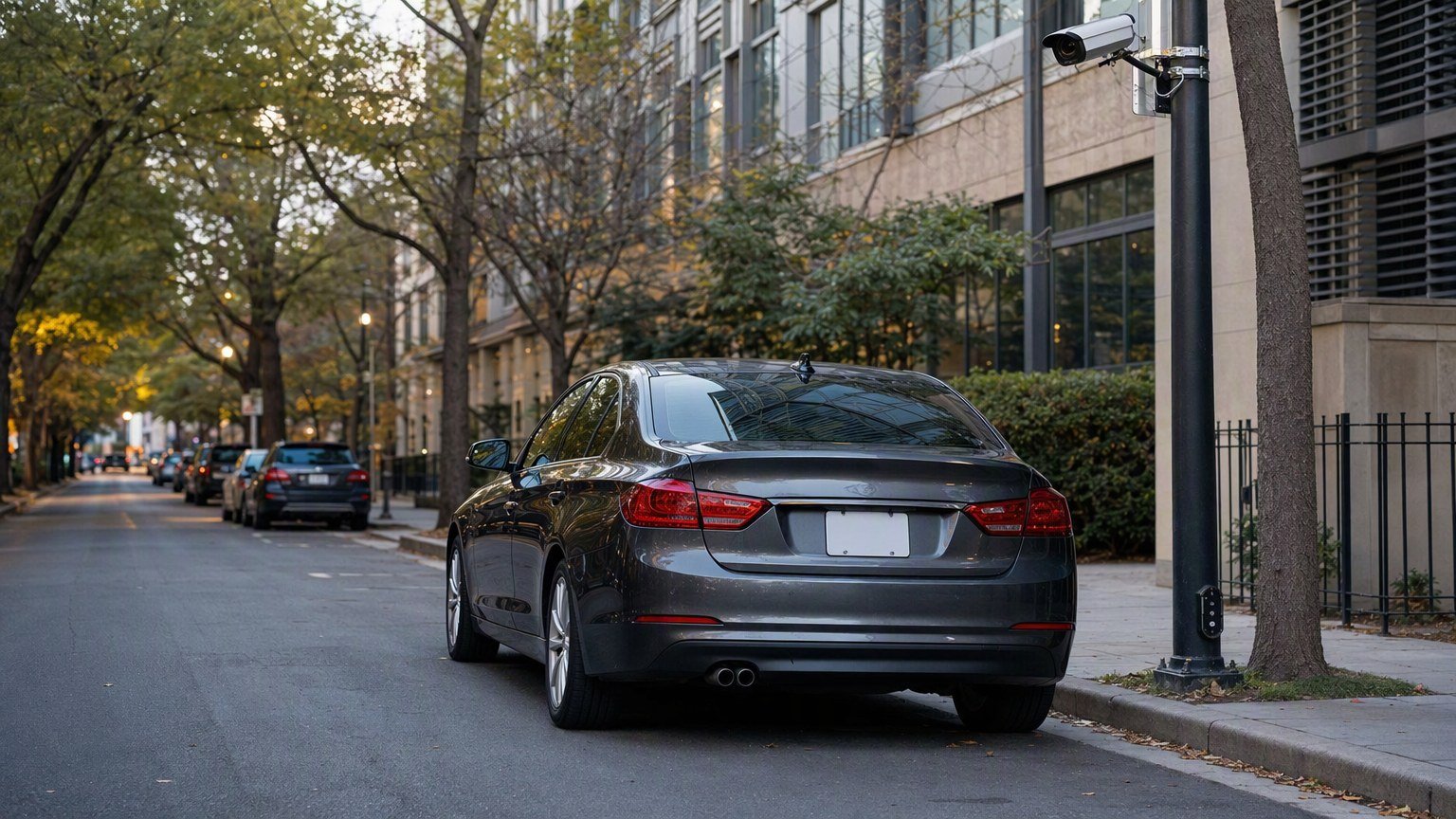
The legislation would bar federal agencies from using automatic license plate readers – ALPRs in the jargon – or even tapping into the data that local cops and private companies collect. That second part is crucial, actually. Because right now, even if the feds aren’t running their own cameras, they can just buy access to the data that companies like Flock have already gathered. It’s surveillance laundering, basically. In one recent case, a judge just said stop to cops running plates through the network without real cause.
This Isn’t Just Paranoia
Look, I know some people roll their eyes at privacy concerns. “If you’re not doing anything wrong, why do you care?” But that misses the entire point. These systems are capturing the movements of everyone – not just criminals, not just suspects, literally everyone who drives past one of these cameras. And there are thousands of them now, quietly logging your trip to the grocery store, your kid’s soccer practice, that late-night drive you took when you couldn’t sleep.
Why Is Everyone So Pissed at Flock?
Flock Safety has been expanding fast, and that’s drawn a lot of public anger. The company sells its camera systems to neighborhoods, apartment complexes, and police departments with a pitch that’s pretty seductive if you’re worried about crime: we’ll help you catch the bad guys. And to be fair, they have helped solve some cases. But the trade-off is a surveillance network that tracks innocent people’s movements 24/7. That anger only grew after a federal judge recently ruled the network unconstitutional in a separate case.
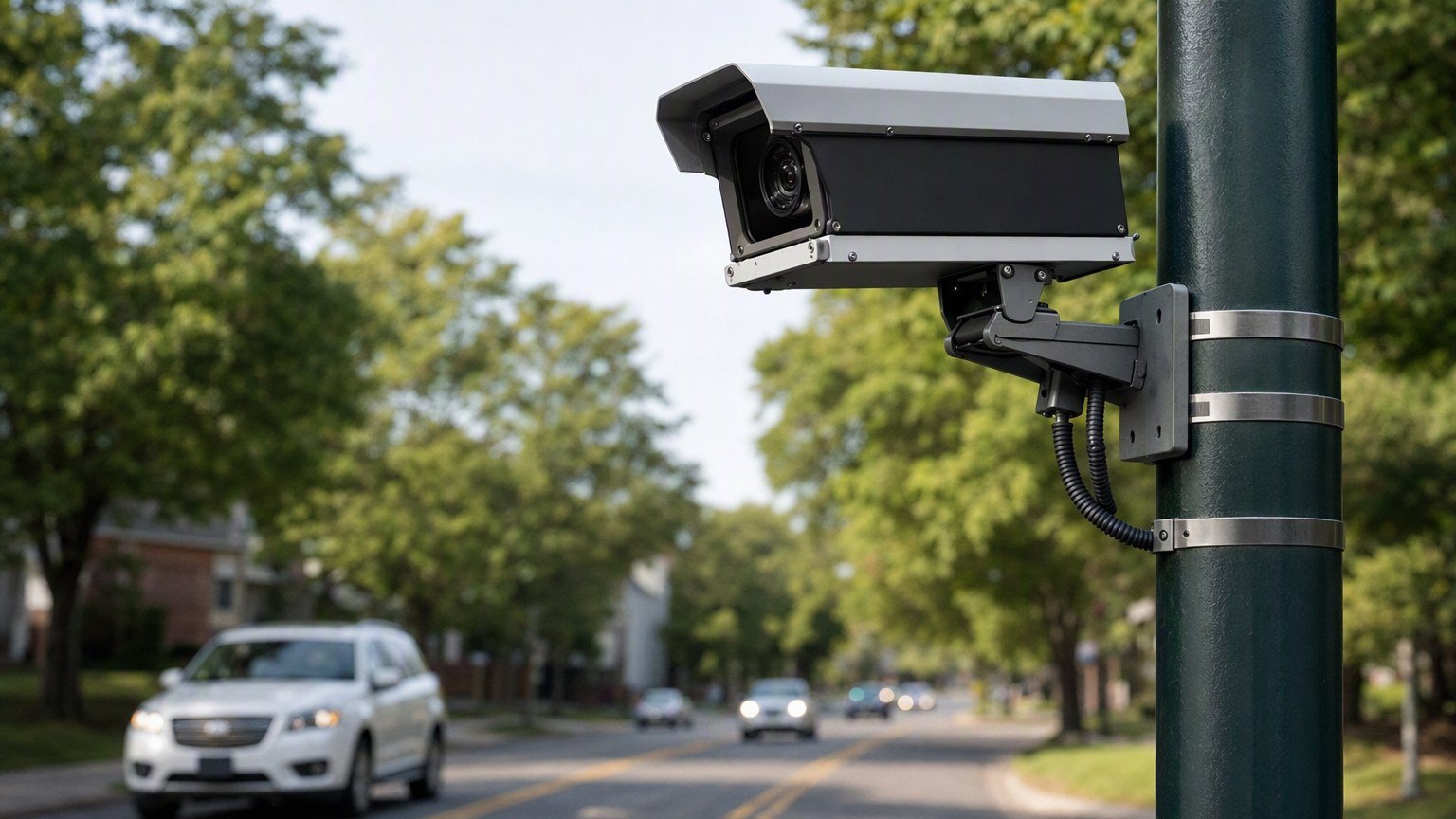
What really gets people fired up is how this stuff spreads. One neighborhood installs Flock cameras, then the next one does, then the police department gets them, and pretty soon you can’t drive across town without getting your plate scanned a dozen times. It’s death by a thousand small decisions, each one seeming reasonable on its own, until you wake up and realize you’re living in a surveillance city.
“Flock Safety continues to draw public anger” – and that anger isn’t coming from nowhere.
Sanders Is Drawing a Line
The Ban Flock Act is Sanders doing what he does best – taking a stand that’s probably not going to be popular with law enforcement or the national security crowd, but that speaks to a genuine civil liberties concern. Will it pass? I mean, probably not, if I’m being honest. Congress isn’t exactly in a “let’s limit surveillance tools” mood these days. But introducing the bill puts pressure on the issue and forces people to actually think about whether we want federal agencies building or accessing these massive location tracking databases.
And the bill is smart in how it’s written – it covers all ALPR systems, not just Flock. So even if Flock disappeared tomorrow, or rebranded, or whatever, the legislation would still apply. Sanders clearly thought about how to make this stick.
What This Actually Means
Here’s what I think is really going on. We’re at this weird moment where surveillance technology has gotten so cheap and easy that it’s outpaced our laws and our cultural conversation about what’s acceptable. A generation ago, tracking someone’s every movement would’ve required a team of investigators following them around. Now it’s just… cameras. Lots of cameras. Running 24/7. With AI that can search through months of data in seconds.
Sanders is trying to pump the brakes, at least at the federal level. Whether he succeeds or not, the fact that a sitting U.S. senator felt the need to introduce this bill tells you something about how far this surveillance creep has gone. And maybe, just maybe, it’ll start a bigger conversation about whether we’re okay with living in a country where your car’s movements are tracked and stored just because you drove down a public street.
The real question isn’t whether criminals might get away with something if we don’t have these cameras everywhere. The question is what kind of society we want to live in. Because once you build this infrastructure, it doesn’t go away. And whoever controls it – today, tomorrow, ten years from now – has an incredible amount of power over everyone who drives a car.
