Bernie Sanders doesn’t do subtle. The guy’s been yelling about oligarchy since before it was a TikTok trend, and now he’s picked a new target: a company called Flock Safety that’s quietly turned thousands of American neighborhoods into rolling surveillance zones. His new bill wants to ban the federal government from using it. And honestly? It’s about time someone in Washington asked the obvious question – who’s watching the people who are watching us?
Wait, What Even Is Flock?
Okay, quick catch-up for anyone who hasn’t been paying attention (no judgment, there’s a lot going on). Flock Safety makes those camera systems you’ve probably driven past a hundred times without noticing – little solar-powered boxes mounted on poles at neighborhood entrances, scanning license plates as cars roll by. They started out pitched to homeowners associations as a “catch the porch package thief” kind of deal. Cute, neighborly, harmless.
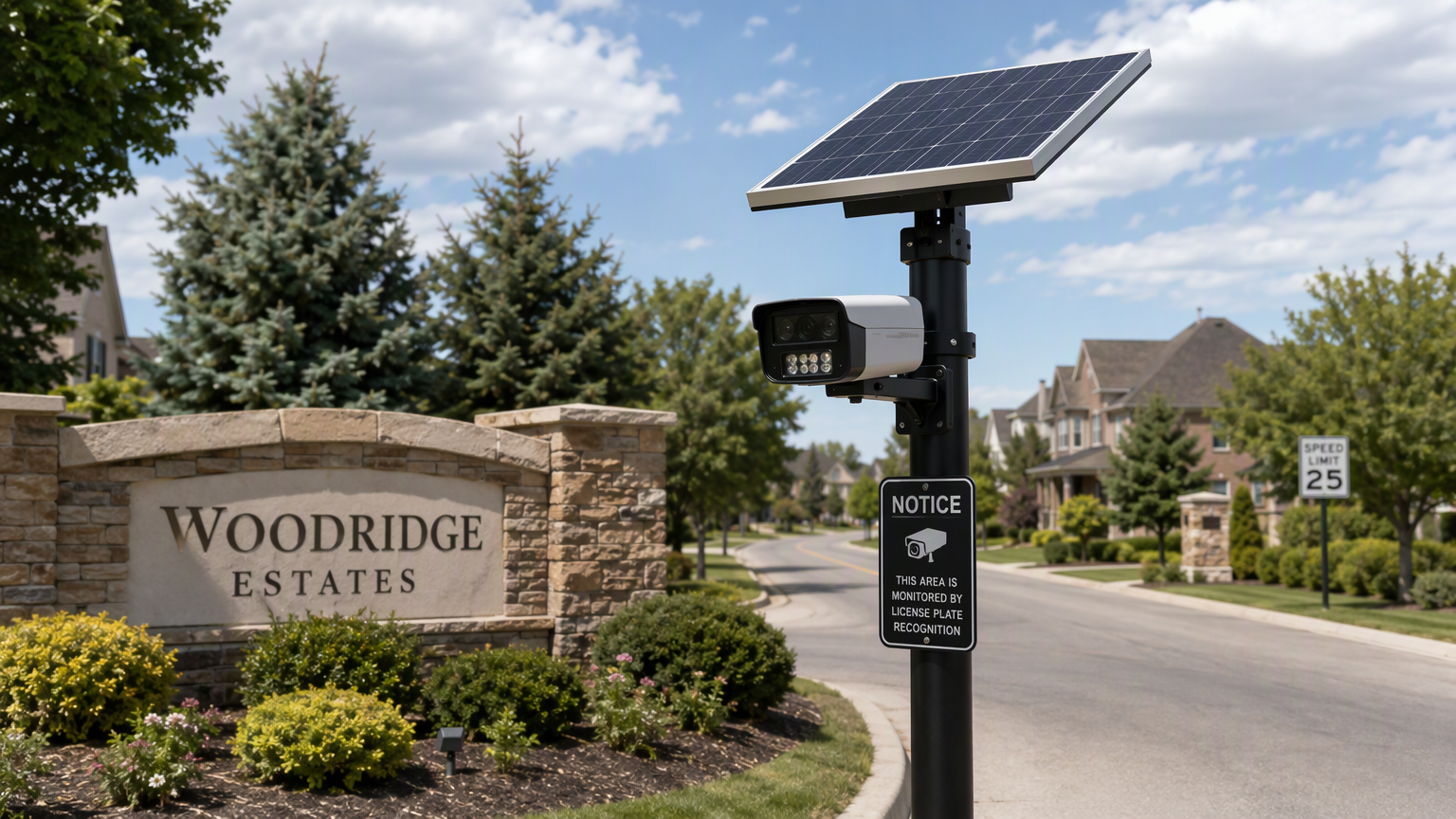
Except it didn’t stay small. Not even close. Flock’s cameras are now installed in thousands of cities and towns across the country, and local police departments have been plugging into the network like it’s some kind of surveillance co-op. Here’s the part that should make you sit up a little: a lot of these systems let agencies search each other’s data. So a cop in Texas can, in theory, run a plate lookup that pulls results from cameras in Ohio or California. No warrant required for a lot of this. That’s not a conspiracy theory, that’s just how the product works.
And It Keeps Growing
From what I can tell, the growth here has been almost unnervingly fast. Flock went from a niche HOA gadget to basically infrastructure in a few years. And once something becomes infrastructure, it’s really hard to rip out. Ask anyone who’s tried to get their city to remove red light cameras after they’ve been there a decade.
So Why Does Sanders Care?
This is where it gets interesting, because Sanders isn’t exactly known for tech policy. He’s a guy who still probably prints his emails. But surveillance and corporate power overlap in a way that’s right in his wheelhouse, and this bill seems to be less about the tech itself and more about who controls it and who profits off it.
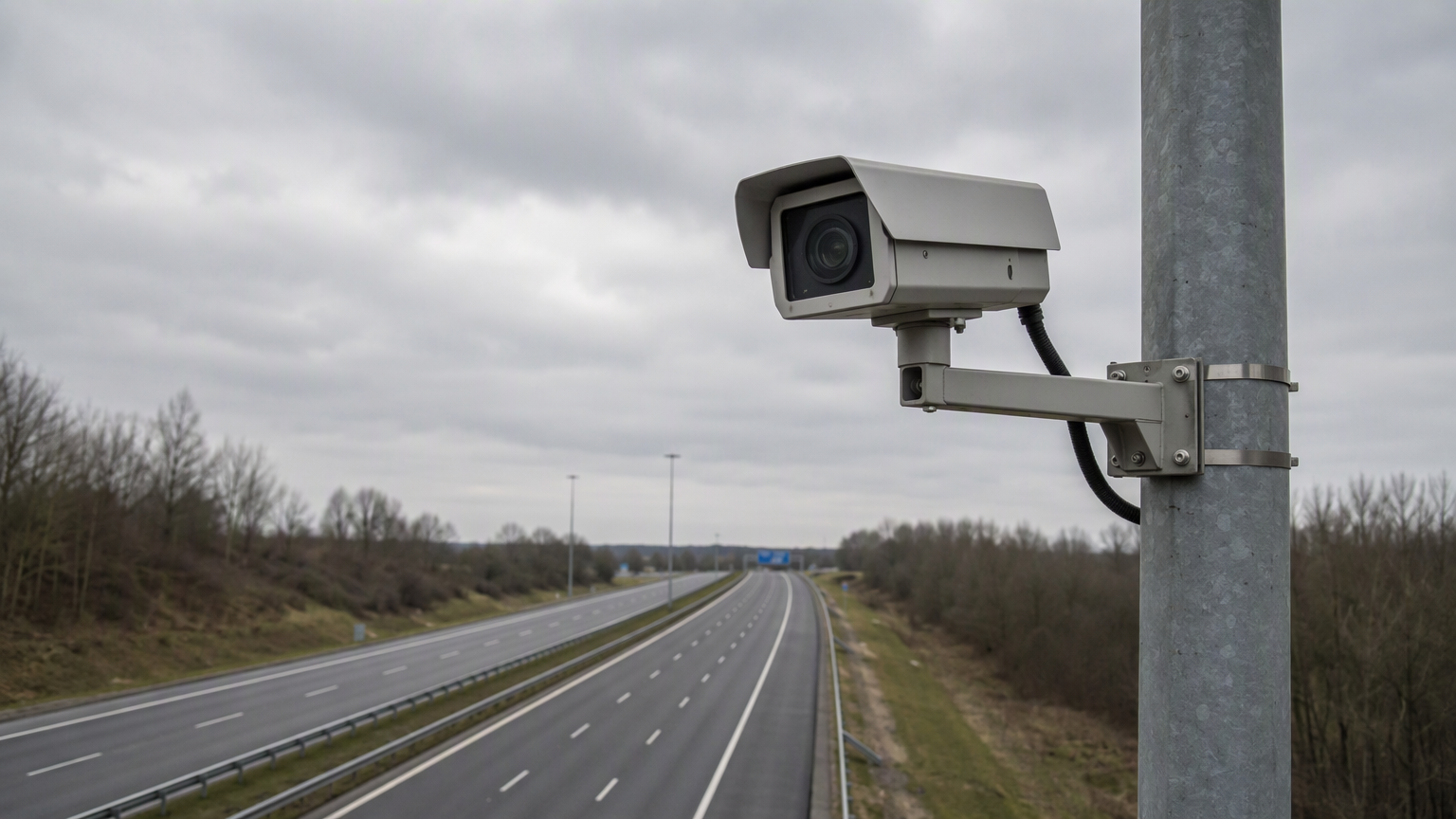
The bill specifically targets federal use – meaning agencies like ICE, the DEA, maybe even the FBI depending on how it’s written – and tries to cut off their ability to tap into Flock’s nationwide network. Reporting over the past couple years has shown that federal agencies, including ICE, have accessed Flock data through local police partnerships without the kind of public disclosure you’d expect for something this invasive. People found out their local cop shop’s camera system was basically a side door for federal immigration enforcement. That’s a pretty big deal, and a lot of city councils had no idea it was even happening.
“We cannot allow Big Brother to be privatized and sold back to us as a public safety tool.”
I’m paraphrasing the general sentiment Sanders and privacy advocates have been pushing for a while now, but it captures the vibe perfectly. This isn’t really about whether license plate readers can help solve a hit and run. It’s about who gets to see where you’ve been, who you’re with, and how often you drive past a certain building. That’s a lot of information for a company most people have never heard of to be sitting on.
The Part Nobody’s Talking Enough About
Here’s the thing that bugs me most about the Flock situation, and it’s not even the surveillance part exactly. It’s the quiet way all this stuff gets approved. City councils vote on these contracts in meetings that maybe twelve people attend. There’s rarely a real public debate about data retention, who gets access, or what happens when (not if, when) there’s a breach or misuse case. It just… happens. And then a few years later everyone’s shocked – shocked! – to learn the system’s been used for things way outside its original pitch.
I’ve seen this pattern before with other tech rollouts, and it never ends well for the public. Convenience gets sold first. Oversight gets bolted on later, if ever, usually after a scandal forces it. Flock’s whole business model kind of depends on moving faster than the regulation can keep up, and so far, it’s working great for them. Less great for anyone who values the idea that driving to a doctor’s appointment shouldn’t generate a permanent, searchable record.
Flock’s Pushback
To be fair, Flock has defended itself plenty of times, usually with the “we help solve crimes and find missing kids” argument, which, sure, probably true in some cases. Nobody’s saying license plate cameras have zero value. But that’s always the trick with surveillance tech – the good use cases get waved around while the broader implications get brushed aside. “It helped catch a kidnapper once” doesn’t really answer the question of whether a private company should maintain a searchable, cross-jurisdictional vehicle tracking database with minimal federal guardrails.
What This Actually Means
Realistically? This bill probably doesn’t pass. Not this version anyway. Congress moves at a pace that makes glaciers look speedy, and a standalone bill from Sanders without broad bipartisan backing has a rough road ahead, especially with how split Washington is on literally everything right now. But that doesn’t mean it’s pointless.
What bills like this actually do, even when they stall out, is put a marker down. They force a public conversation that companies like Flock would honestly rather not have. They give local reporters and privacy advocates something concrete to point to when they’re asking their own city councils “hey, why do we have this and who approved it.” And they put a little bit of pressure on federal agencies to at least think twice before quietly expanding how they’re using this stuff.
I don’t know if Flock gets banned from federal use anytime soon. I kind of doubt it, if I’m being honest. But the fact that someone with Sanders’ profile is making noise about it means the “nobody’s paying attention” era for companies like this might be ending. And that alone is worth something. The real question isn’t whether this bill passes. It’s whether enough people start asking why their town bought these cameras in the first place – and what happens to all that data once it’s collected.