
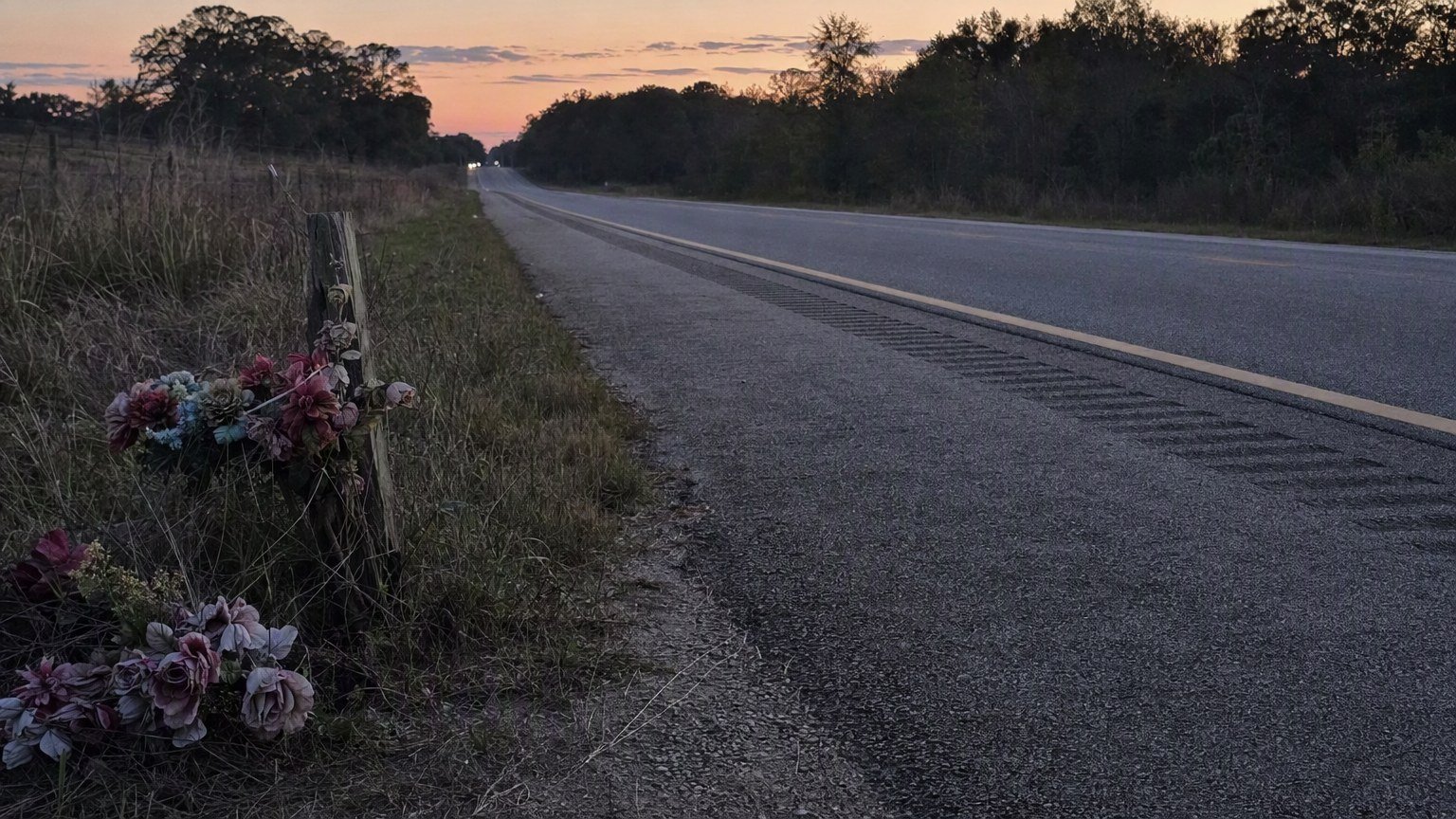
Twenty-eight years. Let that sink in for a second. Christy Dawn Myers was 20 years old when she died on the side of a Georgia highway in 1998, and for nearly three decades her family had to live with the kind of silence that eats people alive – no answers, no arrest, just a cold case file…
Twenty-eight years. Let that sink in for a second. Christy Dawn Myers was 20 years old when she died on the side of a Georgia highway in 1998, and for nearly three decades her family had to live with the kind of silence that eats people alive – no answers, no arrest, just a cold case file gathering dust somewhere in Coffee County. That silence just broke. Authorities arrested a man this week in her murder, and honestly? It’s about time.
What Actually Happened That Night
Here’s what we know, and it’s not much to go on, which is probably why this took 28 years to crack. On September 14, 1998, Myers left her home in Broxton – she lived there with her husband and their young daughter – to run out to a local store. Normal errand. The kind of thing you do a thousand times without thinking twice about it. Witnesses later told investigators they’d actually talked to her at the store that night, so we know she made it there safely.
She never made it home.
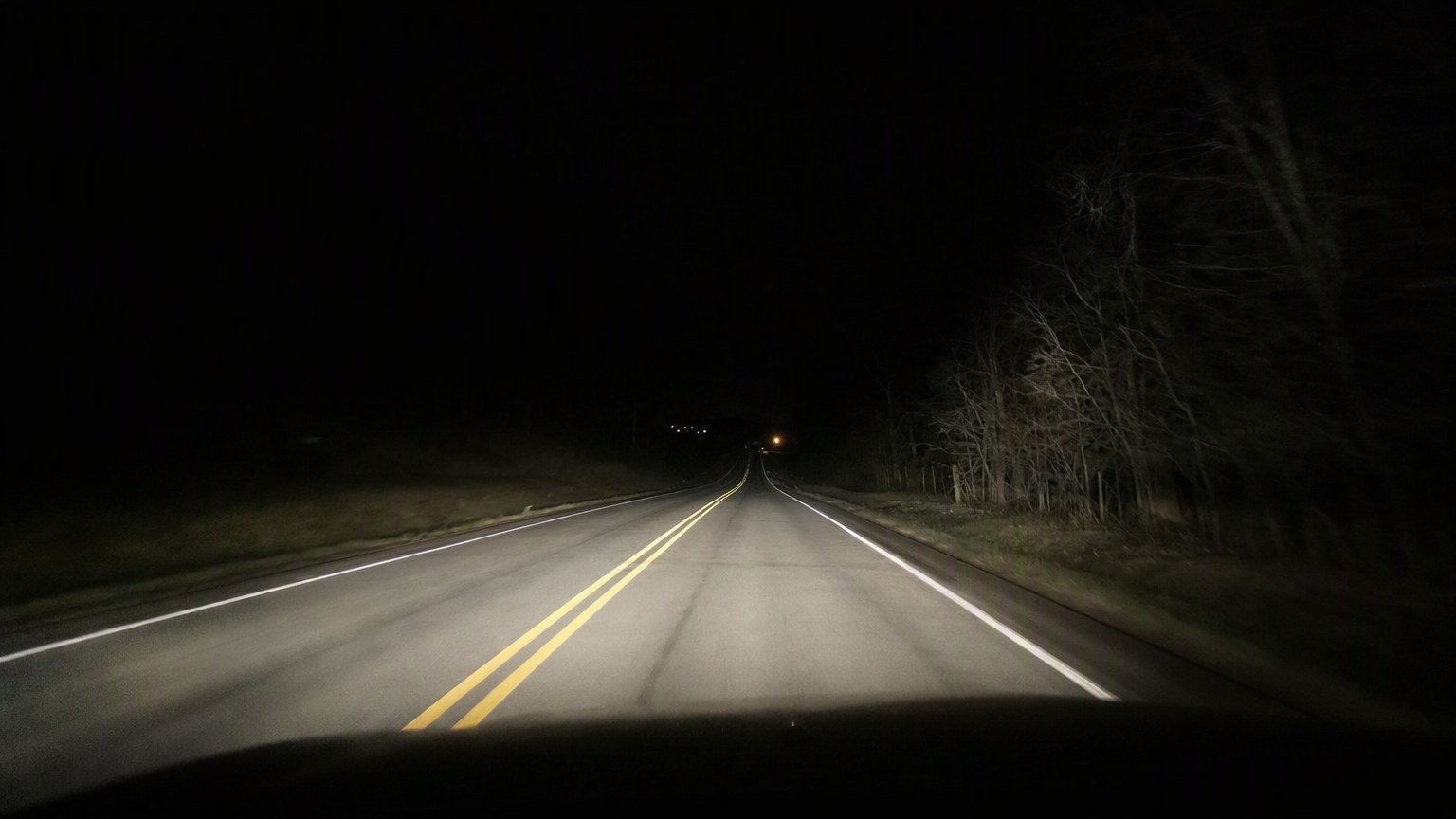
Sometime after midnight on September 15, Myers was found dead outside her car along Broxton Fitzgerald Highway. She’d been stabbed multiple times, according to the Georgia Bureau of Investigation. A young mom, out doing something completely ordinary, and somebody turned it into the worst kind of nightmare. I don’t care how many of these stories I’ve covered over the years – and I’ve covered a lot – the ones involving young parents never stop hitting different.
The Decades In Between
What happened in the 28 years between that highway and this arrest? That’s the part nobody talks about enough. Cold cases don’t stay “cold” because detectives give up and go home. They stay cold because physical evidence degrades, witnesses move or die, memories get fuzzy, and without new tips or new technology, there’s often nowhere left to go. From what I can tell, this is exactly that kind of case – one that needed time, and probably advances in forensic science, to finally crack open. Georgia's case echoes another cold case that finally broke, The Girl in Room 57, where a nameless victim waited nearly six decades for answers.
That’s not a knock on the original investigators, by the way. Sometimes the truth just takes longer to surface than anyone wants it to.
Why Did This Take So Long?
Good question. One I wish I had a cleaner answer to. The GBI’s release doesn’t spell out exactly what broke the case open after all these years – whether it was DNA, a tip, somebody finally talking after decades of staying quiet. What we do know is that an arrest finally happened, and for a family that’s been waiting since 1998, that detail probably matters a lot less than the fact that it happened at all.
Twenty-eight years is a long time to wait for someone to say your daughter’s, your sister’s, your friend’s name out loud and mean justice when they say it.
Think about what else was happening in 1998. Google didn’t even have a website version people used widely yet. DNA testing existed but nothing close to what labs can do now. A case like this, stabbing on a dark rural highway, limited witnesses, no surveillance cameras because nobody had surveillance cameras on every corner back then – it’s basically a worst-case scenario for investigators working with 1998 tools.
The Bigger Pattern Here
I’ve noticed something covering crime stories for this long – cold cases involving young women, especially mothers, especially in small towns, tend to go quiet in a way that cases in bigger cities don’t. Fewer resources, smaller departments, less media attention keeping pressure on. Broxton isn’t exactly a place most people outside Coffee County have ever heard of. And look, I’m not saying anyone did anything wrong here. I’m saying the system that’s supposed to chase these cases down often just doesn’t have the manpower or the funding to keep chasing for 28 straight years. The fact that someone kept this file alive long enough to make an arrest in 2026 says something good about whoever refused to let it die.
Cases like this one from a Georgia store back in 2010, where a woman working retail was stabbed to death and police only recently named a suspect, tell a similar story. These things don’t close because the clock runs out. They close because somebody somewhere refuses to stop asking questions. Not every case takes decades to unravel, though – sometimes, as in The Two Weeks She Can't Remember, the fog sets in almost immediately after the crime.
What This Actually Means
I’ll be honest, arrests like this always leave me with mixed feelings. There’s relief, obviously – a family finally gets a name, a face, a chance at some kind of closure, even if “closure” is a word I’ve always thought gets thrown around too easily. But there’s also this heavy feeling underneath it, because an arrest doesn’t give Christy Dawn Myers her life back. It doesn’t give her daughter the 28 years of a mother she should’ve had. It just means the waiting part is over and a different, harder part – trials, hearings, the whole legal grind – is just getting started.
What I keep coming back to is this: somebody out there knew something for nearly three decades. Maybe more than one person. That’s the part that should bother all of us. Not just that it took this long, but that it apparently didn’t have to.