

Bam Margera almost died. More than once, if we’re being honest about it. And now, at 47, the guy is talking about psychedelics and inventing new skate tricks like he’s got something to prove. Maybe he does. I’m not gonna pretend I saw this coming, because for years the Bam Margera story looked like it only had one ending, and it wasn’t a good one.
The Guy Who Should’ve Died a Few Times Over
Let’s not sugarcoat the last decade, because nobody else has either. Rehab stints that didn’t take. A public meltdown with Paramount over “Jackass Forever” that got genuinely ugly in court filings. Hospitalizations. A divorce. Stories about alcohol and cocaine that read less like celebrity gossip and more like a warning label. If you followed any of it in real time, you probably assumed – like I did – that we were just waiting for the bad news.
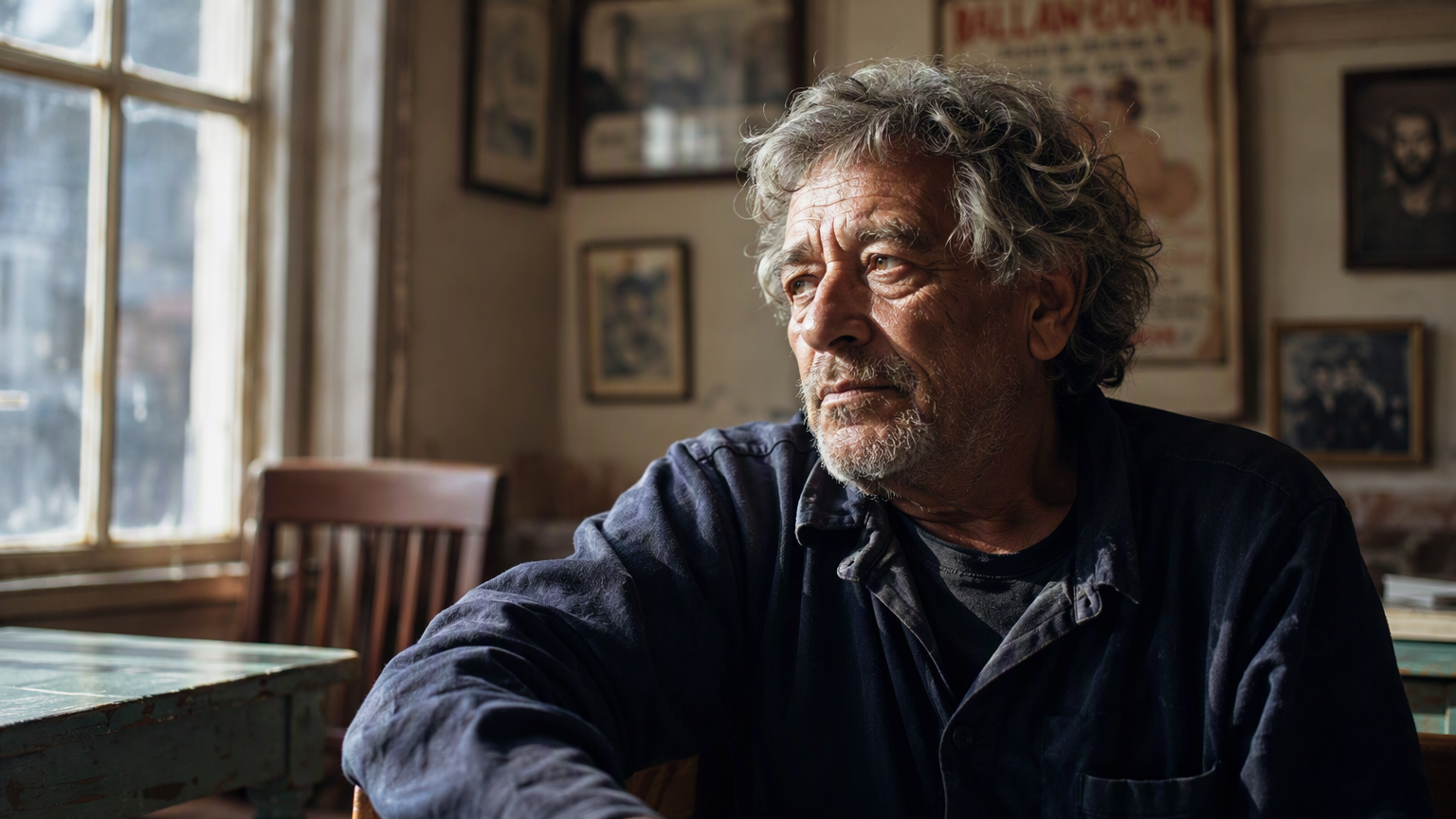
So when I saw the headlines about him being sober now, crediting psychedelics for part of the turnaround, and apparently still skating well enough to land new tricks at an age where most pro skaters have long since traded their decks for golf clubs… I’ll admit, my first reaction was skepticism. We’ve heard “I’m better now” from Bam before. Several times, actually. This isn’t his first comeback narrative, and that matters. It should matter to anyone writing about it, and it should matter to anyone reading it too.
The Psychedelic Thing
Here’s where it gets interesting, though. Psychedelic-assisted recovery isn’t some fringe idea anymore – psilocybin and ketamine therapy have real clinical research behind them now, studies out of Johns Hopkins and NYU showing legitimate promise for addiction and depression. So when Bam says mushrooms or similar substances helped him get a handle on decades of substance abuse, it’s not the “trust me bro” claim it would’ve sounded like fifteen years ago. It’s actually kind of in step with where addiction medicine is heading, which, not gonna lie, surprised me a little.
That said. Psychedelics as a recovery tool and psychedelics as a replacement vice are two very different things, and the line between them can get blurry fast, especially for someone with Bam’s history. I want to believe this is the former. The skeptic in me keeps one eyebrow raised.
Can You Reinvent Yourself at 47?
The skating part of this story is honestly the part that impresses me most, and I didn’t expect to say that. Skateboarding chews up bodies. Most guys who were ripping in the CKY videos back in the late 90s have long since blown out their knees, their backs, their ankles – skating is brutal on joints in a way that doesn’t really let up just because you got famous. Learning new tricks at 47, after everything his body has been through (the drinking alone would’ve wrecked most people’s coordination and bone density by now), is not a small thing.
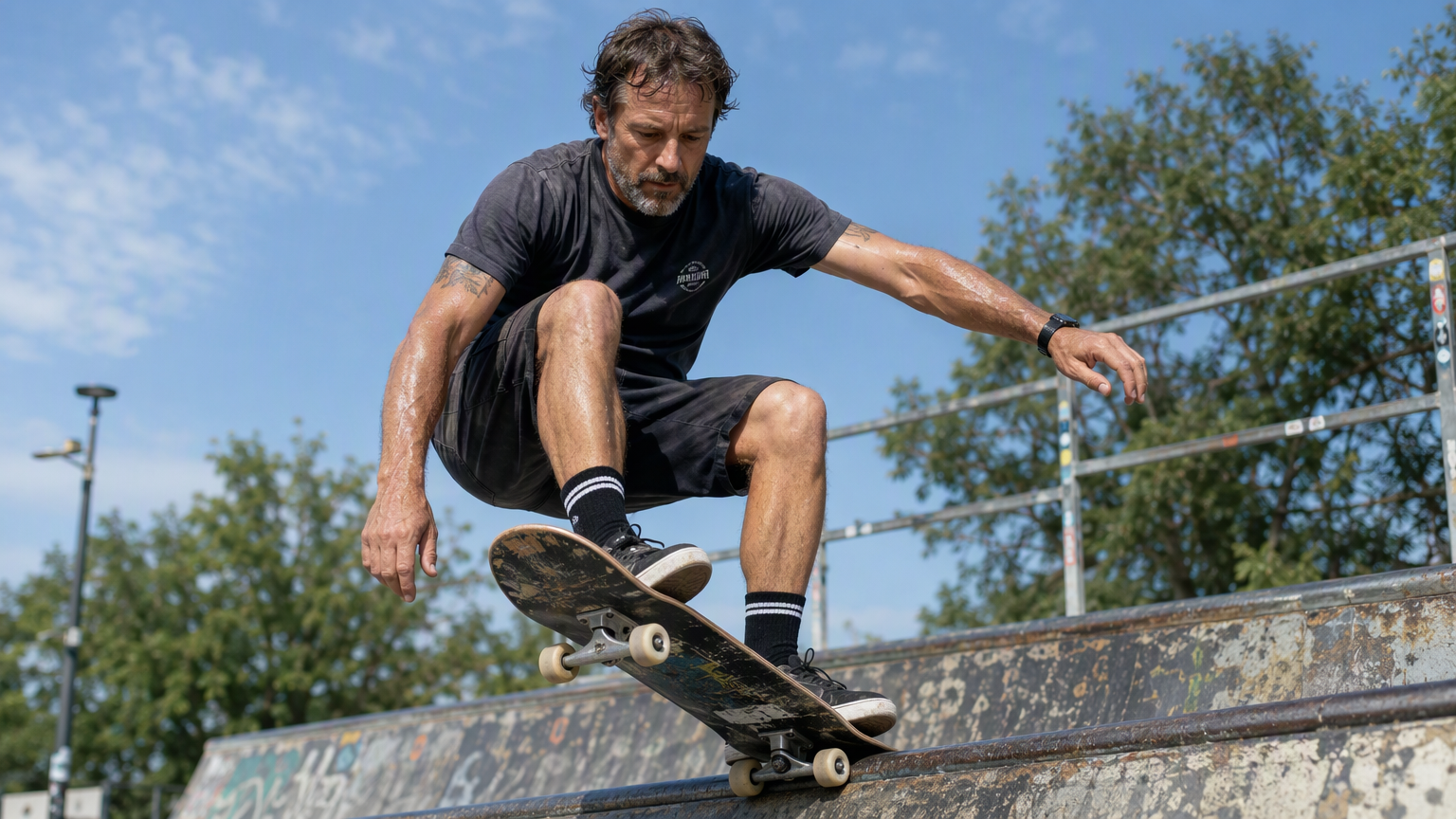
I’ve seen this pattern before with athletes who get sober later in life – there’s this weird second wind that shows up, like the body remembers what it’s capable of once you stop actively poisoning it. Tony Hawk talks about it. Mike Vallely too, in interviews over the years. It’s not magic, it’s just… biology catching a break, finally.
“I had to find something that scared me again, something that made me feel alive without needing a drink to get there,” is roughly how Bam has described it in recent interviews – and honestly, that tracks with everything we know about how he’s wired.
The Industry That Chewed Him Up
Here’s the thing nobody really wants to say out loud: Jackass and the whole extreme sports media machine around it in the early 2000s was not built for anyone’s long-term wellbeing. It glorified chaos. It made self-destruction look fun, look marketable, look like content. Bam wasn’t the only one who struggled – Ryan Dunn died in a drunk driving crash in 2011, and that should’ve been a bigger wake-up call industry-wide than it apparently was.
I say this as someone who genuinely loved that stuff as a teenager, who thought Viva La Bam was must-watch TV. Looking back now, there’s a part of that era that just… doesn’t hold up the same way, you know? The humor’s still funny in places. But the lifestyle that got sold alongside it, the drinking-as-personality-trait thing, that part aged badly. Bam basically became the living embodiment of what happens when the bit stops being a bit and becomes your actual life.
So when he talks now about being sober and intentional about his recovery, there’s a bigger story underneath it about an entire genre of entertainment that profited off people being reckless and then mostly just… moved on when those same people fell apart. Hollywood does this a lot, honestly. Not just with skaters.
What This Actually Means
I don’t think this is a victory lap story, and I’d be doing you a disservice if I wrote it like one. Addiction recovery isn’t linear, it’s not a before-and-after photo, it’s a daily thing that doesn’t care how good your last interview sounded. Bam’s been here before, said similar things before, and things fell apart before. That history doesn’t erase what’s happening now, but it should temper how we talk about it.
What I do think is real: the skating. You can’t fake landing a trick at 47 that you couldn’t land at 37. That’s just physics and footage. Whatever’s happening in his head, something in his body is working better than it has in years, and that’s worth paying attention to regardless of how you feel about psychedelics as medicine.
Here’s what I keep coming back to, though – we love a redemption arc in this country, maybe too much. We want the clean narrative where the guy who almost died finds the thing that saves him and rides off into some sober, enlightened sunset. Real life rarely cooperates with that structure. I hope Bam’s different this time. I really do. But hope isn’t the same as certainty, and anyone telling you this story is finished yet is getting ahead of the facts.