

So Justin Cooper – yeah, the kid from “Liar Liar,” the one who told Jim Carrey’s character he wished his dad couldn’t lie for 24 hours, which, let’s be honest, is the whole reason that movie works – just dropped a detail that’s been sitting with me for days. He was getting fan mail from prisoners. As an 8-year-old. Let that sink in for a second.
Wait, Prisoners Were Writing WHO?
Cooper recently opened up about his time as a kid actor, and buried in there was this genuinely unsettling nugget: inmates were sending him letters. Not his agent, not a fan club coordinator screening mail for the studio – him. An actual child. Getting actual letters from people locked up in actual prisons.
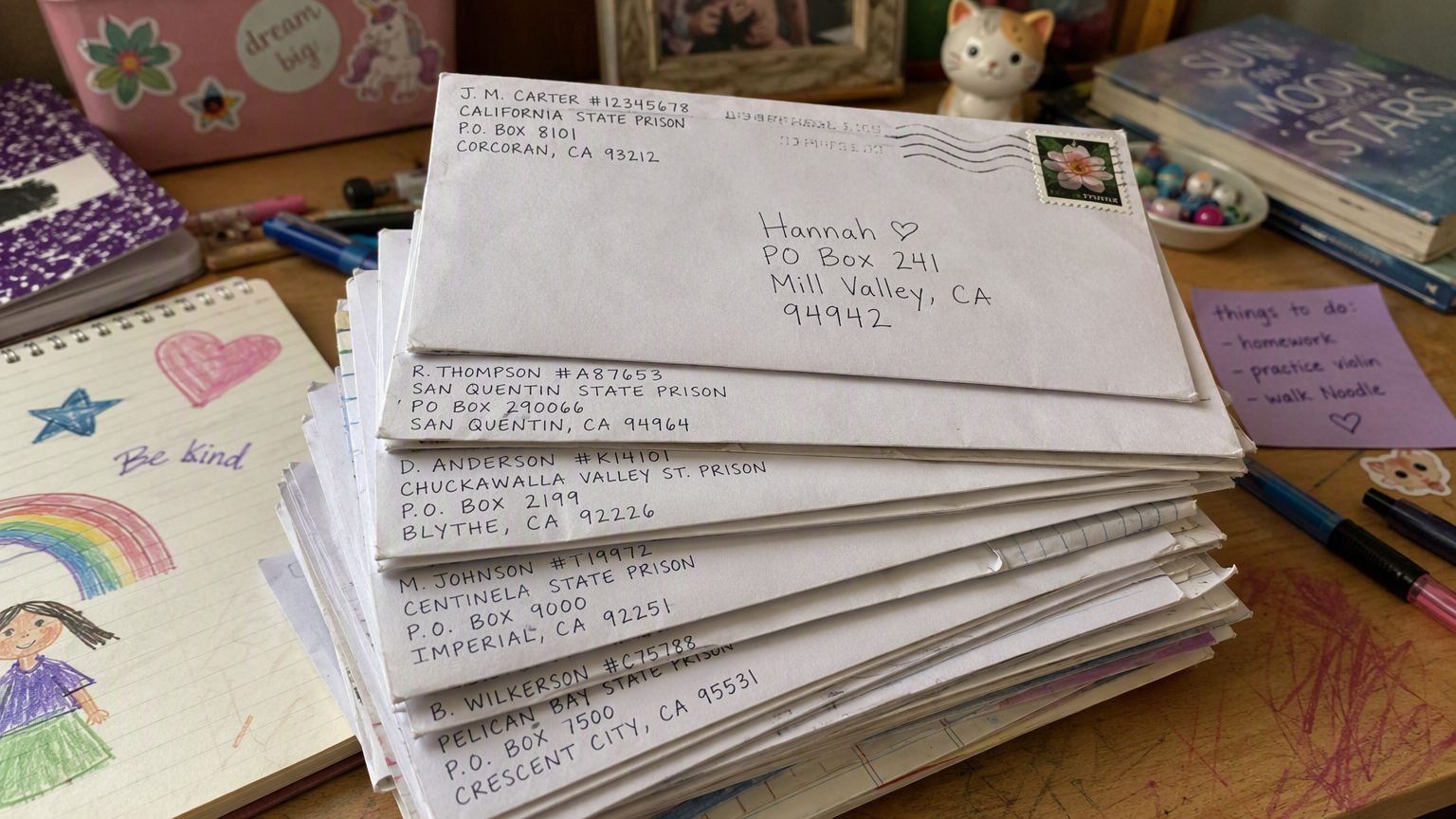
Now look, I’ve covered Hollywood weirdness for a long time, and I thought I’d heard most of the “wow, being a kid star was actually kind of messed up” stories. The parents who blew through their kids’ trust funds. The studios that worked children like tiny adults with tinier rights. The whole “coogan account” thing existing because Jackie Coogan’s mom and stepdad spent basically all his money. But mail from prisoners? That’s a new one for me, and not in a fun way.
Why Would This Even Happen?
Here’s the thing that makes this extra strange – “Liar Liar” wasn’t some edgy prestige drama. It was a broad, goofy Jim Carrey comedy from 1997 about a lawyer who can’t lie. Cooper played the son. Sweet kid, cute performance, the movie made a ton of money and everybody moved on with their lives. So why on earth were incarcerated adults writing letters to an 8-year-old who played a supporting role in a family comedy?
I don’t fully know, and honestly, from what I can tell, Cooper himself probably didn’t get a clear answer either. Fan mail in general used to just… show up. Studios and productions weren’t exactly running background checks on who was allowed to write a child actor a letter. If you knew the production company’s address or the studio’s fan mail PO box, you could send whatever you wanted. There wasn’t a filter. There wasn’t a “hey, maybe don’t forward this one” system in most cases.
This Isn’t Really About One Kid
What gets me – and this is where I have to just say it plainly – is that this points to something way bigger than one weird anecdote from one former child star doing press about his old movie. This is about an entire system that put kids in front of millions of strangers with basically zero protective infrastructure around them.

“You don’t think about it as a kid. You’re just excited people know who you are. It’s only looking back that you go, wait, that was really strange and probably not okay.”
That’s the sentiment I keep coming back to, even if I’m paraphrasing the general vibe of how these stories always get told. Kid stars, almost universally, describe this same delayed realization. In the moment, it’s exciting. Fame feels good, mail feels good, attention feels good. It’s only years later, usually once they’re adults with their own perspective (or their own kids), that they look back and go – hold on, nobody was protecting me from any of that.
The Bigger Pattern Here
I’ve seen this pattern over and over in entertainment journalism, honestly. Child actors talking decades later about stuff that, at the time, was just treated as “part of the job.” Macaulay Culkin’s dad. The Olsen twins basically raising themselves on set. Drake Bell’s recent, much heavier revelations. The through-line every single time is the same: kids were treated as commodities first and children second, and the adults around them – parents, managers, studios – just weren’t asking the right questions.

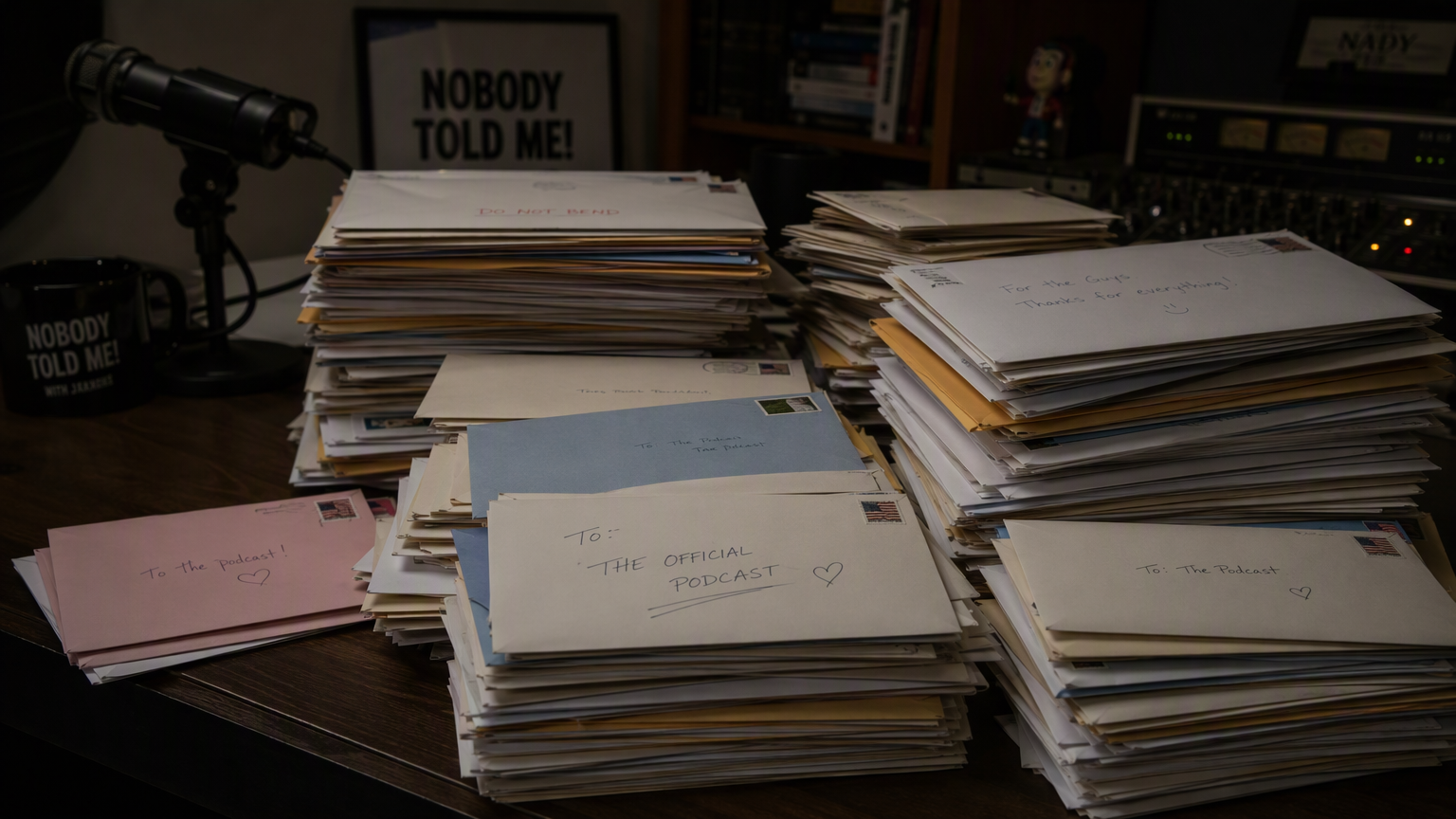
Fan mail specifically is such a weirdly overlooked corner of this whole conversation. We talk a lot about predatory contracts and exploitative work hours and stage parents siphoning off earnings. Sure, all real, all important. But nobody really talks about the mail room. Nobody talks about who’s actually reading what strangers – including, apparently, people in prison – are sending to child actors, and whether anyone with a functioning brain was vetting any of it before it landed in a kid’s hands.
Was Cooper’s team screening the letters before he saw them? Maybe. I genuinely don’t know, and I’d rather say that than pretend I do. But even if they were, the fact that this stuff was getting sent at all tells you something about how little oversight existed around the whole fan mail pipeline in the 90s. It’s not like there was a review board. It was probably just… whatever landed at the studio got forwarded along.
What This Actually Means
Look, I’m not saying Justin Cooper’s childhood was some tragic Hollywood horror story – by most accounts he seems like a well-adjusted guy who did a fun movie as a kid and has some entertaining, if slightly disturbing, stories from it now. Not everything here is a five-alarm fire. But this detail, small as it seems, is a pretty clean little window into how casually the industry used to handle child stars’ exposure to, well, everyone. Fans, strangers, and apparently people writing letters from behind bars.
The uncomfortable truth is we still don’t really know how much has changed. Studios have gotten more careful, sure, agencies have PR teams that manage this stuff now, social media has replaced a lot of the literal fan mail. But kid influencers and child content creators today are arguably even more exposed than a movie star kid in 1997 ever was, because there’s no studio middleman at all anymore. No mail room to intercept anything.
So maybe the real question isn’t “why was an 8-year-old getting letters from prisoners in 1997.” Maybe it’s whether we’ve actually built anything better since then, or if we just moved the same problem online and called it progress.