
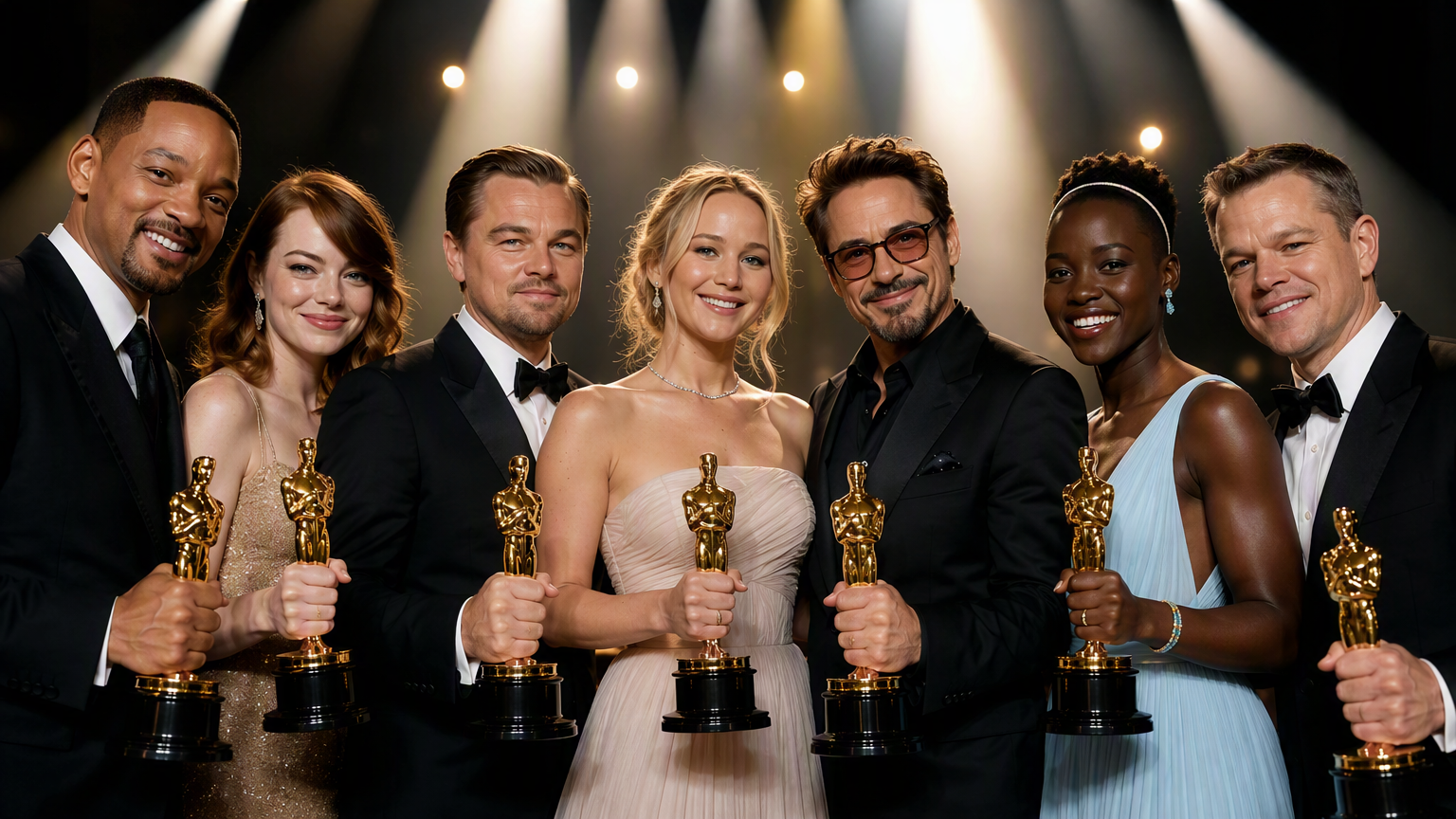
Look, I’ve been covering Hollywood for long enough to know that the red carpets, the Instagram posts, the “candid” paparazzi shots – it’s all smoke and mirrors. But here’s what actually shocked me when I started mapping out the connections: every single A-lister, from Timothée Chalamet to Zendaya to Leonardo DiCaprio, is being managed by basically the same ten people. I’m not exaggerating. Ten. Maybe fifteen if we’re being generous.
The Invisible Power Circle Nobody Talks About
You know how everyone obsesses over which celebrities are dating each other? Who’s feuding with who? We should actually be paying attention to the fact that they’re all sharing the same handlers. And I mean that literally.
Take a random sample from any major premiere or awards show. I did this last month during the Golden Globes coverage, and it was kind of wild. I started Googling who reps these people. The same PR firms kept popping up: PMK-BNC, ID, The Lede Company. Same talent agencies: CAA, WME, UTA. And don’t even get me started on stylists – if you’re not dressed by Law Roach, Karla Welch, or Jason Bolden, are you even famous?

The thing is, this creates this weird ecosystem where everyone’s packaged the same way. They’ve all got that same polished-but-not-too-polished Instagram presence. They all do the same carefully curated “day in my life” content. They all have the same talking points about “staying grounded” and “the craft.” Because they’re literally being coached by the same people.
And before you think I’m being cynical here – I actually get it. Kind of. If you’re a 23-year-old who just landed your first franchise role, you’re probably going to hire whoever represented Jennifer Lawrence through her Hunger Games era. Makes sense. But what it creates is this homogenization that’s honestly getting a little boring.
The Publicist Pipeline
Let me tell you about publicists, because they’re the real puppet masters here. A good publicist doesn’t just handle crisis management (though God knows there’s enough of that). They’re the ones deciding which magazines you’ll talk to, which questions are off-limits, what narrative we’re selling this awards season.
PMK-BNC alone reps something like half of the top 50 highest-paid actors. That’s not an official stat – they don’t exactly publish their full client list – but you can piece it together from press releases and credits. We’re talking everyone from Ben Affleck to Charlize Theron to the entire Kardashian empire (yes, they count as Hollywood royalty now, sorry not sorry).
What this means practically is that when you read a profile in Vanity Fair or watch someone on a late-night show, you’re seeing a performance that’s been workshopped by professionals who know exactly what America wants to hear. It’s authentic-ish. But it’s been focus-grouped to death.
Why Does Everyone Use The Same Five Stylists?
Okay, this one actually makes me a little nuts. You’d think with all the money and resources available to A-listers, we’d see more variety on red carpets. But no. It’s the same aesthetic over and over.
Law Roach basically dresses everyone under 40 who wants to be taken seriously as a fashion person. He’s brilliant, don’t get me wrong – the man turned Zendaya into a bonafide fashion icon. But when he’s also styling Celine Dion, Anya Taylor-Joy, Bella Hadley, and Ariana Grande, you start seeing repetition. That same structured-shoulders-meets-vintage-glamour thing. Those same risky-but-not-too-risky color choices.
“In Hollywood, who you work with matters more than what you create. Your team is your brand.”
And it’s not just about looking good. These stylists have relationships with the fashion houses. They determine who gets the Versace gown, who wears vintage Mugler, who debuts the new Valentino collection. It’s all transactional. Which means if you’re not in that inner circle, you’re probably not walking any red carpets in haute couture.
The Agency Oligopoly
Here’s where it gets really interesting, if you’re into the business side of things (and honestly, that’s where the real drama is). Three agencies – CAA, WME, and UTA – represent basically every working actor you’ve heard of. We’re talking probably 80% of all major film and TV roles going to clients of these three companies.
Now, you might be thinking, “So what? Good agencies sign good talent.” And sure. But it also means these agencies have insane leverage over studios and streaming platforms. They can package deals – here’s our director, our star, our writer, take it or leave it. And studios usually take it, because what’s the alternative? Cast unknowns?
I talked to a producer friend (off the record, obviously) who told me that sometimes casting decisions come down to which agency a studio needs to stay on good terms with. Not who’s best for the role. Not who auditioned well. Who’s repped by the agency they need for their next three projects.
That’s… not great? Like, I’m all for people working with teams they trust, but when the entire industry is controlled by 50 or 60 power players, it starts feeling less like a meritocracy and more like a members-only club.
The Trainer and Chef Effect
Quick tangent, but this applies here too. Ever notice how every celebrity who loses weight or gets in superhero shape thanks the same five trainers? Gunnar Peterson, Don Saladino, Magnus Lygdback. Or they’ve got a private chef who’s somehow working with twelve different clients simultaneously.
Even their bodies are being shaped by the same hands. Which explains why everyone kind of looks the same level of fit. That same lean-but-muscular thing. Nobody’s too bulky, nobody’s too thin (well, mostly). It’s like there’s an acceptable range, and these trainers know exactly where it is.
What This Actually Means
Look, I’m not saying there’s some grand conspiracy here. People hire who they think will do the best job, and success breeds more success. If you’re a publicist who’s navigated three of your clients through major scandals without torpedoing their careers, yeah, everyone’s gonna want to hire you.
But what it does create is this echo chamber where everyone’s getting the same advice, projecting the same image, playing by the same rules. And I think that’s why so much of celebrity culture feels kind of… samey lately? There’s less risk-taking. Fewer genuine weirdos breaking through (we miss you, young Nicolas Cage energy).
The ones who do stand out – your Aubrey Plazas, your Pedro Pascals – they’re usually people who came up outside the traditional system or who actively push back against their handlers. And not coincidentally, they’re often the most interesting people to interview or watch.
So next time you’re scrolling through red carpet photos or watching award show interviews, pay attention to the credits. Who styled them? Who reps them? I guarantee you’ll start seeing the same names over and over. And once you see it, you can’t unsee it. You’ll realize Hollywood’s A-List isn’t really that big after all. It’s more like a very exclusive group project, and they’re all working with the same tutors.