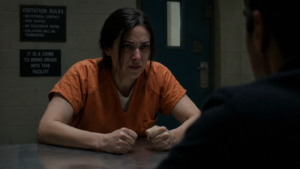
Look, I get it. You’re probably sick of true crime. I am. We all are, right? Every other streaming service is throwing another cold case, another serial killer, another harrowing tale of human depravity at us. It’s like, can we get a break? My watchlist is basically a police blotter at this point, and frankly, my therapist is starting to raise an eyebrow. But here’s the thing – and trust me, I don’t say this lightly – if you’re gonna watch one true crime doc this February, just one, you need to make it “Into the Fire: The Lost Daughter” on Netflix. Seriously. Stop scrolling, stop debating, just queue this bad boy up.
Forget Your True Crime Fatigue – This is Different
I know, I know. Another true crime docuseries, you groan. But trust me on this one. This isn’t your usual “let’s re-hash a brutal murder with grainy reenactments” kind of show. This is… deeper. It’s got layers, like a really good onion, but without the tears (well, maybe a few, but the good kind). The core of it? Cathy Terkanian. A woman who, after decades, decides she’s not going to just wonder about her biological daughter anymore. She’s going to find out what happened to her. And when I say “relentless journey,” I mean this woman is a force of nature. She’s not just looking for answers; she’s practically digging them out of the earth with her bare hands, if you know what I mean. It’s a two-part story, so you can totally binge it in one weekend, or, you know, stretch it out and savor the agony. Your call.
And yeah, the big name attached? Charlize Theron. The actress. She produced it. Now, usually, when I see a celeb’s name slapped on a doc, I’m a bit skeptical. Is it just for star power? Is it a vanity project? But honestly, from what I can tell, her involvement here feels genuine. It lends a certain gravitas, sure, but more importantly, it probably helped get this incredibly important story the platform it deserved. Because this isn’t just about a missing person; it’s about family, it’s about secrets, it’s about the very real, often painful, search for identity. And boy, does it deliver on all those fronts. Critics and audiences, for once, seem to agree – this thing got raves, and for good reason.
It’s Not Just a Story, It’s an Experience
What really sets “Into the Fire” apart, besides Cathy’s sheer determination, is its approach. They call it “sensitive,” and yeah, that’s true. It doesn’t sensationalize the pain, which is a huge pet peeve of mine with a lot of true crime. It respects the people involved. But it also has this “searing commentary.” And that’s where it really hooks you. It’s not just telling you what happened; it’s asking why things happened the way they did, and more importantly, what systems, what societal norms, what hidden truths allowed this particular story to unfold. You know? It makes you think beyond the individual tragedy and look at the bigger picture. Which, honestly, is what good journalism is supposed to do, isn’t it?
But Wait, What Does “Searing Commentary” Even Mean Here?
Okay, so when I say “searing commentary,” I’m talking about the kind of stuff that makes you sit up straight on your couch and go, “Wait, is this happening right now?” It’s not just a narrator telling you facts. It’s the way the story is framed, the questions it implicitly asks about adoption, about privacy, about the rights of biological parents versus adoptive parents, and honestly, about how women’s stories, especially those dealing with difficult life choices, have been historically silenced or judged. It’s got an edge, but it’s an edge that feels earned, not just for shock value. It’s challenging, without being preachy. A tough balance to strike, but they nail it.
“It’s not just a mystery; it’s a profound meditation on memory, identity, and the relentless pull of blood ties.”
The Real Meat: Why This Story Sticks With You
Here’s the thing. We’ve all seen docs where a family is searching for a lost loved one. It’s heartbreaking, it’s compelling. But Cathy’s story adds another layer. She’s not just a parent searching for a child; she’s a biological parent, years after the fact, trying to reconnect with a daughter she never knew. That dynamic alone is incredibly powerful. It brings up so many questions about what makes a family, what defines motherhood, and the lingering impact of decisions made under pressure or in different times. And it’s not neat. It’s messy, it’s complicated, and it’s deeply, deeply human. That’s why it resonates, I think, with so many people. It taps into something universal about connection and belonging.
And let’s be real, Netflix has put out a lot of true crime. Some are good, some are just… fine. But every now and then, one comes along that just feels different. This is one of those. It’s got that almost literary quality, where the story feels bigger than just the facts. It’s about the ripple effects of choices, the passage of time, and the unyielding hope that some people carry, even through decades of uncertainty. You know, like, you think you’ve got the true crime genre all figured out, and then something like this pops up and reminds you there are still incredible stories out there, told in ways that actually make you feel something beyond just dread.
What This Actually Means
So, yeah, if you’re looking for your next true crime obsession – and let’s be honest, you probably are, because we’re all a bit broken that way – make it “Into the Fire: The Lost Daughter.” It’s not just a docuseries; it’s an emotional journey. It’s a reminder that true crime doesn’t always have to be about monsters and mayhem. Sometimes, it’s about the quiet, persistent strength of a mother’s love, and the incredibly complex tapestry of human relationships. It’s a story that stays with you, makes you think, and honestly, makes you appreciate the power of good storytelling. Go watch it. And tell me I’m wrong. (You won’t.)