




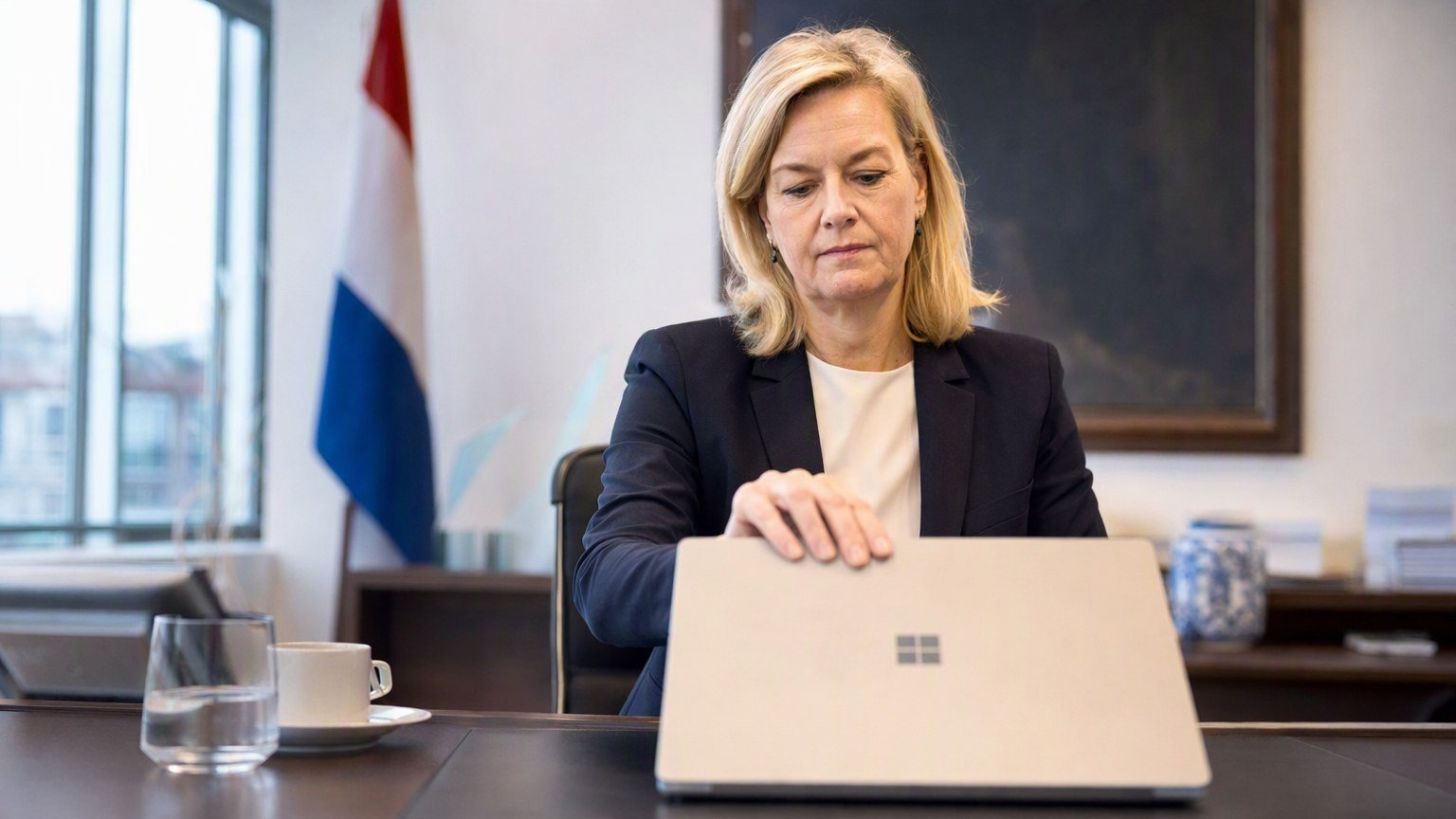
The Netherlands just told Microsoft to take a hike. And I mean really told them – the Dutch Tax and Customs Administration pulled the plug on their entire Microsoft 365 cloud rollout. Just… stopped it. Mid-deployment.
The Netherlands just told Microsoft to take a hike. And I mean really told them – the Dutch Tax and Customs Administration pulled the plug on their entire Microsoft 365 cloud rollout. Just… stopped it. Mid-deployment.
This isn’t some small regional office making a fuss. We’re talking about the tax authority of an entire country deciding that actually, no thanks, we’re good without your cloud suite.
Europe’s Had Enough of Playing Nice
Look, this has been brewing for a while now. The Linux Foundation just dropped their 2026 State of Open Source in Europe report at the Open Source Summit Europe conference, and the numbers are pretty wild. 94% of EU organizations say digital sovereignty matters to them. Not just “oh that’s nice to have” – 61% called it very important.

Thierry Carrez, who runs Linux Foundation Europe, basically said what everyone’s been thinking: “Europe has clearly heard the message on digital sovereignty.” And he’s right. The Dutch move isn’t happening in a vacuum – it’s part of this bigger wave where European governments are realizing they’ve handed way too much control to American tech companies.
The thing is, digital sovereignty sounds like bureaucratic jargon until you actually think about what it means. It means your government’s data sitting on servers you control. It means not having to check with Redmond every time you want to tweak your workflow. It means – and this is the part that probably keeps people up at night – not being subject to whatever data policies the US decides to implement next.
But What Are They Actually Moving To?
Here’s where it gets interesting (and a bit frustrating if I’m being honest). The Dutch haven’t exactly been crystal clear about their Plan B. They’ve stopped the Microsoft rollout, sure. They’re pivoting toward open source, absolutely. But the specifics? Kind of vague at the moment.
Which, look, I get it. You don’t announce your full migration strategy to the press before you’ve figured out all the details. But it does leave us in this weird limbo where we know what they’re running away from, just not exactly what they’re running toward.

The open source angle makes sense though. If digital sovereignty is your goal, you pretty much have to go open source. You can’t claim sovereignty over systems you don’t actually control, and with proprietary software, you’re always at the mercy of whoever owns it. Microsoft could change their terms tomorrow. They could raise prices. They could – theoretically – decide to pull out of certain markets. With open source, that power dynamic shifts completely.
This Is Part of Something Bigger
What’s actually happening here isn’t just about Microsoft or the Netherlands. It’s about this fundamental tension that’s been building between Europe and American tech giants for years now. GDPR was an early shot across the bow. The various antitrust cases against Google, Apple, Meta – those aren’t isolated incidents. They’re symptoms of the same underlying issue. That fundamental tension that's been building between Europe and American tech giants extends beyond cloud services – Anthropic just banned cruelty to Claude after realizing how users interact with AI reveals deeper questions about digital power dynamics.
European governments have watched their entire digital infrastructure become dependent on companies headquartered in California and Washington. And somewhere along the way, they realized that’s probably not great from a sovereignty perspective. Or a security perspective. Or really any perspective if you’re trying to maintain some degree of independence.
“Europe has clearly heard the message on digital sovereignty.”
The Dutch tax authority’s decision is significant because it’s not just talk. It’s not a policy paper or a strongly worded letter. It’s an actual government agency canceling a major contract and walking away from Microsoft. That takes guts, honestly. The switching costs alone must be enormous – not just financially, but in terms of training, compatibility issues, workflow disruption, all of it.
What This Actually Means
I think we’re watching the start of something. Not gonna lie, I’ve been covering tech long enough to know that sometimes these grand sovereignty initiatives fizzle out when people realize how much easier it is to just stick with the status quo. But this feels different.
The numbers from that Linux Foundation report suggest this isn’t just one country having second thoughts. It’s a continent-wide shift in thinking. When 94% of organizations care about digital sovereignty, that’s not a fringe movement anymore. That’s mainstream.
What happens next probably depends on how well the Dutch execution goes. If they manage to pull off this migration smoothly – if they can actually deliver comparable functionality with open source alternatives without everything catching fire – you’re going to see other countries watching closely. Taking notes. Maybe following suit.
But if it turns into a disaster? If government workers end up frustrated and productivity tanks and the whole thing becomes a cautionary tale? Well, Microsoft will sleep a lot easier.
Either way, the fact that a major European government agency is willing to try tells you something about where we are. The Microsoft 365 cloud isn’t inevitable anymore. The assumptions that underpinned the last decade of enterprise software – that everyone would just accept the SaaS model, that sovereignty concerns would stay theoretical, that alternatives couldn’t compete – those assumptions are being tested now. And the Dutch just became the test case everyone’s going to be watching.