




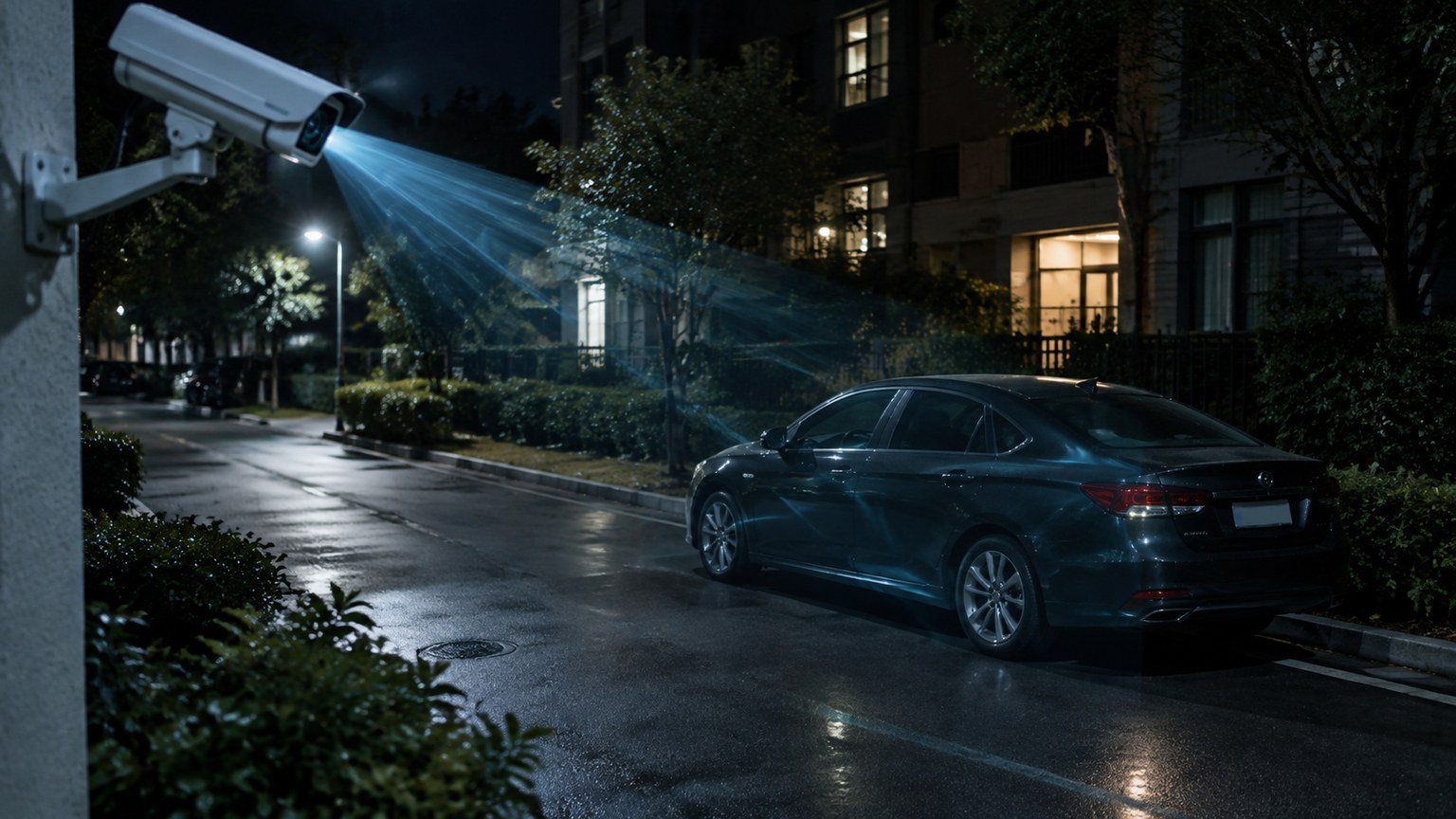
Tyler Murkerson sued the sheriff. Then, according to his lawsuit, the sheriff’s deputies spent 197 days running his license plate through Flock’s automated surveillance cameras – over and over again. No active investigation. No documented reason. Just watching.
Tyler Murkerson sued the sheriff. Then, according to his lawsuit, the sheriff’s deputies spent 197 days running his license plate through Flock’s automated surveillance cameras – over and over again. No active investigation. No documented reason. Just watching.
And now Flock Safety, the company that’s been quietly building a massive network of license plate readers across America, is getting dragged into court right alongside Coweta County Sheriff Lenn Wood and several of his employees.
How We Got Here (And Why It Matters)
Let’s back up. Murkerson’s first lawsuit – the one that apparently triggered all this – was about a 2024 arrest at a gas station. Deputies allegedly forced him to the ground, used a Taser on him, and arrested him over a seatbelt violation. On private property. Where Georgia’s seatbelt law doesn’t even apply.
The criminal charges got tossed. But Murkerson sued for civil rights violations.

That’s when things got weird. According to the new lawsuit, someone – or multiple someones – in the sheriff’s office started running Murkerson’s vehicle through Flock’s camera system. Repeatedly. For 197 days straight.
Here’s the thing that makes this particularly creepy: there was no documented investigative justification. No case file. No active warrant. Just surveillance.
What Flock Actually Does (If You’re Not Already Paranoid)
Flock Safety sells automated license plate readers to law enforcement agencies and neighborhoods across the country. The cameras capture every car that passes by, log the plate, location, and timestamp, then store it all in a searchable database.
The company’s pitch? It helps solve crimes. Someone robs a convenience store, cops can search for vehicles seen in the area around that time. Theoretically useful, right?
But – and this is a massive but – it also means law enforcement can track anyone’s movements without a warrant, without probable cause, without you ever knowing. They just plug in your plate number and boom, there’s everywhere you’ve been for the past 30 days. Or in Murkerson’s case, 197 days of targeted searches. The surveillance cuts both ways: He Spied on Cops – Then They Came Knocking when he built his own plate reader network.
The “Audit Trail” Problem
Flock’s system does keep audit logs. Every search gets recorded. Which is actually how Murkerson’s lawyers probably figured out what was happening – someone searched his plate 197 times over six and a half months, and there’s a digital paper trail.
What the system apparently doesn’t do? Stop someone from running revenge searches when you’ve pissed off the wrong cop.
Why This Lawsuit Could Get Interesting
Murkerson’s legal team is pushing for class-action status. They want to represent everyone in Georgia whose vehicles were searched by law enforcement through systems like Flock without documented investigative justification.
Think about what that means for a second. How many times have Georgia cops run plates just because they were curious? Or bored? Or wanted to check up on an ex? Or, like in this case, wanted to intimidate someone who sued them?
The lawsuit names Flock directly, not just the sheriff’s office. That’s significant. Murkerson’s lawyers are arguing that Flock has some responsibility here – that selling a surveillance tool this powerful comes with obligations to prevent abuse.
“The criminal charges against him were dismissed” – and yet the surveillance continued for more than half a year.
The Bigger Picture Nobody Wants to Talk About
Look, I’ve been covering tech and surveillance issues for years now, and this is where things always go. Every time. You build a powerful surveillance tool, you promise it’ll only be used for legitimate purposes, and then – surprise – humans with petty grievances and power trips get access to it.
Flock’s installed tens of thousands of these cameras across the US. They’re in small towns, suburbs, gated communities. The network keeps growing. And the company keeps insisting the technology is safe, that there are safeguards, that abuse is rare. One college tried to get rid of their Flock cameras entirely – They Bagged the Cameras. Flock Ripped Them Off.
But here’s what we’re learning: the safeguards only work if someone’s actually checking the audit logs and giving a damn when they find suspicious patterns. In Coweta County, apparently nobody was doing that. Or maybe they were, and they just didn’t care that deputies were harassing someone who’d sued the sheriff.
What Happens Next
The lawsuit’s still early. We don’t know yet if it’ll get class-action status or how Flock will defend itself. The company could argue it’s just a technology provider, that it can’t control how law enforcement uses its tools. That defense has worked before for tech companies.
But I’m not sure it should work here. When you’re selling mass surveillance infrastructure to police departments, when your entire business model depends on law enforcement having easy access to movement data on millions of people, you can’t just shrug and say “not our problem” when that access gets weaponized.
Tyler Murkerson sued over an unlawful arrest. Then someone – maybe multiple people – with badges decided to watch his every move for 197 days. That’s not public safety. That’s retaliation with a search bar.
And it probably won’t be the last time this happens. Not by a long shot.