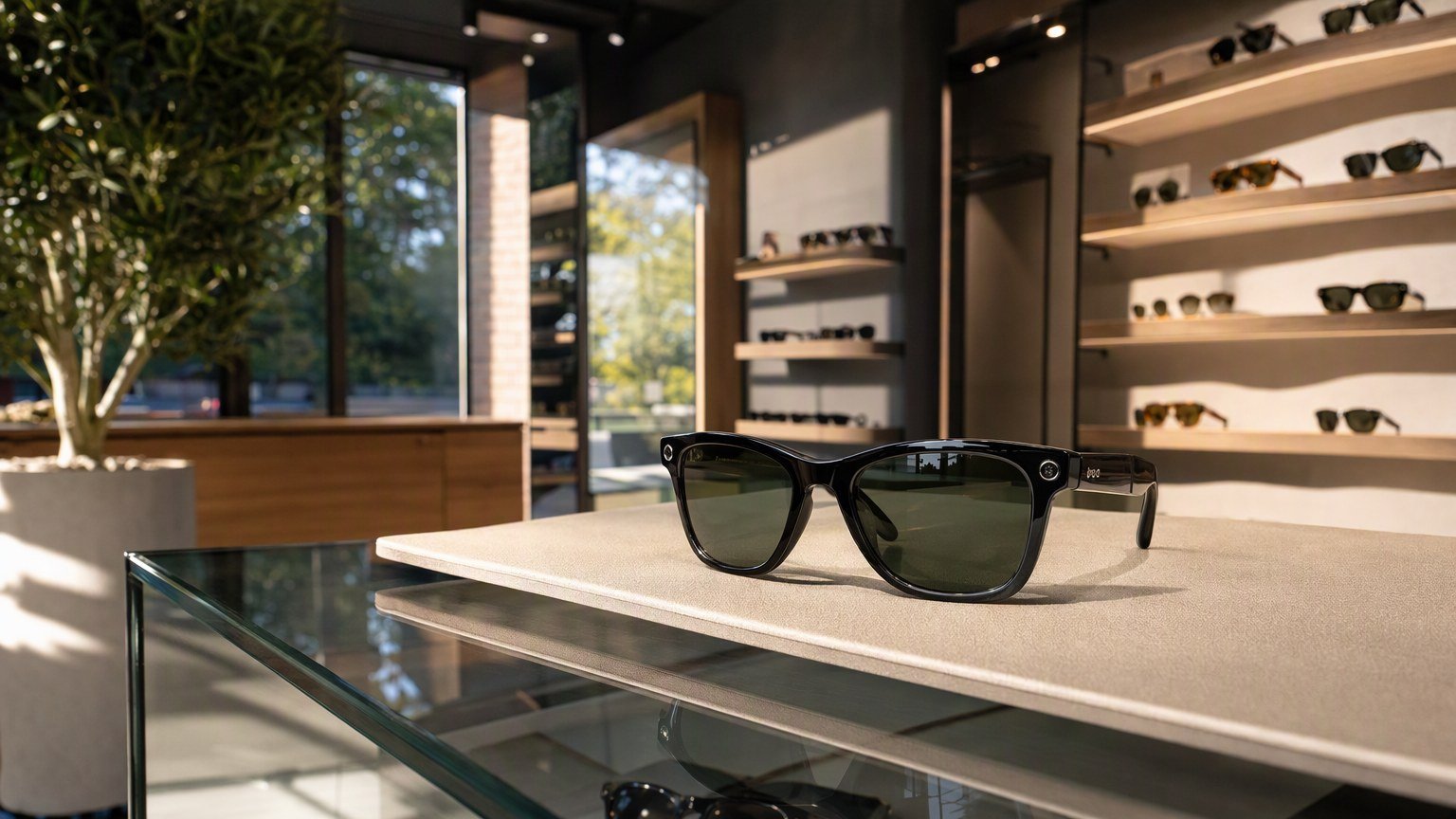
Two of the biggest retailers in the Netherlands just pulled Meta’s Ray-Ban smart glasses from their shelves, and honestly? I saw this coming from a mile away.
Two of the biggest retailers in the Netherlands just pulled Meta’s Ray-Ban smart glasses from their shelves, and honestly? I saw this coming from a mile away.
Hans Anders – that’s one of the Netherlands’ largest eyewear chains, the kind of place where actual normal people buy glasses – has suspended sales of Meta’s smart glasses in both the Netherlands and Belgium. The Dutch online retailer Wehkamp did the same thing. And it’s not because the glasses don’t work or because they’re ugly (though let’s be real, the jury’s still out on that). It’s because people are creeped out. It fits a broader pattern of the Netherlands breaking free from Microsoft and other dominant foreign tech players.
The Problem Nobody at Meta Wanted to Talk About
Here’s the thing: Meta spent years perfecting the cameras, shrinking the hardware, cramming AI into these things. They made them look more like actual Ray-Bans and less like Google Glass (remember that disaster?). But they still can’t solve the fundamental problem that makes smart glasses different from literally every other piece of tech you own.
When you pull out your phone to take a picture, everyone knows what you’re doing. There’s a social contract there. But when you’re wearing glasses with a camera built in? Nobody around you has any idea if you’re recording them, photographing them, or just… wearing glasses.
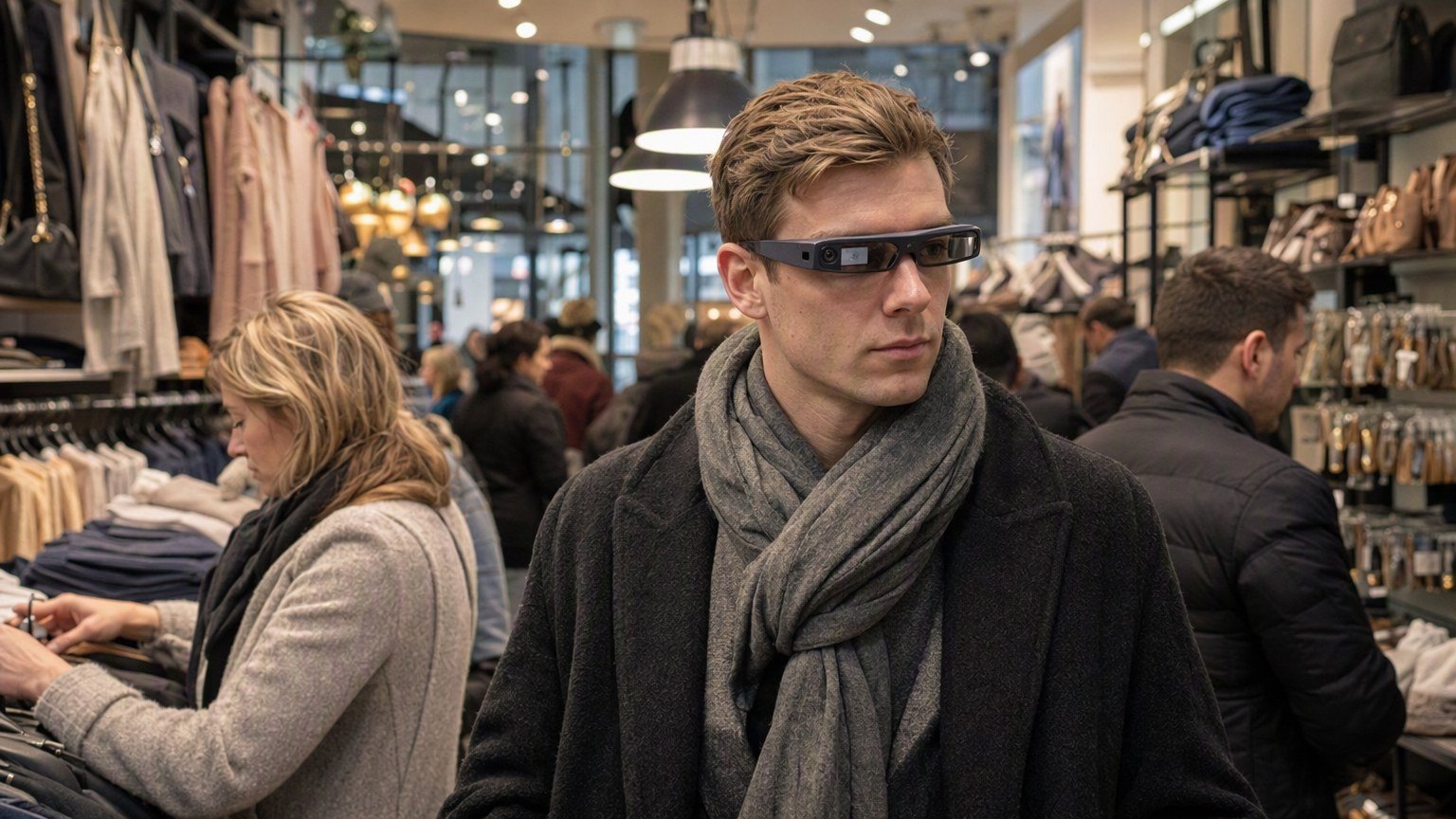
That ambiguity is the whole point for Meta – they want this to feel “natural,” they want you to capture moments “hands-free” without the awkwardness of pulling out your phone. But what feels natural to the person wearing the glasses feels invasive as hell to everyone else in the room.
And the Dutch retailers get it. They’re not just responding to some abstract privacy concern – they’re responding to actual public backlash and political pressure. Consumer groups and digital-rights organizations in the Netherlands have been calling for stronger action against these devices. When your customers are telling you they don’t want to be around this technology, continuing to sell it becomes a liability.
This Isn’t Really About Better Hardware
Meta keeps iterating on the tech side like that’s going to solve the problem. Better battery life! Smaller form factor! More seamless AI integration! But you can’t engineer your way out of a trust problem.
I mean, think about it. The promise of smart glasses is that they’re supposed to be this more intuitive way to interact with technology. You don’t have to constantly look down at your phone, you can just live your life while your glasses handle the digital stuff. Sounds great, right?

Except it only works if the people around you are cool with being part of your always-on digital ecosystem. And as it turns out, a lot of people aren’t. That same reluctance is driving Bernie Sanders' fight to ban Flock surveillance cameras in the US.
The Surveillance Question Nobody’s Answering
Look, I get that Meta added a little LED indicator that lights up when you’re recording. That’s supposed to make everyone feel better. But have you tried spotting a tiny LED on someone’s glasses in bright daylight? Or when they’re across the room? Or when you’re just trying to have a conversation and not constantly scanning their eyewear for surveillance indicators?
It’s exhausting. And the fact that Meta thought a little light would solve the privacy concerns tells you everything about how disconnected they are from normal human social dynamics.
What Makes This Different From Your Phone
Yeah, yeah, everyone’s got a smartphone with a camera. I know the argument. But there’s a massive difference between a camera you have to deliberately pull out and point at something, versus a camera that’s just always there, built into your face, recording-ready at all times.
The action of taking out your phone creates a natural checkpoint. It gives people a moment to consent or object or just be aware. Smart glasses eliminate that checkpoint entirely. They normalize constant potential surveillance in a way that smartphones never did.
And before anyone jumps in with “but security cameras are everywhere!” – yes, they are. But we didn’t choose that either, and a lot of people aren’t thrilled about it. The fact that we’ve already lost some privacy battles doesn’t mean we should just roll over for all the new ones. It's the same resignation-turned-pushback dynamic fueling Bernie Sanders' recent crusade against license plate surveillance.
This Could Kill the Whole Category
Here’s what worries me (or excites me, depending on how you feel about this tech): these Dutch retailers might just be the beginning. If smart glasses get stigmatized early – if wearing them in public becomes the social equivalent of recording everyone on your phone all the time – the technology might never recover.
Google Glass failed partly because of the “Glasshole” stigma. People who wore them in public got confronted, kicked out of bars and restaurants, mocked relentlessly online. Meta clearly learned some lessons from that (hence the Ray-Ban partnership, the subtler design), but they didn’t learn the most important one: people don’t want to be surveilled by random strangers’ eyewear, no matter how cool the tech is.
“When cameras and microphones become integrated into ordinary-looking eyewear, the debate is shifting from what the wearer can do with the technology to what everyone around them is expected to tolerate.”
What This Actually Means
I’m honestly torn on this one. Part of me thinks the technology is inevitable – someone’s going to crack the formula, make smart glasses that work socially and legally and practically. But another part of me wonders if maybe we’re asking the wrong question.
Maybe the issue isn’t how to make smart glasses acceptable. Maybe it’s whether we actually need them at all. Is being slightly more connected to our phones really worth turning every interaction into a potential surveillance moment? Is hands-free photo capture worth making everyone around you uncomfortable?
The Dutch retailers are betting no. And they might be right.
What’s clear is that Meta can’t just iterate their way past this. They can make the glasses smaller, smarter, prettier – none of that matters if people don’t trust the person wearing them. And right now, in the Netherlands at least, that trust isn’t there.