A cop sees a California license plate on an Oklahoma highway and decides that’s reason enough to follow the car. No traffic violation, no erratic driving, nothing. Just an out-of-state plate. And now, because of what happened next, a federal judge has used the words “indiscriminate mass…
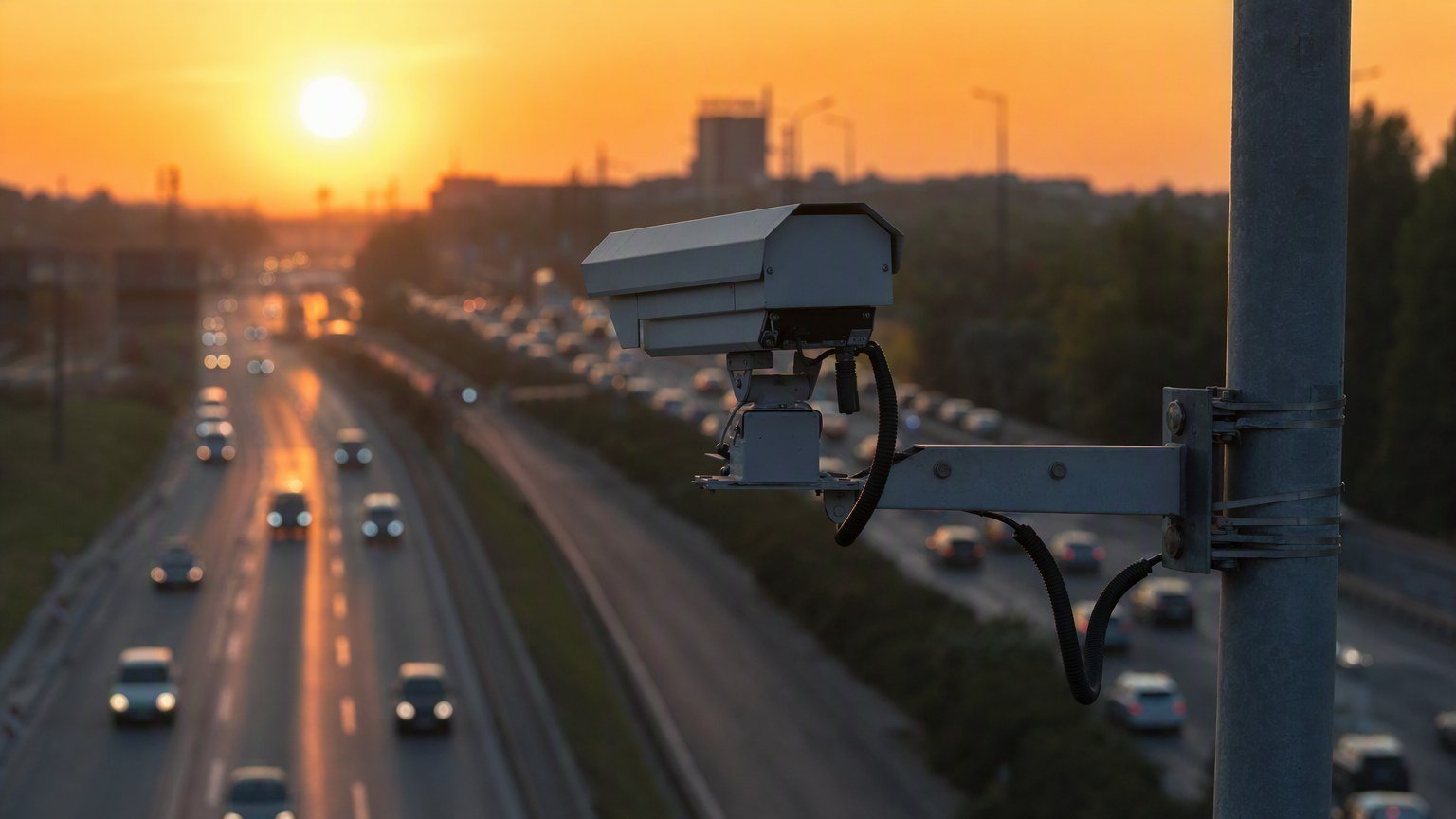
A cop sees a California license plate on an Oklahoma highway and decides that’s reason enough to follow the car. No traffic violation, no erratic driving, nothing. Just an out-of-state plate. And now, because of what happened next, a federal judge has used the words “indiscriminate mass surveillance” to describe one of the most widely deployed policing tools in the country. That’s not a phrase you see in a court ruling every day, and honestly, it shouldn’t be buried in a local Oklahoma case. This is big.
So What Actually Happened Here
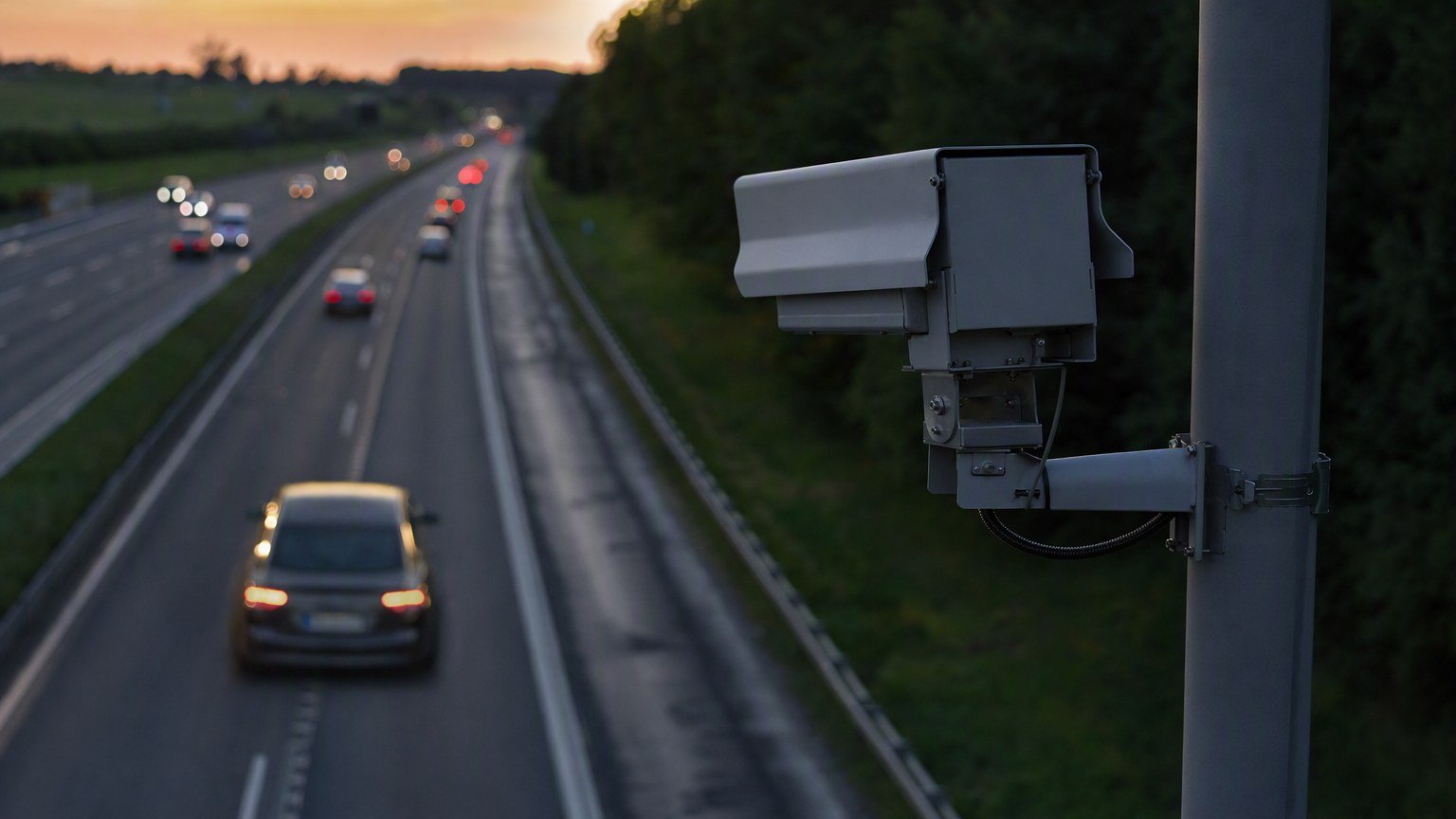
Back in May, Tulsa County Deputy Sheriff Freddie Alaniz was parked on the side of a highway, presumably watching traffic go by the way deputies do, when a car with California plates passed him. That was it. That was the whole trigger. He ran the plate through Flock’s automatic license plate reader network, and from there things snowballed into a stop and, eventually, a lawsuit challenging whether any of it was constitutional in the first place.
Here’s the thing – out-of-state plates aren’t suspicious. They’re just… plates. People drive across state lines constantly, for work, for vacation, because they moved and haven’t swapped their registration yet. Treating a California plate as inherently worth investigating is the kind of logic that, if you squint, starts to look a lot like profiling with extra steps. Judge Sara Hill apparently saw it the same way, and she didn’t mince words about it.
Why “Dragnet” Is the Word That Matters
Hill didn’t just say the search was improper. She compared it to a dragnet – a term that usually gets reserved for sweeping, suspicionless law enforcement tactics, not for one guy pulling up a database on his laptop. That comparison is the real headline here, not the specific outcome for Alaniz or the driver he stopped. Courts have mostly treated ALPR data as something closer to a license plate scan at a toll booth: fine, routine, no big deal. Hill’s ruling pushes back on that framing hard, suggesting that when you network thousands of cameras together and let any officer search months or years of travel history on a whim, you’ve built something categorically different from a cop writing down a plate number by hand.
Why This Breaks From Earlier Rulings
Prior courts, from what I can tell, have generally given Flock and similar systems a pass by leaning on old precedent that says you don’t have a privacy interest in what’s visible on a public road. Your car, your plate, driving down a public highway – no expectation of privacy there, case closed. That logic made sense back when “surveillance” meant one officer with one camera watching one spot.
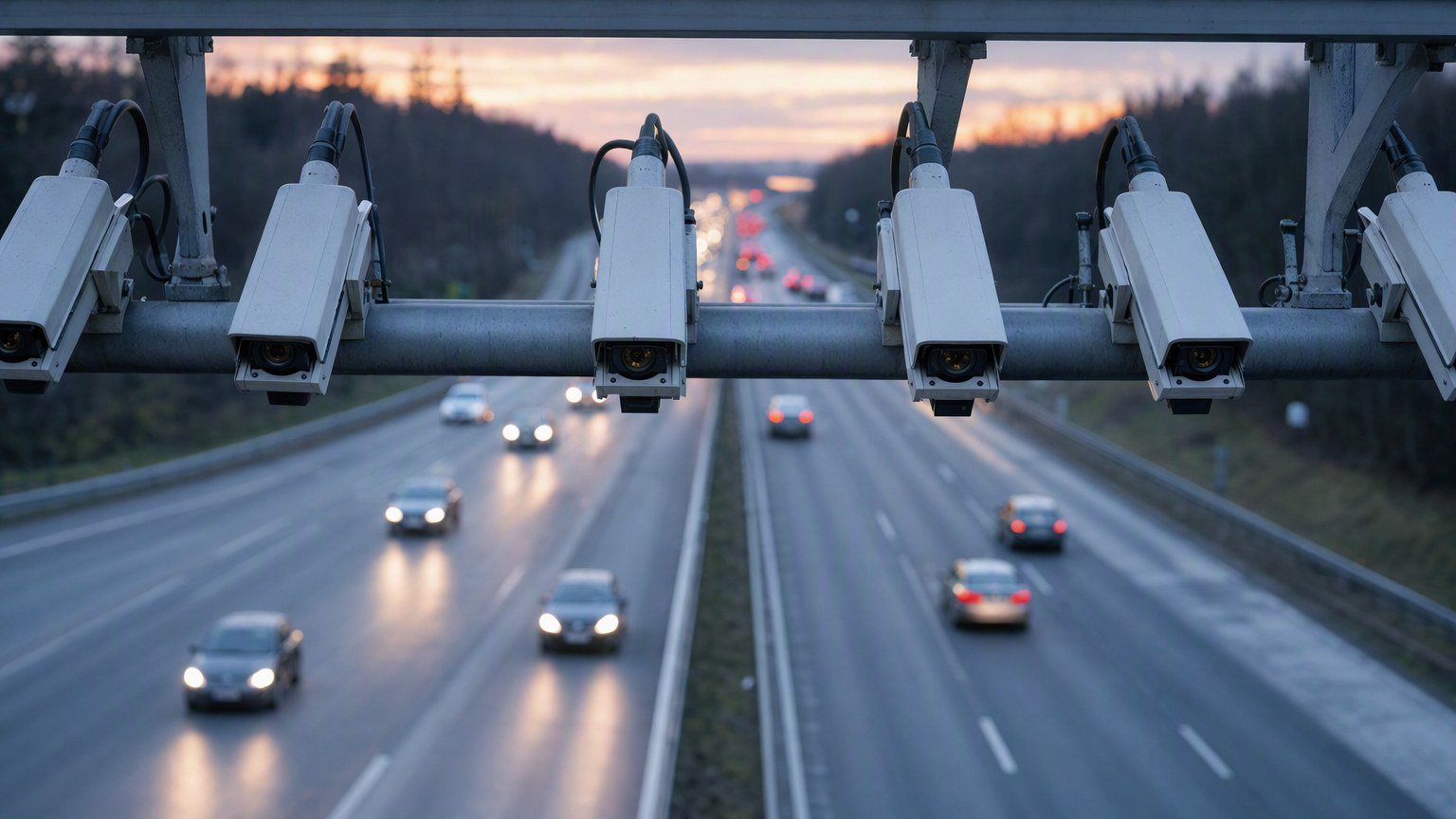
But that’s not what Flock is anymore. Flock’s network spans thousands of cities and reportedly logs billions of plate scans, stitching together a rolling record of where a car has been, when, and how often. That’s not a snapshot. That’s a timeline of someone’s life, searchable by basically any cop with login credentials. Hill’s ruling is one of the first times a federal judge has really drawn that distinction out loud, and I think she’s right to. There’s a massive difference between “a camera saw your car once” and “a database can tell anyone, instantly, every place your car has been for the last 30 days.”
“The indiscriminate mass surveillance of hundreds of thousands of individuals, with no basis for suspicion, is simply not something our Fourth Amendment jurisprudence has sanctioned,” is roughly the sentiment Hill’s ruling captures – and it’s the kind of line that tends to get quoted in a lot of future briefs.
Congress Is Finally Paying Attention
And wouldn’t you know it, the timing lines up with Alexandria Ocasio-Cortez and Bernie Sanders introducing federal legislation aimed at banning license plate readers outright. I don’t think that’s a coincidence so much as a sign that the backlash against Flock has been building for a while now – this ruling just gave it a legal hook to hang on. Communities across the country have been pushing back on these cameras for months, worried about everything from ICE access to local databases to the sheer scale of tracking that most residents never agreed to and probably don’t even know exists in their town.
Look, I’ll be honest – I’ve been skeptical of these systems since I first started seeing them pop up on neighborhood entrances a few years back, marketed as a crime-fighting tool for homeowners associations. It always felt like a classic case of selling convenience now and worrying about consequences never. Nobody really sat down and asked “wait, should literally anyone be able to search a car’s travel history going back months?” They just… built it, sold it, and plugged it into police networks nationwide. Now that it’s actually getting legal scrutiny, color me unsurprised that it’s not holding up great.
What This Actually Means
To be clear, this ruling doesn’t ban Flock. It doesn’t set binding precedent outside this one case, and plenty of courts could still look at similar facts and shrug. But rulings like this have a way of becoming ammunition – cited in briefs, referenced by other judges, picked apart by civil liberties groups building bigger cases. It’s the kind of crack in the foundation that, if enough of them show up, eventually brings the wall down. That broader backlash is exactly what's fueling the fight to ban it in Congress.
What I’ll be watching is whether other judges start adopting Hill’s framing, that distinction between a single camera and a networked surveillance system that lets anyone search anyone’s movements without so much as reasonable suspicion. If that language catches on, Flock and companies like Axon have a real problem on their hands, legislation or not. And if Congress actually manages to pass something limiting ALPRs nationally – which, given how split Congress is on basically everything, I wouldn’t bet the house on – this ruling will probably be remembered as the moment the tide started turning. Either way, “because the plate looked out of place” is a pretty flimsy reason to track somebody’s life, and it’s about time a judge said so out loud. Lawmakers like Bernie Sanders have already declared war on license plate surveillance on the legislative front.