





Susan Collins got a lot of money from Lockheed Martin right when the defense contractor really, really needed her to stay quiet. And honestly? The timing is almost insulting in how obvious it is.
Susan Collins got a lot of money from Lockheed Martin right when the defense contractor really, really needed her to stay quiet. And honestly? The timing is almost insulting in how obvious it is.
When Things Started Going Sideways
Look, the F-35 has been a disaster for years now – we all know this. But May 2023 was particularly rough. The Pentagon’s fighter jet program, already a decade late and something like $200 billion over budget (let that sink in), was facing yet another crisis. The Government Accountability Office dropped a report that basically said: hey, this whole thing is a mess and you’re hiding how much of a mess it actually is.
The GAO wasn’t pulling punches. They called out the Pentagon for bundling engine upgrades and cooling system fixes into the regular purchase orders, which – surprise – makes it way harder for Congress to see where all the money’s actually going. And they went after Lockheed Martin directly for failing to deliver the jets on time. Again.
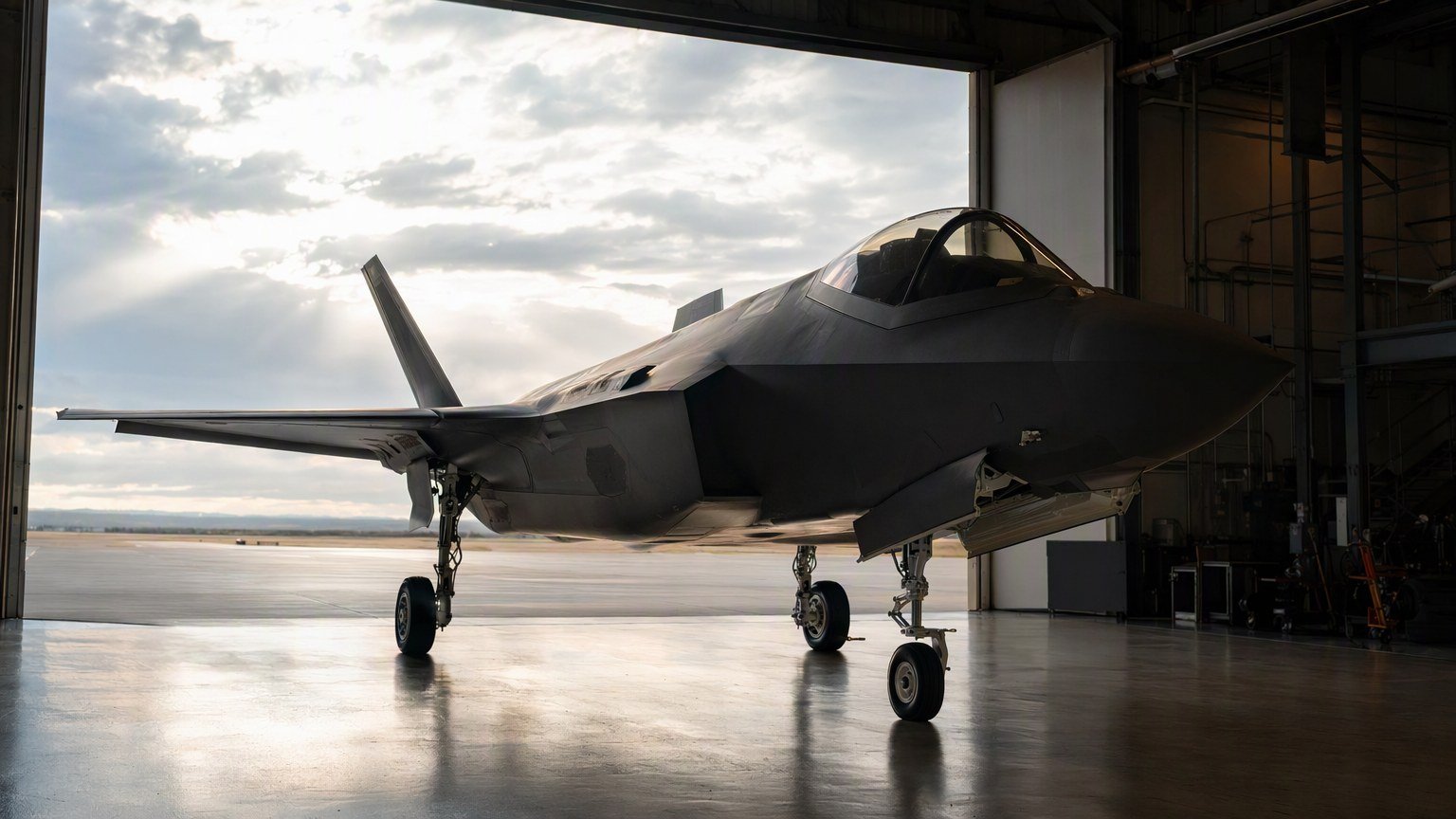
For Lockheed, the timing couldn’t have been worse. Congress was about to debate the Pentagon’s budget in a few weeks. This is when decisions get made about which programs get funded and which ones get scrutinized. Or killed.
Enter the Cash
So here’s where it gets interesting. During a two-month window around that damning GAO report, Collins – who sits on the Appropriations Committee, by the way, which means she literally helps decide how much money these programs get – received tens of thousands of dollars from Lockheed Martin.
Tens of thousands. In two months. Right when the F-35 program needed friends in Congress.
I mean, I’ve covered campaign finance for fifteen years and I’m still amazed when it’s this transparent. It’s not even subtle anymore. The defense industry has basically given up on pretending these aren’t transactional relationships.
This Isn’t New, But It’s Getting Worse
Collins has always been cozy with defense contractors – Maine’s got Bath Iron Works and a bunch of military infrastructure, so there’s a built-in excuse. But the F-35 program isn’t based in Maine. This isn’t about protecting local jobs. This is about one of the most expensive, most troubled military programs in American history buying access to a senator who can keep the money flowing.

And here’s the thing that really drives me nuts: it works. Because we’re so numb to this stuff now that a story about a senator taking contractor money during a critical reporting period barely registers as scandal anymore. It’s just… how things work.
The F-35’s Very Expensive Problems
Let’s zoom out for a second. The F-35 was supposed to be this revolutionary multi-role fighter that could do everything. Instead, it’s become a case study in how defense procurement is completely broken.
Nearly $200 billion over the original estimate. A decade late. Persistent technical problems. The GAO report from 2023 was just the latest in a long line of “hey, this isn’t working” warnings that Congress has mostly ignored. Why? Well, probably because Lockheed and its subcontractors have strategically spread F-35 work across nearly every congressional district in America. It’s basically too big to fail now, except it’s also too big to succeed.
The plane still has cooling issues. The engine upgrades that were supposed to fix things keep getting delayed. Maintenance costs are through the roof. But Congress keeps writing checks because – and I’m just speculating here – defense contractors keep writing checks to Congress. And if you think defense contractors are the only ones running sketchy operations right under Congress's nose, wait till you hear about The North Korean Laptop Farm Hiding in Texas.
“The Pentagon is limiting congressional insight into cost increases by conflating upgrades with regular purchases.”
That’s from the GAO report, and it’s Washington-speak for “they’re hiding the real costs from you.” And when watchdogs say that kind of thing, you’d think Congress would get mad and demand answers. Instead, key senators get campaign contributions.
What This Actually Means
I’m not naive enough to think campaign finance reform is coming anytime soon. But what bothers me about cases like this isn’t just the corruption – it’s the waste. We’re talking about a weapons system that’s eating up resources while still not working properly, and the people who are supposed to provide oversight are financially incentivized to look the other way. Speaking of wasteful corporate spending while pretending everything's fine, The $7.5M Ballroom Nobody Asked For is another masterclass in priorities.
Collins will probably win her next election (she always does). Lockheed will keep getting contracts. The F-35 will remain over budget and behind schedule. And in a few years, there’ll be another GAO report saying basically the same thing, followed by another round of carefully timed donations.
The cycle’s pretty clear at this point. What’s less clear is whether anyone with the power to break it actually wants to.