



Danny Brooks just wanted a chicken sandwich. That’s it. Three hours on the road, electrician work waiting in Lafayette, Indiana, and his stomach’s growling. So he does what millions of Americans do every week – pulls into a Chick-fil-A, orders the original with fries, and figures he’ll be back…
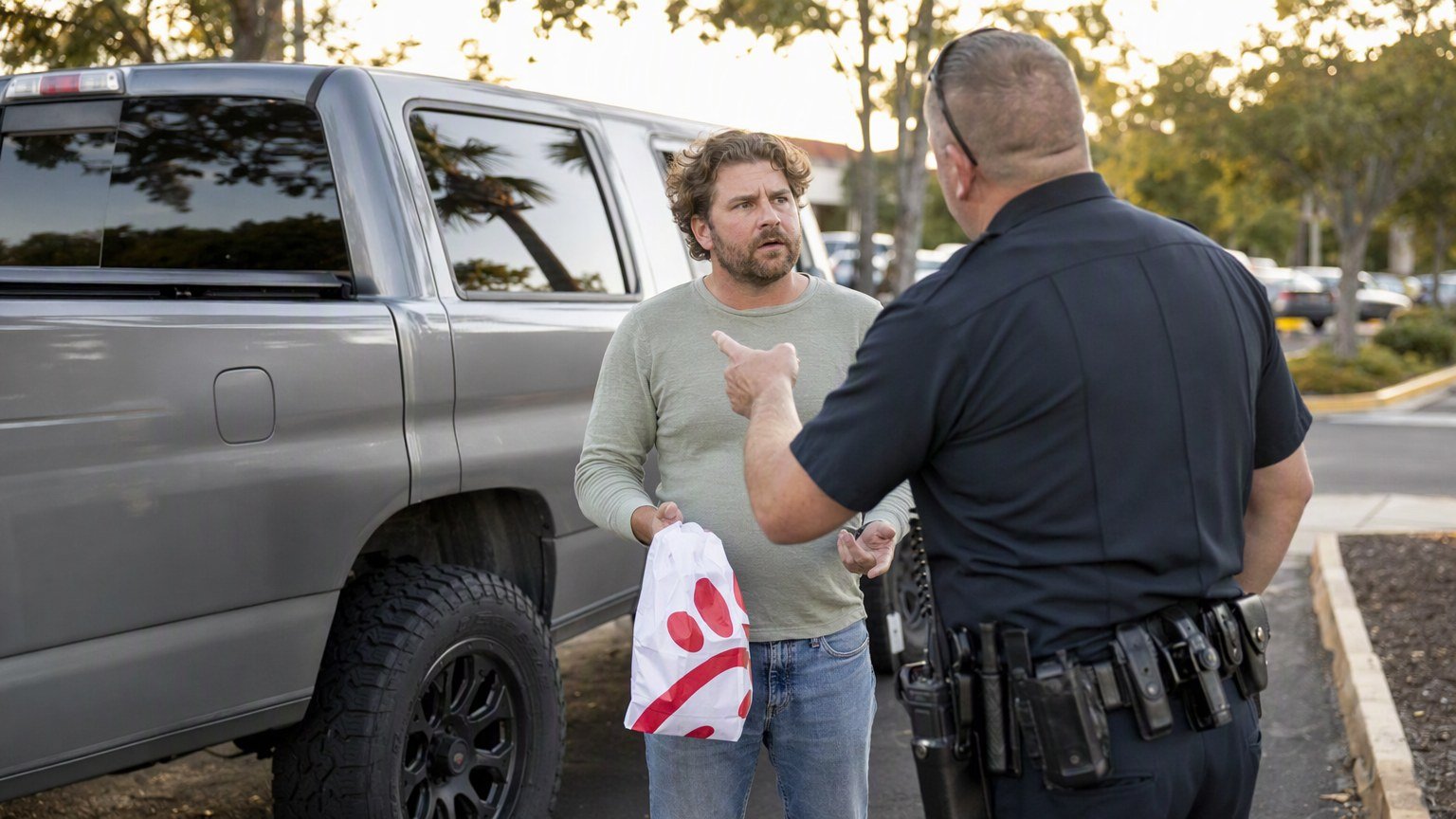
Danny Brooks just wanted a chicken sandwich. That’s it. Three hours on the road, electrician work waiting in Lafayette, Indiana, and his stomach’s growling. So he does what millions of Americans do every week – pulls into a Chick-fil-A, orders the original with fries, and figures he’ll be back on the highway in fifteen minutes.
He didn’t make it.
What happened next is one of those stories that sounds almost too absurd to be real, but here we are. Brooks ended up in a confrontation with police at that Chick-fil-A. Over a chicken sandwich. And before you roll your eyes and assume this is just another Karen-at-the-drive-thru situation, hold on – because this one’s different, and honestly, kind of alarming.
When Fast Food Becomes a Trap
Here’s the thing about Chick-fil-A locations – they’ve become these weird honeypots for law enforcement in some areas. I’m not saying that’s what happened here definitively, but the pattern’s been emerging for a while now. Busy parking lots, steady foot traffic, people coming and going at all hours. It’s basically a surveillance dream if you’re looking to run plates or spot someone with a warrant.
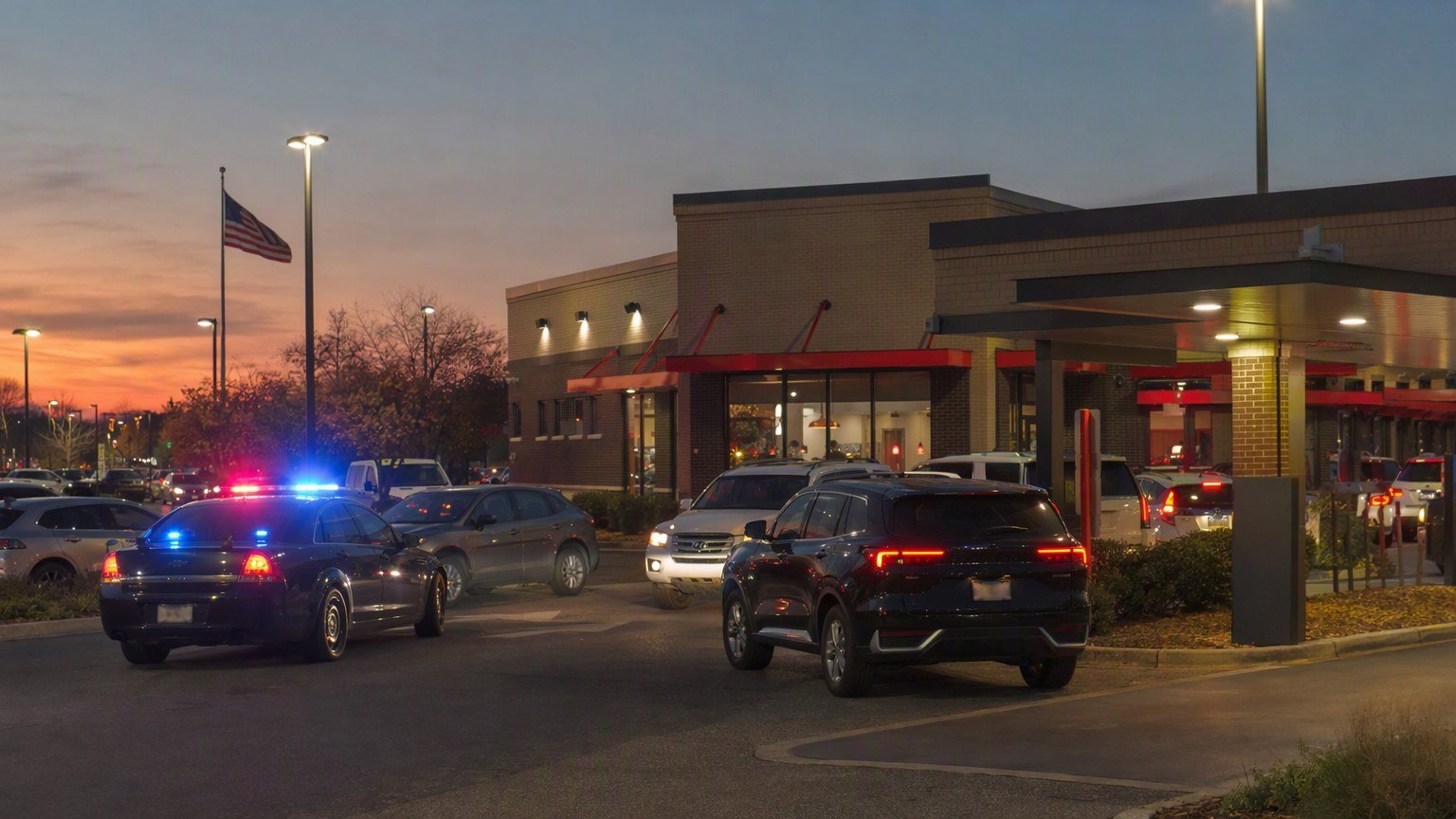
Brooks wasn’t doing anything wrong. Let me repeat that because it matters. The guy was hungry, stopped for food, and somehow ended up dealing with cops. The details of exactly how this escalated aren’t entirely clear yet, but what we do know is that a routine food stop turned into something that required police involvement. And that should bother you.
Because look, I get it. Police have jobs to do. Public safety, catching people with outstanding warrants, all of that. But there’s something deeply weird about the fact that grabbing a chicken sandwich can put you in a situation where you’re suddenly explaining yourself to law enforcement. It feels less like protecting and serving and more like… I don’t know, fishing?
The Lafayette Question
Lafayette’s not some crime-ridden hellscape. It’s a college town (Purdue’s right there), about 70,000 people, pretty typical Midwest city. So why is a Chick-fil-A turning into a confrontation zone? Was Brooks profiled? Did someone call the cops on him for some bullshit reason? Did police just happen to be there and decided to engage?
Those questions matter. A lot.
Why This Keeps Happening
Fast food restaurants have become these strange third spaces in American life – not quite public, not quite private. And increasingly, they’re being treated as extensions of the surveillance state. I’ve been covering stories like this for years now, and the frequency is accelerating. The Ghost Workers: Inside the FBI's Laptop Farm Raid shows how law enforcement is increasingly focused on everyday commercial spaces as sites of investigation.
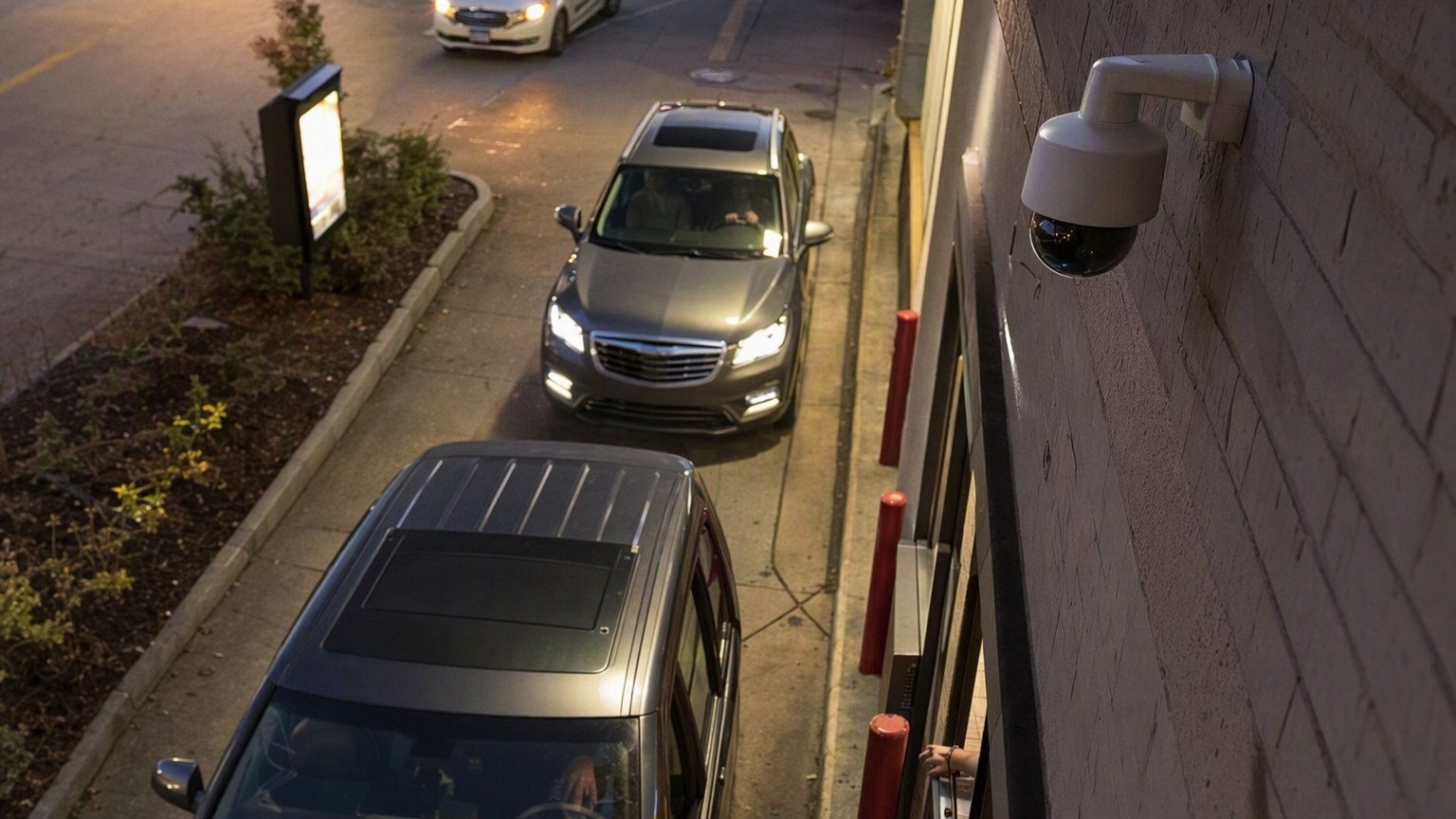
Part of it’s practical. These places have cameras everywhere. Corporate loves data, and that means recording everything. Which, fine, that’s private business doing private business things. But when that infrastructure becomes a tool for law enforcement – sometimes without warrants, sometimes through “partnerships” that nobody voted on – we’ve crossed into different territory.
And Chick-fil-A specifically has this reputation for being almost aggressively well-run. Clean stores, polite staff, efficient service. Which also means they tend to call the cops fast if anything seems off. Not always a bad thing! But it does create an environment where minor situations can escalate really, really quickly.
“I was just trying to eat lunch and get back to work. That’s all I wanted to do.”
That’s the part that gets me. Brooks drove three hours for a job. He’s an electrician – skilled trade, honest work. He stopped for food. And somehow that became a police matter. The mundanity of it is what makes it so unsettling. Because if it can happen to him, it can happen to anyone.
The Bigger Pattern Nobody Wants to Talk About
This isn’t just about one guy at one Chick-fil-A. It’s about how we’ve normalized a level of law enforcement presence in everyday spaces that would’ve seemed insane twenty years ago. You can’t pump gas, grab food, or sit in your car in a parking lot without potentially triggering some kind of interaction with police. ICE's $100M Plan to Spy on American Cities is just the latest example of how surveillance infrastructure keeps expanding into places we used to consider routine.
And before anyone jumps in with “well if you’ve got nothing to hide” – stop. That’s not how rights work. That’s not how any of this is supposed to work. The baseline assumption should be that citizens can move through public spaces and commercial establishments without surveillance or interference unless there’s actual probable cause. Not hunches. Not “something seemed off.” Actual cause.
But we’ve drifted so far from that standard that stories like Brooks’ barely register anymore. Oh, another person hassled while getting food? Yeah, that’s just Tuesday now. Except it shouldn’t be.
What This Actually Means
I don’t know how Brooks’ situation resolved. I don’t know if charges were filed, if he missed his job, if he’ll ever feel comfortable stopping at a Chick-fil-A again. Those details will probably come out eventually, or maybe they won’t. Sometimes these stories just fade.
But here’s what sticks with me – the randomness of it. The fact that doing something as normal as getting a chicken sandwich can put you in a situation where you’re suddenly on the defensive, explaining yourself, possibly having your day (or week, or life) derailed. That’s not freedom. That’s not what we signed up for.
And until we start pushing back on this kind of casual law enforcement creep into every corner of daily life, it’s only going to get worse. More cameras, more data sharing, more “partnerships” between corporations and police, more situations where ordinary people find themselves in the flock trap.
Brooks just wanted lunch. He should’ve gotten lunch. That’s the whole story, or at least, that’s what the story should’ve been.