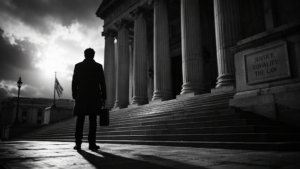
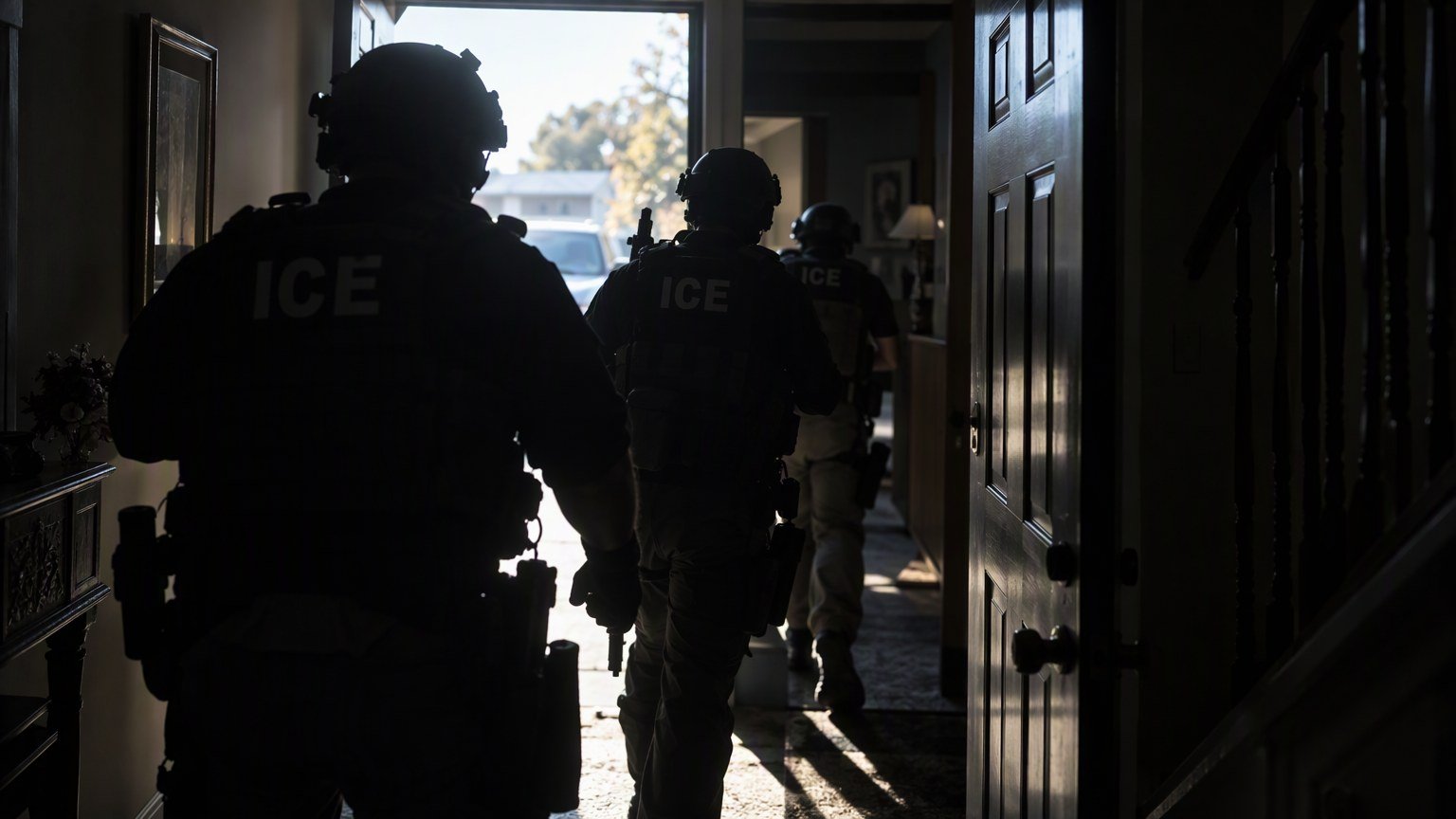
There’s this moment in They’re Here – maybe three minutes in – where you realize you’re not watching a documentary about immigration policy. You’re watching a horror film. And the monster isn’t some CGI creature or masked slasher. It’s ICE officers moving through Minneapolis like an occupying…
There’s this moment in They’re Here – maybe three minutes in – where you realize you’re not watching a documentary about immigration policy. You’re watching a horror film. And the monster isn’t some CGI creature or masked slasher. It’s ICE officers moving through Minneapolis like an occupying force, and the terror is real.
Laura Poitras and Rachel Lauren Mueller made a 24-minute film that plays by horror movie rules. They shot it during Operation Metro Surge – that’s what the Trump administration actually called it, like some kind of video game mission – when the Department of Homeland Security flooded the Twin Cities last winter with one goal: remove the Somali immigrant population and shake up the city’s progressive politics. The film premiered at the New York Film Festival, and honestly, it’s more unsettling than most actual horror movies I’ve seen.
When Your Neighborhood Becomes the Set
“This is my neighborhood. It was my community. It was very clear to me what my role in this moment would be,” Mueller said. She lives in Minneapolis. This wasn’t some abstract policy story happening somewhere else – it was happening outside her door.
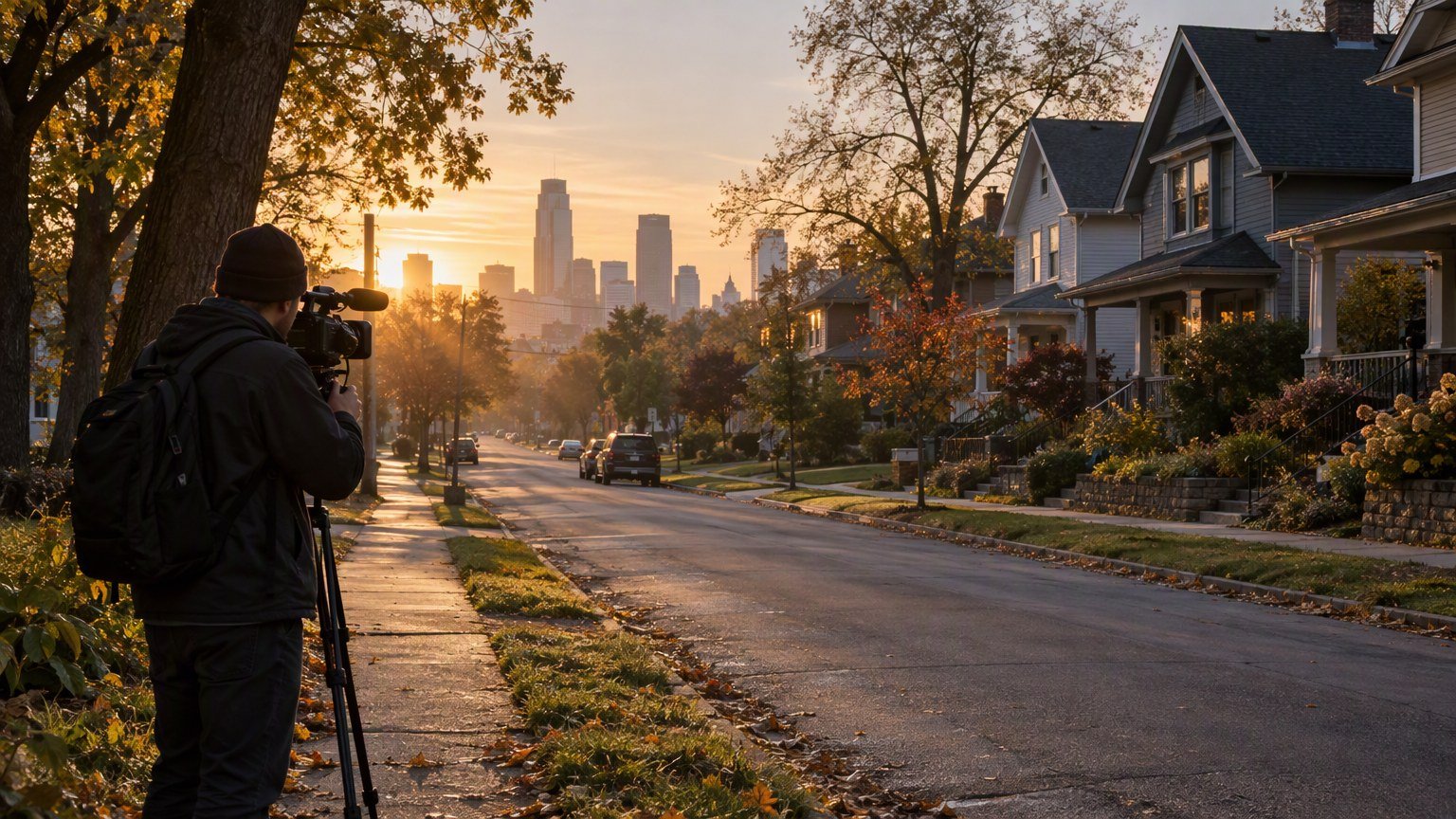
And here’s the thing about making a documentary when federal agents are essentially conducting raids in your backyard: you don’t have the luxury of being detached. Mueller’s a film-maker and journalist, but she’s also a resident watching her community get torn apart over three winter months. That dual perspective – insider and documentarian – gives the film this visceral quality that’s hard to shake.
Poitras, who won an Academy Award (you might know her work on Edward Snowden), brings the technical chops. But Mueller brings the rage. The fear. The what-the-hell-is-happening-here energy that makes this thing work.
Horror Movies Have Always Been Political (We Just Pretended They Weren’t)
Look, Get Out wasn’t subtle. The Texas Chainsaw Massacre was about Vietnam-era violence and economic collapse. The Purge is basically eating-the-rich wish fulfillment dressed up as home invasion. Horror has always been where film-makers sneak in the stuff that’s too uncomfortable to say directly.
But They’re Here flips it. It’s a documentary using horror language – the framing, the pacing, the dread – to make you feel what it was like to be targeted by your own government. “We’re trying to put the audience in a position of terror,” the film-makers said. Not to entertain. To implicate.
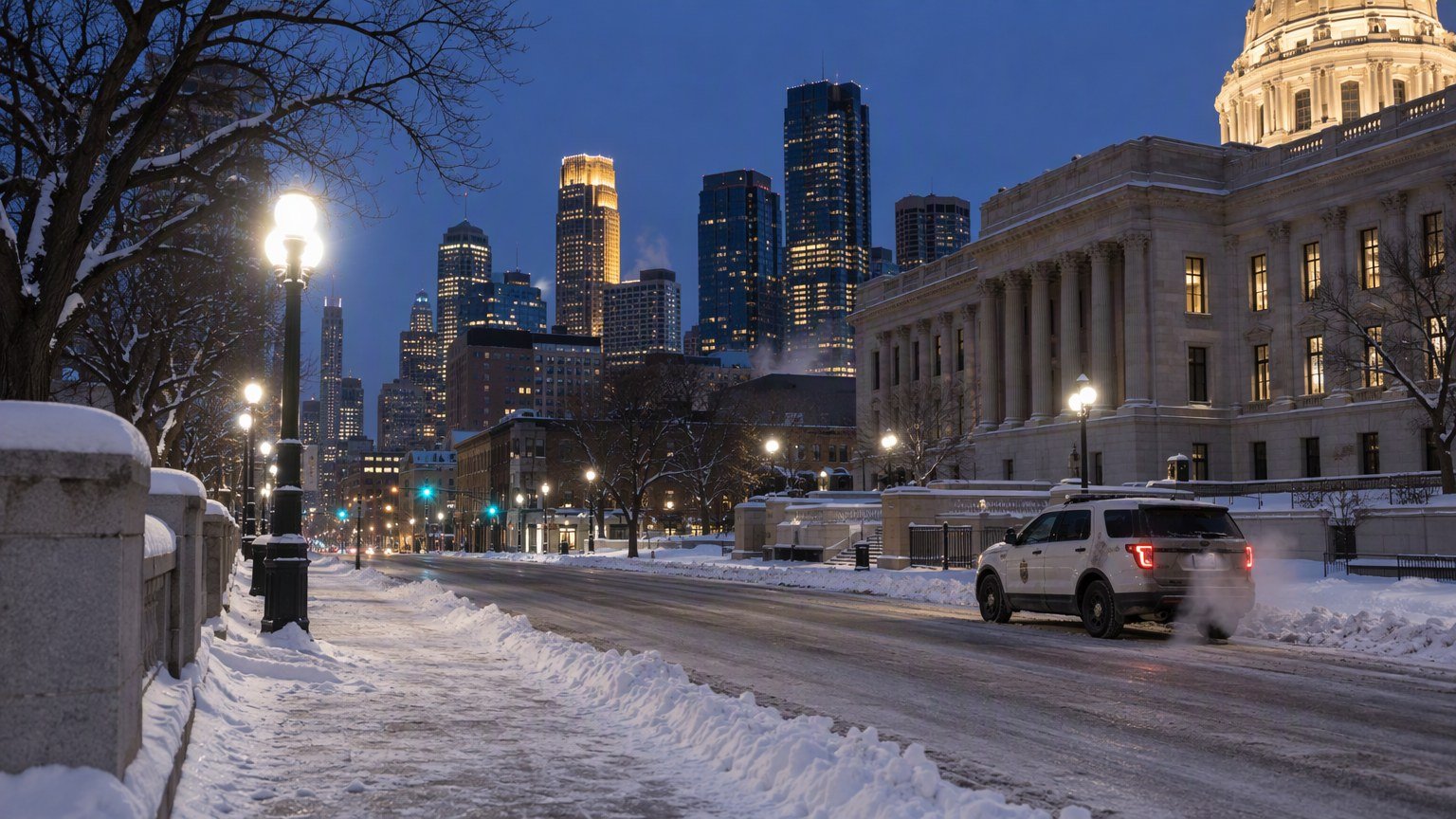
The film’s framed as a dystopian story in an urban tundra. Which sounds dramatic until you remember that Minneapolis in winter actually looks dystopian, and the dystopia here wasn’t fictional. It was federal policy with a branding team and everything. Operation Metro Surge. Christ.
The Somali Community Wasn’t Random
Minnesota has one of the largest Somali populations in the U.S. – over 57,000 people, most of them in the Twin Cities. They’re visible. They’re politically active. They voted. And in Trump’s final winter in office, that made them a target.
The operation wasn’t just about deportations (though there were plenty of those). It was about destabilization. Show up in force. Create fear. Make people afraid to go to work, to school, to the grocery store. Remind everyone who’s in charge. That same climate of fear bred retaliation elsewhere too, like the Portland, Maine case where a woman photographed an arrest and ICE tracked her family afterward.
“For film-makers and journalists, there’s a great sense of responsibility in these moments when they arise.”
Mueller’s quote there is careful. Professional. But I’d bet money the actual feeling was closer to fury. When your government treats your neighbors like enemy combatants, “responsibility” probably isn’t the first word that comes to mind.
Why Horror Tropes Actually Work Here
You might think using horror movie techniques to cover immigration enforcement is manipulative. And maybe it would be if the underlying reality weren’t already terrifying. But when federal agents are conducting what amounts to shock-and-awe tactics in an American city, making the audience feel hunted isn’t manipulation – it’s accuracy.
Horror works because it taps into primal fears: being watched, being chased, losing control, having your home invaded. That’s not metaphorical for the people ICE was targeting. That was Tuesday. Being watched isn't just a horror trope here either – a federal judge recently called Flock spying unconstitutional, a sign of how real that surveillance dread has become.
The film doesn’t need to invent tension or juice up the stakes. The stakes were already your family, your livelihood, your ability to exist in the place you live without constant surveillance and the threat of removal. All Poitras and Mueller had to do was frame it correctly and let the machinery of enforcement speak for itself.
What This Actually Means
Twenty-four minutes isn’t long for a documentary. But it’s long enough to sit with discomfort. Long enough to realize that the line between policy and violence is thinner than we like to pretend. Long enough to understand that when the government calls something an “operation” and gives it a military-style name, somebody’s about to get hurt.
I keep thinking about the title. They’re Here. It’s simple. Almost silly if you don’t know the context. But if you’re Somali in Minneapolis last winter, those two words probably made your stomach drop. Because they were here. In your neighborhood. Outside your mosque. At your kid’s school. And unlike in a horror movie, you couldn’t just leave the theater when it got too intense.
The film’s making the festival circuit now. People will watch it, feel uncomfortable, maybe tweet about it. That’s fine. But the real test is whether it makes anyone reconsider what we’re willing to accept in the name of border control. Whether “surge” sounds as neutral after you’ve seen what it actually looks like. Whether we can keep pretending enforcement is just paperwork and process when it’s shot like a slasher film and the feeling still fits.