
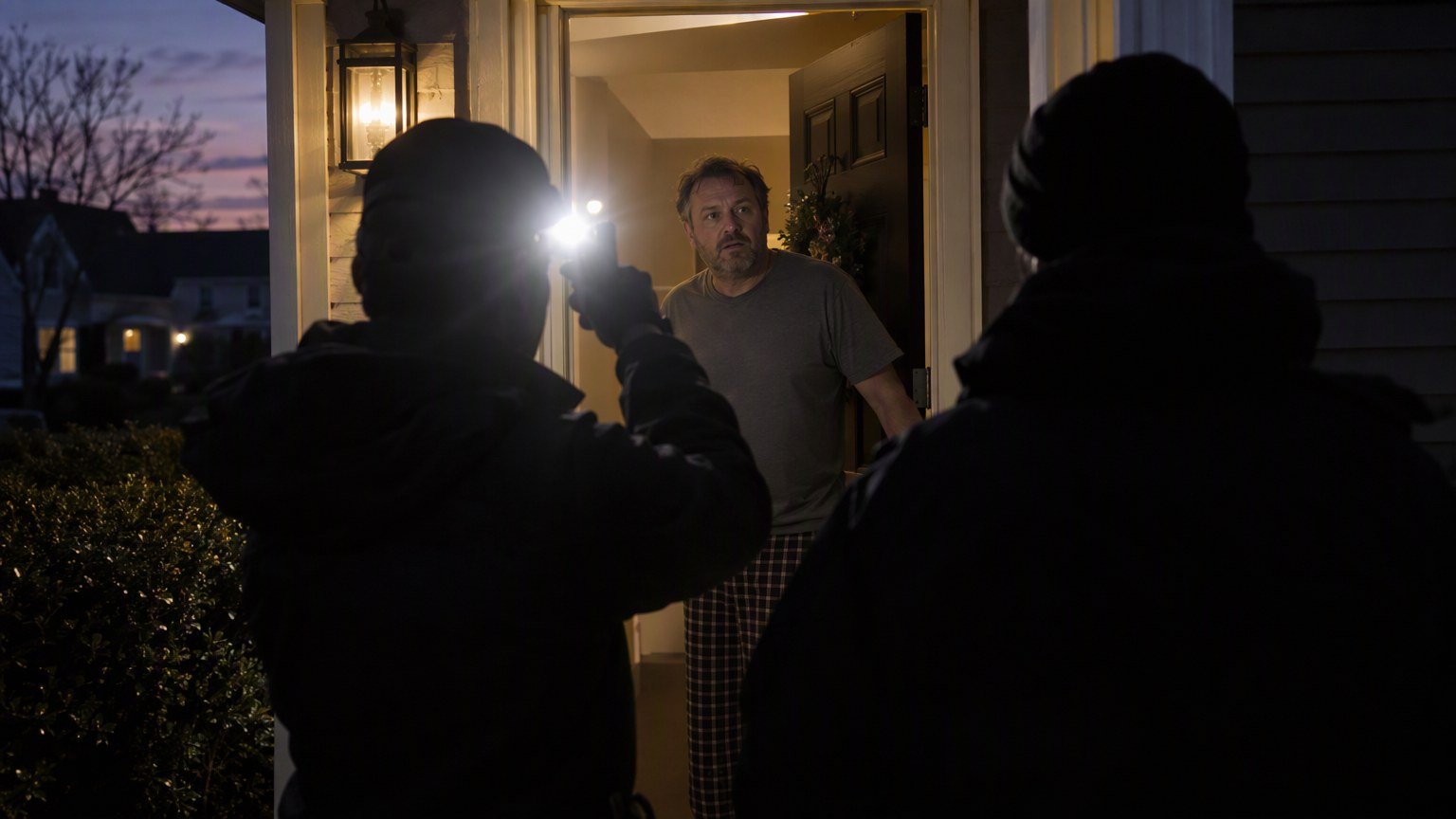
Twenty years ago, the scariest thing a predator could hear walking into a strange house was Chris Hansen’s voice asking “Why don’t you have a seat right there.” Now it’s some guy with a GoPro and a Kick stream yelling “WHO ARE YOU HERE TO MEET?” while his buddy blocks the door. Same basic plot….
Twenty years ago, the scariest thing a predator could hear walking into a strange house was Chris Hansen’s voice asking “Why don’t you have a seat right there.” Now it’s some guy with a GoPro and a Kick stream yelling “WHO ARE YOU HERE TO MEET?” while his buddy blocks the door. Same basic plot. Wildly different ending. And honestly? That shift tells you almost everything you need to know about where we are as a culture right now.
The Ghost of “To Catch a Predator” Is Still Haunting Us
If you grew up anywhere near a TV in the mid-2000s, you remember “To Catch a Predator.” NBC’s Dateline franchise turned sting operations into appointment viewing, with Hansen playing this calm, almost priestly inquisitor to a parade of men who thought they were showing up for sex with a minor. The show was a phenomenon. It was also, we’d eventually learn, kind of a mess behind the scenes – legally shaky, ethically murky, and dependent on volunteer group Perverted Justice doing a lot of the actual legwork that network television then packaged as journalism.

The new film “Primetime” digs into all of that, and from what’s being described, it does it with some real style – tracing the rise of the show and the slow-motion collapse that followed. The collapse has a name attached to it, and it’s a name that still carries weight: Louis “Bill” Conradt. He was a Texas prosecutor, one of the show’s targets, and when SWAT teams and a camera crew surrounded his house, he shot himself. Point blank. Dead before police ever got inside. That’s not a plot twist, that’s a real man who really died, and it should sit heavy with anyone who watched that show for entertainment back in the day (myself included, if I’m being honest).
What Conradt’s Death Actually Changed
That one moment basically ended “To Catch a Predator.” NBC canceled it. Conradt’s family sued, and the network eventually settled. Hansen’s reputation took a hit it never fully recovered from. But here’s the thing nobody really wants to sit with – the show didn’t disappear because the format was flawed. It disappeared because a man died on camera, essentially, and that was too much even for a network that had built a hit out of public humiliation.
So Why Does This Keep Happening, Just Worse?
Because the appetite never went away. That’s the uncomfortable answer. People still want to watch predators get caught – we’re just getting a rawer, dumber, more dangerous version of it now, and it’s happening on platforms that have basically zero editorial oversight. Kick. Facebook. Sometimes streamed live, no editing, no legal team standing by, no actual police department coordinating an arrest. Just a guy with a phone and chat logs he’s convinced himself are ironclad proof.
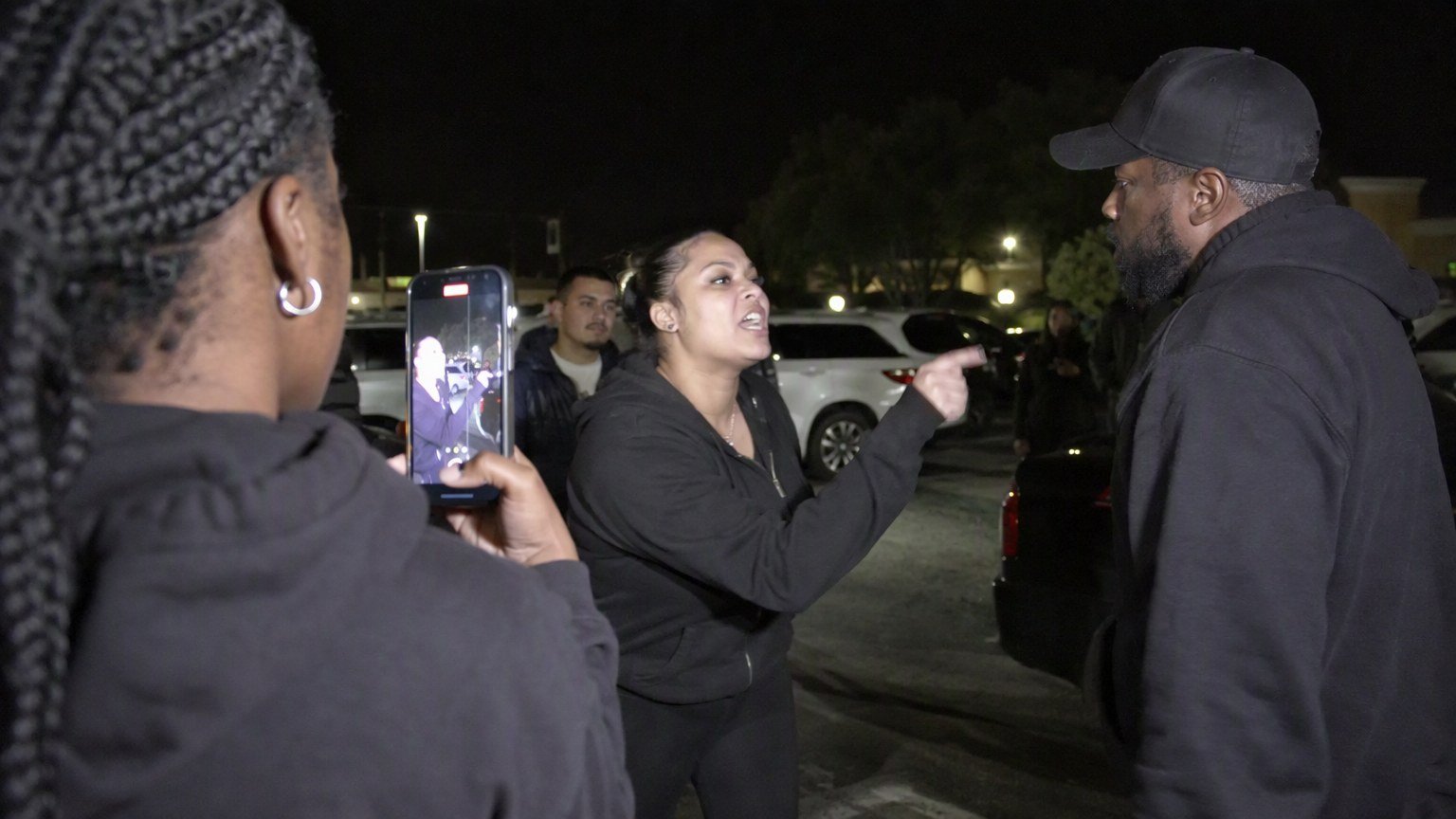
And look, I get the impulse. I really do. If someone’s chat logs show them trying to arrange sex with a child, the rage you feel watching that is completely justified. But justified rage and good process are two very different things, and we’ve traded one for the other at scale.
“You see how this looks, right?” – Chris Hansen, to man after man, for years, on national television.
That line became a cultural catchphrase, almost a meme before memes were really a thing. It worked because there was a system behind it – cops waiting outside, a legal process (however imperfect) that followed. Strip that away and what you’ve got left is just the confrontation. The anger. The “gotcha” moment with none of the infrastructure that used to come after it.
From TV Spectacle to Internet Chaos
This is the part that really gets me. The modern version of this isn’t trying to recreate Hansen’s show – it’s recreating the one scene from Hansen’s show, over and over, stripped of everything else. The reveal. The confrontation. The humiliation. That’s it. No arrest footage because there’s often no coordinated arrest. No due process because there’s no court, no judge, no defense attorney in the room. Just a confused or terrified man getting screamed at by a stranger while hundreds or thousands of people watch live and type things in a chat box.
Sometimes it ends in a scuffle. Sometimes worse. These videos get posted in a barrage – that’s really the only word for it – men filmed in extreme closeup, and we’re told, usually by the person holding the camera, that chat logs exist proving intent. We don’t get to see due process play out. We get to see a man’s face when he realizes he’s been caught, and then the video ends, or the fight starts, or the stream cuts out.
The Dramatic Irony Nobody Asked For
What made “To Catch a Predator” work as television – and I’ll admit, it worked – was that dramatic irony. We, the audience, knew something the man walking into that house didn’t. We’d seen the chat logs (or were told they existed), we knew what was coming, and Hansen’s calm voice was the pin about to drop. That tension is still there in these new videos. It’s just that nothing calm follows it anymore. No seat to sit in. No cop at the door. Just whatever the person holding the phone decides to do next, live, for an audience that’s cheering them on in real time.
What This Actually Means
Here’s my honest take: “To Catch a Predator” was never actually about justice, not really. It was about catharsis dressed up as justice, and it worked because NBC had enough institutional weight behind it to make the catharsis feel legitimate – even when, as Conradt’s death proved, it very much wasn’t always legitimate at all. Strip away the network, the lawyers, the police coordination, and what you’re left with is the catharsis alone. Raw. Unmediated. Streamed live to strangers.
And that’s what we’ve got now. Not a successor to Hansen’s show, but its id – the part of the format that was always a little dangerous, now running completely unsupervised. “Primetime” seems to understand that, which is probably why it ends where the real story ended: in violence, not vindication. The show promised that catching predators would make things safer. What it actually left behind is a template anyone with a phone and an audience can pick up, with none of the guardrails and all of the appetite for spectacle intact.
I don’t think that genie goes back in the bottle. The only real question left is how many more Conradts it takes before platforms like Kick and Facebook start treating this the way NBC eventually had to.