
Three of the biggest names in political journalism just told a federal judge, in so many words, “if you don’t step in, we’re all getting shut out.” That’s not hyperbole. That’s literally the argument CNN, MS NOW, and Politico are making right now in court filings, warning that without an injunction, the Trump administration is fully prepared to slam the door on press access again. And honestly? After watching this fight play out for months, I’m not even a little surprised.
Wait, Didn’t We Already Do This?
Yeah. We did. This whole mess traces back to the access wars that kicked off earlier in the term, when the Associated Press got iced out of the Oval Office and Air Force One over – I’m not kidding – refusing to call the Gulf of Mexico the “Gulf of America.” A judge stepped in that time and said, essentially, you can’t punish a news outlet for its editorial choices. That felt like a win. A real one. But wins like that only last as long as the injunction protecting them, and that’s exactly the problem these networks are flagging now.
Here’s the thing that a lot of people miss when they hear “press ban” – it doesn’t usually mean reporters get physically dragged out of buildings. It’s quieter than that. It’s pool rotations getting rewritten. Certain outlets mysteriously never making the cut for the small press gaggle. Access to briefings getting “restructured” in ways that just so happen to freeze out the outlets asking the toughest questions. That’s the mechanism. And it’s a lot harder to fight in court because nobody’s technically banning anybody, they’re just… reshuffling the deck every single time.
So What Are CNN, MS NOW, and Politico Actually Saying?
In their filings, the three outlets are basically arguing that the White House has shown, through past behavior, that it will reinstitute a blanket restriction the second the legal leash comes off. Not might. Will. That’s a pretty aggressive claim to put in writing, and it tells you these newsrooms aren’t just worried, they’re bracing for impact. One line from the filings stuck with me:
“This isn’t a hypothetical harm – it’s an injury on all news media, and it will happen again the moment the protection expires.”
That’s not lawyer-speak trying to sound scary for effect. That’s three competing news organizations – who normally wouldn’t agree on what day of the week it is – standing together because they’ve all watched this movie before and know how it ends without a court order.
Why Should You, a Normal Person, Actually Care?
I get it. Press access fights can feel like inside baseball. Reporters complaining about reporter stuff. But stick with me here, because this actually matters way beyond the White House briefing room.
When access gets restricted to friendly outlets only, you stop getting the full picture. You get the version of events the administration wants circulating, filtered through outlets that have every incentive to play nice to keep their seat. That’s not me being dramatic, that’s just how incentive structures work. Take away the threat of tough questions and you take away a huge chunk of accountability. And look, I don’t care what administration is in office, Democrat or Republican, this dynamic is bad news for basically everyone who isn’t the person being asked the questions.
The other piece nobody’s really talking about? Precedent. If this administration successfully narrows press access and the courts don’t slap it down hard, that’s a playbook. Future administrations, from either party, get to look at this and go “oh, that worked, let’s do that too.” Once that door’s open, it doesn’t really close again.
The Legal Chess Match Nobody’s Watching Closely Enough
What makes this filing kind of fascinating, from a legal nerd perspective (yes, I am one, sue me), is the timing. These networks aren’t waiting for the ban to come back and then suing. They’re trying to get ahead of it, using the administration’s own track record as evidence of intent. It’s basically “look at what they did last time, that’s exactly what they’ll do again, please don’t let the protection lapse.” Courts don’t always love ruling on hypotheticals, but when you’ve got a documented pattern like the AP situation sitting right there, it’s a lot less hypothetical than it sounds.
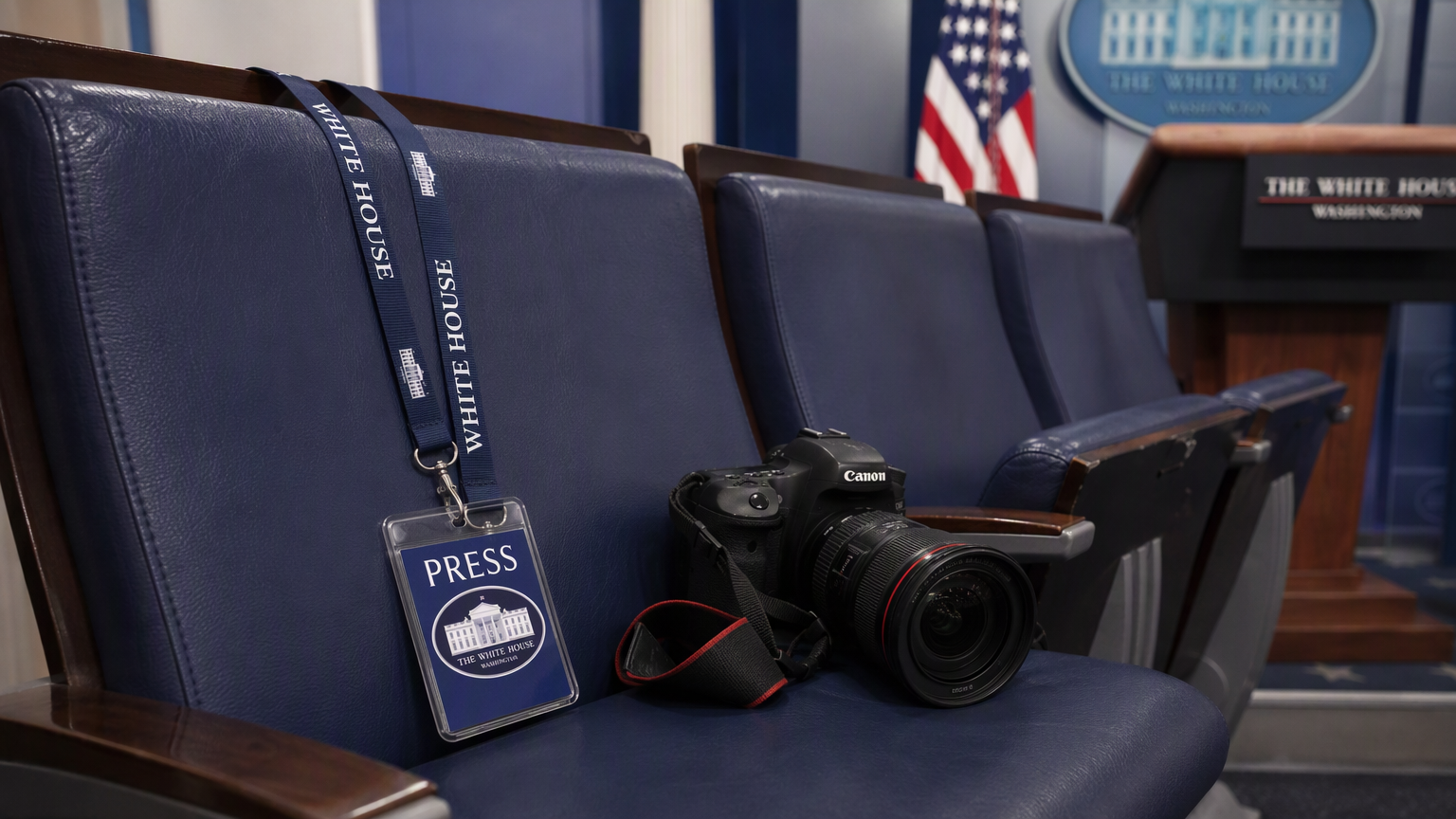
I’ve covered a handful of administrations at this point, and I have never seen the press pool relationship this openly adversarial, this fast. Usually there’s a honeymoon period, even a tense one. Not this time. And I think that’s honestly the real story buried under all the legal jargon – the relationship between the White House and the press corps has basically broken down to the point where major networks feel like they need a judge to referee basic access, not just special favors.
Not gonna lie, that’s a genuinely bad sign for how the next few years of this administration are gonna go, regardless of where you land politically on any of it.
What This Actually Means
So where does this go from here? The judge overseeing the case is going to have to decide whether to extend that injunction, and based on how the last ruling went, I’d put decent money on at least a temporary extension. Courts generally don’t love being seen as rubber-stamping restrictions on the press, and the optics of letting three major outlets get frozen out right after warning it would happen? Rough look for everybody involved.
But here’s my honest, cynical-after-15-years-of-this take: even if the injunction holds, this isn’t over. The administration doesn’t need a total ban to make the point. It just needs to make life annoying enough for the outlets it doesn’t like – slower credentials, worse camera positions, fewer questions called on – to send the message without technically breaking any court order. That’s the move I’d expect if I were advising them, and I’d bet it’s already happening in smaller ways nobody’s written about yet.
The bigger question, the one I keep coming back to, is whether the public actually notices or cares when access quietly shrinks instead of getting slammed shut all at once. A full ban makes headlines. A slow squeeze usually doesn’t. And that’s the version of this fight I think we should actually be worried about.