
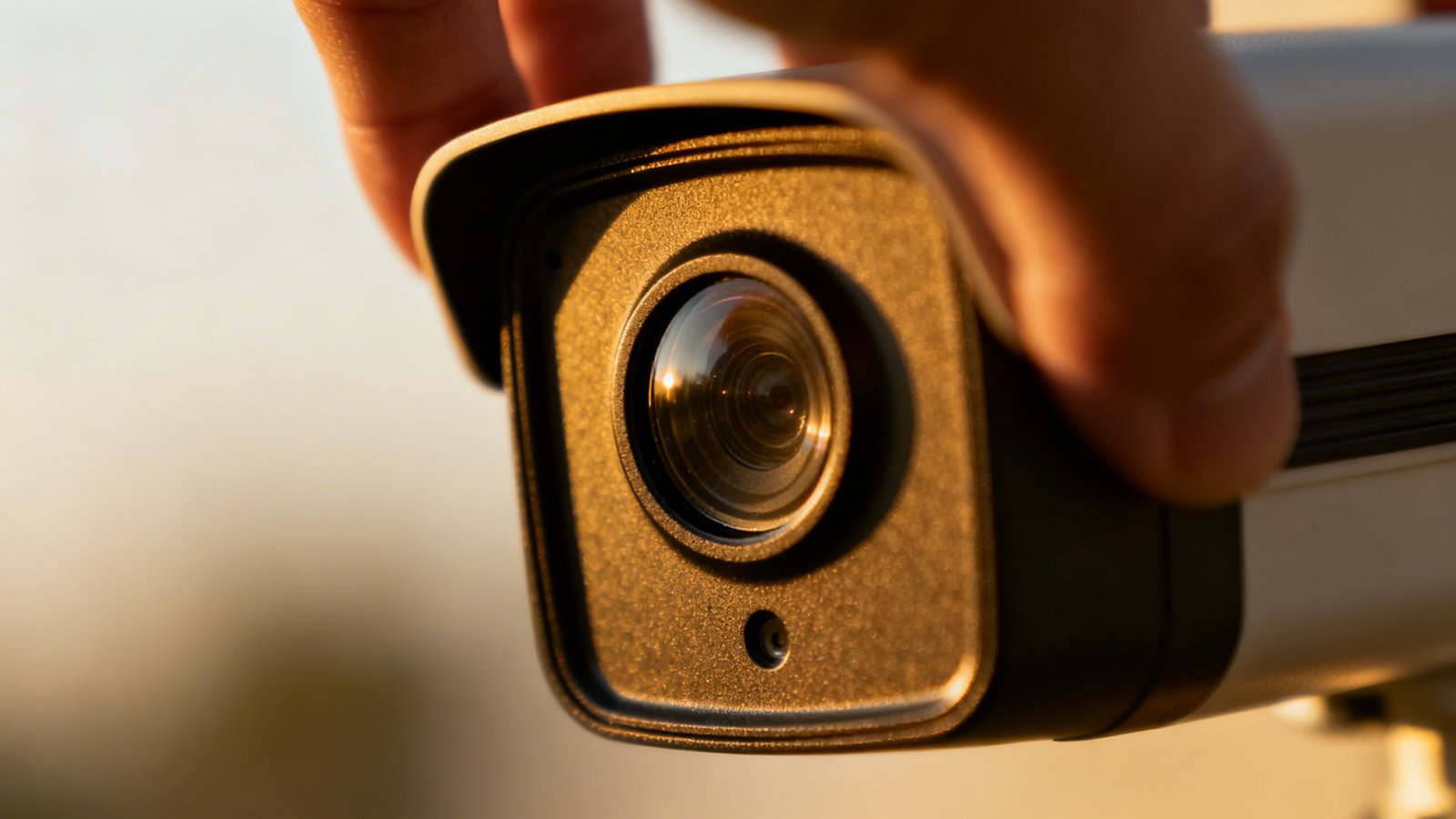
“Surprise, We’re Spying On Your Car Too!”
Look, I’ve been doing this a long time, and the way these tech companies operate, it’s a pattern, right? They launch something, it’s vaguely useful, then they start adding features, expanding partnerships, and before you know it, you’re looking at something that feels like a dystopian sci-fi plot. Ring started with doorbells. Great, catch porch pirates. Then they added neighborhood watch apps. Okay, a little weird, but whatever. Then came the cops, basically getting direct access to your footage. And then, then they decided, “Hey, let’s team up with Flock Safety!”
Flock Safety isn’t just about catching someone ringing your bell. Their whole business model is built around Automatic License Plate Readers (ALPRs). These aren’t just cameras that might catch a plate in a still frame. These things are designed to continuously scan and record every single license plate that passes by. They build massive databases of where cars have been, when, and often, who owns them. We’re talking about tracking people’s movements, often without any probable cause, just because they drove down a street with a camera. And Ring, with its vast network of neighborhood cameras, wanted to integrate with that. It was like they were saying, “Hey, you know that little patch of privacy you thought you had left? Yeah, we’re gonna put a big ol’ ALPR on it.”
The Creep Factor Was Off The Charts
The thing is, the pushback wasn’t just from your usual privacy advocates (though they were certainly screaming from the rooftops, as they should be). It was from regular folks who bought a doorbell camera for, you know, their doorbell. They didn’t sign up for a neighborhood-wide surveillance grid that logs every car that drives by their kid’s school or their local coffee shop. The sheer scale of it was what got people. Ring’s got millions of devices out there. Flock’s got thousands of ALPRs in cities and towns. You put those two together, and suddenly you’ve got this almost inescapable net of surveillance.
And for what? To catch criminals? Sure, that’s always the justification. “If you’ve got nothing to hide…” blah, blah, blah. But history shows us these systems are often misused, they disproportionately affect certain communities, and they create a chilling effect on personal freedom. You know, that whole “right to assembly” thing? Kinda hard when every time you go to a protest, your car is being logged and tracked. It just feels… dirty.
So, Ring Actually Listened? My Jaw’s Still On The Floor.
Honestly, I was surprised. Like, genuinely surprised. Big Tech usually just smiles, nods, and keeps on trucking until a government agency steps in. But the noise around this Ring-Flock partnership was deafening. People were canceling their subscriptions, they were uninstalling their cameras, they were writing angry posts, making calls. And it worked. For once, the collective outcry of privacy-minded citizens actually made a company change course.
“This wasn’t just about a doorbell camera anymore. It felt like they were trying to build a private police state, one license plate and one home security camera at a time. The pushback wasn’t just warranted, it was absolutely necessary.” – A very exasperated citizen (probably me, if I’m being honest)
It’s a small victory, for sure, but it’s a victory nonetheless. It shows that public pressure, when it’s consistent and loud enough, can actually make a dent in these corporate plans for omnipresent surveillance. It tells companies, “Hey, you can’t just quietly build a panopticon in our neighborhoods without us noticing, and more importantly, without us fighting back.”
What This Actually Means
Don’t pop the champagne just yet, folks. While Ring pulling out of its Flock Safety partnership is a huge relief, it doesn’t mean the battle for privacy is over. Not by a long shot.
Here’s the thing:
Flock Safety isn’t going anywhere. They’re still out there, signing deals with police departments and HOAs, installing their ALPRs. The fight against widespread license plate tracking continues.
Ring is still Ring. They still have those partnerships with law enforcement that allow police to request footage directly from homeowners, often without a warrant. That’s a whole other can of worms that needs to be addressed.
The Surveillance Creep is Real. This whole episode is just one example of how these companies constantly push the boundaries. They test the waters. If we don’t push back, they keep going. It’s like a game of chicken, and frankly, our privacy is usually the chicken.
Vigilance is Key. This isn’t a one-and-done kind of situation. We have to stay aware of what these companies are doing, what new partnerships they’re forming, and what data they’re collecting. Because if we don’t, who will?
This whole thing, it’s a constant negotiation between convenience and privacy. And for a while there, it felt like convenience was winning, hands down. But this Ring-Flock breakup? It’s a clear signal that people are waking up. They’re realizing that some “conveniences” come at too high a cost. And you know what? That’s actually pretty damn encouraging. It means our voices, when we use them, still matter. Now, let’s keep using ’em.