
Look, I’m just gonna say it – Twilight turned vampires into something Hollywood had never seen before, and whether you loved it or hated it (and trust me, people had opinions), there’s no denying it changed everything. When Summit Entertainment dropped the first film in 2008, based on Stephenie…
Look, I’m just gonna say it – Twilight turned vampires into something Hollywood had never seen before, and whether you loved it or hated it (and trust me, people had opinions), there’s no denying it changed everything. When Summit Entertainment dropped the first film in 2008, based on Stephenie Meyer’s 2005 novel, nobody could’ve predicted it would gross $392.6 million and spawn one of the most lucrative franchises of all time. But here we are, almost two decades later, and we’re still living in the world Twilight built.
They Made Vampires Safe (And That Was Kind of the Point)
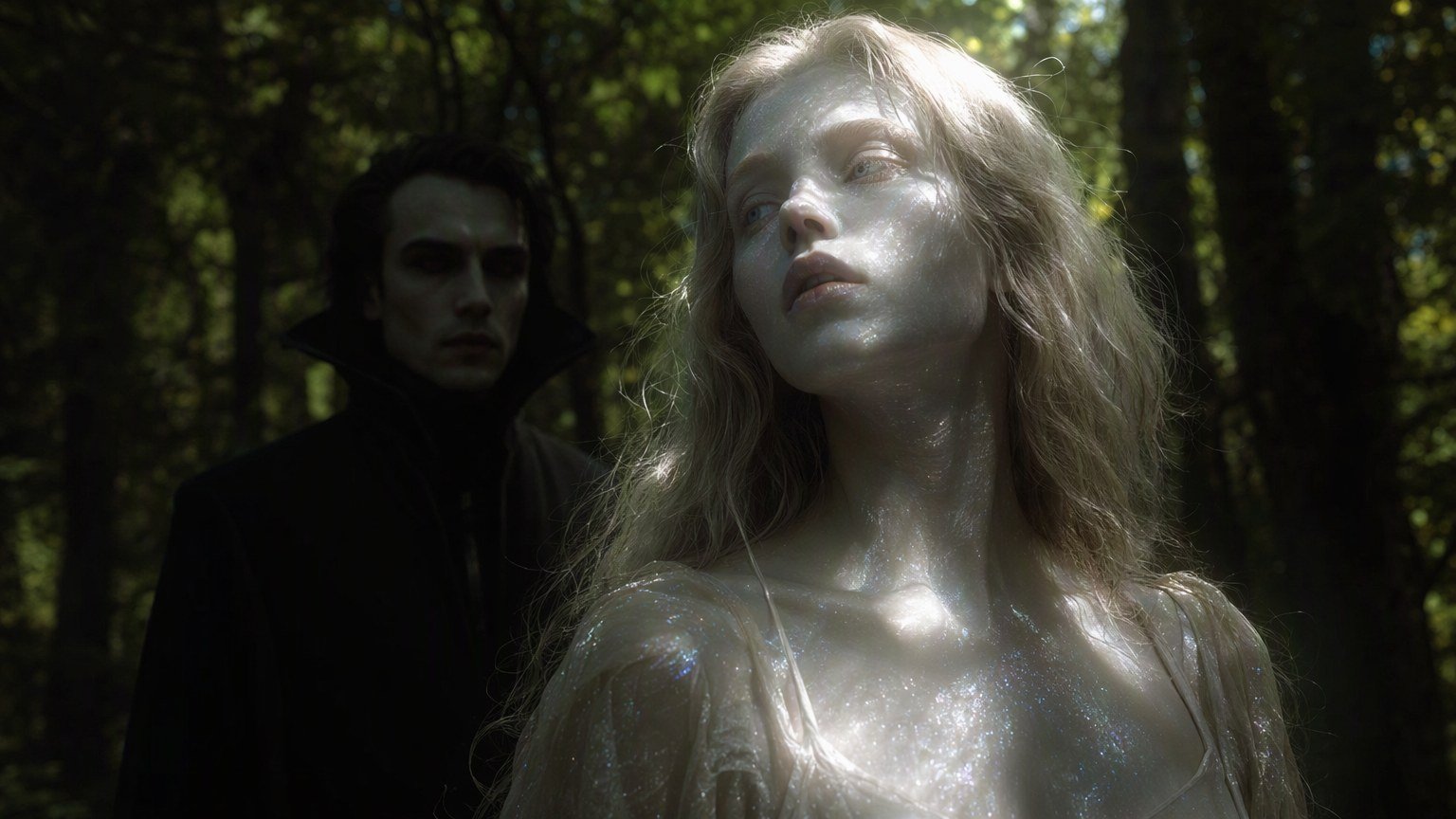
Here’s the thing about traditional vampire movies – they were horror films. Vampires were monsters. Dangerous. Sexy in that forbidden, you’re-probably-gonna-die kind of way. Then Twilight came along and said, actually, what if the vampire is the boyfriend? Not the threat, but the protector. The one who sparkles in sunlight instead of burning to ash.

And yeah, people lost their minds over the sparkling. I get it. It sounds ridiculous when you say it out loud. But that visual choice – making Edward Cullen look like a diamond instead of a corpse in daylight – was actually genius from a storytelling perspective. It meant these vampires could exist in our world, go to high school, play baseball (still one of the weirdest scenes in cinema history, not gonna lie). They weren’t confined to the shadows anymore.
The romance angle wasn’t new, exactly. Anne Rice had been writing sexy vampires since the ’70s. But Twilight took it mainstream in a way that felt accessible to teenage girls, and suddenly every studio in Hollywood was scrambling to find their own supernatural love story. The Vampire Diaries, True Blood, even the Vampire Academy books getting optioned – none of that happens without Twilight proving there’s a massive audience hungry for this stuff.
The Vegetarian Vampire Problem
Catherine Hardwicke’s direction of that first film leaned into the teenage angst hard, but it also introduced something that fundamentally rewrote vampire rules: the concept of “vegetarian” vampires who only drink animal blood. This wasn’t just a quirky detail. This was Meyer saying vampires could have moral choice, could resist their nature, could be… good.
Traditional vampire lore didn’t really allow for that. You became a vampire, you were damned, end of story. Maybe you’d struggle with it like Louis in Interview with the Vampire, but you were still fundamentally a predator. The Cullens changed that. They had jobs, families, a whole suburban existence built on the idea that they’d chosen not to be monsters.
What Happened When Vampires Got Wholesome?
This is where it gets interesting (and where the backlash really kicked in). By making vampires safe, Twilight also made them kind of… boring? At least to critics and horror fans who felt like the entire point of vampire mythology was being gutted. The franchise got crucified in popular culture for its goofier elements – and there were plenty. The weird CGI baby. The forest running. That baseball scene I mentioned.

But the fervent fanbase didn’t care. They weren’t there for traditional vampires. They were there for Edward and Bella, for the forbidden love story, for the fantasy of being so desperately wanted that a century-old vampire would risk everything just to be near you. It was melodramatic as hell, but so is being a teenager.
“The cinematic saga continues to shape modern vampire media.”
And that’s actually true. You can draw a direct line from Twilight to nearly every vampire property that came after. The romantic focus. The supernatural love triangle (Team Edward vs. Team Jacob basically invented that particular brand of fan war). The idea that vampires could be integrated into contemporary society rather than lurking in Gothic castles. Even shows that tried to be edgier or more adult were reacting to what Twilight had established.
The Business of Sparkly Bloodsuckers
Let’s talk money for a second, because that’s ultimately what rewrote Hollywood’s rules. The Twilight franchise made Summit Entertainment a powerhouse studio. We’re talking billions across five films. That kind of success doesn’t just influence other vampire movies – it influences everything. Studios learned that young adult properties with passionate fanbases could be box office gold. The Hunger Games, Divergent, The Maze Runner – all of those get greenlit in Twilight’s wake.
The formula was clear: take a YA book series with a built-in fanbase, cast unknown or relatively unknown actors (Kristen Stewart and Robert Pattinson weren’t exactly household names in 2008), and market the hell out of the romance and spectacle. It worked once, it could work again. Sometimes it did. Often it didn’t. But everybody tried.
What This Actually Means
Here’s what I think gets lost in all the jokes about sparkling vampires and wooden acting: Twilight understood its audience in a way that a lot of “prestige” media didn’t. It took teenage girls seriously. It gave them a fantasy that spoke to their desires and fears, even if it did so in ways that were sometimes problematic (and yeah, Edward’s controlling behavior hasn’t exactly aged well).
The franchise rewrote vampire rules by essentially asking: what if we stopped treating vampire stories as horror and started treating them as wish fulfillment? What if the monster was the solution instead of the problem? Hollywood had tried sexy vampires before, but never quite like this. Never with this level of earnestness and teen-girl focus.
We’re still seeing the effects. Every time a new vampire show gets pitched, someone in the room is either saying “let’s do what Twilight did” or “let’s do the opposite of Twilight.” Either way, they’re responding to it. That’s how you know something really changed the game – when you can’t stop talking about it, even years later. Even if you’re just making fun of the sparkling.