
And horror movies keep asking the same question in slightly weirder ways: What if the scariest thing in the room wasn’t the monster?
And horror movies keep asking the same question in slightly weirder ways: What if the scariest thing in the room wasn’t the monster?
That sounds like a cheap gimmick until you remember that Perfect Blue turned fame and performance into psychological nightmare fuel, The Loved Ones made a prom date feel like a death sentence, and The Birds proved that a flock of birds could be more frightening than just about any creature with claws and a taste for people. Horror has never been especially interested in doing things by the book.
Now, one of 2026’s most promising-looking horror movies appears to be continuing that tradition by drawing its antagonist from a place most filmmakers would probably leave alone. The basic idea is simple: take something deeply ordinary and make it feel absolutely hostile. That kind of decision can go either way. It can produce a film that’s genuinely unsettling, or it can produce something that feels like a concept designed in a brainstorming session after nobody wanted to leave.
From what we can tell, though, this is the sort of idea that could work. Not because the movie has found some dazzling new visual trick, but because it understands that fear doesn’t always need to arrive wearing fangs. Sometimes the most effective monster is the one that makes a familiar activity feel unsafe.
The weird idea is the point
The interesting part isn’t just that the movie has an unusual antagonist. It’s that the choice seems to be tied to the kind of fears people actually experience, even when those fears don’t look like traditional horror material.
We tend to talk about monsters as if they’re supposed to be other things. Demons, aliens, mutants, serial killers, haunted objects, ancient spirits – the list is long, but it comes with a certain visual expectation. You know roughly what you’re looking at. You can point at the thing in the room and say, “That’s the monster.”
What happens when the threat is less visible? When it’s connected to something we all recognize, maybe something we don’t even think about enough to question? That changes the rules.
And horror is at its best when it changes the rules.
There’s a reason The Loved Ones works so well. The central idea is almost embarrassingly simple, but once the film puts it into motion, the ordinary details become unbearable. A phone call. A car ride. A polite conversation with someone who seems friendly. The movie doesn’t need to invent an entirely new creature because it finds terror inside behavior that’s already been invented by real life. Linda Cardellini Finally Saves Friday the 13th by doing exactly that – letting the familiar premise twist into something genuinely unsettling.
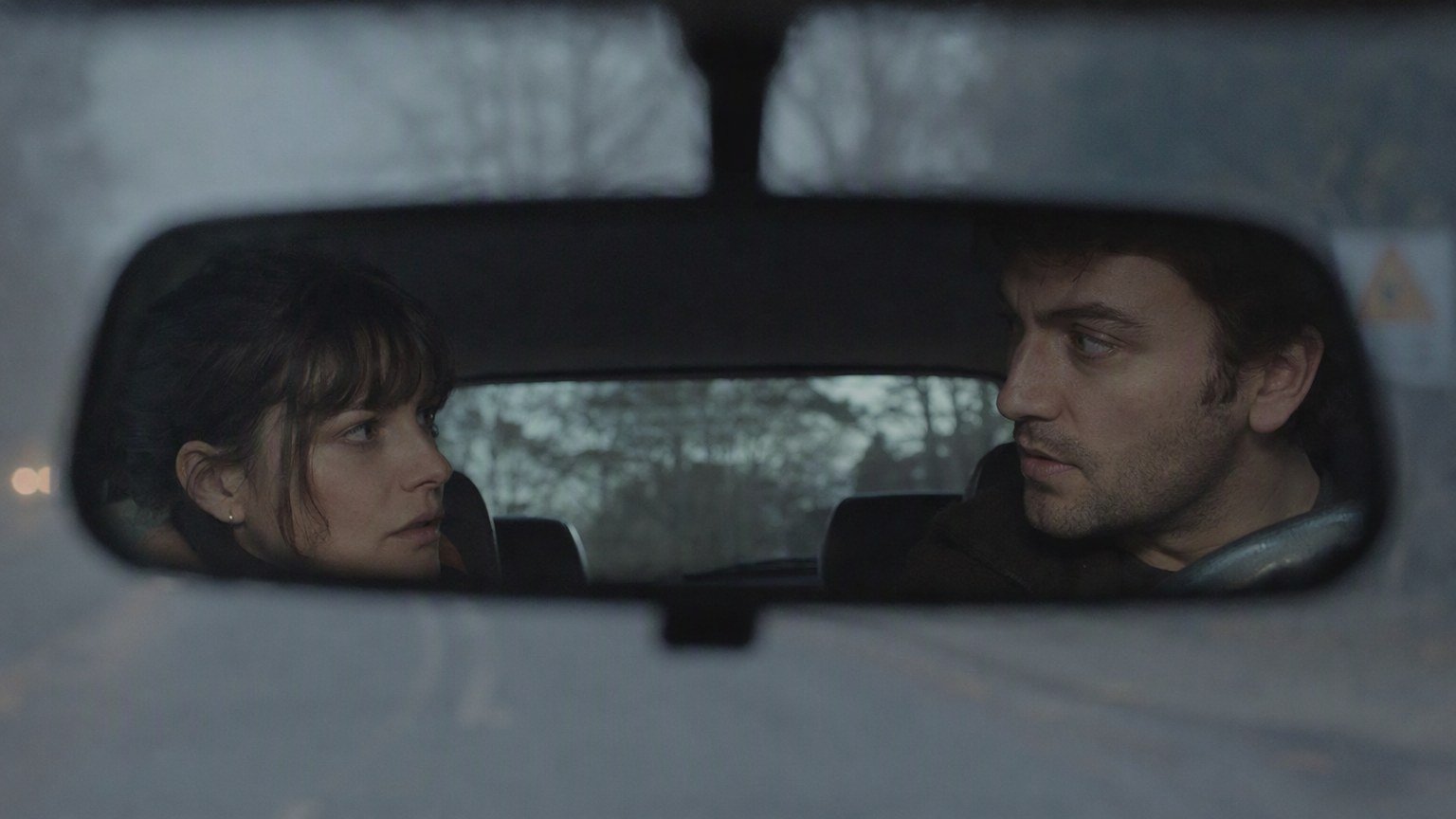
That same instinct seems to be driving the 2026 movie. The antagonist isn’t being presented as some grand supernatural force or an elaborate machine built for murder. It’s coming from somewhere startlingly human-scale. That doesn’t make it less frightening. It may make it worse.
Because now you’re not just watching someone be threatened. You’re watching the rules of normal life bend.
Because familiar things are harder to escape
There’s a particular kind of unease that comes from knowing something about a familiar activity is wrong. A creature that jumps out of a closet is scary for a few seconds. A creature that hides inside a process we already trust? That can stick around in your head for days.
Think about the way Perfect Blue takes the idea of celebrity and performance and turns it into a destabilizing force. The film doesn’t simply say, “Being famous is uncomfortable.” It makes the entire apparatus of attention and judgment feel dangerous. The audience watches the subject lose control of how she’s perceived, and that’s when the horror really begins. The Reality Show That Fooled Everyone – Including Itself plays with that same destabilizing energy, making viewers question what's performance and what's collapse.
The new movie seems to be reaching for a similar kind of discomfort, though it may be approaching the idea from a different direction. We don’t have every detail yet, and pretending otherwise would be silly. But the premise suggests a movie that understands the audience will do half the work once it points to something familiar and says, “That can be terrifying.”
Who knows? The monster might end up being the most talked-about part of the film, or the film might make the monster irrelevant by focusing on the people trapped around it. Either way, the unusual choice feels more interesting than another film about the same old supernatural nightmare.
Can a monster come from a surprising place?
Apparently, yes.
That sounds like an obvious question, but horror studios have spent decades making monsters safe through familiarity. The vampire has rules. The werewolf has a trigger. The haunted house has its own little ecosystem. Even when the imagery changes, audiences often know the general shape of what they’re watching.
Unexpected sources can feel almost radical because they break that contract. If a movie suddenly turns something mundane into the source of fear, it makes the audience reassess everything around them. Maybe the thing they’ve ignored for years is suddenly worth noticing. Maybe the routine they’ve been treating as harmless isn’t harmless at all.

“The scariest monsters are the ones that make the audience question the ordinary.”
And that’s where this 2026 movie seems to have a real advantage. The concept itself is strange enough to generate curiosity, but not so strange that it feels meaningless. It’s the kind of high concept a viewer can describe to a friend in one sentence and immediately understand why the idea is unsettling.
Still, a good concept is only the beginning. The movie has to commit to the weirdness. It can’t introduce an unusual threat and then quickly explain it away, turn it into a monster movie cliché, or spend more time discussing the antagonist than actually letting it affect the characters.
That would drive me nuts. The whole appeal of a concept like this is the discomfort it creates. If the movie suddenly turns it into something clean and predictable, the weirdness gets sanded off and we’re left with just another scare machine.
The fear is in the system, not the creature
The most effective horror villains aren’t always the most physically threatening. They’re the ones that expose something about the world the characters thought they understood. The real danger may be social, emotional, or tied to a system that looks harmless from the outside.
That seems to be the promise of this movie’s unusual approach. The antagonist comes from a surprising place, but the real threat is probably the way that presence changes everybody else’s behavior. How they react. What they ignore. Which rules they decide can bend. Who gets hurt when normal expectations stop functioning.
Look, I’m not claiming the film has already solved the problem. It’s easy to be excited about an unusual premise. It’s much harder to build a story around one. A normal monster can carry a movie because the audience knows what it’s supposed to do. A monster made from something unexpected demands more from the writing, the performances, and the way the threat is revealed.
But those are good problems to have. At least in theory. A boring monster is boring no matter how many tortured faces the marketing team puts on the poster. A strange one gives the movie something to push against.
What This Actually Means
This is probably why the idea is generating early attention: it feels like a movie that’s willing to trust the audience with a different kind of fear. Not the fear we’ve all seen before, but the fear that comes from noticing something too ordinary to be frightening and then realizing that was exactly the problem.
The best horror doesn’t always make you look under the bed. Sometimes it makes you look at the thing you’ve been looking past every day. That’s a more difficult trick, but when it works, it’s much more effective. A creature can be memorable for a few scenes. A warped sense of normal can follow people home.
So yes, I’m intrigued. Not because the monster is bizarre, but because the movie seems willing to let the bizarre disturb something familiar. If it follows through, this could be one of those films that changes what people talk about in the theater afterward.
And who knows? Maybe the real horror isn’t the antagonist at all. Maybe it’s the audience’s sudden realization that anything could have been hiding in plain sight.