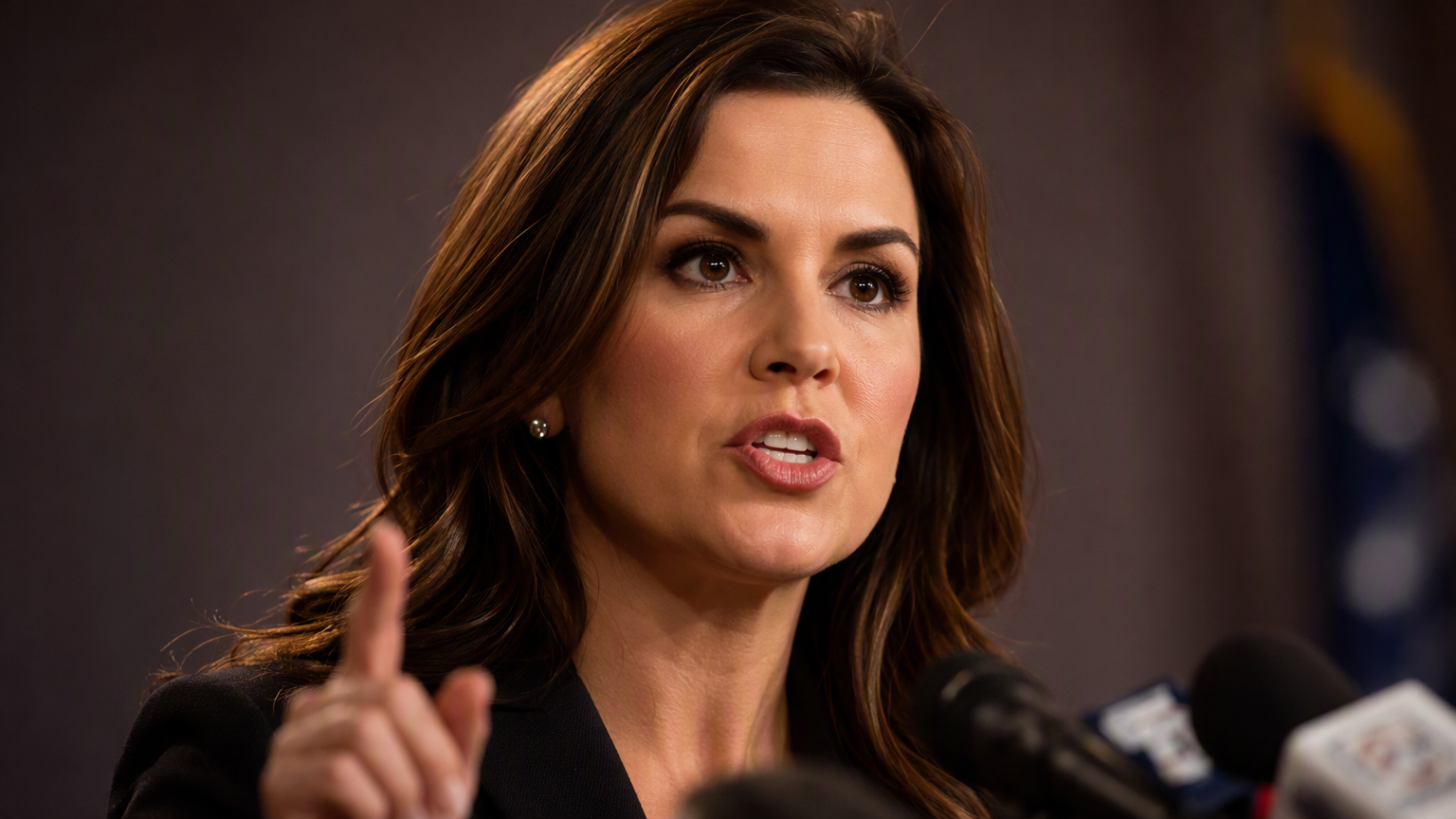
Dolly Parton hasn’t even been gone that long, and already there’s AI-generated garbage flooding social media claiming to be “unreleased” clips of her final days. Her sister Stella had enough. She said so. Publicly. And honestly? Good for her.
What Actually Happened Here
Stella Parton went on social media this week and basically torched anyone spreading fake AI content about her sister’s death. We’re talking fabricated videos, garbled quotes attributed to Dolly that she never said, and a pile of what Stella flat out called “fake AI garbage.” She didn’t mince words. She also called out the “snarky tweets” flying around, the kind of jokes people crack the second a celebrity dies because apparently grief has an expiration date of about four hours on the internet now.
I’ve seen this pattern before, and it’s exhausting every single time. Someone famous dies, and within hours there’s a fake “leaked audio” or a deepfake video making the rounds, usually stitched together just well enough to fool your aunt on Facebook but not well enough to fool anyone who’s spent more than ten minutes online. The tech has gotten scarier good, sure, but the instinct behind it? That’s not new. That’s just old fashioned exploitation with a shinier tool.
Why This One Stung Extra
Here’s the thing about Dolly Parton specifically. She’s one of the most beloved public figures in the country, arguably the world. She’s spent decades being generous, funny, weirdly down to earth for someone worth what she’s worth. So when people started using her death (or, depending on when you’re reading this, her declining health, the details shift depending on the news cycle) as fodder for fake AI content and mean spirited jokes, it hit different. It’s not just disrespectful in the abstract. It’s disrespectful to someone who genuinely earned the goodwill people are now trashing.
So Why Do People Even Do This?
Clicks. That’s it. That’s the whole answer, not gonna lie. Fake celebrity death content generates insane engagement because people share it before they verify it, and by the time someone points out it’s fabricated, the damage (and the ad revenue, let’s be real) is already done. It’s a numbers game, and grieving families are just collateral.

“Enough with the fake AI garbage and the snarky tweets. Have some decency.” – Stella Parton
That quote basically sums up the entire controversy in one breath. She’s not asking for much. She’s asking for decency, which used to be a baseline expectation and is now apparently a bold stance you have to defend on Twitter.
The AI Problem Nobody Wants to Fully Deal With
This isn’t really about Dolly Parton at the end of the day, is it. I mean it is, but it’s also not. It’s about a much bigger issue we’ve been kind of collectively ignoring, which is that AI generated content around real people, especially around death and tragedy, has basically no guardrails right now. Platforms react after the fact. They take stuff down once it’s already been seen by three million people and screenshotted a thousand times. The horse isn’t just out of the barn, the horse has done a full marathon by the time anyone notices.
And look, I get the appeal of AI tools. I actually think a lot of the tech is impressive, genuinely. But there’s a difference between using AI to write code or generate art and using it to fabricate someone’s final words, or worse, fake footage suggesting things that never happened. That’s not innovation. That’s just lying with better production value.
What’s interesting here is how quickly Stella’s response resonated with people who probably don’t agree on much else. This wasn’t a partisan issue. It wasn’t really even a celebrity gossip issue. It tapped into something a lot of us have been quietly frustrated about for a while now, this sense that the internet has stopped requiring anything to be true before it goes viral. Truth used to be a prerequisite. Now it’s optional, sometimes even a liability if the fake version is more shareable.
The Snarky Tweet Problem, Specifically
Can we talk about the joke tweets for a second? Because that’s almost a separate issue from the AI stuff, and I think it deserves its own callout. There’s this weird internet reflex where the second someone famous dies, a certain type of person feels compelled to be the “actually” guy, cracking some edgy joke about it before the family has even had a chance to process anything. It’s not clever. It’s not even really that funny most of the time. It’s just… cruelty dressed up as wit, and it’s become so normalized that calling it out (like Stella did) somehow becomes the controversial move instead of the jokes themselves.
Seems like every single time this happens, the same defense pops up: “it’s just the internet, lighten up.” But whose family has to actually read that stuff? Not the joke writer’s. The family’s. There’s a real asymmetry there that gets glossed over constantly.
What This Actually Means
Here’s my honest take. Stella Parton didn’t say anything radical. She said something that, twenty years ago, wouldn’t have needed to be said at all, because the tools to fabricate this kind of content at scale simply didn’t exist yet. Now they do, and they’re getting cheaper and more convincing by the month. This is going to keep happening. Not might happen, not could happen. Will happen, again and again, to whoever the next public figure is that passes away or goes through something painful in public view.
The real question isn’t whether Stella was right to call this out (she obviously was, this isn’t even close). The real question is whether platforms, and honestly all of us as users, are going to start treating unverified AI content the way we’d treat any other lie, which is to say, not sharing it, not engaging with it, not giving it the oxygen it needs to spread. From what I can tell, we’re not there yet. Not even close.
Dolly’s family deserves better than fabricated footage and cheap jokes at a moment like this. So does every other family that’s going to find themselves in this exact position next month, or next year, or next week. That part’s the scary bit nobody’s really talking about enough.