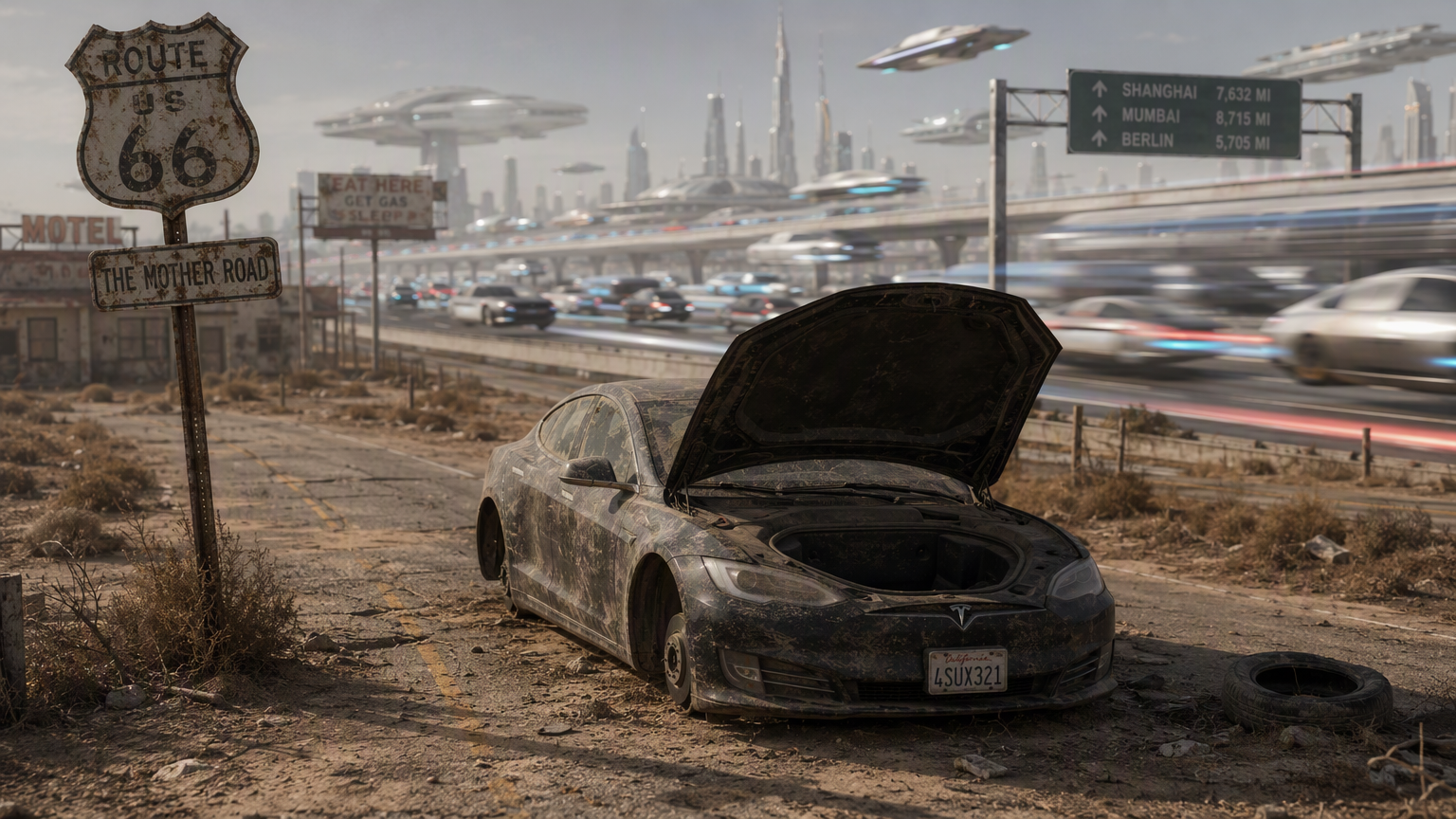
China sold more electric cars in a single month this year than the U.S. has sold all year, more or less. Let that sink in for a second. I’ve been covering the auto industry for the better part of 15 years now, and I honestly can’t remember the last time the gap between “where America is” and “where everyone else is going” felt this wide. And not gonna lie, it’s a little embarrassing.
So How Did We Get Here, Exactly?
Here’s the thing. A few years ago, it felt like the U.S. was actually in the game. Tax credits, charging infrastructure money, automakers falling over themselves to announce new EV lineups. Ford was promising an electric future. GM said it would go all-electric by 2035. Remember that? I do, because I wrote about it at the time and genuinely thought, okay, maybe we’re not totally cooked here.
Then the $7,500 federal tax credit got axed. Emissions standards got rolled back. And a bunch of automakers quietly (or not so quietly) walked back their EV promises because, well, the political winds shifted and Detroit has never exactly been known for sticking its neck out when there’s an easier path.
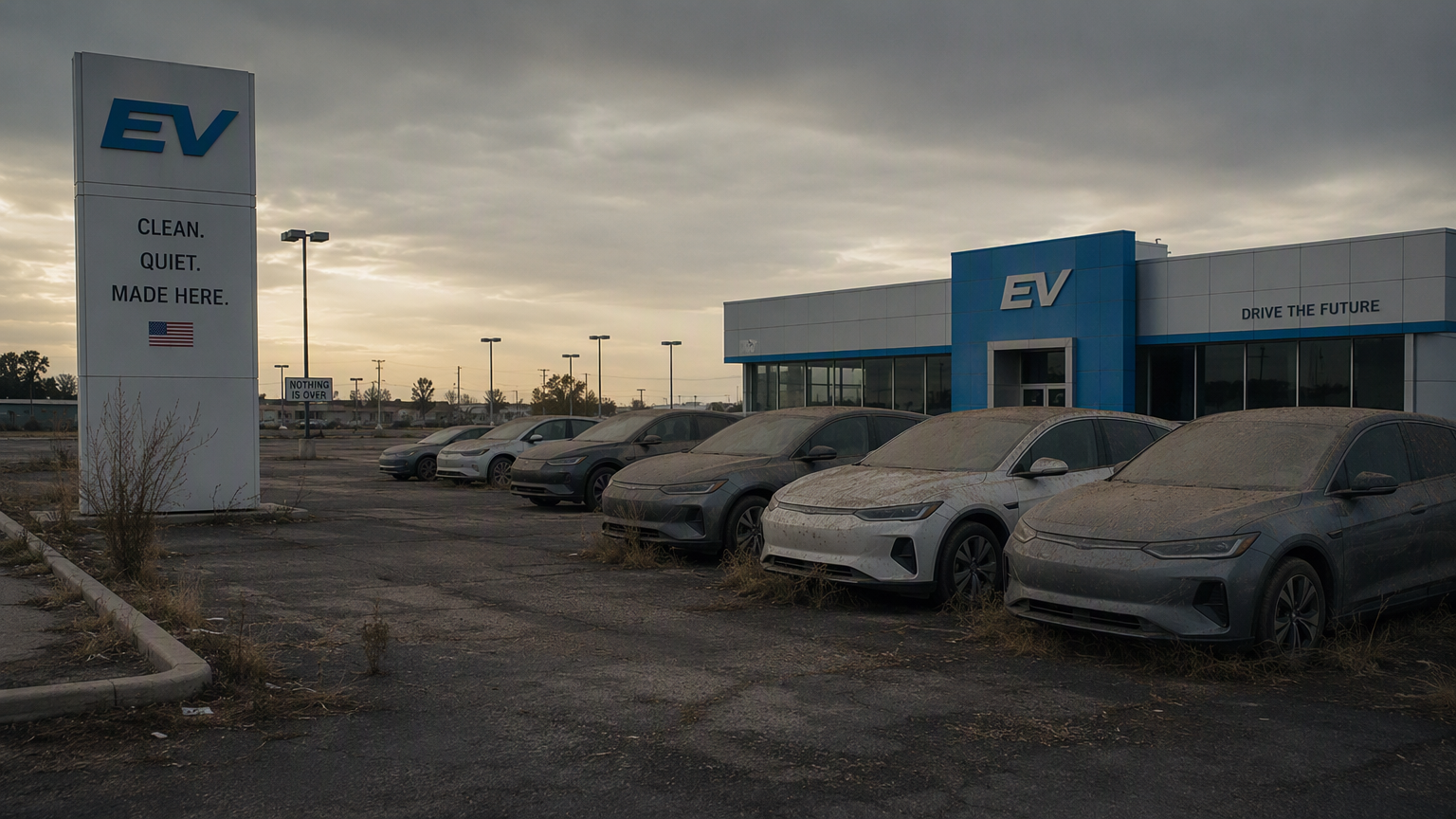
Meanwhile – and this is the part that really gets me – the rest of the world just kept driving forward. Literally. Europe’s still got its emissions targets breathing down automakers’ necks. China’s not just selling EVs domestically, it’s exporting them everywhere, and building the batteries that go in them, and mining a lot of the materials those batteries need. Norway basically doesn’t sell gas cars anymore. I mean that almost literally, EVs make up something like 90-plus percent of new car sales there now.
The China Factor Nobody Wants to Talk About
BYD. Say that name to any auto exec five years ago and you’d have gotten a shrug. Say it now and watch their face change. This company has, at various points, outsold Tesla globally in EVs, and it’s doing it with vehicles that are shockingly cheap by American standards. We’re talking cars that would undercut most gas-powered compacts here, and they’re electric, and they’re actually pretty good.
The scary part isn’t just that China makes cheap EVs. It’s that they control so much of the supply chain, the batteries, the refining, the whole stack, that catching up isn’t just a matter of American companies “trying harder.” It’s structural. It’s baked in. And I don’t think enough people in Washington have fully reckoned with what that means long-term.
Wait, Didn’t We Just Have a Whole EV Boom?
Kind of? For a hot minute there, it felt like it. Tesla obviously started the whole thing, and for years it had the market basically to itself in the U.S. Then legacy automakers piled in, EV sales climbed, charging networks expanded. It looked like momentum.
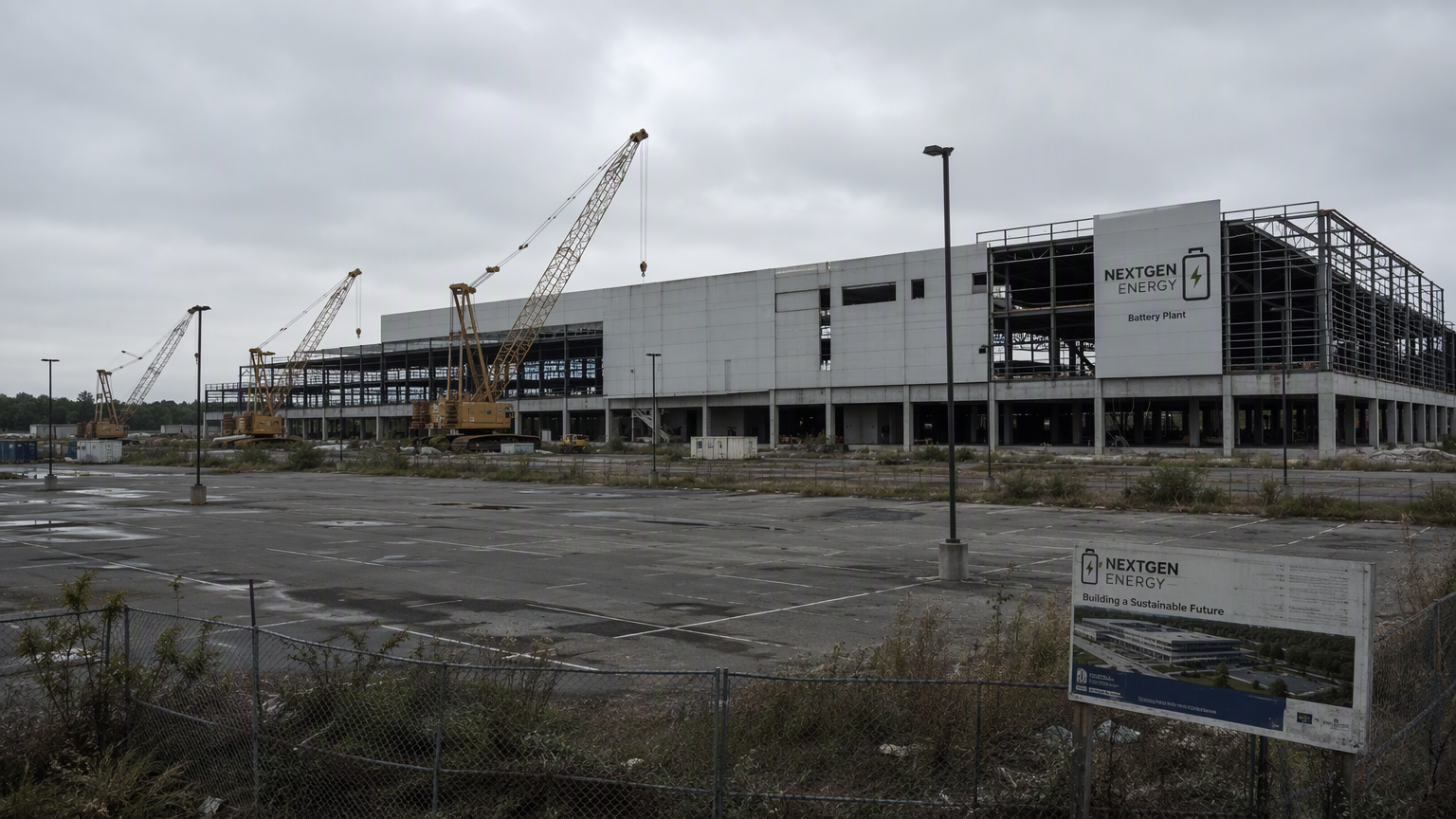
But momentum’s a fragile thing, and I think what we’re watching now is what happens when you build an industry around subsidies and incentives without building the underlying manufacturing base to actually compete on cost. Once the credits disappeared and gas prices stayed manageable, a lot of that “boom” revealed itself to be pretty shallow. Sales growth slowed. Automakers pulled back investment. Some plants that were supposed to make EV batteries got delayed or scrapped entirely.
“The world isn’t waiting for America to figure this out. It’s already moved on, and it’s not looking back.”
That quote basically sums up what a lot of industry analysts have been saying quietly for a while now, and it’s finally becoming the loud, obvious conclusion. The world will move on without us. That’s not fear-mongering, from what I can tell that’s just… where the data points.
Who Actually Loses Here
Let’s be real about who gets hurt by this. American car buyers, for one. Less competition in the EV space means slower price drops, fewer choices, and honestly, a worse deal overall compared to what folks in Europe or China are getting for similar money. I’ve talked to people who’ve looked at Chinese EV prices and just laughed, because there’s nothing comparable available to them here at that cost.
Then there’s American manufacturing jobs. This is the part that should make politicians on both sides squirm a little, because whatever your position on climate policy, the plain economic reality is that EVs and batteries are where a huge chunk of future auto manufacturing jobs are going to live. If the U.S. cedes that ground to China and, increasingly, to European and Korean manufacturers, we’re not just losing an environmental race. We’re losing an industrial one. Those are different things, and I think a lot of the political conversation conflates them in a way that’s not helpful.
And look, I get the skepticism some people have toward EVs. Range anxiety’s real in a lot of rural areas. Charging infrastructure is still spotty outside major metros (I’ve personally sat in a parking lot for 40 minutes waiting on a charger that was supposedly “available,” so I’m not gonna pretend the experience is flawless). But dismissing the entire transition because the rollout’s been clunky feels like it’s missing the bigger picture. The rest of the world isn’t waiting around for us to work out our charging network anxieties.
The Policy Whiplash Problem
What’s interesting here, and kind of maddening if I’m being honest, is how much American EV policy just… flip-flops. Every administration change brings a wholesale reversal. Incentives go up, incentives go down. Emissions targets tighten, then loosen. Automakers can’t plan a five-year product roadmap around that kind of instability, and honestly, why would they? You can’t build a battery plant on a four-year political cycle. China doesn’t have that problem. The EU, love it or hate it, has managed to keep a relatively consistent regulatory direction for over a decade now. That consistency is worth more than any single subsidy program, and it’s something the U.S. just hasn’t figured out how to do.
What This Actually Means
Here’s my honest take, and I say this as someone who’s watched this industry lurch from hype cycle to hype cycle for a decade and a half: America didn’t lose the EV race because the technology failed or because consumers rejected it outright. We lost ground because we treated it like a political football instead of an industrial strategy. And footballs, as we all know, get fumbled.
I don’t think this is unrecoverable, necessarily. American companies still have talent, still have capital, still have plenty of smart engineers who’d love nothing more than to build something competitive. But the window for “catching up gradually” is closing, and closing fast. China’s not slowing down to let anyone catch their breath. Europe’s not either.
So what happens next probably depends less on any single automaker’s next product launch and more on whether Washington can decide, for once, on a direction and stick with it for longer than one election cycle. I wouldn’t bet the house on that happening anytime soon. But hey, I’ve been wrong before. Ask me again in five years.