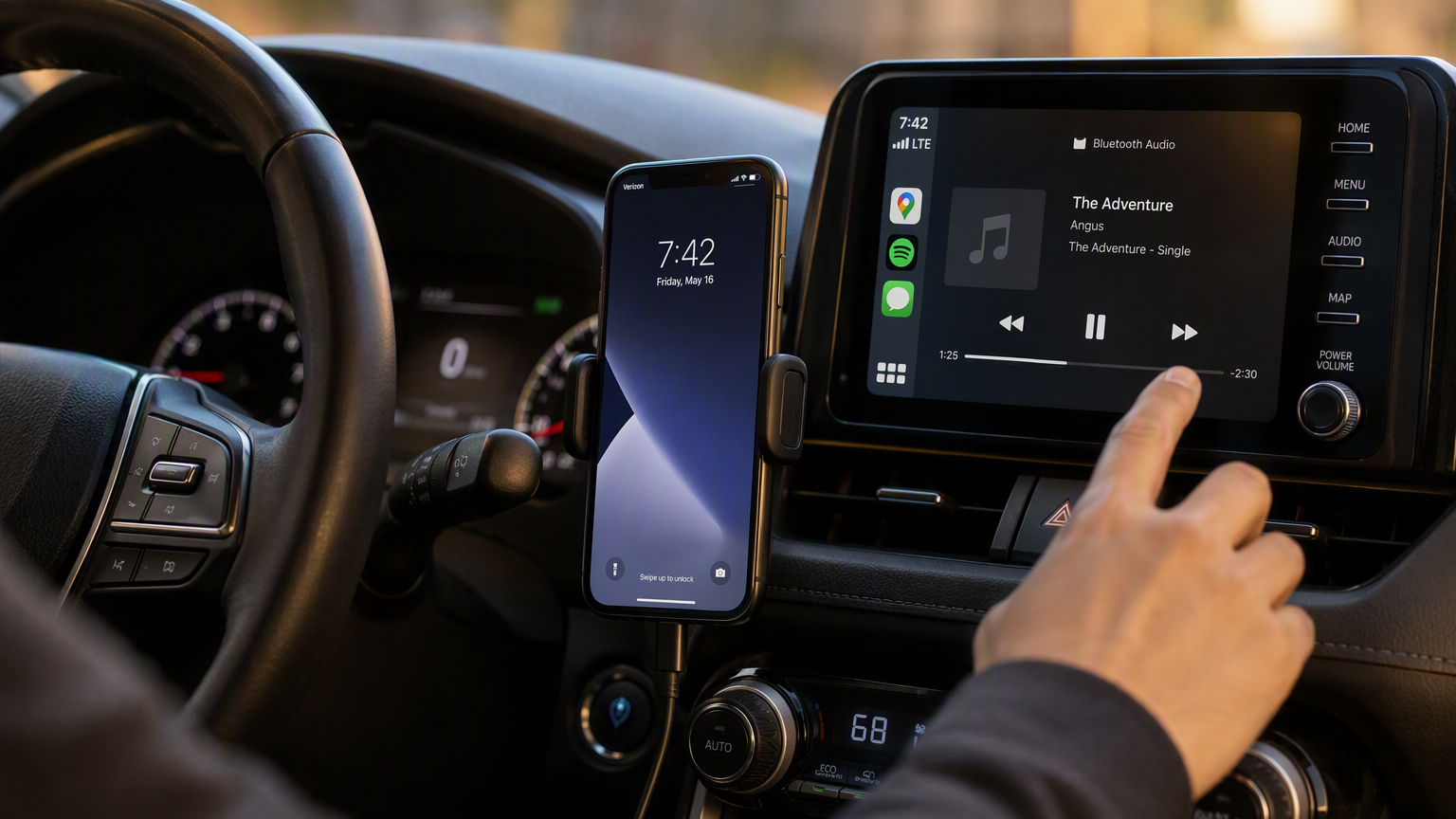
GM just admitted it screwed up. Not in a press release with fifteen lawyers reviewing every word, though I’m sure that happened too, but functionally, that’s what’s going on here. The company is bringing Apple CarPlay and Android Auto back to its EVs after ripping them out and telling everyone their own in-house infotainment system was better. Turns out people didn’t agree. Shocking, I know.
Wait, Didn’t They Just Do This?
Yeah. Back in 2023, GM announced it was ditching CarPlay and Android Auto in future EVs, starting with stuff like the Blazer EV. The pitch was basically “trust us, our software is the future, and besides, we get more data and more control this way.” They leaned hard into Google’s built-in Android Automotive OS instead. And look, on paper, some of that argument wasn’t crazy. Native integration can be smoother, GM wanted tighter control over the software experience, blah blah blah.
But here’s the thing nobody at GM seemed to want to say out loud: people don’t buy a car to fall in love with its infotainment system. They buy a car, plug in their phone, and expect their actual digital life, texts, maps, music, podcasts, all of it, to just show up. That’s the whole appeal of CarPlay. It’s not about GM’s software being bad (though from what I’ve read, plenty of owners weren’t thrilled with it). It’s about choice. People spent a decade getting used to their phone taking over the dashboard, and then GM just… took that away. Not gonna lie, that’s a bold move for a car company that’s already fighting an uphill battle convincing people to go electric in the first place.
The Data Angle Nobody Asked For
A big chunk of the original reasoning was about data. GM wanted access to driving behavior, in-cabin usage patterns, all that juicy telemetry that Apple and Google normally scoop up for themselves when CarPlay’s running the show. Makes sense from a business standpoint. Recurring software revenue, personalized services, maybe selling insights to insurance companies down the line, who knows. But asking customers to give up a feature they love so you can harvest more of their data? That’s a tough sell even when you dress it up in “seamless integrated experience” language.
So Why Cave Now?
Sales. Simple as that. When you strip away every corporate talking point, this is a company responding to buyers voting with their wallets, or in this case, voting by not buying. EV adoption is already a slog in the US. Consumers are cautious, charging infrastructure is still catchy-uppy at best in a lot of places, and range anxiety hasn’t fully gone away no matter how many times manufacturers insist it has. GM did not need one more reason for a hesitant buyer to walk away. And losing CarPlay was apparently exactly that reason for a lot of people.
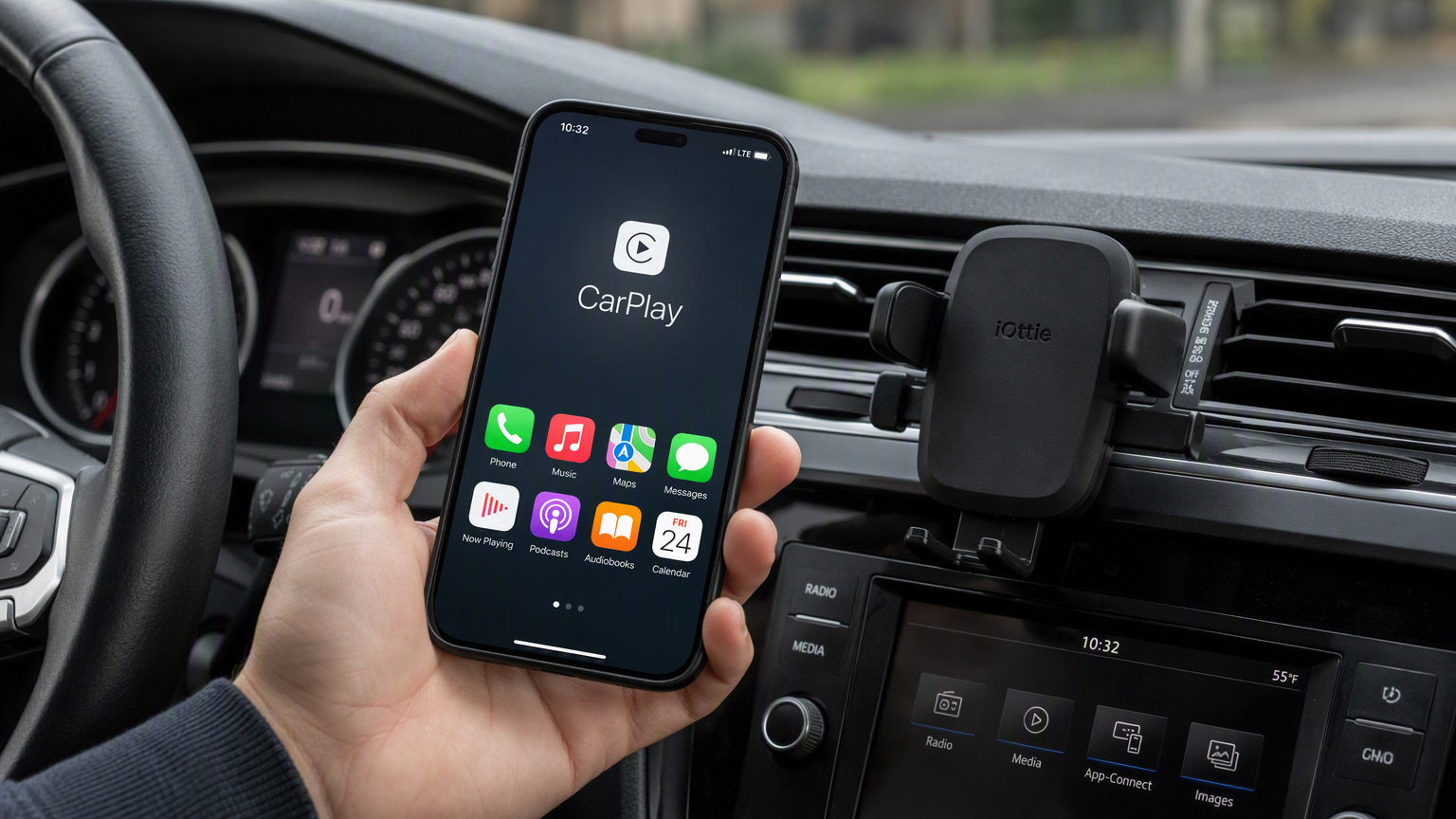
“Buyers demand it” – which, if you think about it, is a pretty blunt way for a company to admit the alternative flopped.
I’ve seen this pattern before in tech, honestly. A company decides it knows better than its customers, builds the “better” thing, and then customers just… don’t show up. Remember when everyone thought removing the headphone jack was going to be some hill worth dying on? Some hills aren’t worth dying on. This feels like one of those.
What GM Actually Lost by Waiting
Here’s what bugs me about this whole saga. GM didn’t just lose some sales, it lost time. Time it can’t really afford to waste right now. The EV market is brutal. Tesla’s still the default answer in a lot of people’s heads, legacy competitors are scrambling, and price wars have been eating into margins across the board. Spending a couple of years fighting a battle over dashboard software, of all things, while your bigger competitors are focused on range, charging speed, and price, seems like a genuinely strange use of resources.
And I get it, from GM’s perspective this probably felt like a strategic bet worth taking. Software is the future, ownership of the ecosystem matters, yada yada. But strategy has to meet reality at some point, and reality here was pretty loud. People like their phones. They like their phones more than they like whatever homegrown infotainment stack an automaker builds in-house, no matter how slick the demo looked at some tech showcase.
This Isn’t Really About Software
What’s interesting here is that this whole controversy was never really about which software was technically superior. It was about trust and habit. CarPlay isn’t just an app, it’s basically become an expectation, almost like power windows or Bluetooth. Take it away and you’re not offering an upgrade, you’re taking something away. People notice that. They resent that, actually. And in a market where switching costs between brands are lower than ever (used EVs, growing competition, more choices every year), resentment translates directly into lost sales.
From what I can tell, GM’s leadership eventually looked at the numbers, looked at the backlash on forums and Reddit threads (seriously, go look at how heated that original announcement thread got), and decided the ideological win wasn’t worth the financial loss. Good on them for reversing course, honestly. A lot of companies would’ve dug in out of pure stubbornness. “We already made the decision, we can’t look weak by changing it now.” That kind of thinking kills more products than bad engineering ever does.
What This Actually Means
This is basically a case study in what happens when a company tries to out-think its customers instead of just listening to them. GM wanted more control, more data, a tighter software ecosystem, all reasonable business goals in isolation. But none of that matters if the customer experience gets worse in the process. And that’s exactly what happened here.
I think we’ll see other automakers pay attention to this, quietly, without ever admitting it publicly. Nobody wants to be the next company to test how far they can push customers before those customers just leave. My guess? This reversal buys GM some goodwill, but not unlimited goodwill. If the next “innovative” feature they roll out also comes at the cost of something people already rely on, they might not get a second do-over.
So yeah, buyers won this round. Whether GM actually learned the real lesson here, or just learned “don’t touch CarPlay specifically,” that’s the part I’m still not sure about.