




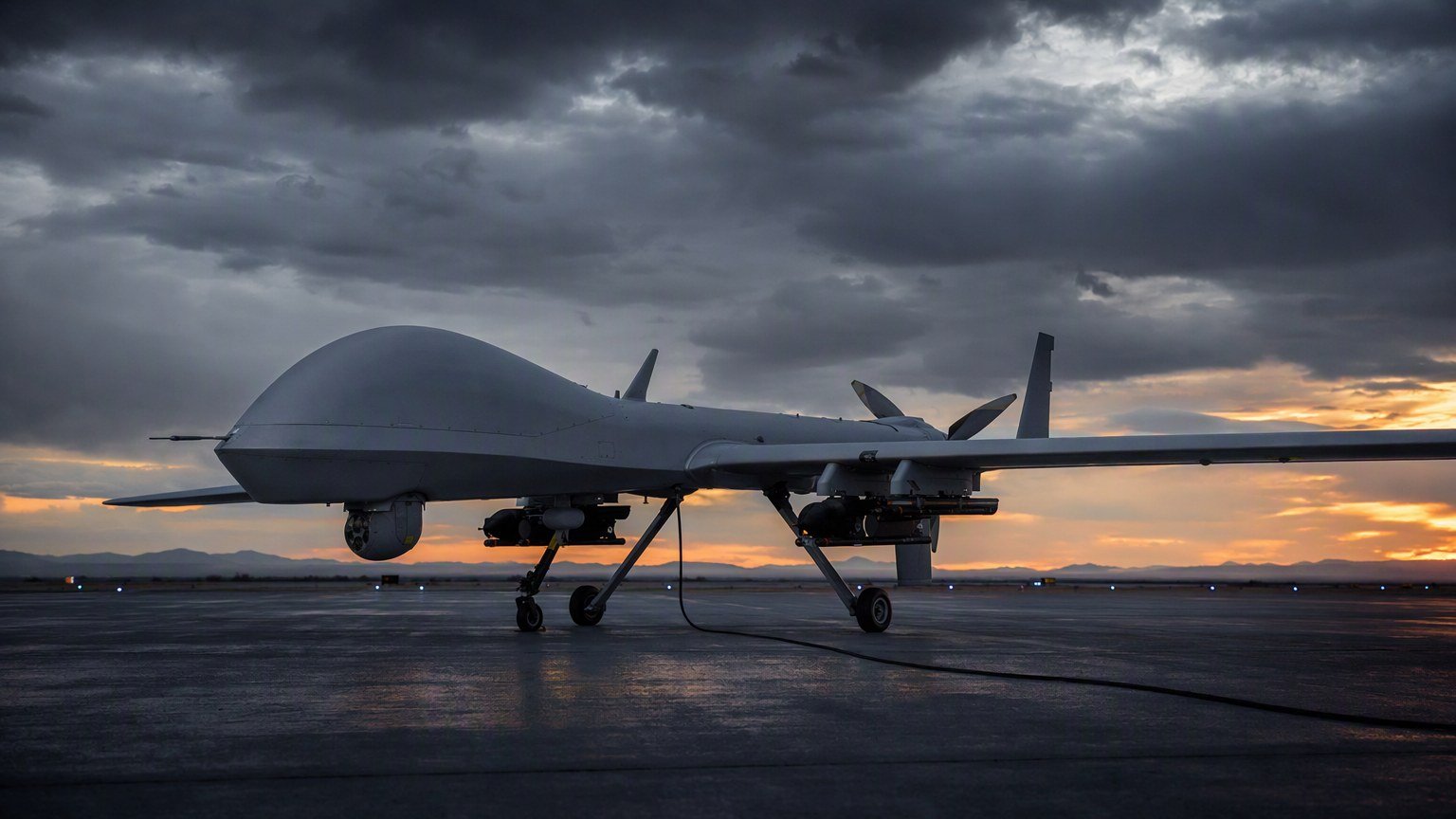
So Elon Musk just hit the brakes on Ukraine’s military drones. Mid-flight. No warning.
So Elon Musk just hit the brakes on Ukraine’s military drones. Mid-flight. No warning.
SpaceX quietly slapped a speed limit on its Starshield satellite terminals in Ukraine – the military-grade gear that keeps combat drones connected when they’re screaming across the sky at 100+ mph. And apparently nobody thought to mention this little policy change to, you know, the people actually using them in active combat zones.
The Disruption Nobody Saw Coming
Serhiy Beskrestnov, a presidential adviser in Ukraine, broke the news on Telegram Wednesday. His tone? Not thrilled. “Our defense forces did not receive a warning about this limitation, and this led to the disruption of several missions,” he wrote. Which is diplomatic-speak for: drones lost connection during operations because SpaceX decided to throttle service without a heads-up. The sudden blackout mirrors what happened when Starlink Goes Dark: Ukraine's Frontline Loses Lifeline overnight without explanation just days earlier.
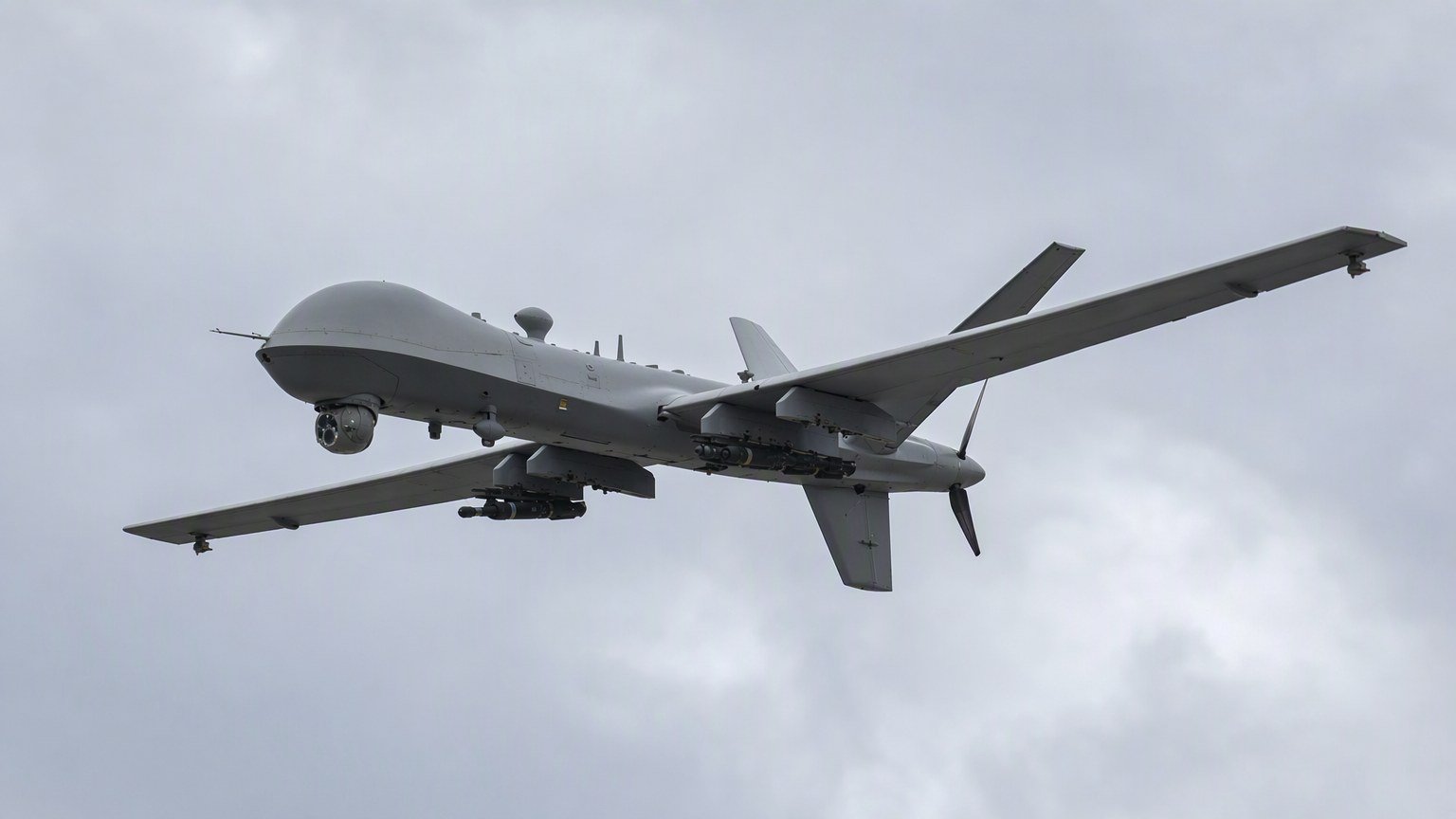
Here’s the thing – these aren’t your standard Starlink terminals that you set up in your backyard for faster Netflix. Starshield terminals are designed specifically for military use. They’re physically mounted on moving platforms like drones and armored vehicles, providing real-time communications while these things are hauling across battlefields. The whole point is that they work at high speeds, in challenging conditions, when everything else fails.
Until now, apparently.
The 100 MPH Wall
The new restriction kicks in above 100 miles per hour (160 km/h). For a lot of military drones – especially the fast-attack and reconnaissance models Ukraine’s been deploying – that’s basically their cruising speed. So you’ve got Ukrainian operators launching missions, drones get up to operational velocity, and suddenly they’re flying blind because Musk’s company decided connectivity at speed wasn’t part of the package anymore.
And look, I get it. SpaceX is a private company. Musk can set whatever terms he wants for his service. But the timing here? The lack of warning? That’s the part that stings. These aren’t canceled podcast subscriptions we’re talking about. These are active military operations in a war zone.
What Musk Actually Said (And What He Didn’t)
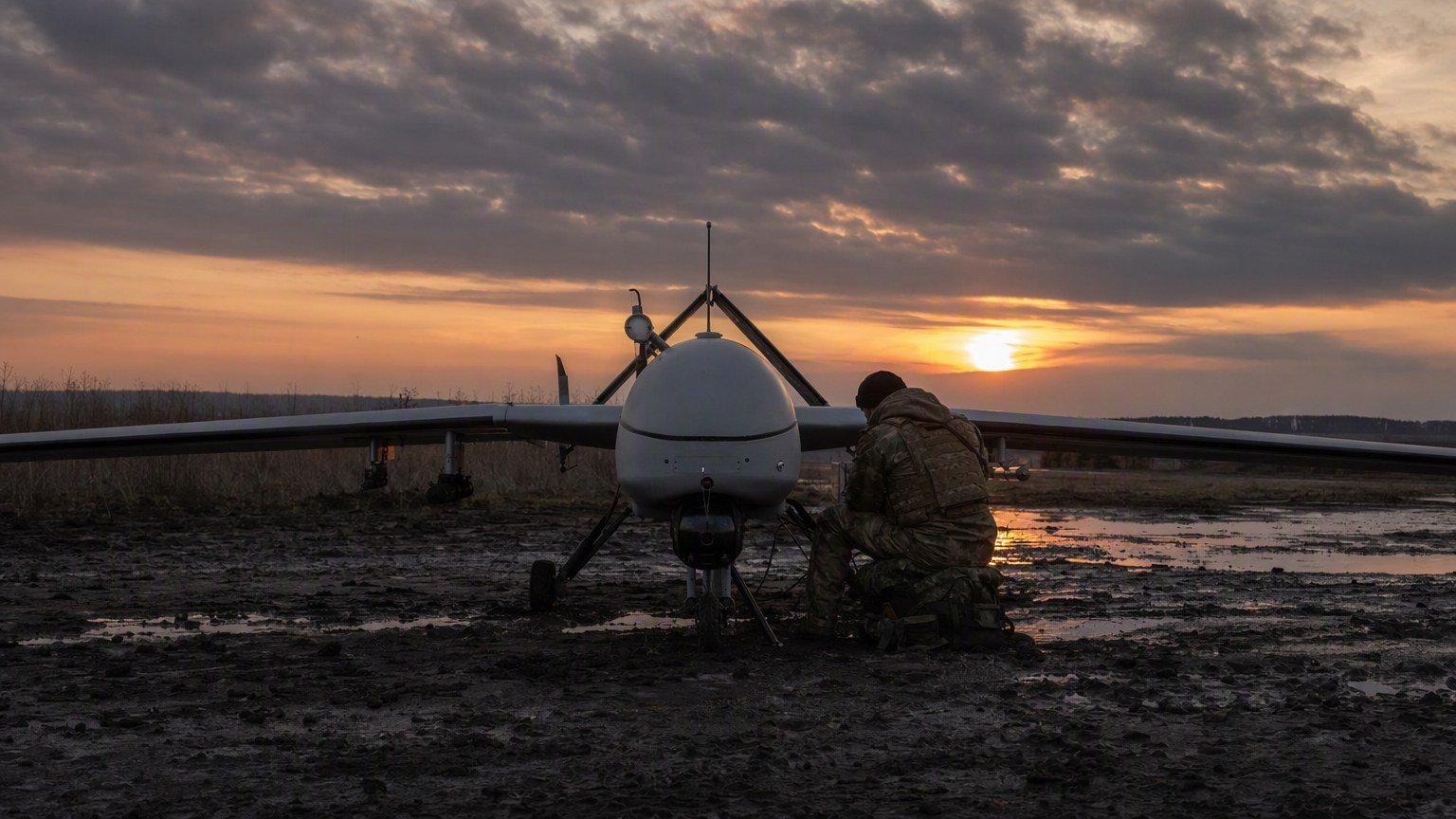
Musk’s public comment on this was characteristically blunt: “Zelensky has gone too far.” That’s it. No elaboration on what “too far” means in this context. Too many offensive operations? Too aggressive with drone strikes? Using Starlink in ways SpaceX didn’t originally envision?
It’s not entirely clear yet, but this feels like the latest chapter in Musk’s complicated relationship with Ukraine’s war effort. He’s been vocal before about his concerns that Starlink could be used for offensive strikes rather than just defensive communications. Back in 2022 and 2023, there were reports of SpaceX geofencing certain areas to prevent Starlink from working in Russian-occupied territories during Ukrainian advances.
“Our defense forces did not receive a warning about this limitation, and this led to the disruption of several missions.”
But here’s where it gets messy. Ukraine has become massively dependent on Starlink for military communications. Like, functionally dependent. When Russian forces knocked out traditional communication infrastructure early in the war, Starlink filled that gap. It became the backbone of everything from command-and-control to artillery coordination to, yes, drone operations. This isn't even the first disruption this month – troops are still trying to figure out what caused Starlink's Overnight Blackout Mystery last week.
So when Musk decides to change the rules – even if he’s within his rights to do so – it doesn’t just inconvenience Ukraine’s military. It fundamentally disrupts their operational capability. And doing it without warning? That’s not just a business decision. That’s a geopolitical lever getting pulled in real-time.
The Bigger Pattern Here
This isn’t the first time Musk has wielded control over Starlink as a kind of… what, diplomatic tool? Personal foreign policy? I’m honestly not sure what to call it anymore. But the pattern is pretty clear: he’s not comfortable being the invisible infrastructure guy. He wants agency in how this technology gets used, especially when it involves warfare.
And I mean, I actually have some sympathy for that position. Should a private company – even one with a government contract – be expected to provide unlimited support for military strikes in an active war? That’s a real ethical question.
But then again, if you’re going to take that stand, maybe don’t wait until missions are already underway to implement restrictions. The lack of coordination here is what really bothers me. Ukraine’s military didn’t get a memo, a phone call, a carrier pigeon – nothing. They found out when their drones started losing signal.
What This Actually Means
For Ukraine, this is a logistics nightmare. They now have to figure out workarounds for high-speed drone operations, probably reverting to older, less reliable communication systems or redesigning mission parameters to keep drones under the speed threshold. Neither option is great when you’re trying to maintain battlefield effectiveness.
For SpaceX, this is another reminder that being the world’s dominant satellite internet provider comes with responsibilities that don’t fit neatly into quarterly earnings calls. You can’t just be neutral infrastructure when governments and militaries depend on your service for national security.
And for Musk? Well, this is peak Musk, isn’t it. Making unilateral decisions about global conflicts via technology he controls, communicating through cryptic social media posts, leaving everyone else to decode his intentions and scramble for alternatives.
The question nobody seems to have a good answer for yet: who actually gets to decide how Starlink is used in war? The company that built it? The governments that rely on it? The people whose lives depend on it working when they need it most?
Because right now, it seems like the answer is just one guy. And he’s changing his mind without warning.