



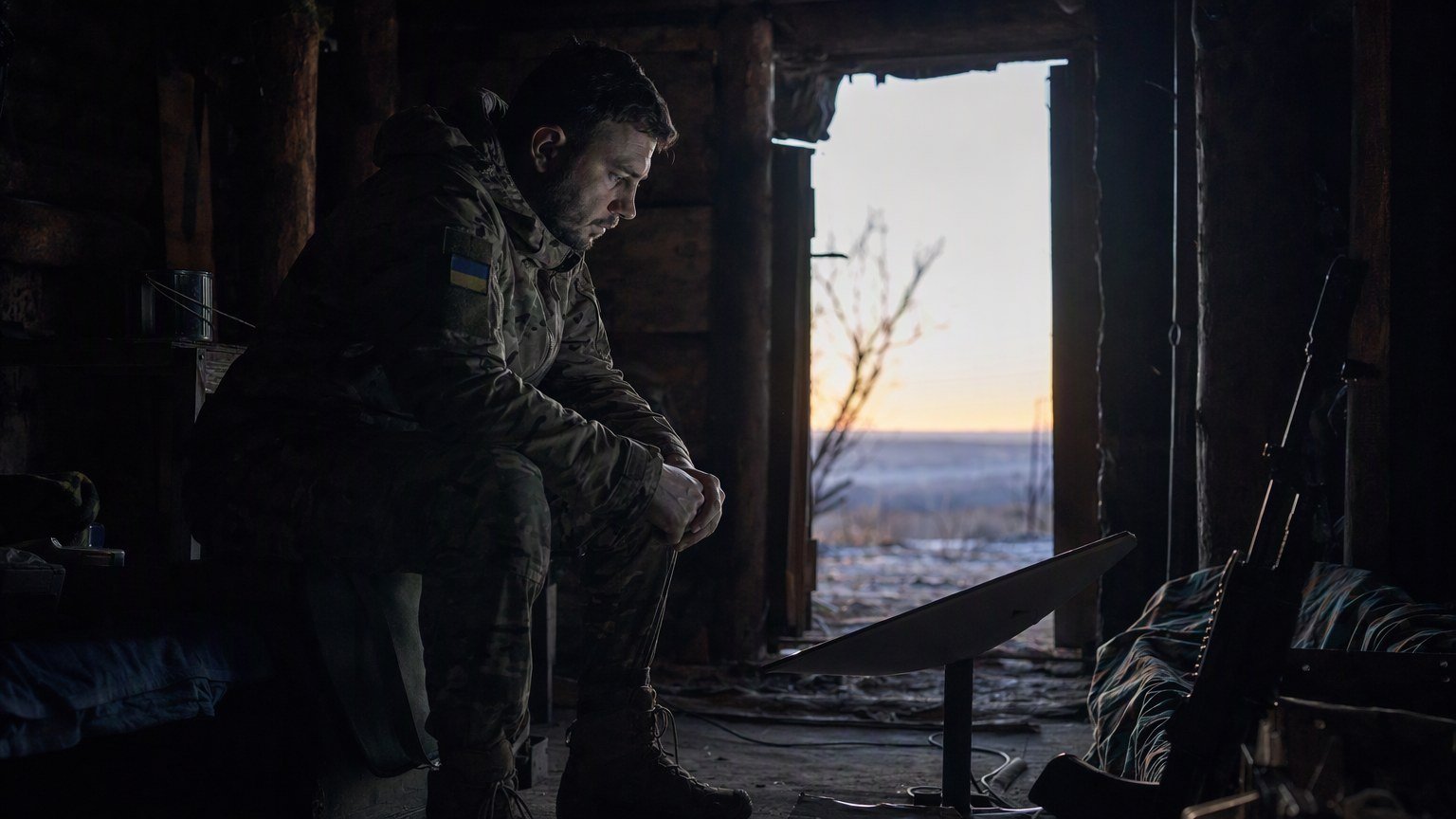
So here’s something that’s been making the rounds – and honestly, it’s the kind of thing that makes you wonder what the hell is actually happening over there. Ukraine woke up one morning and Starlink just… stopped working. Not everywhere, not gradually. Just went dark. Overnight.
So here’s something that’s been making the rounds – and honestly, it’s the kind of thing that makes you wonder what the hell is actually happening over there. Ukraine woke up one morning and Starlink just… stopped working. Not everywhere, not gradually. Just went dark. Overnight.
When Your Internet Falls From the Sky (Then Doesn’t)
Look, I’ve covered enough tech stories to know that outages happen. Servers crash, cables get cut, someone at headquarters pushes the wrong button. But this wasn’t your typical “oops, we’re working on it” situation. This was Starlink – Elon Musk’s satellite internet constellation that’s supposed to be, you know, immune to the kind of ground-based infrastructure problems that plague regular internet service.
The thing that gets me is the timing. Ukraine’s been relying on Starlink pretty heavily since the invasion started. It’s not just civilians checking their email – we’re talking military communications, coordination, the whole nine yards. And then it just blinks out? That’s not nothing. What happened when Starlink Goes Dark: Ukraine's Frontline Loses Lifeline isn't just about connectivity – it's about troops suddenly going silent mid-operation.
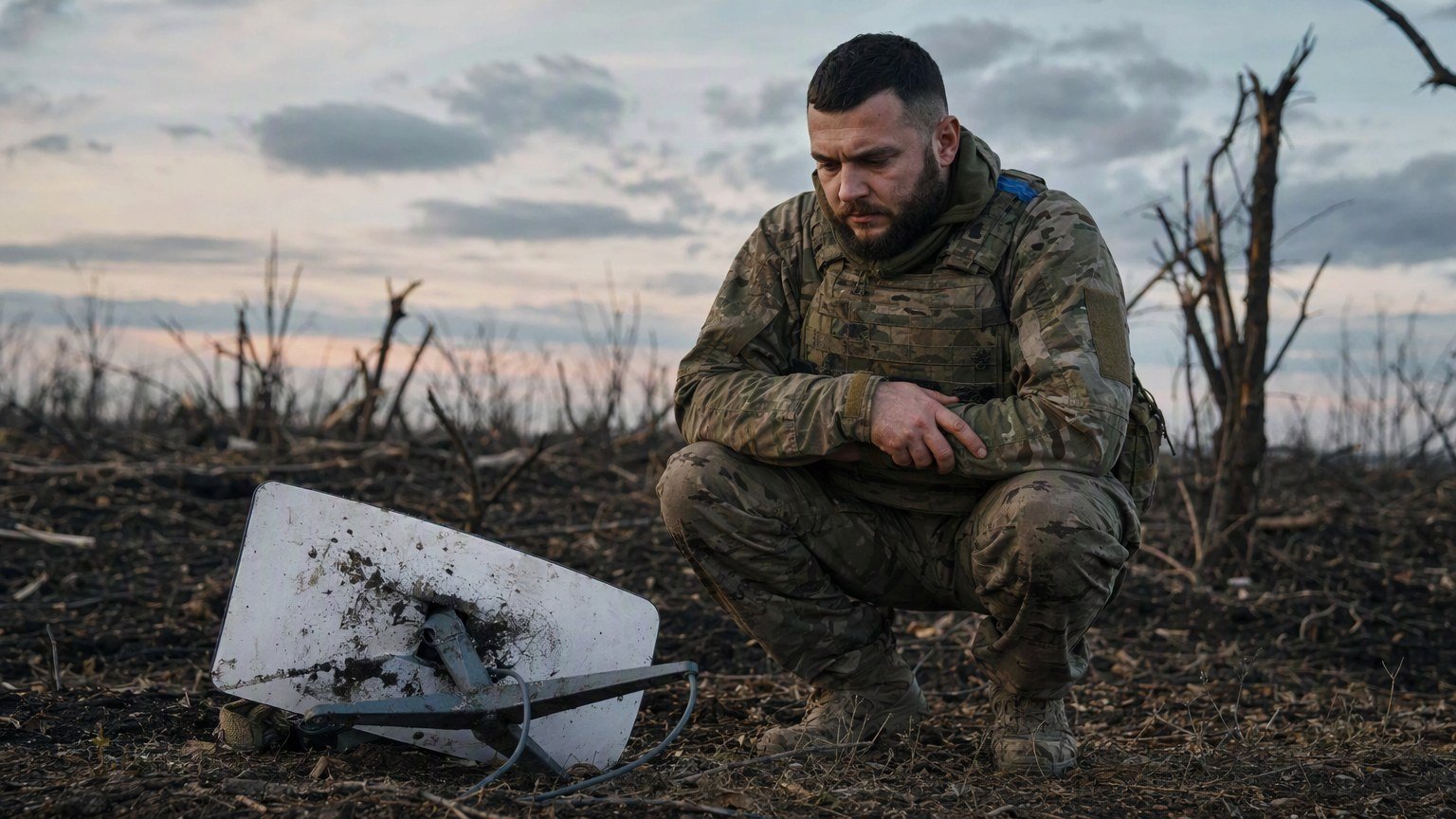
What’s interesting here is how little information actually came out initially. No big announcement from SpaceX, no detailed explanation from Ukrainian officials. Just a lot of people on the ground suddenly realizing their connection was gone and scrambling to figure out what happened. I mean, in 2024, going without internet feels like losing a limb – especially when you’re in the middle of a war zone.
The Geofencing Question Everyone’s Dancing Around
Here’s where it gets messy. And I’m gonna say this as clearly as I can: there’s been talk – not confirmed, but definitely circulating – that this might’ve been intentional. That SpaceX might’ve geofenced certain areas. Basically shut down service in specific locations.
Now, before anyone jumps down my throat, I don’t know if that’s what happened. Neither does anyone else publicly commenting on this, from what I can tell. But the fact that it’s even a plausible theory tells you something about where we are with privately-owned infrastructure in wartime.
When One Guy Controls the Satellites
This is the part that honestly drives me a little nuts. We’ve gotten so used to Musk being this wildcard figure – one day he’s the hero providing free internet to Ukraine, the next he’s tweeting peace proposals that sound like they were written by the Kremlin’s PR team. And nobody really knows what he’s gonna do next.
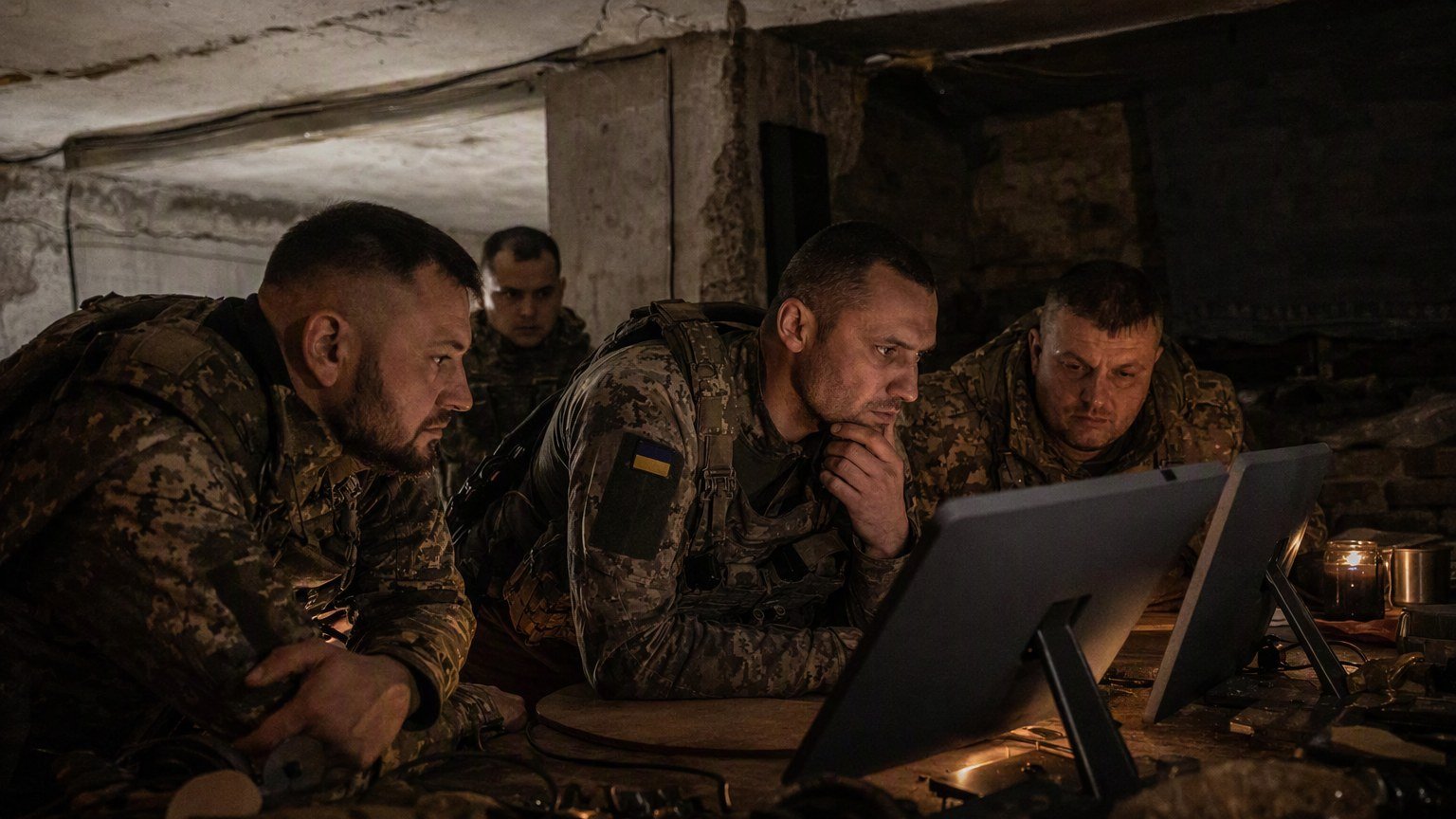
The problem isn’t just about one outage. It’s about dependency. Ukraine didn’t have a choice, really – when your ground infrastructure is getting blown up by Russian missiles, you take what you can get. But now they’re in this position where a significant chunk of their communications infrastructure is controlled by a private company. By one person, basically. The irony is that while Ukraine's trying to break its Starlink dependency, they've been hitting Russian infrastructure hard – here's Why Russia's Influence Machine Survived the Drone Strikes despite direct attacks on data centers.
“You can’t fight a 21st century war with 20th century infrastructure – but you also can’t fight it when someone else holds the off switch.”
What Actually Caused It? Good Luck Getting a Straight Answer
I’ve seen speculation ranging from technical glitches to cyberattacks to deliberate policy changes. The official line – when there even was one – was vague enough to be useless. “Service interruption.” “Technical issues being resolved.” The kind of corporate-speak that tells you absolutely nothing.
And maybe that’s the scariest part? Not knowing. Because if it was a hack, that means Russia (or someone) figured out how to take down satellite internet. If it was intentional, that means private companies can just flip switches on critical infrastructure during wartime. If it was just a coincidence… well, that’s one hell of a coincidence.
The service did come back, eventually. Hours later in most places. But those hours matter when you’re trying to coordinate troop movements or evacuate civilians or, I don’t know, just talk to your family and make sure they’re alive.
The Bigger Picture Nobody Wants to Talk About
Here’s what keeps me up at night about this whole situation – and not gonna lie, it should probably worry you too. We’ve built this incredibly complex web of dependencies on private infrastructure that we don’t really control and don’t fully understand. Starlink’s just one example.
Ukraine’s situation is extreme, obviously. Most of us aren’t dealing with active warfare. But the principle’s the same. What happens when critical infrastructure is privately owned and the owners have… let’s call them complicated geopolitical views? What happens when profit motives or personal opinions can influence who gets service and who doesn’t?
I mean, think about it. Musk’s been pretty vocal about his thoughts on the war, on negotiations, on what Ukraine should and shouldn’t do. That’s his right, sure. But when those opinions are backed by the ability to literally turn off communications? That’s different. That’s power that used to belong to governments, for better or worse.
So Where Does This Leave Us?
Honestly? In a weird spot. Ukraine needs Starlink – that’s not changing anytime soon. But this blackout, however it happened, exposed just how fragile that dependency is. And it’s not like there’s a great alternative waiting in the wings. Europe’s been talking about building its own satellite constellation, but that’s years away from being operational.
The thing is, this isn’t the last time something like this is gonna happen. Maybe next time it’ll be longer. Maybe it’ll be somewhere else. Maybe – and this is what really gets me – maybe we won’t know if it was an accident or a choice until years later when someone writes a book about it. Speaking of things going dark unexpectedly, The Day Russia's Troll Army Went Dark shows what happens when the other side loses connectivity – and it's not always what you'd expect.
What I do know is this: when your internet comes from space and the satellites are owned by a guy who tweets through ketamine dreams at 3 AM… well, you might want a backup plan. Ukraine learned that the hard way. The rest of us should probably be paying attention.