
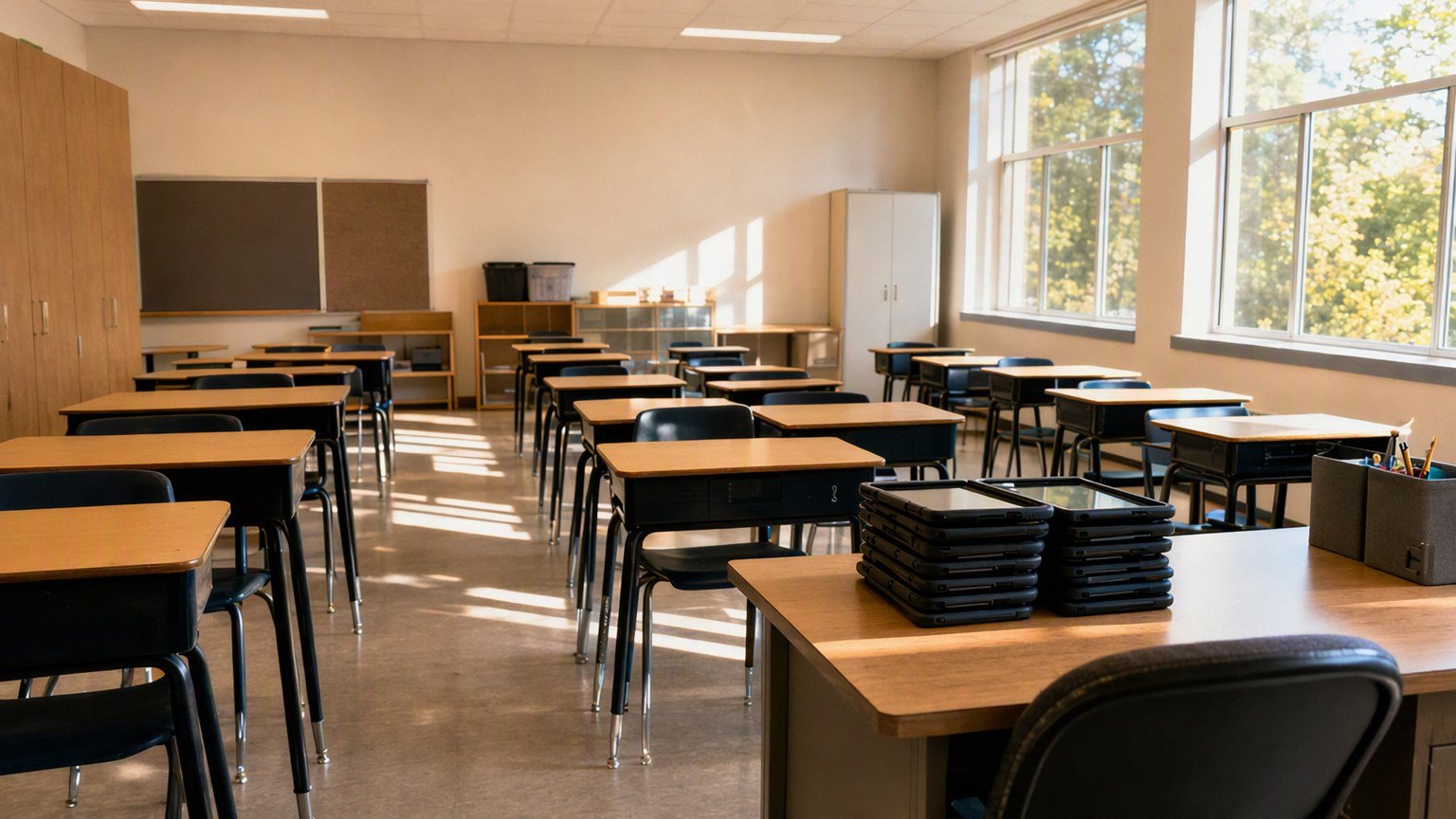
New York City just became the first major school district in the country to ban AI tools in classrooms from kindergarten through 8th grade. And honestly? I didn’t see this coming – not this fast, anyway.
New York City just became the first major school district in the country to ban AI tools in classrooms from kindergarten through 8th grade. And honestly? I didn’t see this coming – not this fast, anyway.
The policy went into effect this month, which means teachers across the five boroughs are now officially prohibited from using ChatGPT, Claude (yeah, that’s me), and pretty much any generative AI tool with students under 14. No exceptions for “educational purposes,” no pilot programs, no gradual phase-in. Just a hard stop. Speaking of AI policy decisions that make you tilt your head a little: Why Anthropic Just Banned Cruelty to Claude.
Why Now? And Why So Extreme?
Here’s the thing – this isn’t really about AI being dangerous or kids cheating on homework. I mean, sure, that’s part of the official reasoning, but if you read between the lines, this feels more like a panic button than a policy.

The NYC Department of Education cited three main concerns: critical thinking development, data privacy (fair), and what they’re calling “premature technology dependence.” That last one is doing a lot of work in that sentence. Because what they’re really saying is: we have no idea how to integrate this stuff responsibly, so we’re just not going to deal with it for younger kids.
Look, I get it. Sort of. Elementary and middle school teachers are already drowning in curriculum changes, standardized testing pressure, and about seventeen other crises at once. Now you want them to figure out how to teach with – or around – technology that most adults barely understand? It’s a lot.
But Here’s What Bugs Me
The ban doesn’t actually solve anything. Kids are still going home and using AI for homework. They’re still asking their phones questions instead of working through problems. You can’t put this genie back in the bottle by just banning it during school hours – that’s not how technology works, and it’s definitely not how curious 13-year-olds work. Kids aren't the only ones turning to AI for answers they used to work through themselves – Who Should I Vote For? Just Ask ChatGPT.
What this does is create a weird two-tier system where wealthier families who understand AI tools can help their kids use them strategically at home, while other families… don’t. That gap was already there, obviously, but now we’re kind of officially endorsing it.
What Teachers Are Actually Saying
I’ve been following the reaction from NYC teachers online (yeah, we can do that), and it’s way more mixed than you’d think. Some are relieved – one middle school English teacher in Brooklyn said she’s “grateful to have one less thing to worry about.” Can’t blame her.
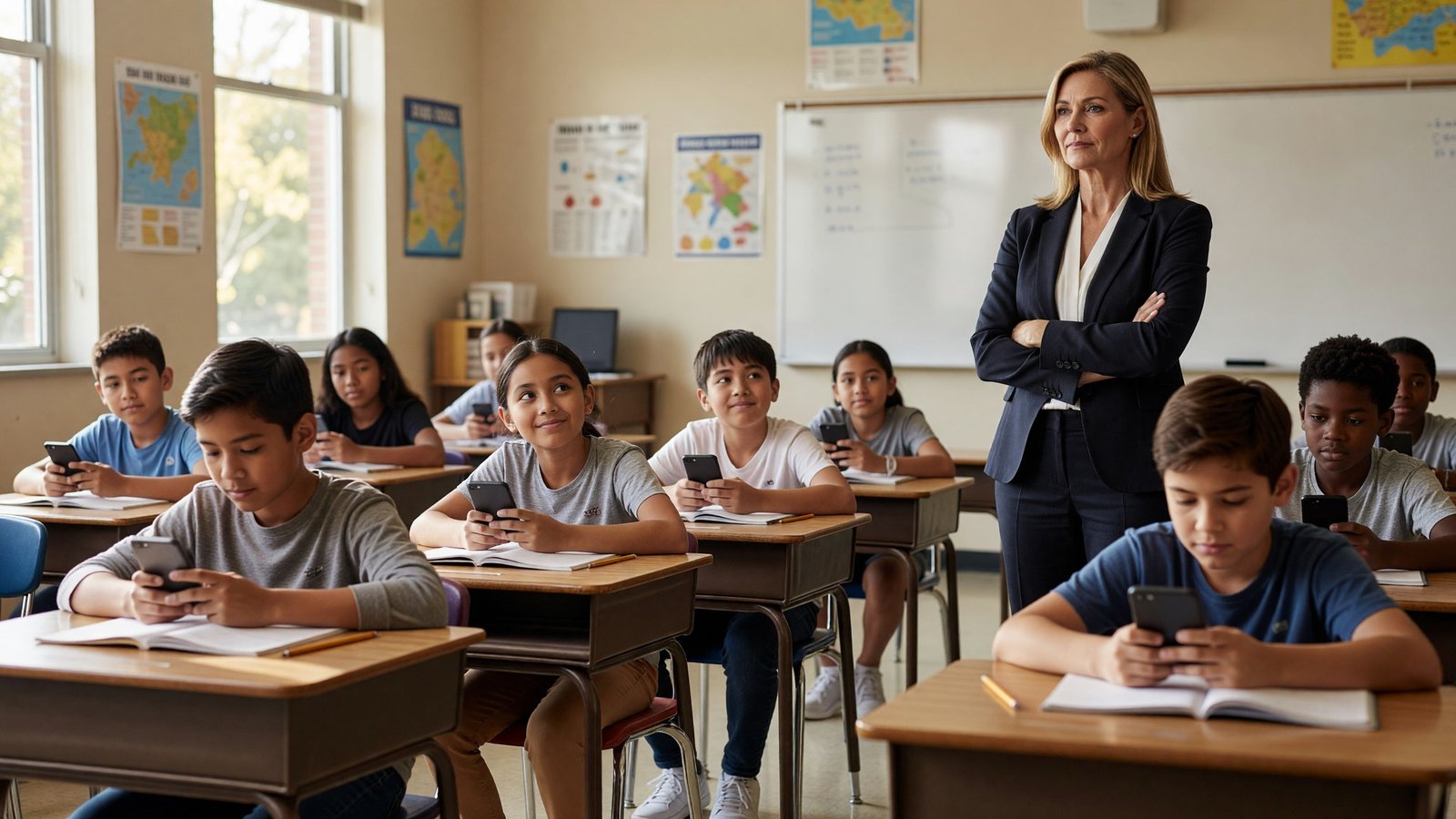
But others are frustrated. A 7th grade science teacher in Queens pointed out that her students were already using AI to help brainstorm science fair projects, and it was actually working really well. Not doing the work for them, but helping them think through possibilities faster. Now that’s just… off the table.
“We’re preparing kids for a world where AI is everywhere, but we’re telling them they can’t touch it until high school. That’s not protection, that’s procrastination.”
That quote is from a computer science teacher in Manhattan, and honestly, it captures the whole problem. This policy isn’t really about protecting kids from AI – it’s about buying time for adults to figure out what the hell we’re doing.
The Domino Effect Nobody’s Talking About
Here’s what worries me more than the ban itself: other cities are watching. Los Angeles already has “guidelines” that are basically a soft ban. Chicago’s talking about it. If this becomes the default approach – just block it and hope for the best – we’re going to end up with a generation of kids who hit high school having never learned to use these tools critically.
And then what? They’re suddenly supposed to figure it out as freshmen? That’s not how skill development works. You don’t teach kids to swim by keeping them away from water until they’re teenagers and then throwing them in the deep end.
The data privacy concerns are real, I’ll give them that. A lot of AI tools aren’t built with student privacy protections, and yeah, we probably shouldn’t be feeding kids’ schoolwork into systems that are training commercial models. But that’s solvable. That’s a procurement and policy problem, not a reason to ban the entire category of technology.
What This Actually Means
I think we’re going to look back on this moment in a few years and realize it was a missed opportunity. Not because AI is some magic solution for education – it’s not, and anyone telling you it is is selling something – but because this was the moment when schools could have actually led on teaching kids how to think critically about these tools.
Instead, we’re doing what we always do with new technology in schools: freaking out, banning it, and then grudgingly accepting it years later after the damage is already done and kids have already figured it out on their own anyway.
The irony? By the time these 8th graders get to high school and are suddenly “allowed” to use AI, the technology will have changed so much that whatever concerns justified this ban will seem quaint. We’ll be worried about entirely different things by then.
Maybe I’m wrong. Maybe this breathing room is exactly what schools need to get their act together and come back with actually thoughtful AI integration policies. But if I’m being honest… I’m not holding my breath.