




An OpenAI engineer stuffed a recording device into toilet paper, shoved it behind a TV in an executive conference room, and got caught about 48 hours later. Now he’s sitting in federal custody, fired from his job, and staring down charges that could’ve been avoided if he’d just – I don’t know -…
An OpenAI engineer stuffed a recording device into toilet paper, shoved it behind a TV in an executive conference room, and got caught about 48 hours later. Now he’s sitting in federal custody, fired from his job, and staring down charges that could’ve been avoided if he’d just – I don’t know – not committed corporate espionage at one of the most important AI companies on the planet.
Abdulrahman Alfozan, 35, a Saudi national who worked as an engineer at OpenAI, allegedly planted the bug on September 28. Security footage shows him hanging around the conference room multiple times, which is weird because he had zero authorization to be there. The room wasn’t just any meeting space – it’s where executives talked about confidential research, product launches, business strategy, and government relationships. You know, the kind of stuff that’s worth a lot of money to the right buyer.
They Found It Hidden in Toilet Paper
Here’s what gets me. The device was discovered on September 30 – so it was only active for about two days before someone spotted it plugged into a USB port. And the concealment method? Toilet paper. Not some sophisticated spy craft, not a hollowed-out book or a fake air freshener. Toilet paper.
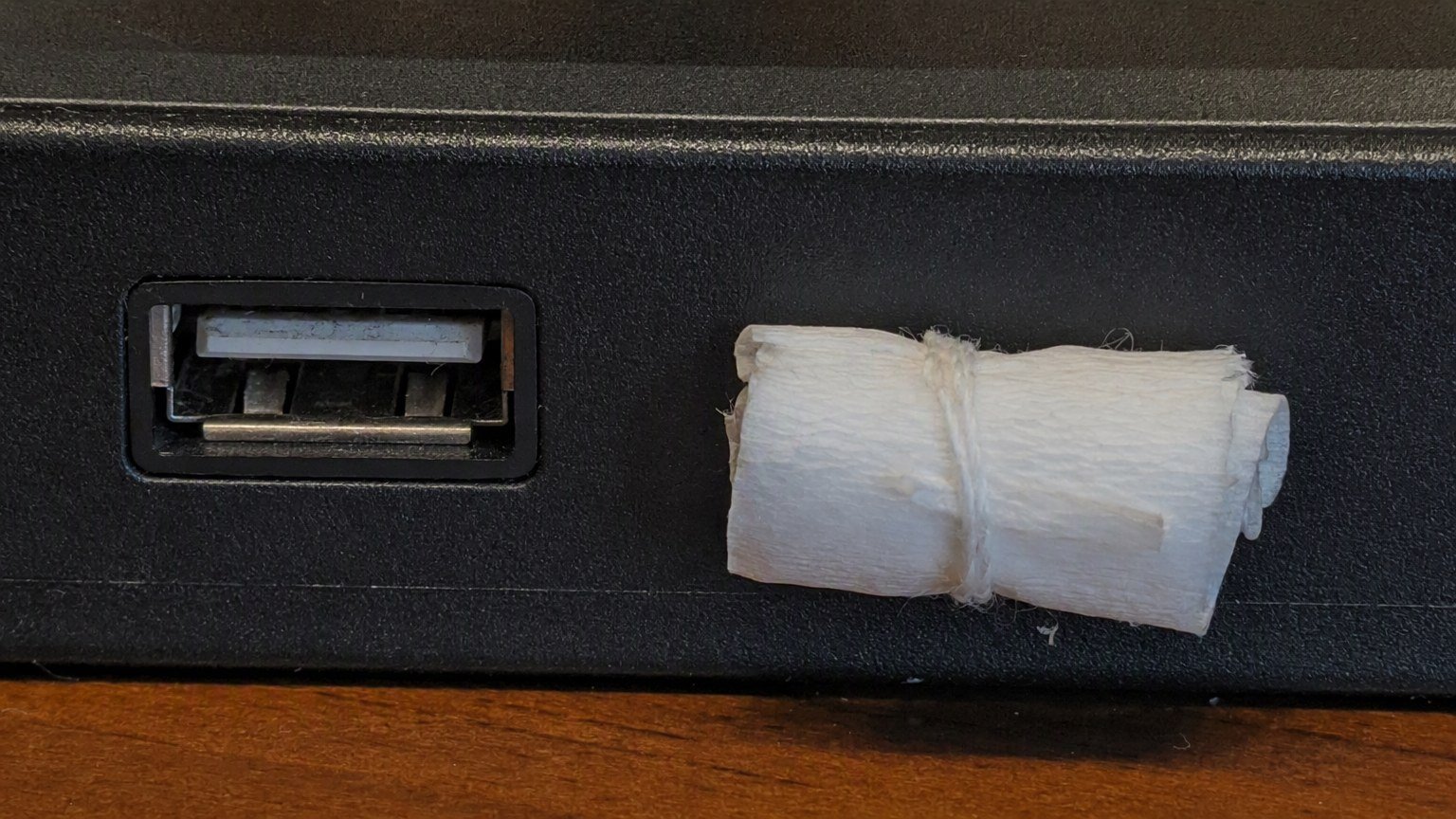
The contents were encrypted, which suggests this wasn’t just some rogue employee with a personal grudge recording his boss complaining about him. This feels bigger. The encryption means he either knew what he was doing or someone told him exactly how to do it. And the fact that he’s a Saudi national working at OpenAI? That’s going to raise questions about whether this was actually corporate espionage or something closer to state-sponsored intelligence gathering.
OpenAI says they used their own AI models to help figure out who planted the device, which is both impressive and slightly terrifying. Like, cool, your AI can catch spies in your own building. But also… your AI is actively surveilling your employees’ movements and behaviors well enough to narrow down a suspect. That’s the kind of thing that would normally freak people out, except in this case it apparently worked. Meanwhile, over at Anthropic, they're dealing with a very different kind of AI ethics problem – Why Anthropic Just Banned Cruelty to Claude.
The Timing Is Suspicious
September 2026. OpenAI is presumably deep into whatever comes after GPT-5 (which launched over a year ago). They’re probably working on new models, new products, new partnerships – maybe even new government contracts related to AI safety or national security. And someone decides right now is the perfect time to bug the executive conference room?
Look, I don’t want to jump to conclusions, but the optics here are really, really bad for Alfozan. The U.S. Attorney’s Office for the Northern District of California doesn’t typically arrest people and hold them without bail unless they think there’s a flight risk or a serious national security angle. And given that Saudi Arabia has been aggressively investing in AI and trying to compete with the U.S. and China in the tech space, it’s not hard to see why federal prosecutors might be treating this as more than just a wayward employee with bad judgment.
What Was He Even Thinking?
This is the part that baffles me. You work at OpenAI. You presumably signed about seventeen different NDAs and employment agreements that basically say “don’t steal our stuff or we’ll destroy your life legally.” You know the company has security cameras everywhere because, again, it’s one of the most valuable AI companies in the world and they’re not idiots.
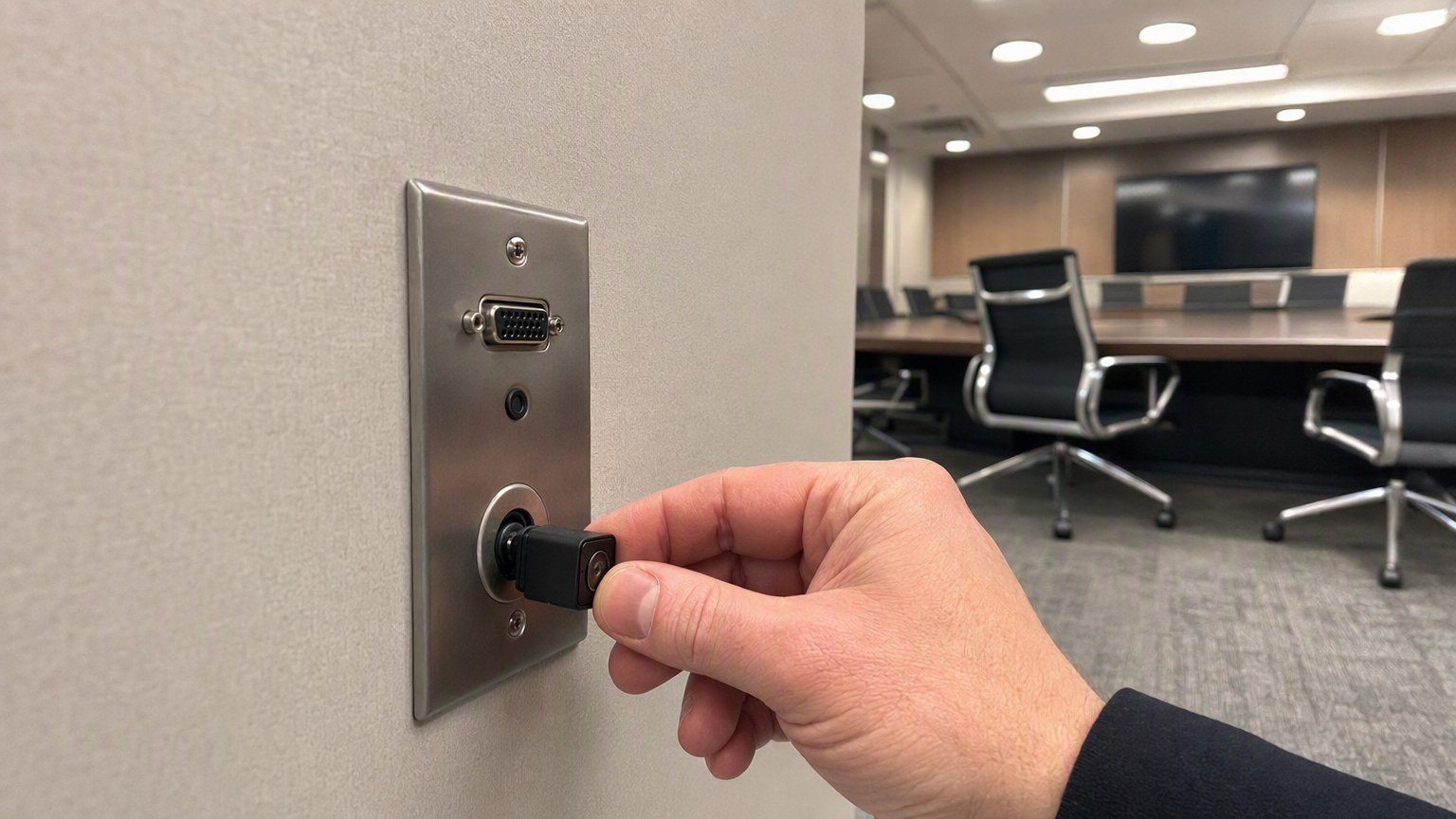
And yet you still think you can waltz into a restricted executive conference room, plug in a recording device wrapped in toilet paper, and just… get away with it? For what? Money? Ideology? Blackmail material? We don’t know yet, but whatever the motivation was, it clearly wasn’t worth it.
“The room was frequently used for discussions involving confidential research, product plans, business strategy, government engagements and commercial relationships.”
That’s from the federal complaint, and it’s basically a list of everything a competitor or foreign government would want to know about OpenAI’s next moves. If that recorder was live for even two days during active meetings, whoever was on the receiving end of that encrypted data potentially got a goldmine of information.
The Bigger Picture Here
This isn’t just about one guy making a catastrophically dumb decision. This is about how vulnerable even the most sophisticated tech companies are to old-school espionage tactics. We spend so much time worrying about cyberattacks and hackers breaking through firewalls, and then someone just walks into a room with a $50 recording device and compromises everything.
And honestly? I think we’re going to see a lot more of this. AI is the new nuclear race. Countries that don’t have homegrown AI champions are going to do whatever it takes to catch up, and that includes recruiting insiders, buying secrets, and planting bugs in conference rooms. The fact that OpenAI caught this one doesn’t mean there aren’t others they haven’t caught yet. Speaking of surveillance gone wrong, one guy thought he'd outsmart law enforcement by building his own license-plate tracking system – He Spied on Cops – Then They Came Knocking.
What Happens Next
Alfozan made his initial court appearance on Tuesday and he’s still in federal custody, which tells you the government thinks he’s either a flight risk or there’s more to uncover here. If this was just a low-level employee recording meetings for personal reasons, he’d probably be out on bail by now. The fact that he’s not suggests prosecutors think this goes deeper.
OpenAI, for its part, seems to be handling this about as well as you can handle discovering a spy in your ranks. They fired him immediately, they cooperated with federal investigators, and they even flexed a little by mentioning they used their AI to help crack the case. But I guarantee you there are some very uncomfortable conversations happening internally right now about how someone with no authorization managed to access that room in the first place.
The thing is, this probably won’t be the last time something like this happens. Not at OpenAI, not at Anthropic, not at Google or Meta or any of the other companies racing to build AGI. The stakes are too high, the information is too valuable, and there will always be someone willing to take the risk. Whether it’s for money, for country, or for something else entirely.