
Amazon just told local officials across the country they can finally talk. For years, towns getting courted for massive data center projects had to sign nondisclosure agreements just to sit in the room, and now the company that basically invented the modern data center arms race says it’s done…
Amazon just told local officials across the country they can finally talk. For years, towns getting courted for massive data center projects had to sign nondisclosure agreements just to sit in the room, and now the company that basically invented the modern data center arms race says it’s done with that approach. Funny how that works out right when the backlash gets loud enough to actually threaten the business.
So What Actually Happened Here
CEO Matt Garman put out a blog post on Friday laying out a handful of moves the company says it’s already making. The big one: no more NDAs for local officials negotiating data center deals. On top of that, Amazon’s pledging $1 billion over the next five years to the communities that end up hosting these facilities – free community college, workforce training programs, energy efficiency upgrades for schools and homes and whatever community buildings need a new HVAC system. It’s a lot of money. It’s also, let’s be honest, a lot less money than Amazon is about to spend building the actual data centers.
Here’s the thing that jumped out at me though – Garman didn’t frame this as some goodwill gesture out of the kindness of Amazon’s corporate heart. He framed it as a national emergency. “Right now there are over 100 data center moratoriums being considered across the country,” he wrote, and then went full doomsday about it, saying if those moratoriums go through the US could be “writing its own losing ticket” in the AI race, with consequences that “would last generations.” That’s not PR speak about community partnership. That’s a company genuinely spooked that local governments might actually stop them.
And Can You Blame the Towns?
Not really, no. If you’ve been following this at all, you know NDAs have basically become the symbol of everything people hate about the data center boom. Local officials sign these agreements and then suddenly they can’t tell their own constituents how much water a project is going to drain from the aquifer, how much power it’s going to pull off the grid, or sometimes even which tech company is actually building the thing. People vote for these officials. They don’t vote for secrecy.
The Hyperion Problem
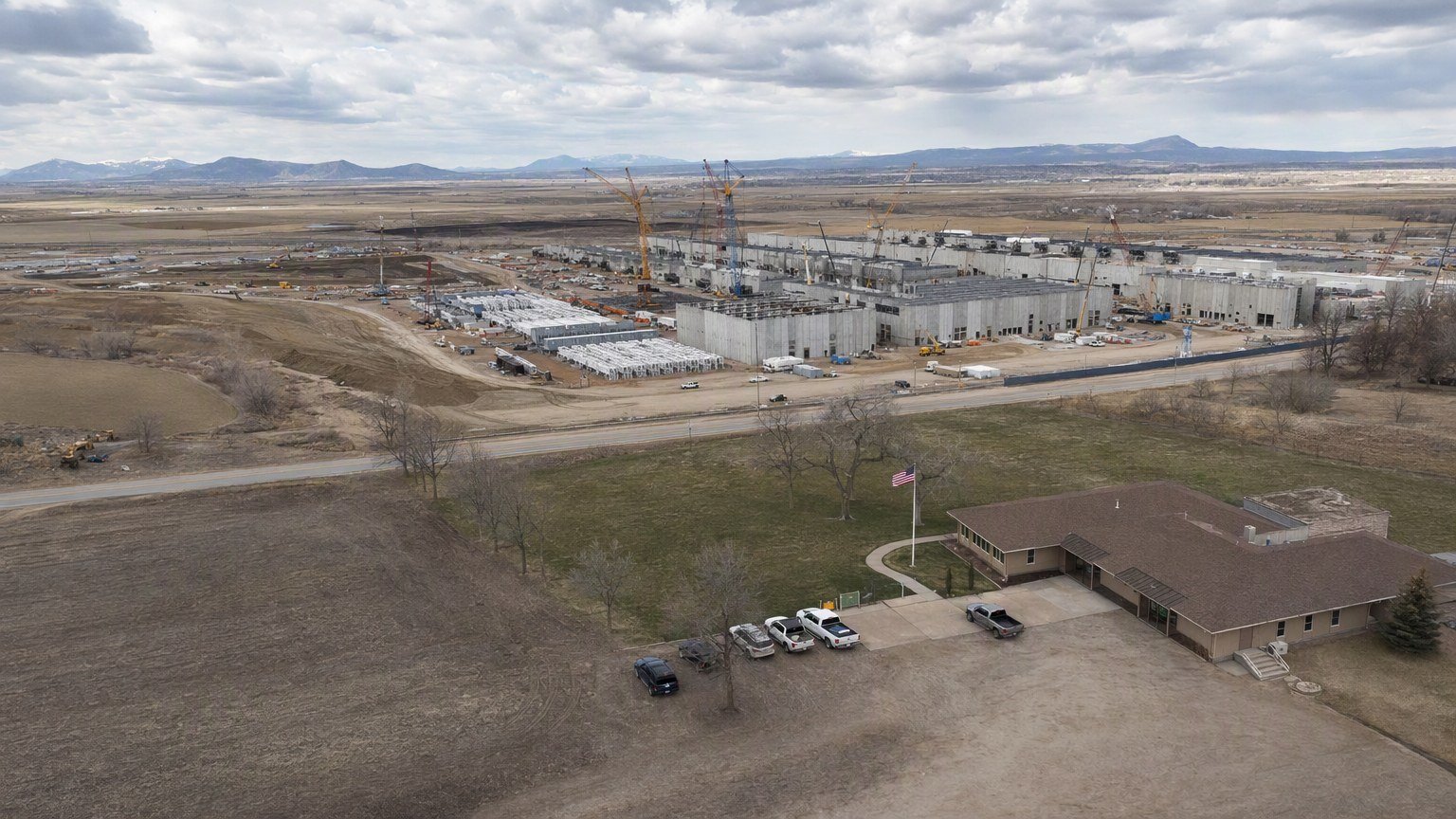
Back in July, the New York Times dug into this exact dynamic with Amazon’s Hyperion data center project – a massive buildout where secret agreements at basically every level of government helped the plans move forward without much public scrutiny. That reporting became a kind of flashpoint, I think, because it crystallized what a lot of residents already suspected but couldn’t prove: that the system was built to keep them in the dark until it was too late to object. It's the same pattern that played out when a Redaction Fail Exposes What Google's Data Center Really Uses, revealing water and power numbers the company clearly didn't want public.

And once something like that gets reported, it doesn’t just stay contained to one project. It becomes ammunition. Every city council member fielding angry calls about a proposed data center now has a specific, documented example to point to. “This is what happens with these NDAs.” That’s a hard narrative to walk back once it’s out there.
“If these measures are enacted, the US could be writing its own losing ticket to [the AI] race, and the consequences would last generations. As a country, we can’t afford to find ourselves in that position.”
Is This Actually Generous or Just Smart Timing
I keep going back and forth on this, if I’m being honest. On one hand, ending the NDA practice is genuinely a good thing. Local officials should be able to tell their constituents how much electricity a facility is going to suck up. That’s not a controversial position, that’s just basic democratic accountability. The $1 billion for community college and workforce training is real money going to real people, and I’m not going to pretend that’s nothing.
But let’s not pretend this came from nowhere. Over 100 moratoriums being actively considered is not a small number. That’s a company watching the regulatory walls close in from basically every direction and deciding the smart move is to get ahead of it rather than fight it project by project in a hundred different town halls. This is risk management dressed up as corporate responsibility. Which, fine, that’s how a lot of good policy actually gets made in this country – not out of pure altruism but because the alternative got too expensive. I’m not mad about the outcome. I’m just not going to act surprised that it took actual political pressure to get here. That regulatory pushback is exactly what's fueling things like The AI Power Bloc Fighting State Resistance, where OpenAI, Softbank, and Blackstone are organizing against the same kind of local pushback.
What’s interesting here is the specific choice of what to invest in. Energy efficiency upgrades for schools and homes is a pretty direct way of saying “yes, we know we’re straining your grid, here’s money to offset that.” It’s an admission dressed up as a gift. Workforce training and free community college, meanwhile, is Amazon’s answer to the jobs question – because the dirty secret of data centers is they create way fewer permanent local jobs than the tax breaks and incentives towns hand out would suggest. A facility that size might employ a surprisingly small full-time staff once construction wraps up. So giving people a path into those jobs, or into tech more broadly, is at least addressing the actual complaint instead of just throwing cash at it. It's worth comparing that approach to how Microsoft's Data Centers Wear a Green Disguise, pointing attention toward wetlands instead of the gas plants actually powering them.
What This Actually Means
Amazon didn’t do this because it suddenly discovered transparency is good, actually. It did this because the political cost of secrecy got higher than the cost of openness, and that math only works out that way when enough communities push back hard enough, loud enough, for long enough. Give the residents and local officials who kept raising hell about this credit, because this didn’t happen in a vacuum.
The real test isn’t the blog post though. It’s whether this actually changes how the next deal gets negotiated in some town most of us have never heard of, where there’s one local reporter and a part-time town council that’s never dealt with a company this size before. NDAs or no NDAs, that power imbalance doesn’t disappear with one announcement. I’d watch what happens in the next six months before deciding whether this was a real shift or just a very well timed press release.