
Google really, really did not want you to know how much water and electricity its Lincoln data center is burning through. And for a while, that worked. The company stamped “trade secret” on the numbers, cited a pile of Nebraska statutes, and figured that was the end of it. Except someone forgot…
Google really, really did not want you to know how much water and electricity its Lincoln data center is burning through. And for a while, that worked. The company stamped “trade secret” on the numbers, cited a pile of Nebraska statutes, and figured that was the end of it. Except someone forgot that redacting a PDF by slapping a black box over text doesn’t actually delete the text underneath. Oops.
Okay, So What Actually Happened Here
Nebraska requires data centers to file an annual report with the state’s Department of Water, Energy, and Environment, basically an accounting of how much juice and water these massive facilities are chewing through. Google’s Lincoln site, which operates under the name Agate LLC, filled out that report like it was supposed to. Then it blacked out the actual usage numbers, claiming they were protected trade secrets under Neb. Rev. Stat. §§ 81-1527, 84-712.05, and NAC Title 115, Chapter 2. Google did the same thing for its Omaha and Papillion sites too, so this wasn’t a one-off.
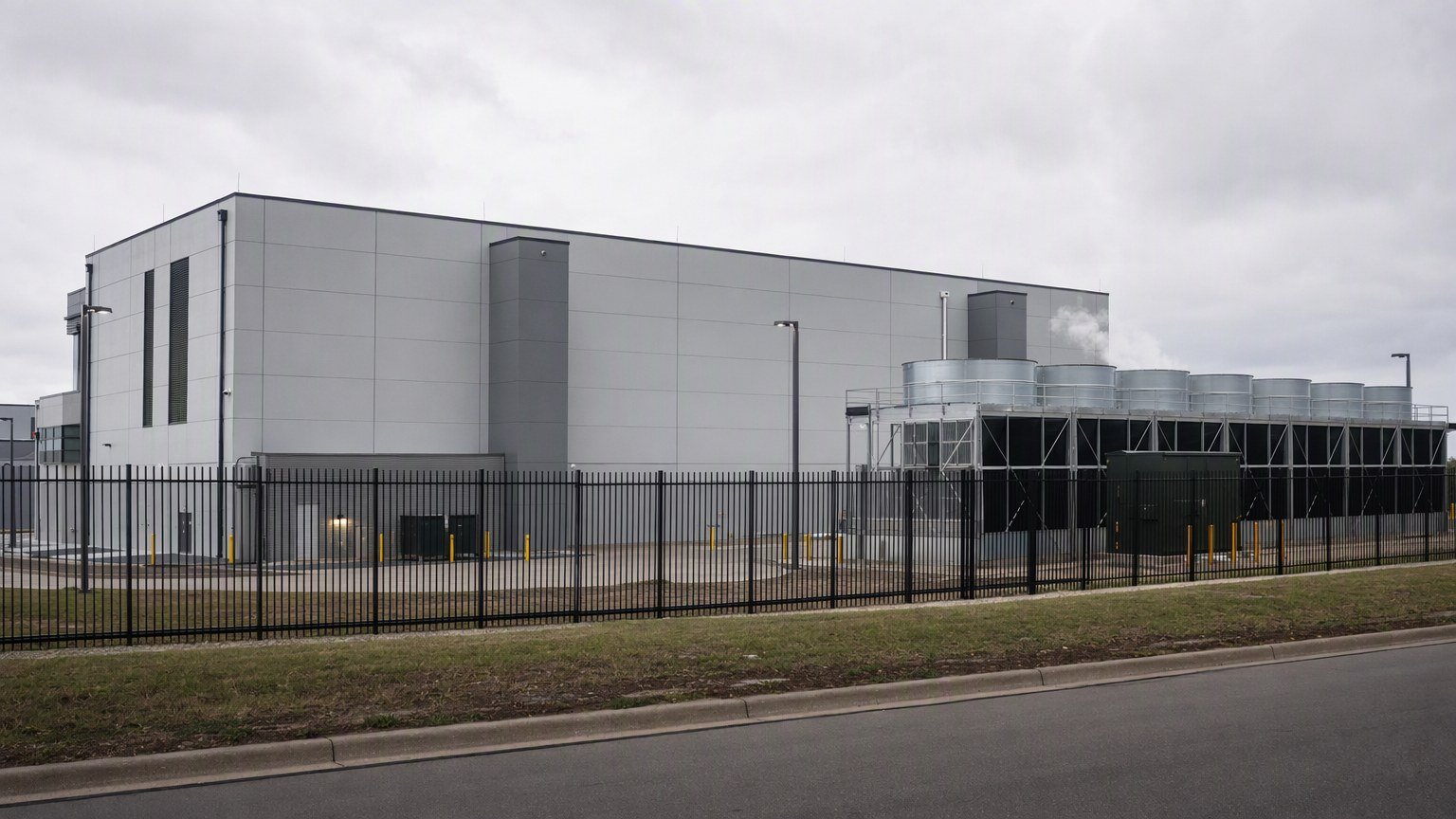
Here’s the part that’s almost funny if it weren’t so revealing: all it took was clicking into the redacted box, highlighting the “hidden” text with a cursor, and pasting it somewhere else. That’s it. No hacking, no FOIA fight, no shadowy source leaking documents in a parking garage. Just a basic copy-paste that apparently nobody on Google’s end thought to check for. I’ve seen redaction fails before, this is like, a known thing that happens with government documents all the time, but you’d think a company with Google’s resources would catch something that basic before it went out the door.
The Numbers Google Didn’t Want Public
So what’s actually in there? Agate LLC reported pulling 52.65 megawatts of electricity during peak demand. And on the water side, the facility used 13.299 megagallons, pulled from a mix of cooling towers, evaporative systems, and general site operations. Do the math and that comes out to roughly 13 million gallons of water in a year.
To put that in perspective, 13 million gallons is enough to fill about 20 Olympic-size swimming pools. Which sounds like a lot, and it is, but context matters here too: it’s actually less than half of what the City of Lincoln itself reported using in a single day, September 29. So yes, the data center is a thirsty operation, but it’s not single-handedly draining the city dry either. Numbers without context are basically useless, and I think that cuts both ways here.
Why Would Google Even Bother Hiding This?
This is the question that actually matters, not gonna lie. Electricity and water usage for a facility this size isn’t exactly some proprietary algorithm or secret recipe. It’s infrastructure consumption. So why go through the trouble of citing trade secret statutes to keep it from the public?
My guess, and it’s just a guess, is that it’s less about protecting any real competitive advantage and more about optics. Data centers have become a lightning rod issue nationally, communities pushing back on tax breaks, worrying about strained power grids, asking why a massive tech company gets to use town-sized amounts of water while regular people are told to conserve during droughts. Keeping the exact figures under wraps means Google controls the narrative instead of letting residents do their own math and draw their own conclusions. Google co-founder Sergey Brin has shown a similar appetite for creative maneuvering when it comes to tax breaks, recently spending $100M to dodge a $13B bill.
“If it’s not actually a trade secret, calling it one just erodes public trust even further,” is basically the sentiment you hear from transparency advocates whenever this kind of thing surfaces.
This Isn’t Just a Nebraska Problem
Here’s the thing though, this pattern isn’t unique to Lincoln. Data centers across the country have been leaning on trade secret protections and non-disclosure agreements to keep basic utility usage out of public reports. Virginia, Texas, Arizona, places with huge data center footprints, have all dealt with versions of this fight. Local utilities sometimes even sign confidentiality agreements with these companies before construction even starts. Google is even floating the idea of space data centers as a way to sidestep these same land, water, and power fights entirely.
And look, I get the business logic. Nobody wants competitors knowing their exact operational footprint. But electricity and water aren’t trade secrets in the way a search algorithm is. They’re resources shared with an entire community, and when that community’s taps or power grid are affected, people have a right to know what’s actually happening. That’s not an unreasonable ask.
What’s interesting here is how differently this plays out depending on which state you’re in. Nebraska statute currently allows this kind of redaction, which tells you the real fix isn’t really about Google at all, it’s about whether state lawmakers decide these numbers should be public by default instead of something residents have to accidentally stumble into through a copy-paste error.
What This Actually Means
Google’s statement, if one comes, will probably lean on the “we follow all applicable laws and regulations” line, and technically that’ll be true. The redaction was legal under current statute. But legal and transparent aren’t the same thing, and this whole episode kind of proves that. If a company only reveals its resource consumption because of a sloppy PDF export, that’s not a transparency win, that’s a transparency failure that happened to get undone by accident.
I’d bet money this pushes at least a few Nebraska lawmakers to take a second look at whether trade secret protections should cover basic utility usage going forward. Whether that actually happens is another story entirely. These things move slow, and data centers bring jobs and tax revenue, which gives companies like Google a lot of leverage in these conversations. Still, now that the numbers are out there, 52.65 megawatts, 13 million gallons, people in Lincoln have something concrete to actually talk about. And that conversation was always going to happen eventually. Google just decided how, not whether.