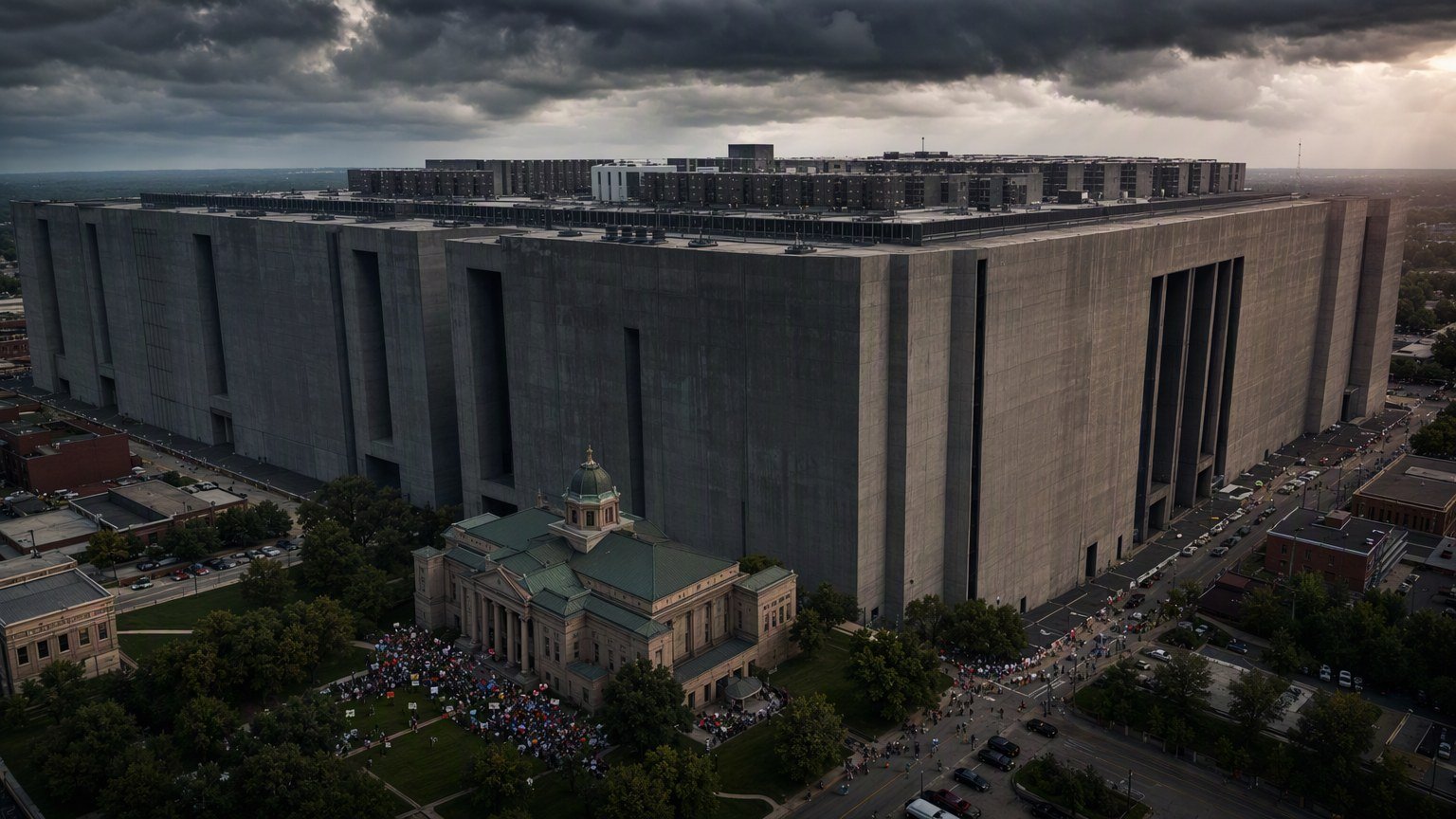
OpenAI, Softbank, and Blackstone just did something that should make anyone paying attention a little uncomfortable. They’ve formed a lobbying group – the American Infrastructure Alliance – and its first order of business is to steamroll local opposition to AI data centers across seven states….
OpenAI, Softbank, and Blackstone just did something that should make anyone paying attention a little uncomfortable. They’ve formed a lobbying group – the American Infrastructure Alliance – and its first order of business is to steamroll local opposition to AI data centers across seven states. We’re talking Texas, Georgia, Ohio, Iowa, Pennsylvania, Indiana, and South Carolina.
And look, I get it. These companies need infrastructure. AI doesn’t run on vibes and good intentions. But there’s something deeply off about watching some of the world’s most powerful corporations band together specifically to override communities that don’t want massive energy-sucking server farms in their backyards.
The Power Players Behind the Push
The coalition isn’t small. OpenAI’s in there, obviously – they need somewhere to run whatever comes after GPT-5. Softbank’s throwing its weight around (they’ve been in the infrastructure game since the Stargate Project announcement back in January 2025). Blackstone’s managing the money. QTS, a global data center company, brings the actual building expertise.
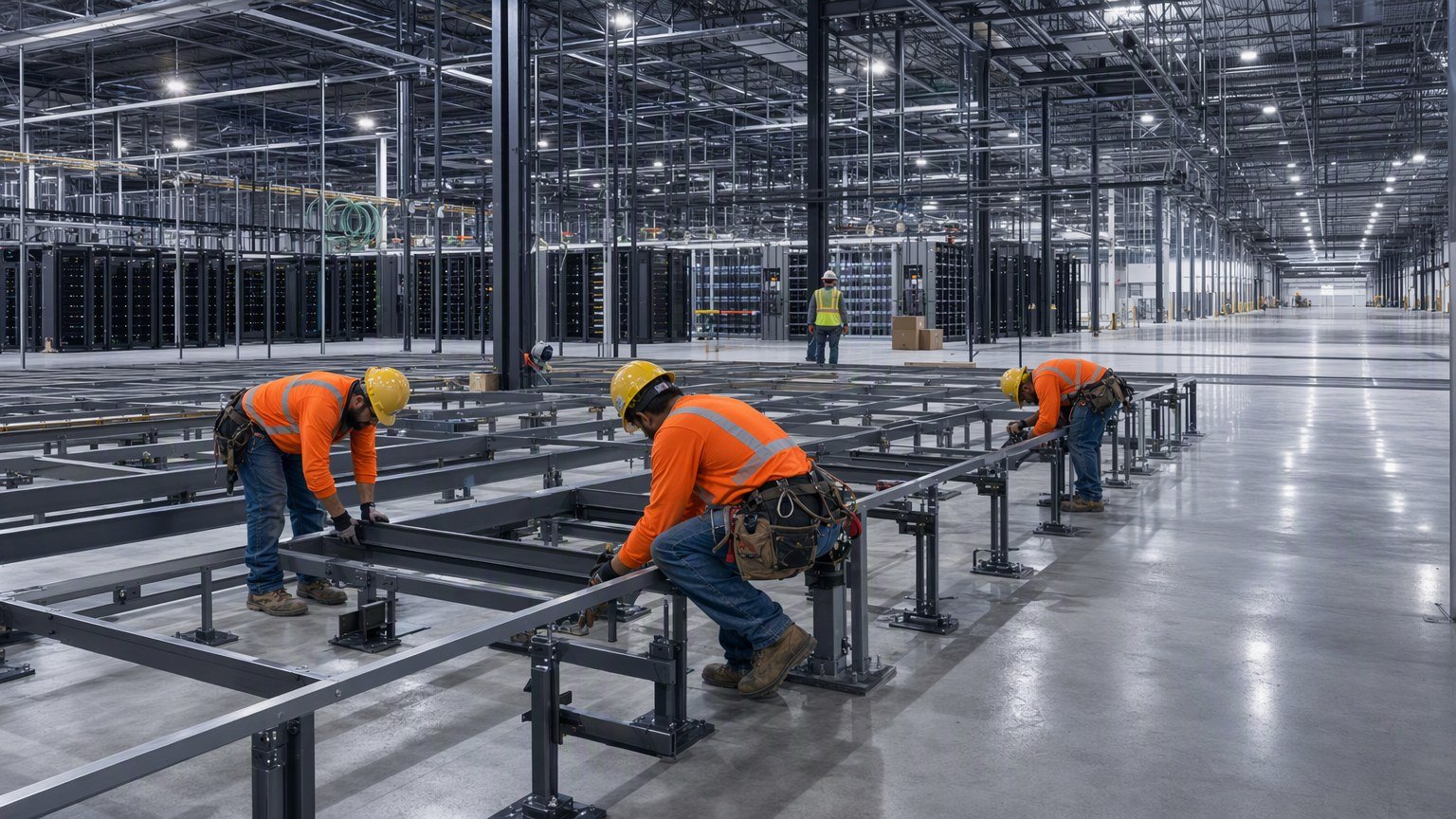
But here’s what’s interesting – they also brought seven construction unions on board, including the International Brotherhood of Electrical Workers. That’s a smart, kind of cynical move. Now they can frame this as a jobs initiative. Opposition to data centers becomes opposition to working people. Never mind that existing research suggests those promised long-term jobs are… well, let’s just say the projections tend to be wildly optimistic.
What “Guardrails” Actually Means
The AIA says it plans to establish “guardrails” for data center development in 2027. I’ve been covering this stuff long enough to know that when powerful interests talk about guardrails, they usually mean guidelines that sound responsible but are actually designed to make it harder for anyone to say no. The guardrails aren’t there to protect communities. They’re there to protect the building process from communities. That kind of framing echoes how Microsoft's own data centers have been dressed up with a green disguise to distract from the gas plants behind them.
Why Are People Fighting Data Centers Anyway?
This isn’t just NIMBYism run wild. Some opposition groups have actually called for a full moratorium on new data centers, and they’ve got reasons that go beyond “I don’t like how it looks.”

These facilities use staggering amounts of energy. We’re talking enough to power small cities. They strain local power grids, and in an era where everyone’s supposedly committed to reducing carbon emissions, that’s not nothing. They also need massive amounts of water for cooling – not great in regions already dealing with water stress. And the jobs? Most data centers run with skeleton crews once they’re operational. The big employment bump is during construction, then it drops off hard. A redaction fail recently exposed just how much water and electricity Google's Lincoln data center really uses.
But the thing is, local governments have been one of the few remaining checks on where and how these things get built. If a county commission in rural Georgia decides a data center doesn’t fit their development plans, they can actually block it. For now.
“Opposition groups have called for a moratorium on new data centers, with existing research suggesting promises of long-term jobs are far-fetched”
The Playbook We’ve Seen Before
I mean, this is pretty much standard operating procedure for big infrastructure plays. Get the money guys together. Bring labor on board so you can’t be painted as anti-worker. Target states where the political environment is friendly but local resistance exists. Launch a “defensive strategy” – their words, not mine – to neutralize opposition before it gains momentum.
What’s different here is the speed and the scale. Seven states right out of the gate. That’s not testing the waters, that’s a coordinated offensive. And it’s happening because AI development has hit a wall that’s not about algorithms or compute optimization – it’s about physical infrastructure and the communities that don’t necessarily want to be bulldozed for it.
What This Actually Means
Here’s what keeps me up at night about this. We’re watching the AI industry mature into something that looks a lot like Big Oil or Big Pharma – an entrenched power structure that’s really good at getting what it wants. The American Infrastructure Alliance isn’t just about building data centers. It’s about establishing a precedent that local democratic input is an obstacle to be managed, not a voice to be heard.
And yeah, maybe some of that local opposition is short-sighted. Maybe some communities would actually benefit from the tax revenue and construction jobs. But when the solution to “people disagree with us” is “assemble a lobbying supergroup to override them,” you’ve kind of shown your hand about how much you actually value that input.
The AI boom needs infrastructure. Nobody disputes that. But the question nobody seems to want to ask is: at what cost, and who gets to decide? Because right now, it’s looking like a handful of tech giants and investment firms just decided for everyone else.