

So apparently if you’re rich and famous enough, even prison operates on a subscription model. Sean “Diddy” Combs – yeah, that Diddy – allegedly turned his jail cell at the Metropolitan Detention Center in Brooklyn into something closer to a personal suite, complete with hired help. And by hired…
So apparently if you’re rich and famous enough, even prison operates on a subscription model. Sean “Diddy” Combs – yeah, that Diddy – allegedly turned his jail cell at the Metropolitan Detention Center in Brooklyn into something closer to a personal suite, complete with hired help. And by hired help, I mean other inmates who he reportedly paid to clean his cell and give him massages. Massages. In prison.
I’ve covered a lot of weird celebrity stories over the years, but this one’s got layers that just keep getting stranger the more you think about it.
When Your Cell Becomes a Corner Office
According to NBC News, Combs wasn’t just doing his time quietly. He was apparently running a whole operation inside, paying fellow inmates to provide services that, let’s be real, most people on the outside would consider luxuries. We’re talking about a federal detention center here – not exactly known for its spa amenities or concierge service.
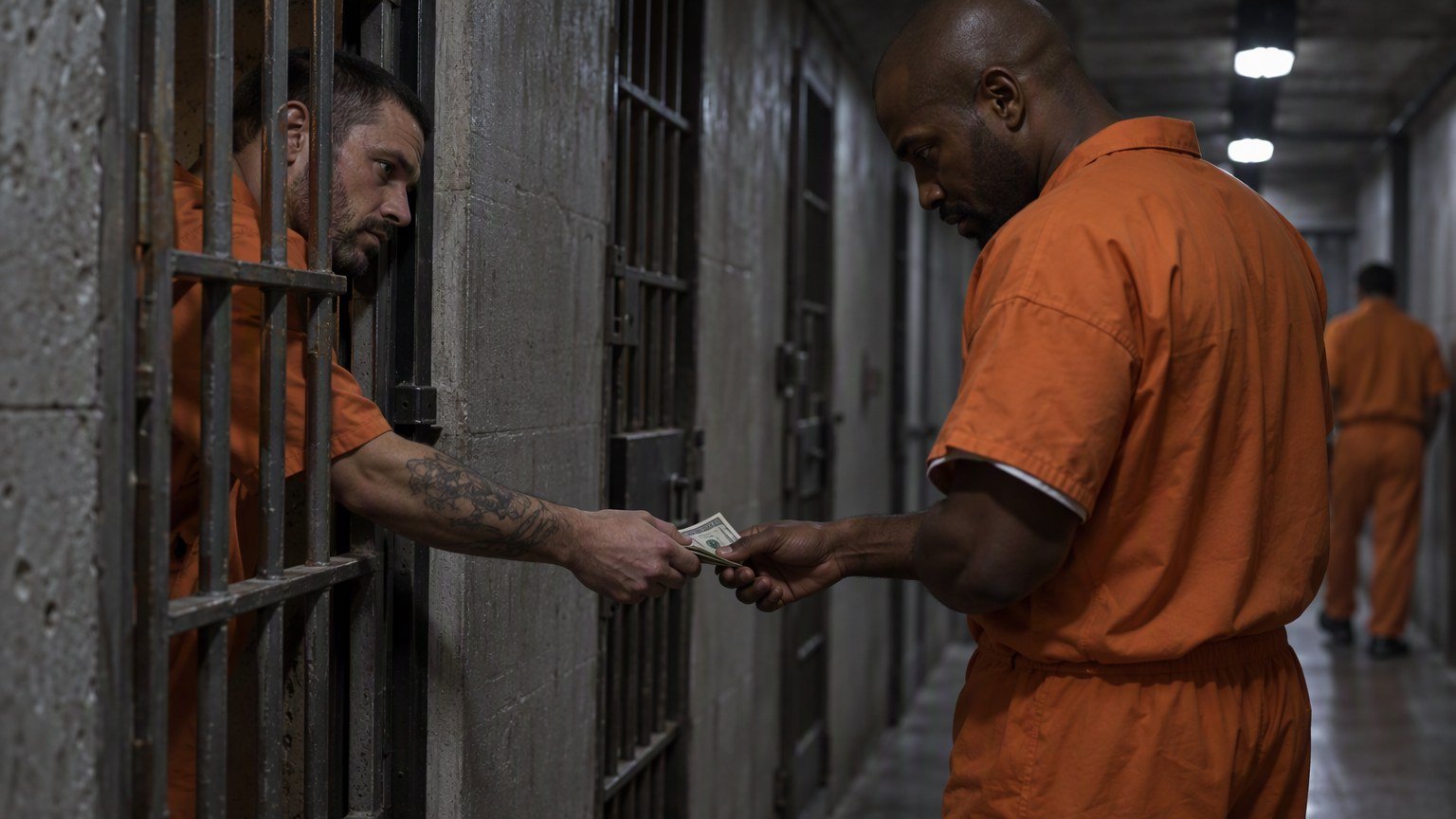
The thing is, this kind of stuff probably happens more than we hear about. But most people in lockup don’t have Diddy money. Most people can’t just… hire a staff. It’s the kind of move that makes you realize how differently the justice system works depending on who you are and what’s in your bank account. Even when the system has supposedly equalized everyone by putting them behind the same walls.
The Economics of Incarceration
Look, I’m not naive. Prison economies have always existed. Cigarettes, ramen packets, whatever currency emerges when you strip people of everything else – there’s always been trading and bartering. But this feels different. This is straight-up employment. Like Combs just brought his executive lifestyle with him and figured out how to rebuild it with the resources available.
And honestly? Part of me is kind of darkly impressed by the audacity. The other part is sitting here thinking about every person who’s ever sat in a cell without commissary money, without connections, without the ability to make their situation even slightly more comfortable. The gap between those two realities is pretty staggering.
Why Does His Release Date Keep Moving?
Here’s where it gets messier. Combs’ release date apparently keeps shifting, which – if you’ve been following this case at all – isn’t exactly shocking given everything else swirling around him legally. But the timing is interesting, isn’t it? These allegations about the prison staff situation come out right as there’s uncertainty about when he’s getting out.

I mean, it’s not hard to connect the dots. If you’re facing serious charges and you’re stuck in pretrial detention (or whatever his current status is), you’re going to try to make that time as bearable as possible. And if you have the means to do it, apparently you just… do it. The rules that apply to everyone else become more like suggestions.
“The question isn’t really whether he did it – it’s what it says about a system where this is even possible.”
The Uncomfortable Questions Nobody Wants to Ask
What gets me about stories like this is how they expose the fundamental inequality baked into everything. Even in prison – literally the place designed to be the great equalizer, where everyone supposedly faces the same consequences – money still talks. It still opens doors. Or in this case, it still gets your cell cleaned and apparently your shoulders rubbed.
And before someone jumps in with “well, he’s innocent until proven guilty” – sure, fine. That’s not what this is about. This is about the fact that one person in detention can recreate a version of their comfortable life while someone three cells down is counting the days until their next phone call because they can’t afford the minutes.
The other inmates who took these jobs – what were their options? How much were they getting paid in commissary credits or whatever currency was flowing? Were they desperate enough that cleaning someone else’s cell or providing massage services seemed like a good deal? That’s the part that actually bothers me most. Not that Combs allegedly hired people, but that the system creates conditions where that kind of arrangement makes sense to everyone involved.
What Happens Next
Will anything come of these allegations? Who knows. Prison authorities will probably investigate, issue some statement about taking these matters seriously, maybe move him to a different unit. But the bigger picture isn’t changing anytime soon. Then again, we're living in a world where AI Video in Court Just Freed a Convicted Killer, so maybe the justice system has bigger credibility problems than celebrity commissary deals.
The real story here isn’t just about one celebrity allegedly hiring prison staff. It’s about how wealth and fame create a completely different experience of our justice system at every single level. From the quality of legal representation to the conditions of detention to apparently whether or not you can outsource your daily chores to other inmates. It's the same theme playing out everywhere, from Press Freedom on Trial: DOJ's White House Ban Gambit to who gets a lawyer who returns their calls versus a public defender handling 200 cases at once.
And I keep coming back to this – if this is what’s happening in a federal detention center in Brooklyn with a high-profile defendant, what’s happening in places where nobody’s watching? What deals are being cut, what hierarchies are being built, what exploitation is happening in facilities across the country where there aren’t reporters paying attention?
Maybe that’s the question we should actually be asking instead of just marveling at the absurdity of a celebrity getting massages in jail. Because honestly, the absurdity is kind of the point – it’s so ridiculous that it makes us look away from the bigger dysfunction. And that dysfunction isn’t going anywhere.