
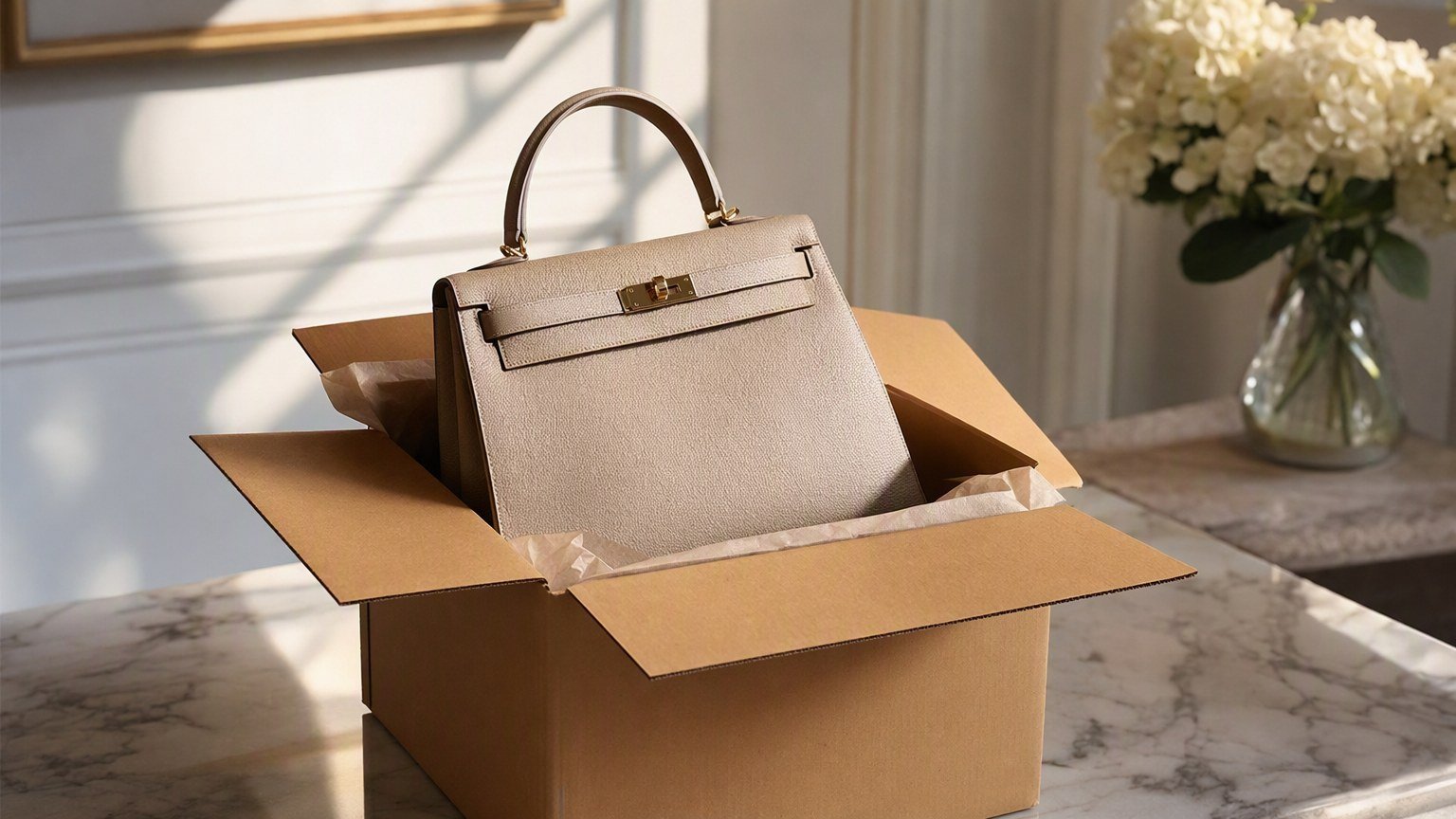
Look, I’m just going to say it – Amazon has quietly become one of the best places to score actual designer stuff on sale, and nobody’s really talking about it enough. We’re not talking about knockoffs or those weird third-party sellers with names that sound like they were generated by a drunk…
Look, I’m just going to say it – Amazon has quietly become one of the best places to score actual designer stuff on sale, and nobody’s really talking about it enough. We’re not talking about knockoffs or those weird third-party sellers with names that sound like they were generated by a drunk algorithm. I mean legit Kate Spade bags, real Ugg boots, Free People sweaters that would normally cost you a small fortune at Nordstrom.
When Did Amazon Become… Fancy?
Here’s the thing: Amazon’s Premium Brands hub has been around for a while, but most people still think of the site as the place you buy toilet paper in bulk and that random phone charger you needed yesterday. And honestly? That’s exactly how Amazon wants it for their bread-and-butter business. But somewhere along the way, they convinced actual luxury brands to set up shop there.
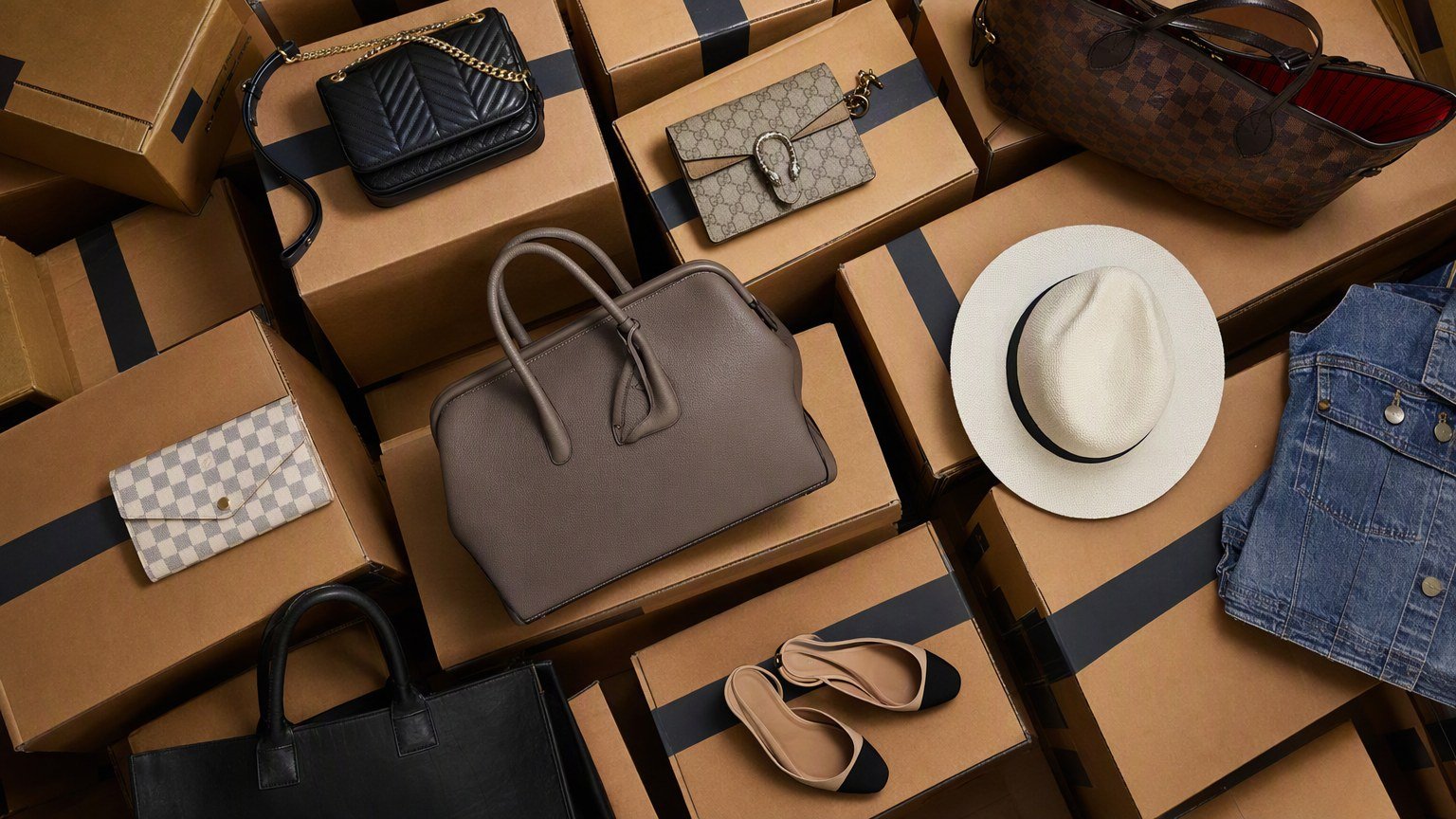
Right now – and I checked this morning because I couldn’t believe some of these prices – there’s a massive sale happening on high-end fashion. Free People, Dr. Martens, Levi’s premium lines, Beyond Yoga, the works. It’s part of their Prime Big Deal Days thing, which is basically Amazon’s attempt to create a second Black Friday in October because apparently one isn’t enough anymore. If you want a head start before the big sale even hits, there's a roundup of 17 fall essentials at rock bottom worth a look.
But I’m not complaining. Not when I’m seeing Free People sweaters marked down 40%. Not when Kate Spade bags that usually sit behind glass cases are suddenly within reach of normal humans with normal budgets.
What You’ll Actually Find (And What You Won’t)
Let’s be real for a second. This isn’t Net-a-Porter. You’re not going to find Hermès or Gucci or whatever ridiculous $3,000 sneakers are trending with celebrities this week. Amazon’s version of “luxury” sits more in that contemporary designer space – the brands you’d see at a nice department store, not necessarily at a Paris fashion week after-party.
And you know what? That’s actually perfect for most of us.
The sale includes brands like:
- Free People – which has somehow convinced an entire generation that $128 is reasonable for a basic sweater (and we keep buying them, myself included)
- Ugg boots – yes, they’re back, Gen Z decided the 2000s are cool again
- Kate Spade accessories – still cute, still well-made, just not as aggressively everywhere as they were five years ago
- Dr. Martens – because breaking in a new pair is apparently a personality trait now
- Levi’s premium denim – the good stuff, not the jeans you find at Target
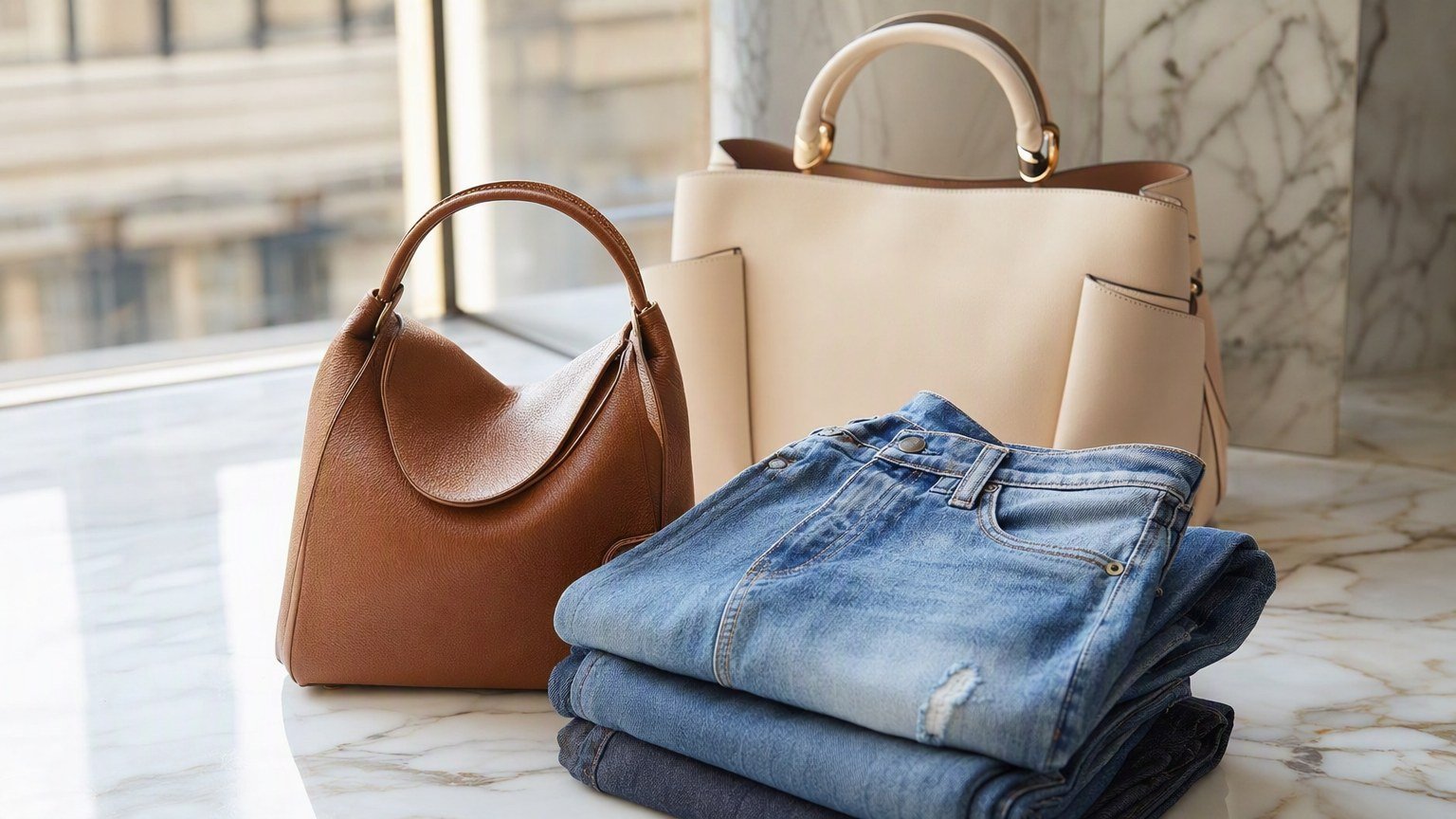
Why This Actually Matters
I’ve been writing about retail and fashion for 15 years now, and I’ve watched luxury become increasingly… inaccessible. Prices have jumped insanely in the past decade. What used to be a “treat yourself” purchase now requires an actual budget meeting with yourself.
So when a major retailer makes designer brands more affordable – even temporarily – it’s worth paying attention to. Not just because deals are nice (though they are), but because it signals something bigger about how luxury fashion is changing.
The old model was exclusivity. You had to go to the right stores, in the right neighborhoods, probably in the right cities. There was this whole performance around luxury shopping that was kind of exhausting if I’m being honest.
Amazon’s approach is the opposite. It’s democracy by convenience. You can buy a Kate Spade bag at 2 AM in your pajamas while also adding cat food and batteries to your cart. Is it as glamorous? Obviously not. Is it more practical for how people actually live and shop? Absolutely. It's the same logic that had Katie Holmes ditched jeans for $33 Amazon pants without anyone blinking.
“When luxury meets convenience, something fundamental shifts in how we think about value and access.”
The Catch (Because There’s Always a Catch)
Here’s what you need to know before you go wild with the one-click ordering: Prime Big Deal Days means you need to be a Prime member to access these sales. Amazon’s not running a charity here. They want that $139 annual subscription fee.
Also, and this is important – inventory moves fast. Like, check-your-cart-and-it’s-suddenly-gone fast. These aren’t Amazon’s endless warehouse basics. When a specific size or color of a designer item sells out, it’s often just… gone. No restock, no raincheck, just disappointment.
And look, I have to say this: just because something’s on sale doesn’t mean you need it. I know that sounds like boring adult advice, but I’ve definitely bought things during these sales that seemed like amazing deals in the moment and then sat in my closet for months because I didn’t actually need another black sweater, no matter how nice it was or how good the discount looked.
What This Says About Where Luxury Is Headed
The bigger story here isn’t really about Amazon or even about these specific deals. It’s about how the whole concept of luxury retail is being rebuilt from the ground up.
Traditional luxury retailers are struggling. Department stores are closing. Standalone boutiques are barely hanging on. Meanwhile, Amazon – a company that literally started by selling books out of a garage – is now moving premium fashion in serious volume.
That should tell you something about what consumers actually want. And it turns out, we want good stuff at fair prices without the hassle. We want free returns. We want it delivered tomorrow. We don’t necessarily want the “experience” of luxury shopping if that experience involves parking headaches, commission-based salespeople, and judgment from teenagers who somehow got hired at designer stores despite looking like they roll out of bed camera-ready.
Is something lost when you buy a designer bag on Amazon instead of in a beautifully curated boutique? Maybe. Probably. But is something gained in accessibility and practicality? Definitely. And right now, for a lot of people, that trade-off feels worth it. Especially when the bag costs 30% less. Case in point: a $46 jacket that looks like $7,400 is proof the gap between "looks expensive" and "is expensive" keeps shrinking.