
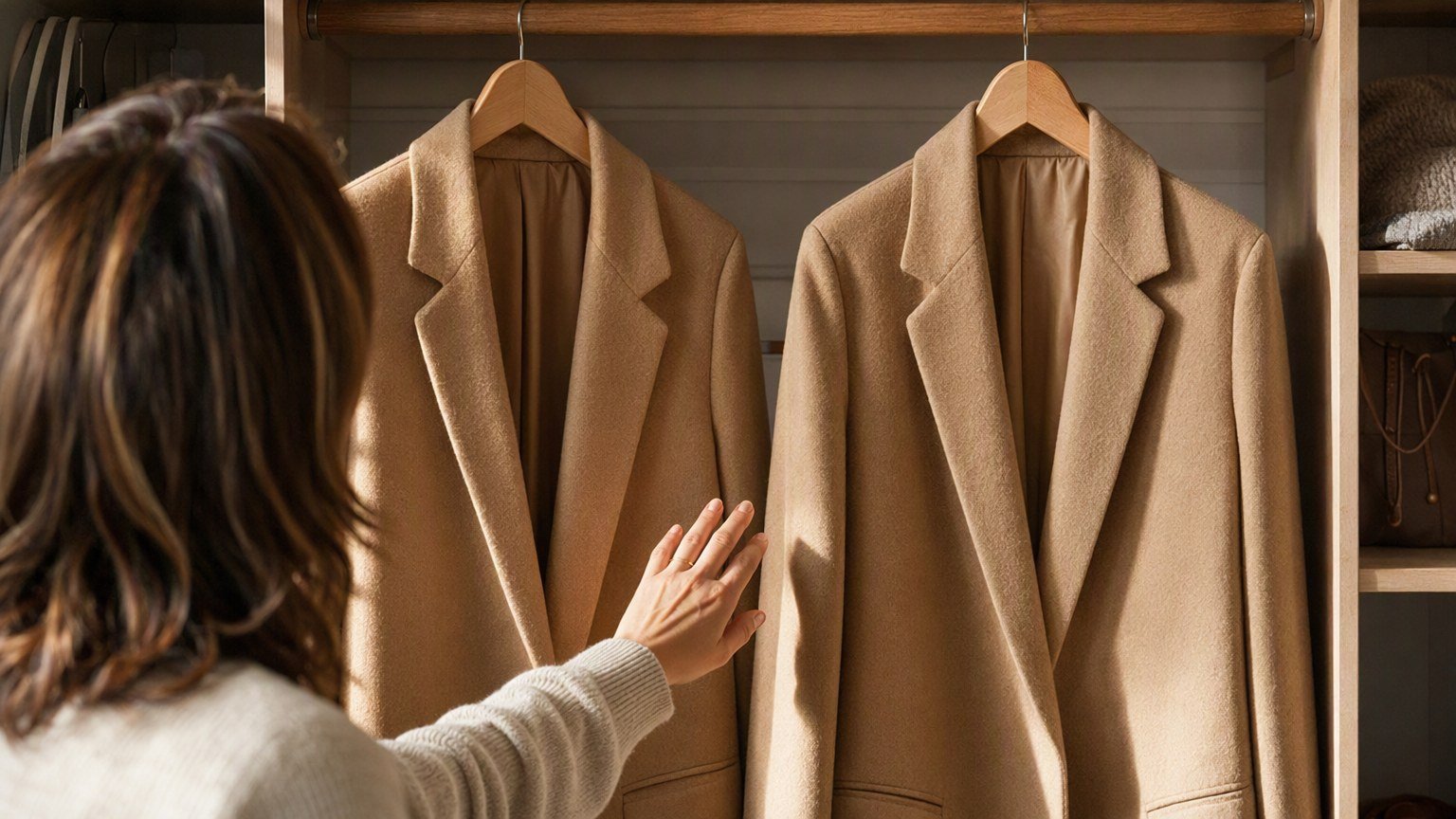
My mom owns a camel coat that cost more than my first car’s down payment. She has a drawer of silk blouses she treats like they’re made of spun gold. So when I decided to swap a few of her designer staples for Amazon dupes without telling her, I genuinely thought I’d get caught in about four…
My mom owns a camel coat that cost more than my first car’s down payment. She has a drawer of silk blouses she treats like they’re made of spun gold. So when I decided to swap a few of her designer staples for Amazon dupes without telling her, I genuinely thought I’d get caught in about four seconds. She notices everything – the wrong hanger, a shirt folded instead of hung, don’t even get me started on what happens if you put her cashmere in the dryer.
Spoiler: she didn’t catch me. Not once. And now, weeks later, she’s still wearing half this stuff on repeat, completely unaware that her “nice dress” cost less than her usual dry cleaning bill for the month.
Okay But How Did This Actually Start
Here’s the thing – my mom’s style is not complicated. She’s 58, she likes clothes that fit well, feel good, and don’t scream “trying too hard.” She’s not chasing trends. She wants a dress she can wear to lunch with her friends and then straight to dinner without changing, a blouse that doesn’t need ironing, pants that actually sit right on her waist. Simple requests. Expensive execution, usually.
So my strategy wasn’t “find cheap clothes.” It was “find the exact silhouette she already loves, just… cheaper.” Big difference. I skipped anything that looked like it was designed by an algorithm chasing a TikTok trend (no cutouts, no weird asymmetrical hems, nothing with a slogan on it) and went straight for pieces that looked like they belonged next to her designer stuff, not instead of a Forever 21 clearance rack.
The Dress That Started It All
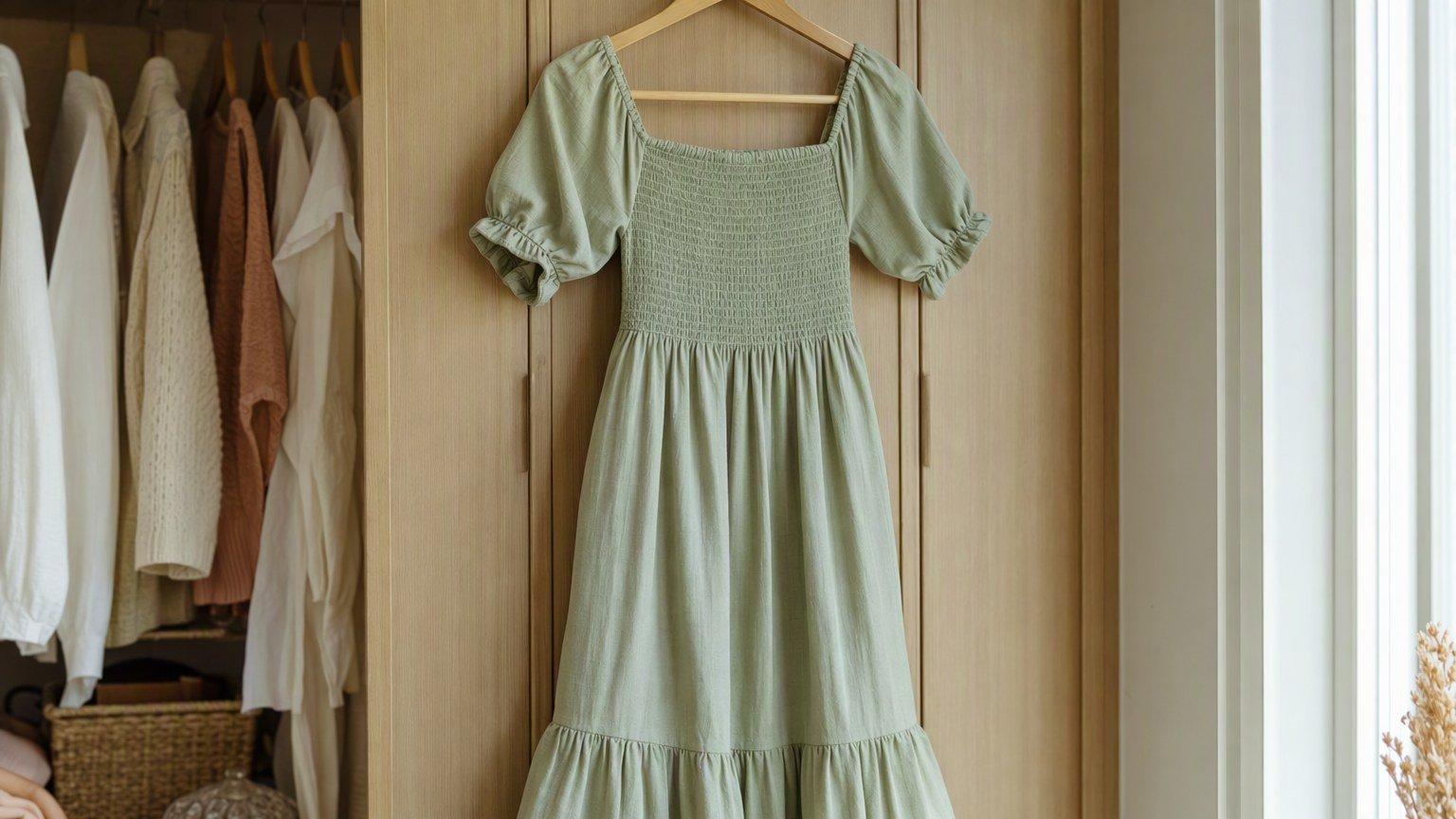
The first swap was a smocked midi dress, and honestly, I almost didn’t buy it because the product photos looked kind of generic. But the fit on her? Incredible. It’s got that effortless, slightly flowy shape that hides exactly what she wants hidden and skims everywhere else. She wore it to a friend’s birthday dinner, got asked twice where it was from, and told them “a little boutique.” A boutique. It’s from Amazon. I nearly choked on my water. It reminded me of that $46 jacket that looks like $7,400, where the silhouette does all the heavy lifting instead of the label.
That dress alone told me everything I needed to know – the fabric matters way more than the brand name stitched inside the collar. Nobody’s checking tags at brunch. It's the same trick behind Naomi Watts' $63 loafer secret that outsmarts Prada – nobody can tell the difference once it's on your feet.
What Actually Fooled Her (And What I Learned Doing This)
Blouses were the trickiest category, not gonna lie. My mom has very specific feelings about blouses – no shiny polyester, nothing see-through, and it has to drape, not cling. I went through probably six different options before landing on ones that felt right. The winners had actual weight to the fabric, which sounds like a weird thing to care about, but it’s the difference between looking like you’re wearing a costume versus looking like you got dressed by someone who knows what they’re doing.
Pants were almost easier, weirdly. She’s a creature of habit with her trousers – straight leg, high rise, something she can wear with flats or heels. I found a pair that mimicked her go-to designer pair almost stitch for stitch, and she wore them to work three days in a row before I finally told her where they came from. Her reaction was somewhere between offended and delighted, which, fair.
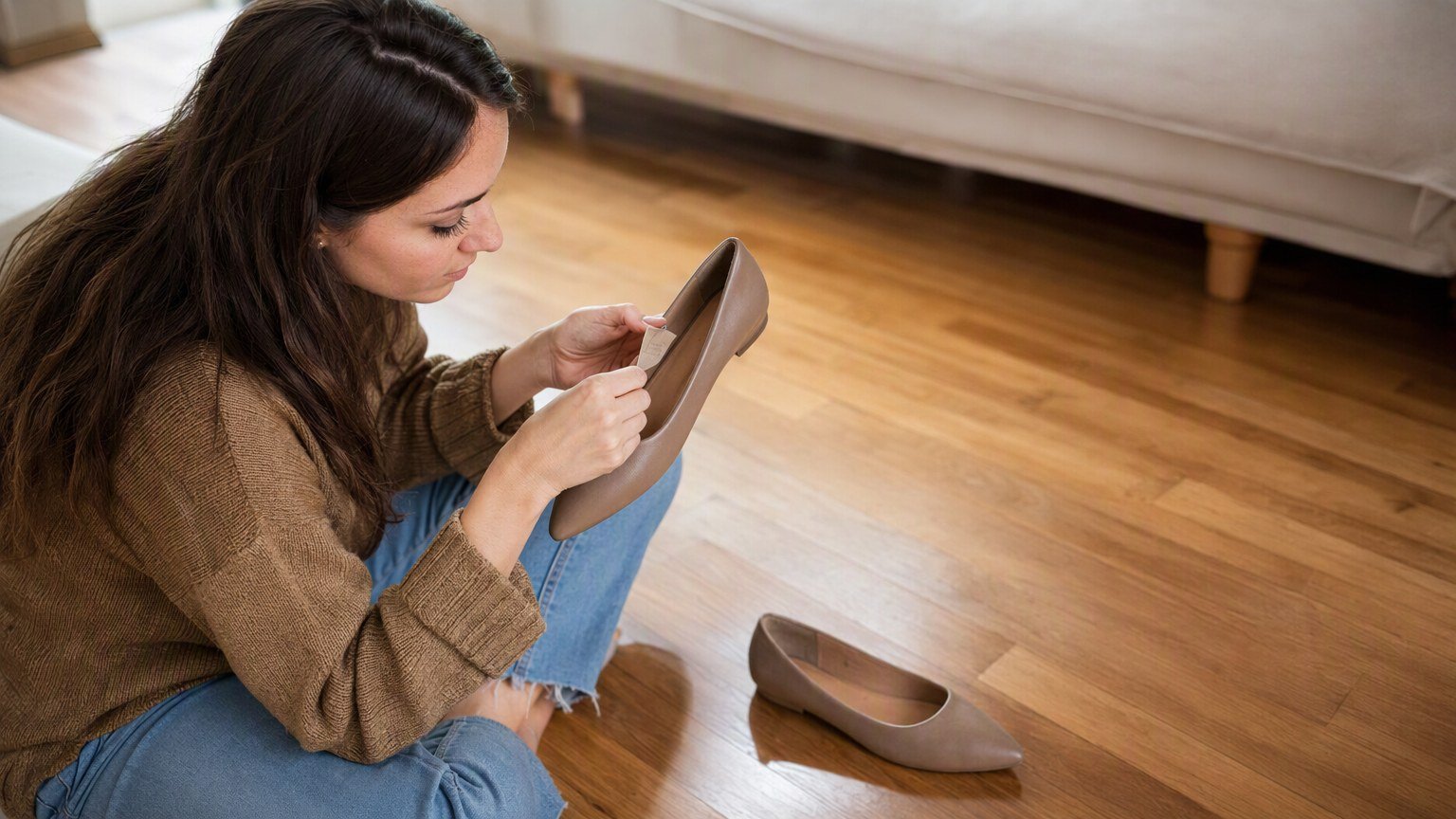
“Wait, this isn’t the one I usually buy? I would’ve sworn it was,” my mom said, actually holding the tag up to the light like it owed her an explanation.
Why This Actually Matters (Beyond Just Saving Money)
Look, I think there’s this assumption that if something’s affordable, it has to look affordable. Cheap fabric, weird fit, you can spot it from across a parking lot. And sure, that’s true a lot of the time. But the gap has gotten smaller than people think, especially once you know what to look for – structured seams, fabric with actual weight, classic cuts instead of trend-chasing ones.
The layers category is where this really clicked for me. A good cardigan or lightweight jacket does so much heavy lifting in an outfit, and my mom’s closet is basically built around good layering pieces. I found a few that had that slightly elevated, “did you get this somewhere nice” feel, and she’s worn them constantly – like, suspiciously constantly, to the point where I started wondering if I should’ve bought a backup in case she wears a hole through one. It's the same logic behind Amazon's secret luxury sale, where you can score actual designer-looking pieces for a fraction of the price.
What’s interesting here is that none of this required her to change her taste. I didn’t talk her into anything edgier or more casual than what she normally wears. I just found cheaper versions of the exact things she already gravitates toward. That’s really the whole trick, if you want to call it that.
What This Actually Means
My mom still thinks of herself as a designer-only kind of woman, and honestly, I’m not in a huge rush to correct that completely. But this whole experiment proved something I half-suspected and now fully believe – a lot of what we’re paying for with designer clothes is the story, not necessarily the stitching. Fit, fabric, and a classic silhouette will fool almost anyone, even someone who can spot a knockoff bag from fifty feet away.
I will eventually tell her about all of it. Probably. Maybe after she’s worn everything in heavy rotation for another month, just so I can really enjoy the moment when her jaw drops.