An Arizona courtroom let a dead man speak last year. Not through a medium, not through some grainy home video, but through an AI-generated avatar built from scraps of his voice and face by his own sister. And now that moment, as powerful as it apparently was, is the reason a convicted killer…
An Arizona courtroom let a dead man speak last year. Not through a medium, not through some grainy home video, but through an AI-generated avatar built from scraps of his voice and face by his own sister. And now that moment, as powerful as it apparently was, is the reason a convicted killer gets a do-over on his sentence.
What Actually Happened Here
Gabriel Paul Horcasitas, 55, shot and killed Christopher Pelkey, 37, during a road rage incident at a red light back in 2021. A jury convicted him. A judge sentenced him to 10 years. Case closed, right? Not quite. Before that sentencing, Pelkey’s family showed the court an AI-generated video of Pelkey himself, essentially speaking from beyond the grave, forgiving (or maybe not forgiving, depends how you read it) the man who killed him.
The Arizona Court of Appeals just ruled that was a step too far. On Wednesday, they said Horcasitas has to be resentenced because that video “crossed that line.” I want to sit with that phrase for a second because it’s doing a lot of work. What line, exactly? The court spelled it out: this wasn’t a recording of something that actually happened. It was a recreation, built from “the imaginings of the victim’s sister.” Pelkey never said those words. He never made that video. His sister, Stacey Wales, basically wrote his eulogy and then animated it with his face.
The Technical Line the Court Drew
Here’s the distinction the appeals court seems to be making, and honestly it’s a pretty important one for anyone paying attention to AI in courtrooms going forward. There’s a difference between showing evidence that documents reality (a security camera clip, a voicemail, a photo) and showing something that was generated to represent what someone might have thought or felt. One is a record. The other is basically fan fiction with a very real, very dead person’s face on it.
Was This Really About Grief, Or About Something Else?
I don’t doubt for a second that Wales loved her brother and wanted to say something meaningful at that sentencing hearing. Families do that all the time, through victim impact statements, through letters, through photos of the person who’s gone. That’s normal. That’s allowed. What’s not normal is building an AI puppet of your dead brother and having it address his killer directly, in his own simulated voice, as if he’d personally weighed in on his own case from the afterlife.
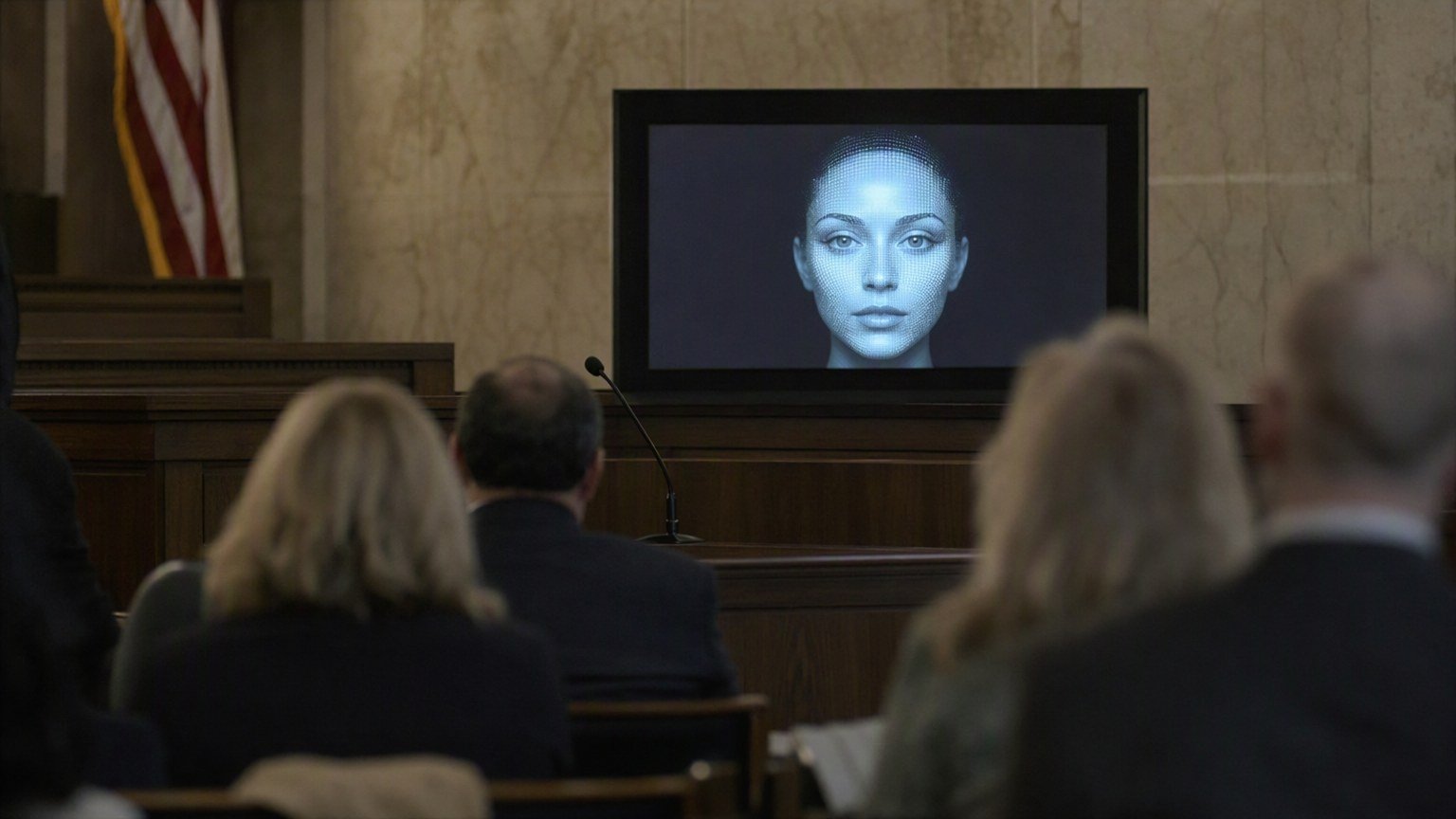
And look, I get why it was compelling. It probably was devastating to watch. That’s exactly the problem. A sentencing hearing isn’t supposed to be a theater of emotional manipulation, even well-meaning manipulation. It’s supposed to be about facts, about the actual crime, about actual testimony. An AI reconstruction of a dead man’s “thoughts” isn’t testimony. It’s a script someone else wrote and then dressed up in a dead man’s skin.
“Rather than document an event or recording a particular moment, the AI video presents a depiction of the victim and his thoughts created from the imaginings of the victim’s sister.”
The Lawyers Aren’t Talking, Which Tells You Something
Kristen Reller, Horcasitas’ attorney who filed the appeal, declined to comment. Jessica Gattuso, who represents victims in the case, didn’t respond to a request for comment either. Nobody wants to touch this one publicly right now, and I don’t blame them, honestly. This is the kind of case where whatever you say gets picked apart. Defend the ruling and you look like you’re siding with a killer getting a lighter touch. Criticize it and you look like you’re fine with courtrooms turning into AI theme parks. There’s no clean exit here.
What strikes me is this isn’t really about Horcasitas at all, not in the way you’d think. His guilt isn’t in question. The jury already decided that part. This is entirely about what happens after guilt is established, during that window where the court decides how much time someone actually serves. And that window, it turns out, is where this precedent is going to live or die.
Why This Matters Way Beyond One Arizona Courtroom
Courts have been dealing with victim impact statements for decades. Grieving families stand up, read letters, show photos, sometimes play old home videos. All of that is raw and real and, crucially, actually happened. What hasn’t existed until basically right now is the technology to generate something that looks and sounds like a real event but is, functionally, invented. We’re talking about deepfake technology, dressed up in a sympathetic, grief-soaked context, being used as evidence-adjacent material in an active criminal sentencing.
Think about where this goes next if nobody draws a line. Could a prosecutor’s office generate an AI reconstruction of what a victim “would have wanted”? Could a defense team create an AI version of a defendant expressing remorse they never actually, sincerely felt? Once you let one side build an emotionally charged simulation of a real person for a courtroom, you’ve basically opened the door for everybody to do it, and courts are nowhere near ready to referee that.
What This Actually Means
I think the Arizona Court of Appeals got this one right, and I say that as someone who’s genuinely sympathetic to Wales and what she was trying to do for her brother. Grief makes people do things that feel right in the moment but aren’t actually fair to the process. A courtroom has to run on something more solid than an AI’s best guess at what a dead man might have said, no matter how good the intentions behind building it were.
Horcasitas will be resentenced. Maybe he gets the same 10 years. Maybe he gets more, maybe less, who knows. But the actual legacy of this case probably isn’t going to be about him at all. It’s going to be about every court in the country now having to figure out, pretty fast, where exactly their own lines are. Because this technology isn’t getting less convincing from here. It’s only getting better, cheaper and easier to make. And the next family that wants to bring their loved one “back” for five minutes in a courtroom is already out there, somewhere, thinking about how to do it.