
There’s a documentary making the rounds right now that’s being described as “chilling as a horror movie,” and honestly? That’s underselling it. Because horror movies end. You walk out of the theater, turn off the TV, and go back to your life. This one – about Immigration and Customs Enforcement – doesn’t let you off that easy. The filmmakers literally said they’re “trying to put the audience in a position of terror.” And from what I’m hearing, they succeeded.
When Documentary Becomes Psychological Warfare (In a Good Way?)
Look, I’ve covered immigration policy for years now, and I thought I was pretty much immune to shock at this point. Seen the detention center photos, read the reports, interviewed people who’ve been through the system. But apparently this film does something different. It’s not just showing you what ICE does – it’s making you feel what it’s like to be on the receiving end of it.
The directors weren’t subtle about their intentions here. They explicitly set out to create terror in the viewer. Which is kind of a wild thing to say out loud, right? Most documentarians at least pretend they’re being objective. But these filmmakers basically said “nah, we want you scared” and went for it.
And here’s the thing – that approach is probably more honest than the usual both-sides documentary treatment. Because if you’re documenting a system that operates through fear and intimidation, maybe the only ethical way to film it is to make the audience feel some fraction of that fear. Otherwise you’re just aestheticizing other people’s terror.
The Reddit Reaction Says Everything
The film’s been bouncing around entertainment subreddits, which is interesting in itself. Not politics subs, not documentary film forums – entertainment. People are discussing ICE raids the way they’d discuss the latest thriller. That should probably tell us something about where we are as a country, but I’m not sure I want to think too hard about what exactly.
What Makes State Power Scarier Than Any Monster?
Horror movies work because they tap into primal fears. The thing in the dark. The unstoppable killer. The loss of control. But state power? That’s a different kind of horror entirely. Because it’s real, it’s legal, and it has the full weight of government bureaucracy behind it.
ICE operates with what experts call “strategic fear” – the idea is to make enforcement so unpredictable and terrifying that it controls way more people than it actually detains. You don’t need to raid every workplace if one highly publicized raid makes millions of people afraid to go to work. That’s terror as policy, and it’s devastatingly efficient.
“We’re trying to put the audience in a position of terror”
The filmmakers weren’t being provocative when they said that. They were being accurate. They found a way to bottle the experience of living under that system and make viewers drink it for 90 minutes or however long this thing runs.
The Part Nobody Wants to Talk About
Here’s what makes me uncomfortable about this whole thing (and I mean uncomfortable in a way that means it’s probably important): a lot of people who watch this documentary are going to feel terrified for an hour or two, maybe talk about it with friends, post about it online, and then… what? Go back to their lives where ICE isn’t a daily threat?
I’m not saying the film shouldn’t exist. Actually, I think it probably needs to exist. But there’s something deeply weird about terror as entertainment for people who don’t actually have to live with it. It’s like poverty tourism, except instead of visiting a slum you’re visiting someone else’s fear for the length of a feature film.
And yet – and this is the contradiction I keep wrestling with – maybe that’s exactly what needs to happen. Maybe the only way to break through the numbing effect of constant news about immigration enforcement is to make people actually feel something. Even if that feeling is temporary. Even if it’s incomplete.
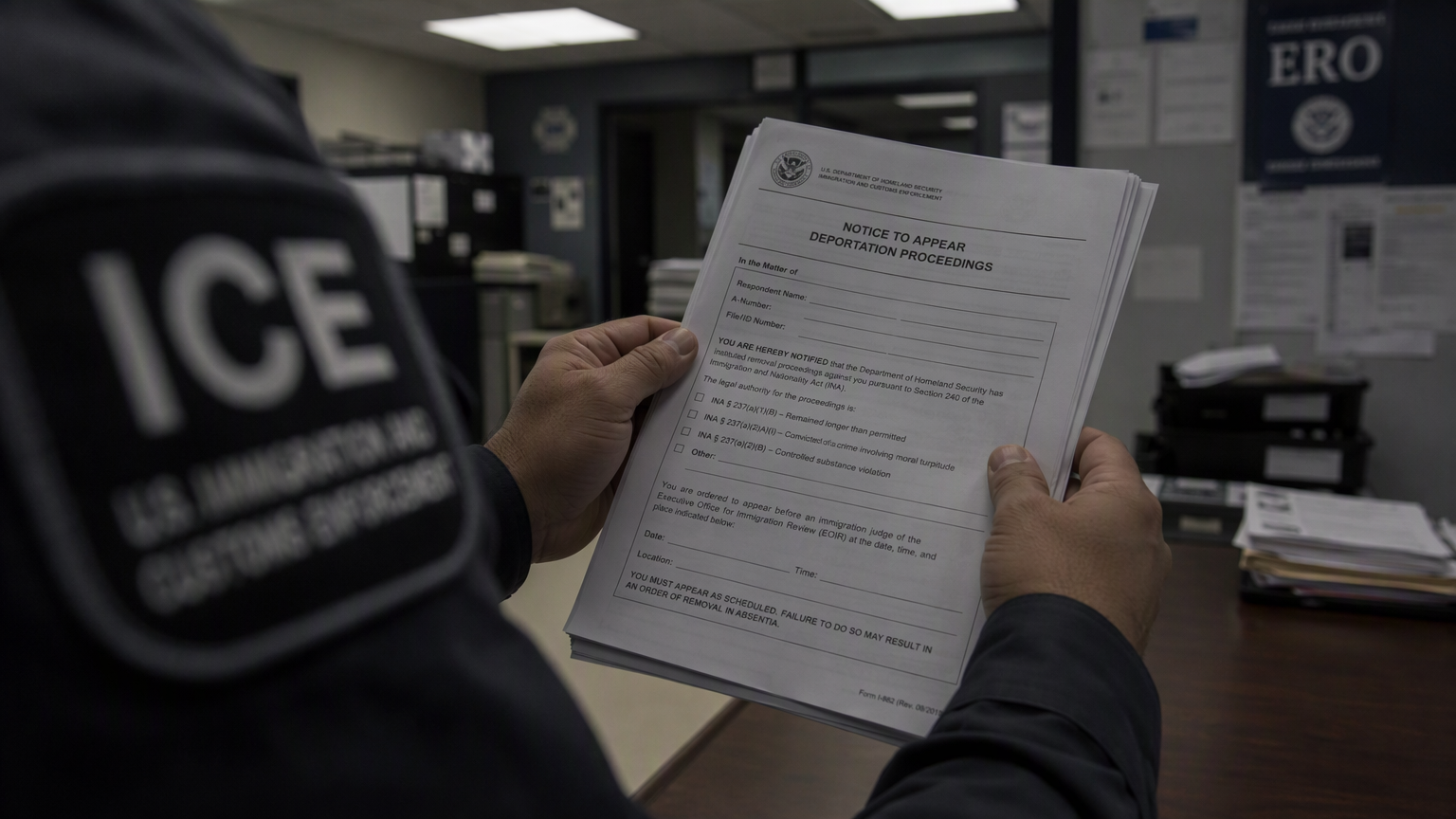
The documentary apparently shows ICE operations from the inside, which means someone gave the filmmakers access. That’s wild when you think about it. Either ICE thought the footage would make them look good (deeply concerning) or they couldn’t stop the filming (also concerning). Or maybe – and this is the most disturbing option – they just don’t care how they look anymore because the terror is the point.
What This Actually Means
I haven’t seen this film yet, I’ll admit that up front. But I’ve seen the reactions, read the descriptions, watched the discourse spread across different corners of the internet. And what strikes me is how many people are using horror movie vocabulary to describe actual government policy. “Chilling.” “Terrifying.” “Nightmare fuel.”
That’s not film criticism. That’s a diagnosis of where we are.
The question isn’t whether a documentary about ICE can be as scary as a horror movie. Clearly it can. The question is what we do with that fear once the credits roll. Because unlike Jason or Freddy or whatever monster is popular this year, ICE raids are happening whether you’re watching or not. The terror isn’t contained to the screen, and it doesn’t end when you close your laptop.
If this documentary works the way the filmmakers intended – if it actually puts viewers in a position of sustained terror – then it’s going to force a pretty uncomfortable conversation about why that terror is an acceptable tool of immigration policy. And honestly? That conversation is about a decade overdue.
So yeah, watch it if you can handle it. But don’t mistake watching for action. That’s the real horror – how easy it is to witness terror and then just… move on.