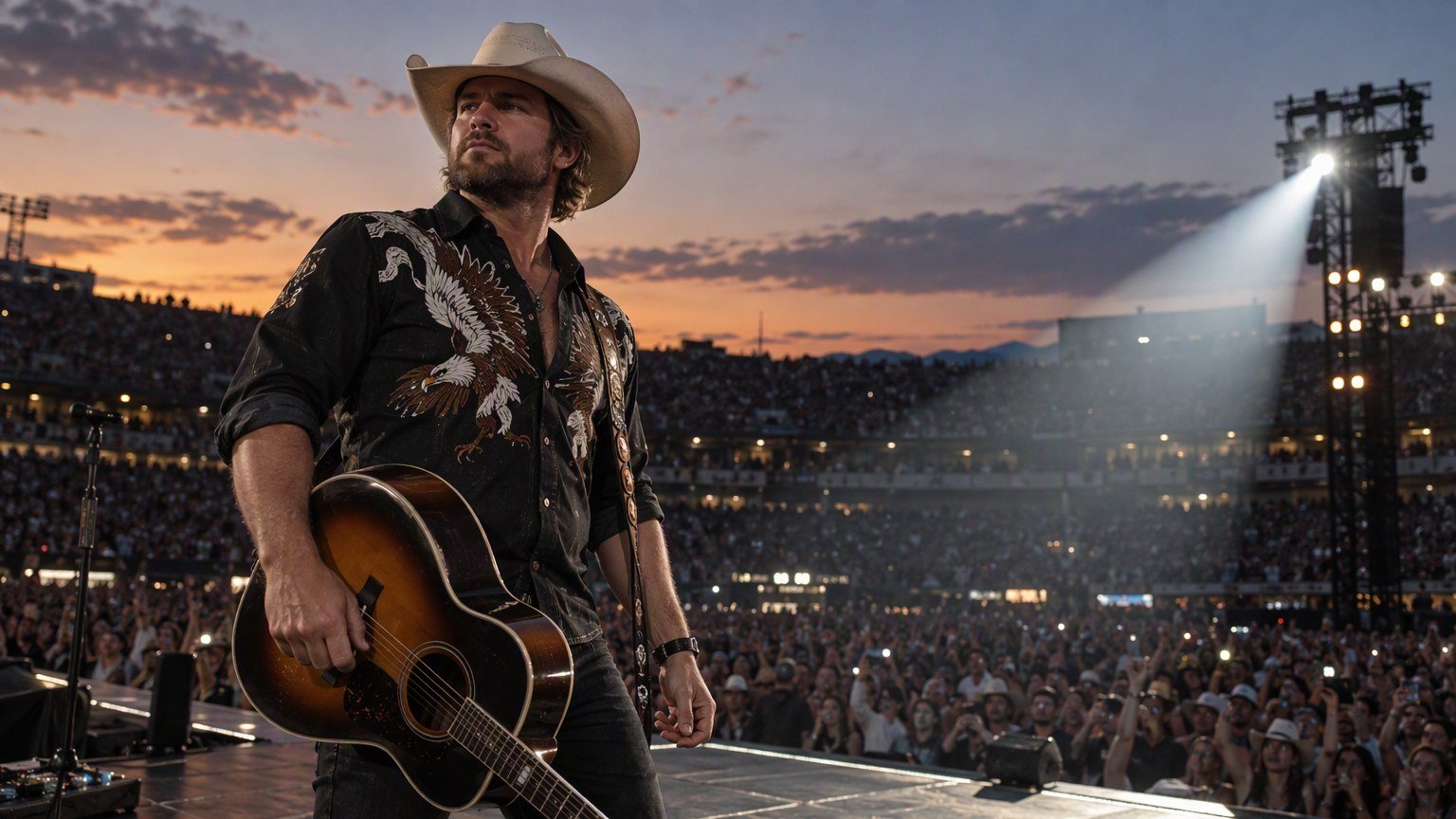
Zach Bryan walked onto the Gillette Stadium stage Friday night wearing a “Free Palestine” shirt, and if you think that’s not a direct middle finger to the venue’s owner Robert Kraft, you haven’t been paying attention. This comes literally weeks after Kraft personally called Ed Sheeran to ban…
Zach Bryan walked onto the Gillette Stadium stage Friday night wearing a “Free Palestine” shirt, and if you think that’s not a direct middle finger to the venue’s owner Robert Kraft, you haven’t been paying attention. This comes literally weeks after Kraft personally called Ed Sheeran to ban Macklemore from opening at the same venue for saying the exact same thing.
Let me be clear about what happened here. Bryan didn’t just wear the shirt – his band members wore similar ones too. This wasn’t some wardrobe accident or a “didn’t think about it” moment. This was planned. This was intentional. And honestly? It’s one of the boldest moves I’ve seen from a country artist in years.
The Macklemore Situation That Started All This
So here’s the backstory if you missed it. Macklemore was supposed to open for Ed Sheeran’s “Loop” tour at Gillette Stadium. But after he said “Free Palestine” during a concert at MetLife Stadium in New Jersey last month, everything changed. Robert Kraft – who owns both the New England Patriots and Gillette Stadium – picked up the phone, called Sheeran, and told him Macklemore wasn’t welcome.
Kraft’s reasoning, according to reports, was based on what he called Macklemore’s “recent actions” and “a broader history of antisemitic rhetoric and imagery.” Now, I’m not gonna wade into whether saying “Free Palestine” is inherently antisemitic – that’s a whole debate that people way smarter than me can’t seem to agree on. But what’s undeniable is that Kraft used his ownership of a venue to effectively silence a political statement he disagreed with.
And look, he has that right. It’s his venue. But Bryan apparently decided he has rights too.
What Bryan’s Shirt Actually Said
The full text on Bryan’s shirt read “Free Palestine” and “An appeal to heaven” with a pine tree logo underneath. That second phrase is interesting because it’s not just random – it dates back to the Revolutionary War and was actually on Massachusetts’ official maritime flag until 1971.
The phrase came from this whole belief that God would deliver the colonists from tyranny. So Bryan’s not just making a statement about Palestine here – he’s wrapping it in American revolutionary language. That’s… actually kind of clever? Whether you agree with him or not, you have to admit there’s some serious thought behind the messaging.
The Silence From Gillette Stadium
WBZ-TV reached out to Gillette Stadium for comment. They haven’t responded. And honestly, what are they gonna say? If they kick Bryan out now, after he already performed one show (he’s got a second one scheduled for Saturday), they look reactive and weak. If they let it slide, they look hypocritical for banning Macklemore but not Bryan.
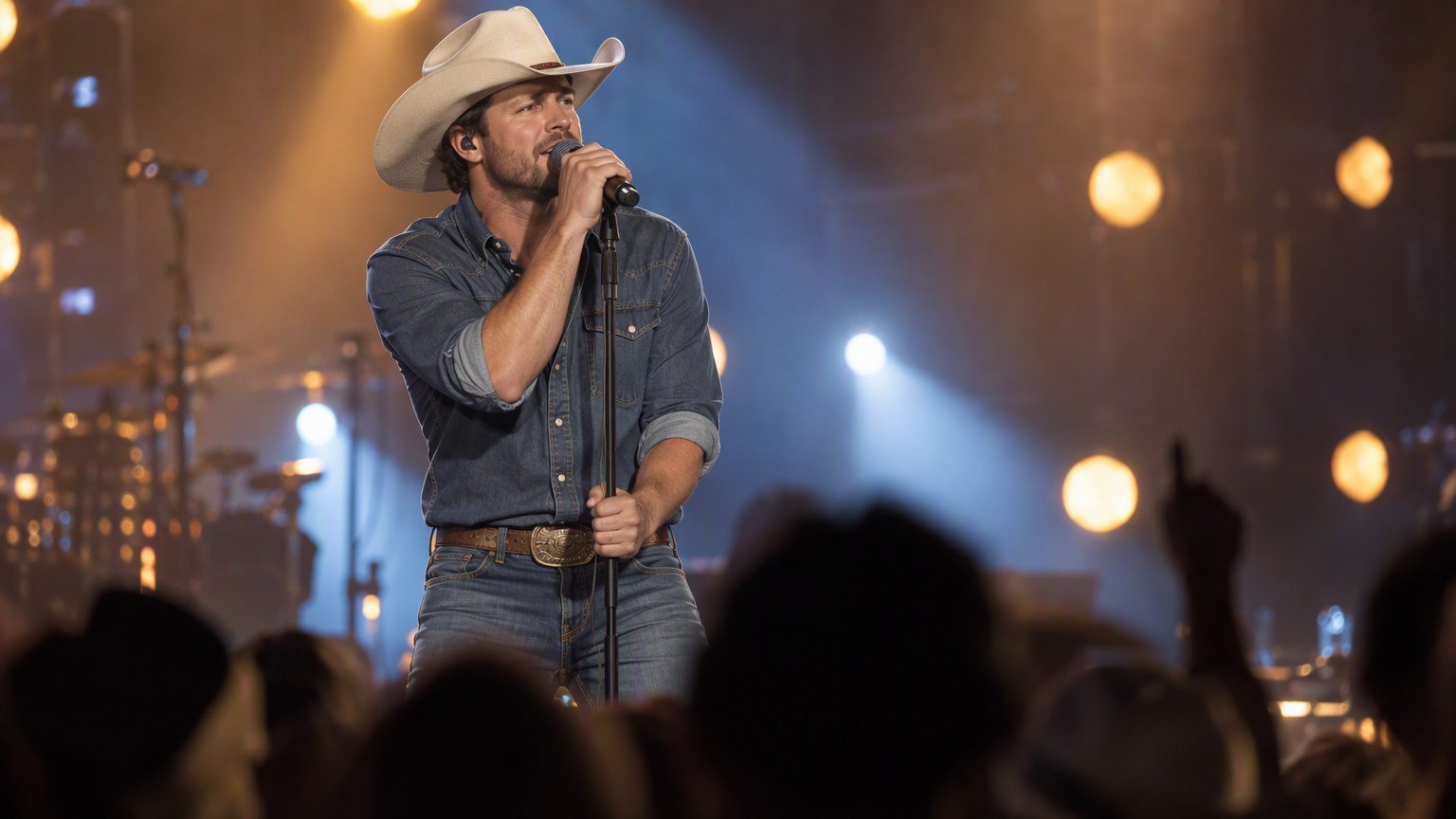
They’re kind of screwed either way, and I’m not gonna lie – I don’t hate that Bryan put them in this position.
Why This Matters More Than You Think
Here’s the thing that’s bugging me about all of this. We’re watching venue owners – billionaires who own sports teams and entertainment complexes – decide which political speech is acceptable and which isn’t. And they’re making these decisions based on their own political views and, let’s be real, their donor relationships and business interests. It echoes a similar fight over who counts as acceptable speech, like the debate over whether Trump can legally ban CNN from the White House.
Kraft is deeply connected to pro-Israel causes. That’s fine. That’s his right. But when you own a major public venue like Gillette Stadium, are you really just exercising property rights, or are you effectively controlling public discourse? Because there’s not that many 65,000-seat venues out there. When you get banned from one, it actually matters.
“Based on Macklemore’s recent actions, material shared from the stage during Ed Sheeran’s shows in New Jersey, and a broader history of antisemitic rhetoric and imagery that we believe has been deeply offensive” – Robert Kraft’s stated reasoning for the ban
What Bryan did on Friday was test that power. He walked right up to the line that got Macklemore banned and stepped over it. And he did it while Kraft and his team were presumably watching, because how could they not be after the Macklemore controversy?
The Country Music Angle Nobody’s Talking About
Can we talk about how wild it is that this is coming from a country artist? Country music isn’t exactly known for progressive political statements. It’s not exactly the genre where you expect to see “Free Palestine” shirts. And that’s part of what makes this so interesting.
Bryan’s built his career on being authentic, on being the guy who says what he thinks. His fans love that about him. But this is different than singing about heartbreak or small towns. This is wading into one of the most divisive geopolitical issues of our time, in a genre where a lot of his fanbase probably… doesn’t agree with him?
I mean, I don’t have polling data on Zach Bryan fans’ views on Israel and Palestine (if that exists, please send it to me because I’m curious as hell). But country music audiences tend to skew conservative, and conservative Americans tend to be more supportive of Israel. So this isn’t just brave in a “I’m defying the venue owner” way – it’s potentially brave in a “I might be alienating my own fans” way. Country stars pushing back on a political assumption isn't new either, as Wynonna Judd found out when she had to fire back at one herself.
Or maybe not. Maybe his fans don’t care. Maybe they respect him more for having convictions. I genuinely don’t know yet, and we probably won’t know until we see if his ticket sales take a hit. But it’s Saturday night’s show that’ll be the real test – does he wear the shirt again?
What Happens Next
So Bryan’s got another show at Gillette Stadium on Saturday. As I’m writing this, it hasn’t happened yet. Does he wear the shirt again? Does Kraft do something about it this time? Does the whole thing just… blow over?
My guess – and this is just a guess – is that nothing happens. Kraft probably doesn’t want to create a bigger story by kicking out Bryan after letting him do one show. That makes the Macklemore ban look even worse, like it was specifically targeted at him rather than being a consistent venue policy.
But here’s what’s actually interesting to me. If Bryan wears that shirt again on Saturday and nothing happens, then Macklemore has a pretty legitimate grievance, right? Like, “You banned me for saying something, and then let this other guy wear a shirt saying the exact same thing. What’s the difference?”
And the answer to that question might reveal more about how venue ownership and political speech actually work in practice than any of us want to admit. Because the difference might just be timing, or leverage, or who’s willing to push back and who isn’t. And that’s kind of a messy, uncomfortable reality that doesn’t fit neatly into anyone’s narrative about free speech or property rights or antisemitism or solidarity.
Look, I don’t know where you stand on Israel and Palestine. That’s not really what this story is about for me. What it’s about is power – who has it, how they use it, and what happens when someone decides to challenge it by doing the exact thing that got someone else punished. Bryan might face consequences after Saturday’s show. He might not. But either way, he’s forced everyone to pay attention to who gets to decide what can be said in America’s biggest venues. And that question isn’t going away anytime soon.