Mark Ruffalo does not do subtle. Never has. And on this one, he’s not even trying.
Mark Ruffalo does not do subtle. Never has. And on this one, he’s not even trying.
The actor let loose this week with a statement that pulled no punches on the merger everyone in Hollywood has been side-eyeing for months. “This merger will stifle creativity, weaken free speech, and cost people their jobs,” he said. Short. Blunt. Angry. Exactly what you’d expect from a guy who’s never once pretended to be neutral about anything. Those fears aren't abstract either, especially with AI tools built to replace creative workers already rolling out across the industry.
Okay, So Why Does Ruffalo Even Care?
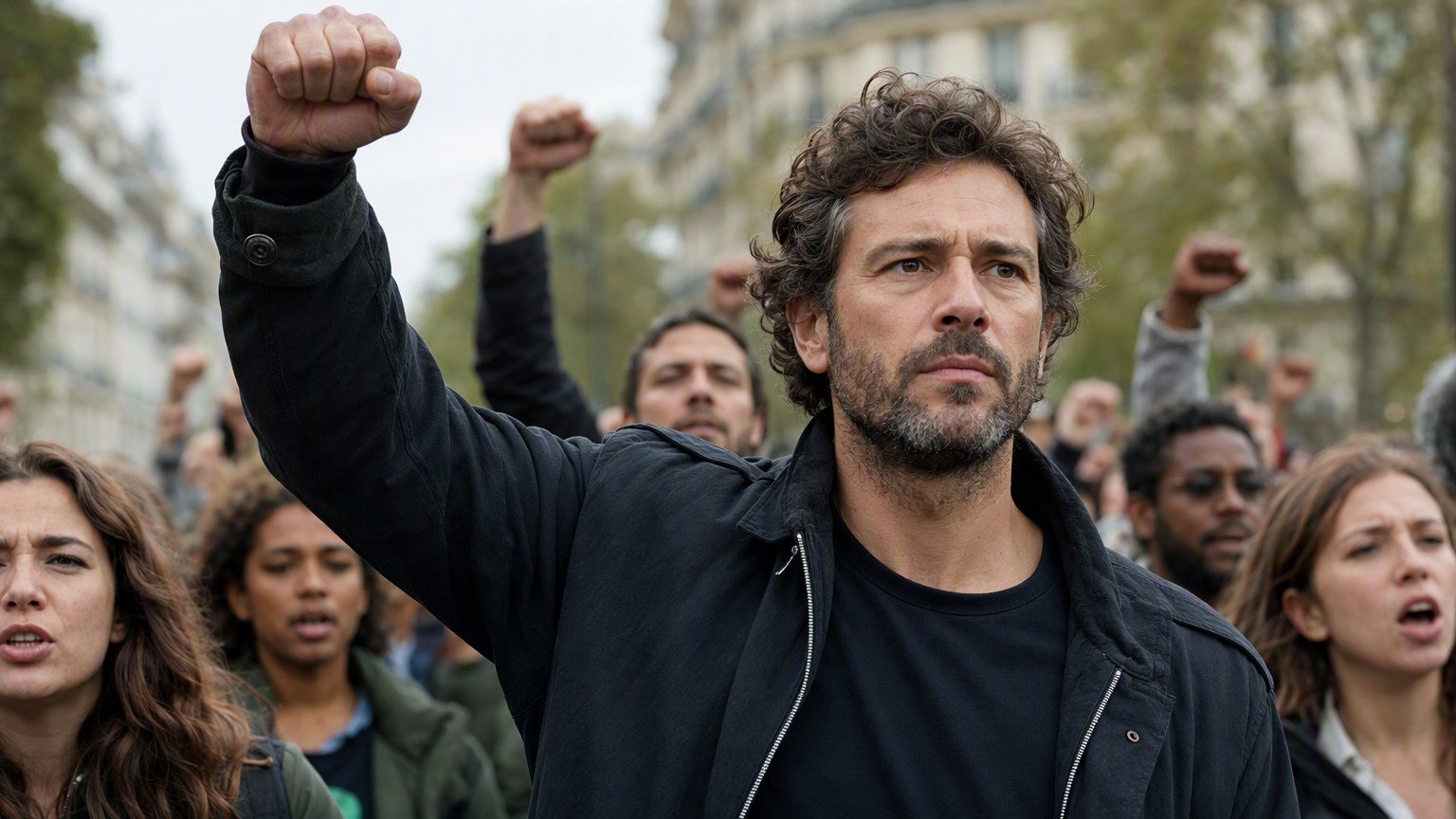
Here’s the thing people forget about Ruffalo – he’s not some celebrity who dabbles in activism between press junkets. The guy has been showing up to picket lines, fighting fracking companies, and getting arrested at protests since before it was cool. So when he throws his weight behind a fight like this, it’s not a one-off tweet and done. He sticks around. He shows up again. And again.
That’s what makes this statement land differently than if, say, some random studio exec issued a press release with the same words. Nobody believes the exec. People believe Ruffalo, or at least they believe he believes it, which honestly might matter more right now.
The Jobs Angle Isn’t Just Noise
Let’s be real for a second – “this will cost jobs” is the thing every union rep, every actor, every below-the-line crew member has been saying out loud for the last few years every single time two media giants start sniffing around each other. And they’re usually right. Mergers in this industry have a pretty ugly track record of “efficiency” meaning layoffs, meaning fewer shows getting greenlit, meaning fewer swings taken on weird, risky, interesting projects because now there’s a bigger balance sheet to answer to.
Creativity doesn’t exactly flourish under consolidation. It never has. The bigger the company, the more decisions get made by a committee worried about quarterly numbers instead of, you know, whether the thing is actually good.
But What About the Free Speech Part?
This is where it gets spicier, if I’m being honest. “Weaken free speech” is a loaded phrase, and Ruffalo didn’t just toss it in there for flavor. The entertainment industry has been nervously watching what happens when ownership of massive media operations gets concentrated into fewer and fewer hands – because fewer owners means fewer independent editorial voices, means more pressure to play nice with whoever’s in power, means journalists and creators quietly softening stories they’d have run hard a decade ago. It's the same dynamic playing out when media giants battling over control of a show decide legal threats are cheaper than compromise.
“This merger will stifle creativity, weaken free speech, and cost people their jobs.”
Say what you want about the guy’s politics, but that’s a tight, three-part thesis. Creativity, speech, jobs. He’s basically arguing the merger hits the entire ecosystem – the art, the truth, and the paycheck – all at once. That’s not a scattershot complaint. That’s someone who’s thought about this. It's not unlike watching a studio's plans getting shut down by the original creator, where control over the art becomes the whole fight.
The Part Everyone’s Kind of Dancing Around
Nobody really wants to say the obvious thing out loud, so I will: these mega-mergers almost never get stopped by public outrage. Regulators move slow, lawyers find loopholes, and by the time anyone with actual authority weighs in, the deal’s already basically done in everything but paperwork. Celebrity statements, protests, open letters – they make noise, sure, and sometimes that noise shifts public opinion enough to put pressure on regulators. But let’s not pretend Ruffalo tweeting (or whatever official channel this statement went through) is going to single-handedly derail a deal worth however many billions.
That said – and this is where I’ll push back on the cynics – noise still matters. Public pressure has slowed deals before. It’s shaped the terms even when it couldn’t kill them outright. So this isn’t nothing. It’s just not everything either.
What This Actually Means
Here’s my honest read: Ruffalo’s statement isn’t really aimed at the boardroom. It’s aimed at everybody else – the fans, the crew members scrolling their phones wondering if they’ll have a job next year, the other actors deciding whether to add their names to the pile. This is coalition-building, plain and simple. One famous voice saying the quiet part loud so the next twenty people feel safe saying it too.
Will it stop the merger? Probably not by itself. Mergers this size rarely get stopped by outrage alone, no matter how loud or well-placed. But it does something else – it makes the cost of the deal visible. Every exec pushing this thing through now has to do it with Mark Ruffalo’s name sitting right next to the headline, reminding everyone exactly what’s at stake if it goes through quietly.
That’s not nothing. In an industry that runs on reputation and public goodwill, that’s actually kind of a lot.