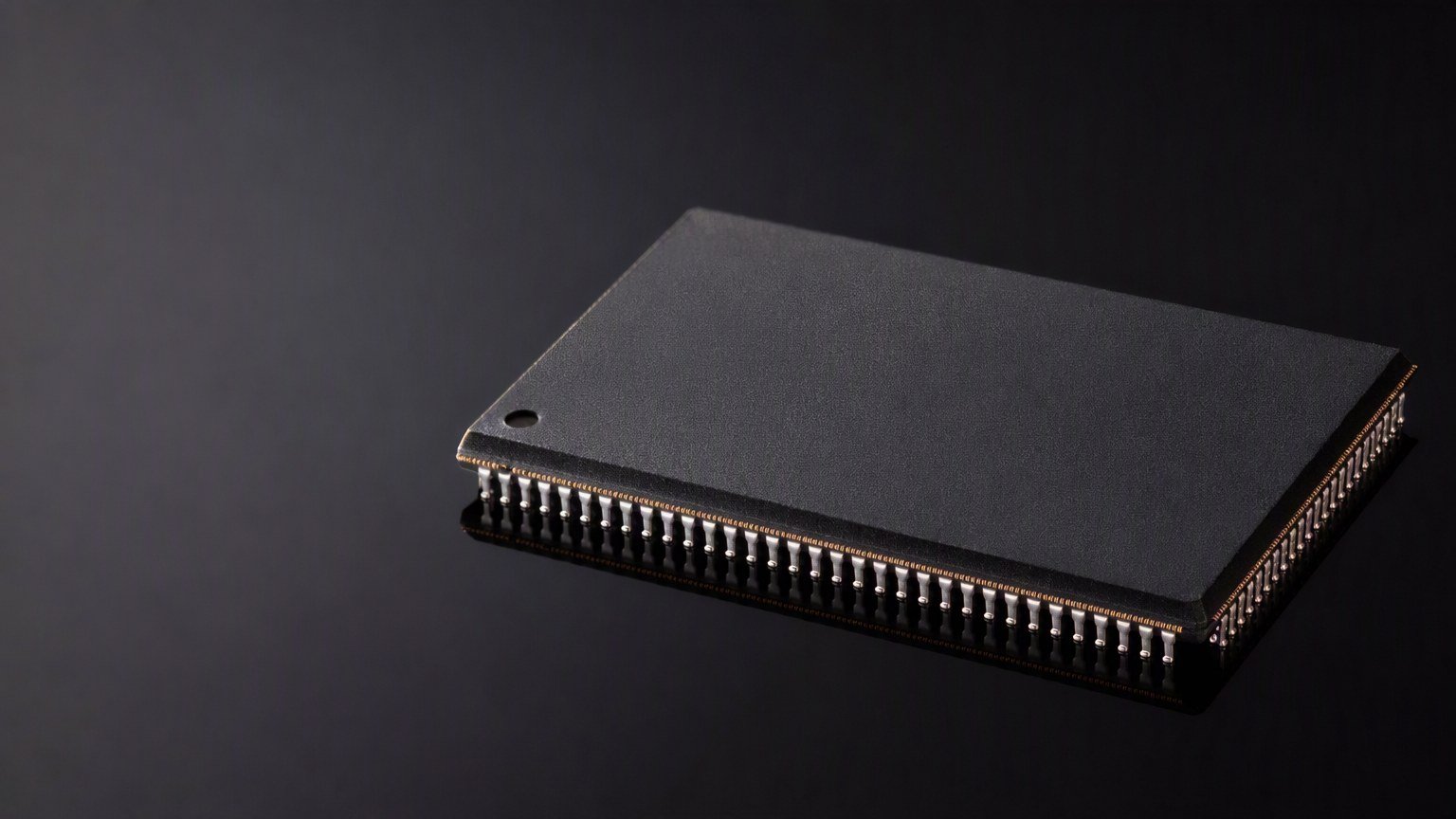
Micron shipped less memory to regular consumers last quarter than the quarter before. And somehow, that’s the business making it the most money. Not a typo. Not a glitch in the matrix. The company’s Mobile and Client unit – the one selling you the RAM and storage that goes into your laptop or…
Micron shipped less memory to regular consumers last quarter than the quarter before. And somehow, that’s the business making it the most money. Not a typo. Not a glitch in the matrix. The company’s Mobile and Client unit – the one selling you the RAM and storage that goes into your laptop or phone – posted an 88% operating margin while actually moving less product. If that sounds backwards, well, buckle up, because the whole memory market right now is kind of backwards.
The Numbers, Because They’re Wild
Micron dropped its fiscal Q4 2026 results on Wednesday and the headline number is $54.23 billion in quarterly revenue. Up nearly five times from the same quarter last year. Five times! I had to read that twice. Companies don’t usually just casually quintuple their revenue in twelve months unless something structural changed in the market, and something clearly did.
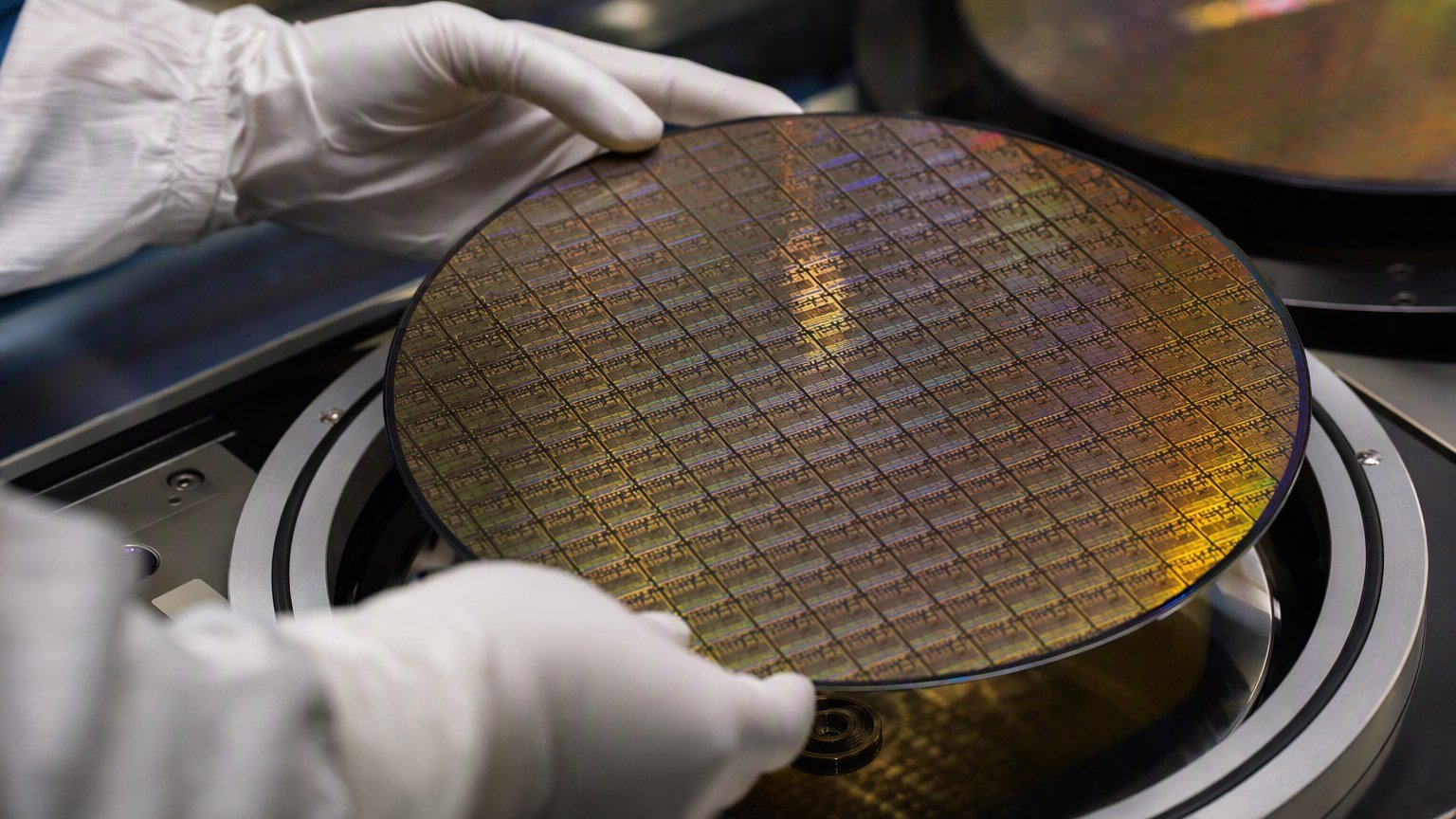
The gross margin hit a record 87%, and Micron says the Mobile and Client business was the biggest driver of that. Which, okay, fine, consumer electronics margins can be good. But here’s the part that actually stopped me mid-scroll: that same client unit was the only business segment at Micron that shipped less memory this quarter. Less volume, more profit. That’s not how this is supposed to work, at least not in the textbook version of supply and demand I learned about. Usually you sell more to make more. Micron figured out you can just… not do that, and still win.
From 29% to 88% in One Year
A year ago, in fiscal Q4 2025, Micron’s Mobile and Client unit was running a 29% operating margin. Respectable, nothing crazy. Now it’s at 88%. That’s not growth, that’s a different business model entirely. Something happened in the pricing environment that let Micron basically triple its margin without shipping more product – actually while shipping less of it.
And it’s not just the client business, either. Core Data Center margins jumped from 25% to 85%. Automotive and Embedded went from 20% to 79%. Cloud Memory climbed from 48% to 76%, which is actually the smallest jump of the bunch, interestingly enough. Every single unit at Micron saw margins explode. But the client business is the one that did it while selling less memory, and that’s the detail that makes this whole quarter feel less like “great quarter, team” and more like a company that figured out scarcity is a feature, not a bug.
So Why Is Everything More Expensive?
Look, I don’t think this is some big conspiracy where Micron executives sat in a room and twirled their mustaches plotting to screw over PC builders. But I also don’t think you get an 88% margin on consumer memory by accident. Memory prices – DRAM, NAND, all of it – have been climbing hard, and a huge chunk of that is because AI data centers are hoovering up every chip, every wafer, every bit of manufacturing capacity they can get their hands on. HBM for AI accelerators doesn’t come from nowhere. It comes from the same fabs that would otherwise be cranking out regular consumer DRAM.
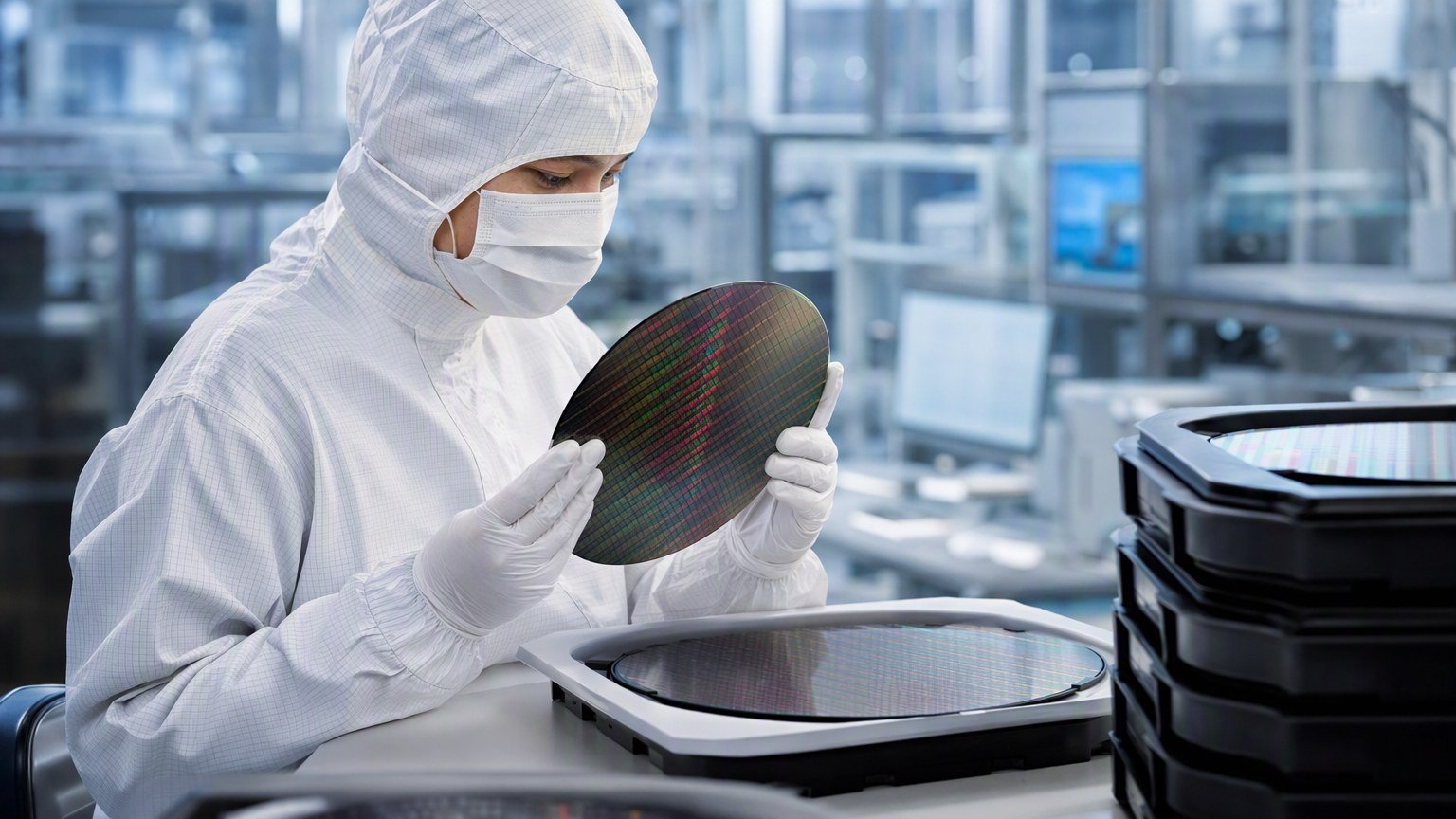
So when capacity gets squeezed on one side, prices rise on the other, even for the stuff that didn’t get any harder to make. That’s basically econ 101, but it still stings when you’re the one paying $200 more for a RAM upgrade that would’ve cost half that two years ago.
Less memory, more money – that’s not a slogan Micron put in a press release, but it might as well be.
Who Actually Wins Here?
Shareholders, obviously. Anyone holding Micron stock right now is thrilled, and I don’t blame them, an 87% company-wide gross margin is the kind of number that makes Wall Street analysts write breathless notes with exclamation points in them. But if you’re a regular person trying to build a PC, upgrade a laptop, or just buy a new phone, this quarter’s results are basically a receipt for why your wallet’s been hurting.
I’ve watched memory pricing cycles come and go for years now – this industry runs in boom-bust waves pretty reliably, prices crash, fabs cut production, prices spike again, repeat. But I’m not sure I’ve seen a cycle quite like this one, where the demand side pulling prices up isn’t really consumers at all. It’s AI infrastructure. Regular buyers are basically along for the ride, getting squeezed by a market that isn’t really about them anymore. It's a similar story playing out in Washington, where regulators are now digging into the $96B AI tax gap big tech doesn't want you to see.
What This Actually Means
Here’s my honest read: Micron isn’t doing anything illegal or even particularly sneaky. Companies chase margin, that’s the whole game, and if the market lets you charge more for the same chip, you charge more for the same chip. Nobody’s shocked a public company optimized for profit.
But it’s worth sitting with the fact that the memory you need for everyday computing is getting more expensive specifically because the industry would rather feed the AI boom than keep consumer prices stable. That’s not a conspiracy, it’s just incentives working exactly as designed. Whether that’s sustainable, or whether consumer memory just quietly becomes a smaller and smaller priority for manufacturers chasing data center margins, is the question I’d be watching heading into next year. Because if 88% margins on less product is the new normal, I don’t think prices are coming back down anytime soon. It's the same logic behind Meta's AI Muse, the ad tool that squeezes more profit out of less original work.