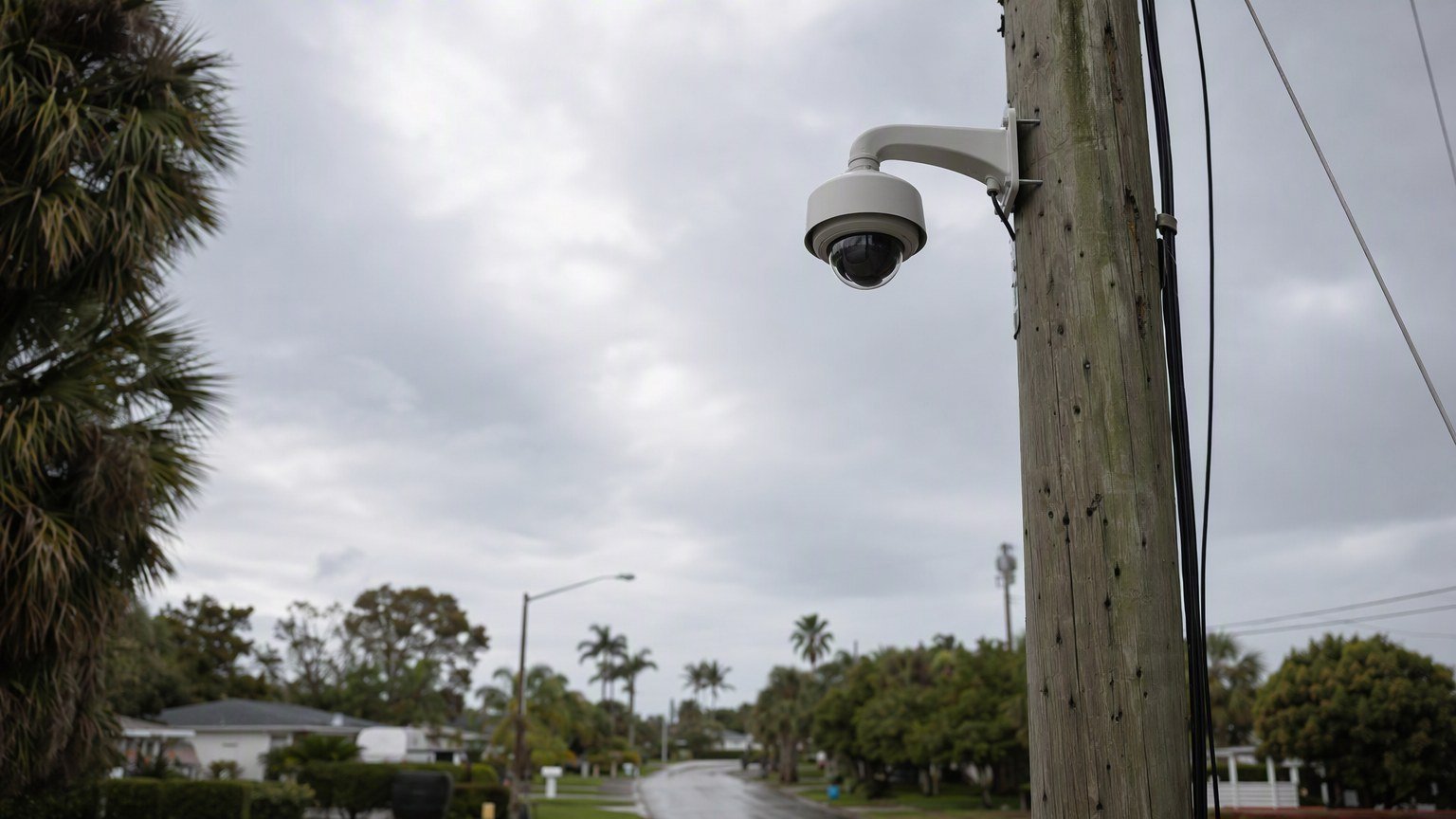
Fourteen extra surveillance cameras. Three claimed. Eleven just… hanging out on utility poles in St. Lucie County, Florida, watching cars go by, and nobody – not the sheriff’s office, not either of the county’s other two police departments – will say who put them there or why. If that doesn’t…
Fourteen extra surveillance cameras. Three claimed. Eleven just… hanging out on utility poles in St. Lucie County, Florida, watching cars go by, and nobody – not the sheriff’s office, not either of the county’s other two police departments – will say who put them there or why. If that doesn’t make the hair on your neck stand up a little, I don’t know what will.
Okay, So What Actually Happened
St. Lucie County had a contract with Flock Safety, the company behind those automatic license plate readers you’ve probably driven past a hundred times without noticing. The county’s deal authorized 52 cameras. Fifty-two. A specific, agreed-upon, paid-for number.
Then the county decided to cancel the contract – which, fine, that’s been happening a lot lately as communities across the country get spooked about privacy and how these systems get used (or misused) by police. But when crews actually went out to pull the cameras down, they counted 66. Not 52. Sixty-six.
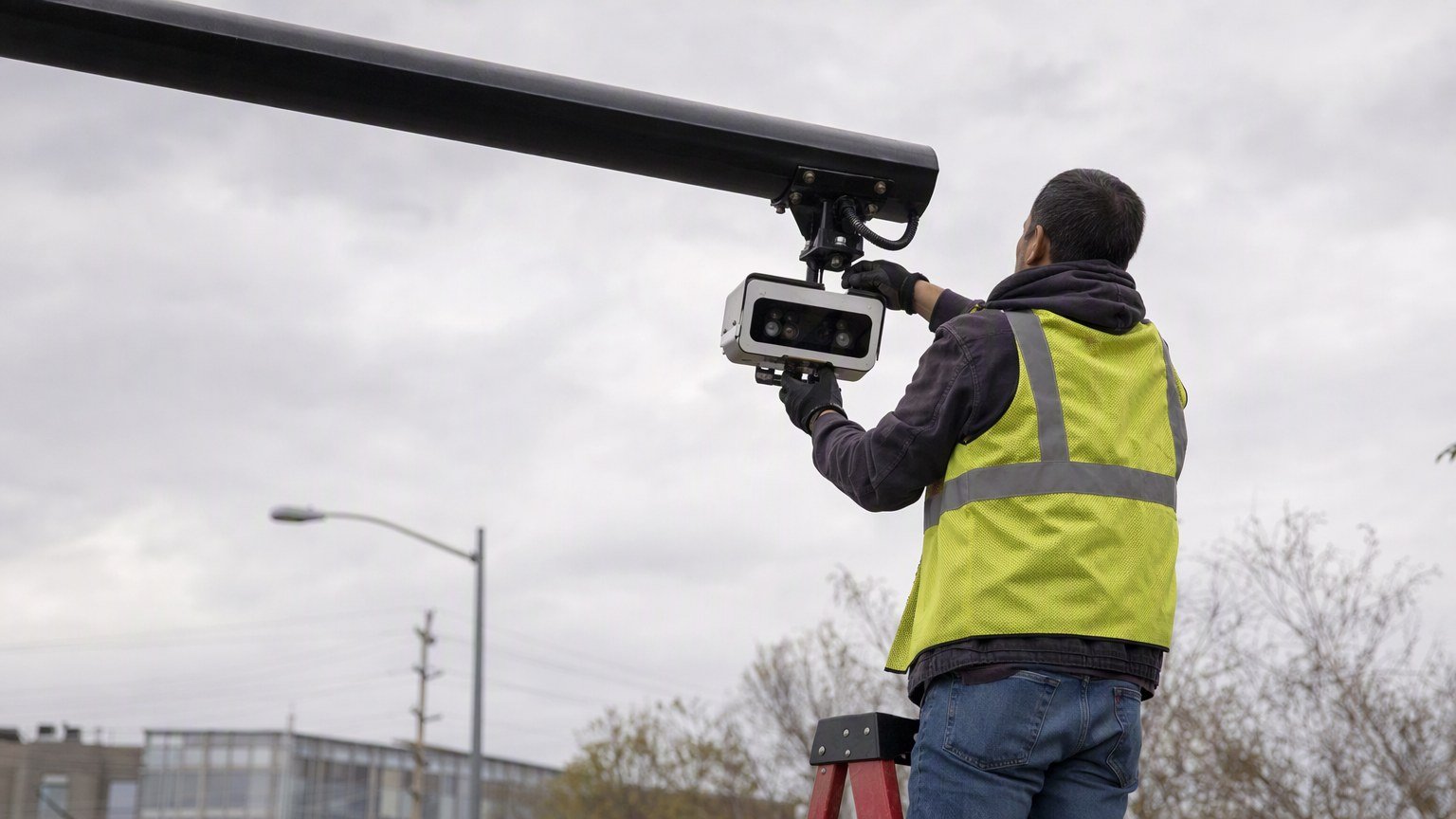
Do the math and that’s 14 cameras that straight up should not have existed. The St. Lucie County Sheriff’s Office eventually copped to three of them being theirs, which, okay, at least that’s something. But here’s the part that really gets me: they didn’t explain how those three got installed without a permit in the first place, or why. Just… “yeah, those are ours.” No context. No accountability moment. Just an admission dropped like a hot potato. A deeper look at how 14 cameras appeared and 11 still have no owner lays out the full timeline county officials have declined to explain.
And Then There’s the Other Eleven
Eleven cameras remain completely unclaimed. Not by the sheriff’s office. Not by either of the county’s other two police departments. Nobody’s raising their hand. And look, I’ve covered enough local government stuff over the years to know that “nobody knows” is rarely actually true – somebody always knows something, they just don’t want to be the one holding the bag when the questions start.
So who installed license plate readers on public infrastructure, left them running, collecting data on every car that passed, and then just… didn’t tell anyone? That’s not a clerical error. That’s not someone forgetting to file paperwork. Setting up an ALPR takes effort – you need poles, power, networking, the whole deal. This isn’t a thing that happens by accident.
Why Flock Keeps Ending Up in These Messes
If you’re not familiar, Flock’s cameras (and competitors like Axon) use AI to scan license plates in real time and automatically sort them into databases – flagging stolen vehicles, running comparisons against watch lists, building a searchable record of basically everywhere your car has been. It’s genuinely useful tech for solving specific crimes. I’m not going to pretend it isn’t. But it’s also a surveillance network, full stop, and the “it’s just for catching bad guys” pitch has worn pretty thin after a few years of reporting on how these systems actually get used in practice.
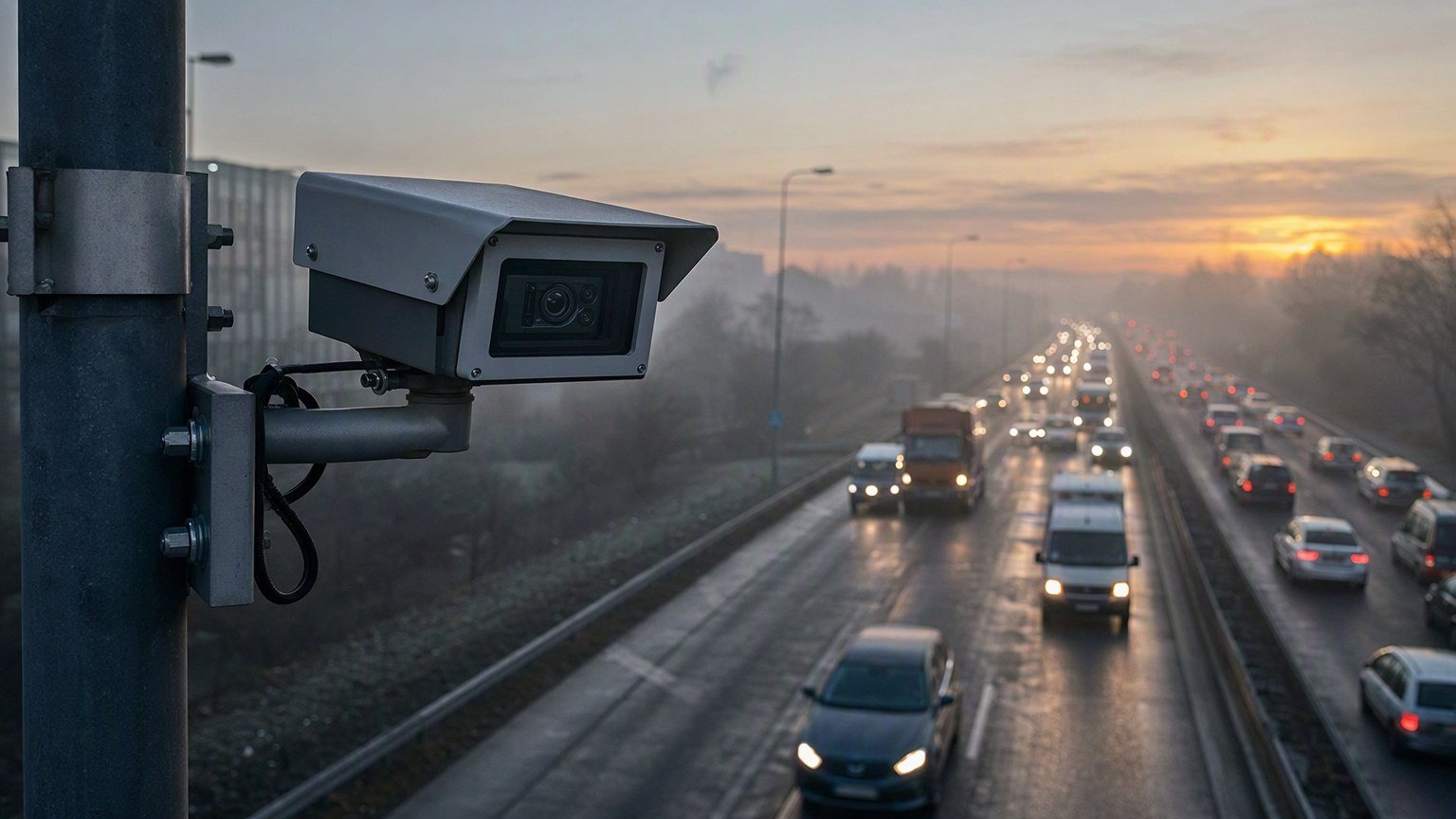
“Who’s actually responsible for what’s watching me on the way to work?” – that’s the question nobody in St. Lucie County seems able to answer right now.
Communities all over the country have been pulling the plug on Flock contracts, and it’s not because the cameras don’t work. They work great, honestly, that’s kind of the problem. The pushback is about scope creep – cameras getting used for things way outside the original “find stolen cars” justification, data being shared with agencies that have nothing to do with local policing, and a general sense that once this stuff goes up, it almost never comes back down, even when a county officially cancels the contract.
This Isn’t Just a Florida Problem
Here’s the thing that bugs me most: St. Lucie County isn’t some outlier horror story. It’s a preview. When you’ve got a surveillance system that’s this easy to install without anyone double-checking the permit paperwork, and this hard to audit once it’s running, you’re basically guaranteeing more stories like this one. Not fewer. More.
Think about what it actually means that a county government – with its own sheriff’s office, its own procurement process, its own contract specifying an exact camera count – still ended up with 27% more surveillance infrastructure than it signed off on. If this can happen with a formal, documented, 52-camera agreement, what’s happening in places with looser oversight? I genuinely don’t want to know, and also I kind of really do.
And don’t let the “well, three were the sheriff’s” detail soften this for you. That’s arguably worse. It means a law enforcement agency installed surveillance tech without going through the permit process, got caught because the county was literally in the process of ripping the whole network out, and still hasn’t explained itself. That’s not a rogue contractor or some mystery vendor. That’s the people who are supposed to be accountable, being the exact opposite of accountable.
What This Actually Means
Look, I don’t think every Flock camera out there is some sinister plot. A lot of these systems genuinely help solve crimes, and I get why police departments like them. But “we found 14 cameras we didn’t know about and 11 of them are just unexplained” isn’t a privacy policy footnote – it’s a governance failure. Somebody built surveillance infrastructure in St. Lucie County off the books, and as of right now, there’s no accountability in sight for it.
Maybe someone eventually fesses up. Maybe this gets quietly resolved in a county meeting nobody attends. Or maybe those 11 cameras just keep sitting there, watching traffic, feeding data somewhere, run by whoever decided they didn’t need to ask permission in the first place. That’s the part that should bother you more than the technology ever could.