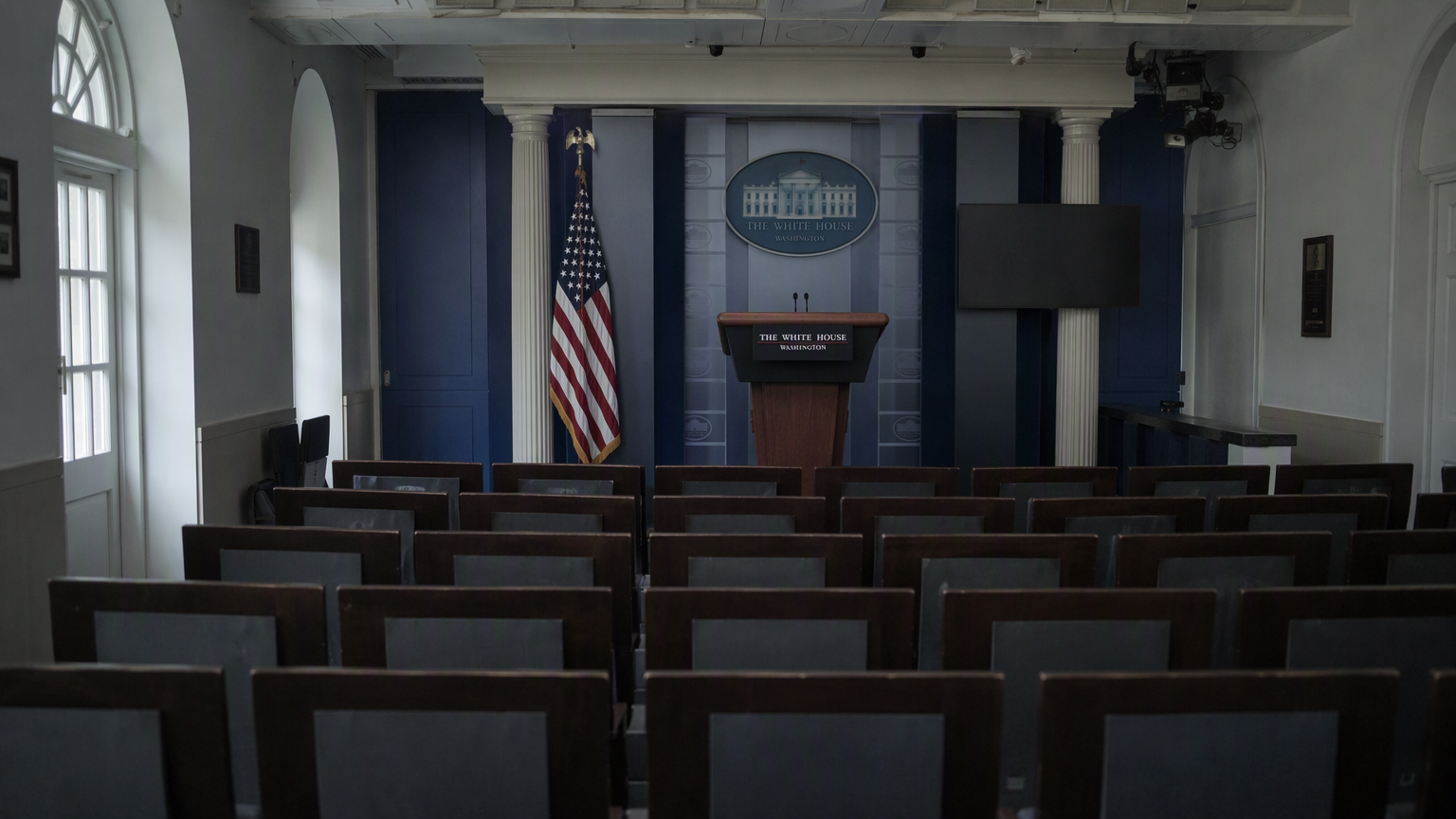
A federal judge just told the White House it can’t pick and choose which reporters get to do their jobs. CNN, MSNBC (or “MS NOW,” which, yeah, still sounds weird to type out) and Politico are back in the briefing room after a ban that honestly never should’ve held up in the first place.
So What Actually Happened Here
Back in September, the Trump administration decided it was done dealing with these three outlets. Booted from White House press access, no explanation that held any water, just… gone. And look, we’ve seen administrations get testy with the press before. That’s basically a rite of passage in Washington. But this was different. This wasn’t “we’re annoyed with your coverage.” This was an actual attempt to lock specific newsrooms out of covering the presidency.
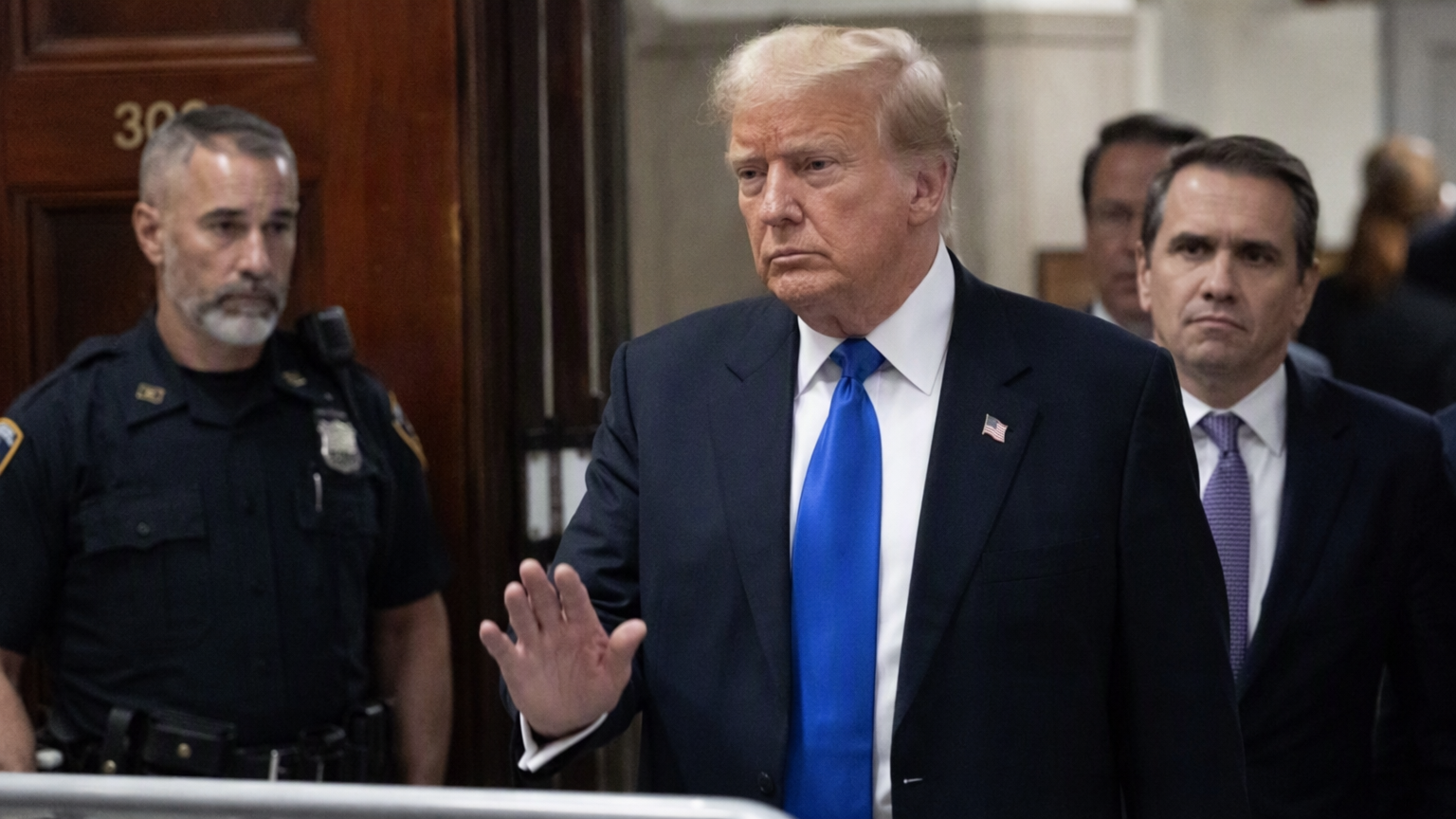
The judge wasn’t having it. In the ruling handed down this week, the court basically said you can’t retaliate against journalists for coverage you don’t like and call it policy. That’s not how the First Amendment works. I mean, that’s kind of the whole point of the First Amendment, right? The government doesn’t get to decide who’s “good press” and who’s “bad press” and then lock the bad ones out of the building.
The Legal Reasoning, Stripped Down
Without getting too deep into the legal weeds (nobody wants a civics lecture), the core argument was pretty simple. Once the White House opens its doors to press coverage generally, it can’t start slamming them shut on specific outlets just because it didn’t like a headline or a chyron. There’s precedent for this too. Remember the whole Jim Acosta situation back in 2018? Same basic fight, different administration term, same result. Courts keep landing in the same place: access can’t be a punishment tool.
Why Did This Even Happen In the First Place?
Here’s the thing though – nobody’s really disputing why these three got targeted. CNN and MSNBC have been consistent thorns in the administration’s side for years now, and Politico’s been doing the kind of granular scoop-heavy reporting that clearly rattled some cages inside the building. So this wasn’t random. It was, from what I can tell, a pretty deliberate move to punish coverage the White House found unflattering.
Not gonna lie, I find that part almost more interesting than the ban itself. Because it tells you the goal was never really about “access rules” or “space constraints” or whatever bureaucratic language got tossed around. It was about control. Who gets to shape the narrative, who gets punished for not playing along. And that’s a dangerous game for any White House to play, regardless of party.
“You cannot use press credentials as a weapon against outlets whose coverage you find inconvenient” – which, paraphrased or not, is basically the entire spirit of the ruling.
What Everyone’s Missing In This Story
Most of the coverage on this is framing it as a win for CNN and MSNBC specifically, and sure, it is. But I think the bigger story here is what this does for press access as a whole going forward. This ruling sets a marker. It says future administrations – any administration, any party, doesn’t matter – can’t just start blacklisting news organizations because they didn’t like a segment or a headline.
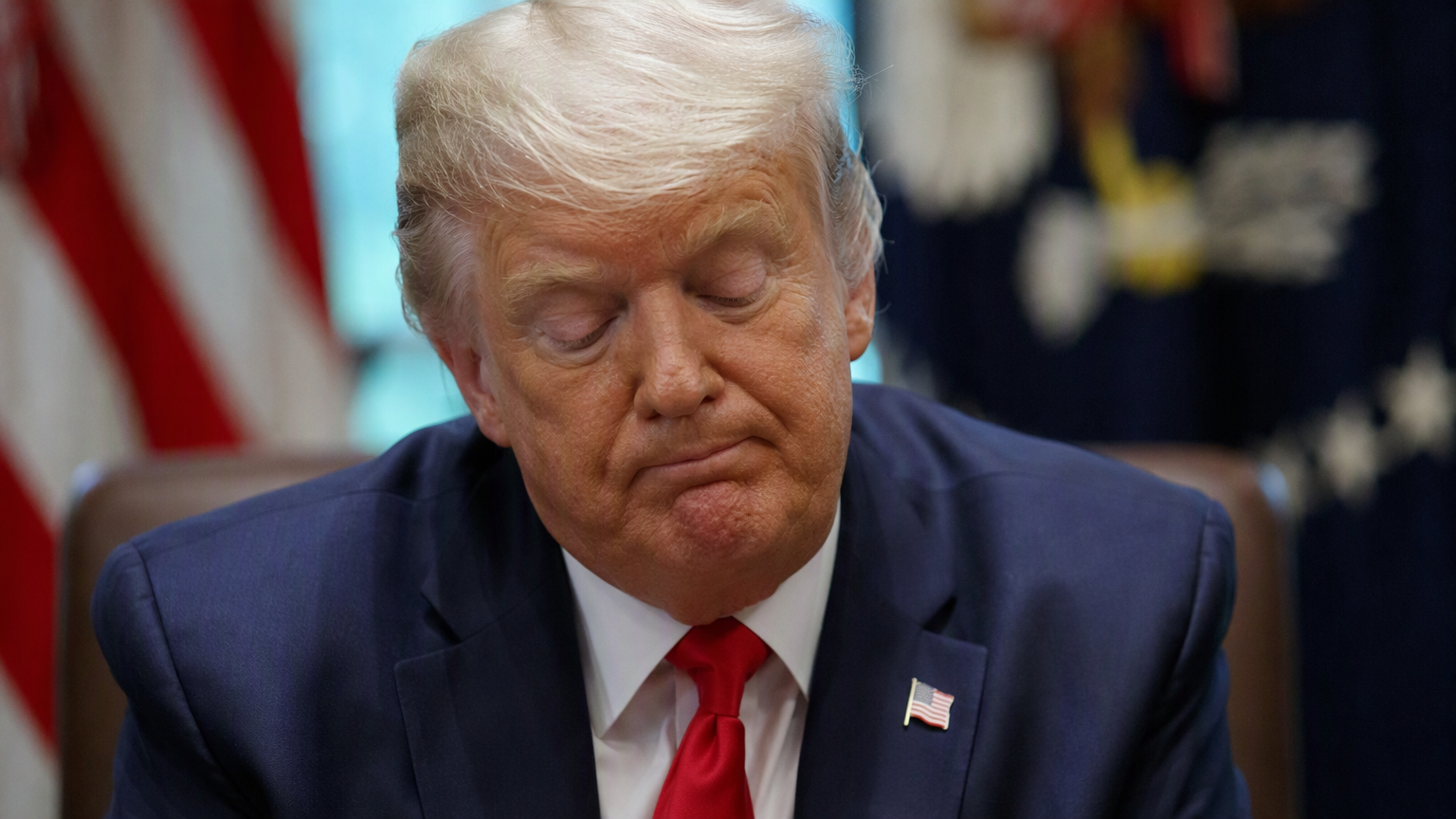
And that matters more than people are giving it credit for. Because here’s what happens if this kind of ban gets normalized: every four years, whoever’s in the Oval Office starts drawing up an enemies list of reporters and networks. Access becomes a loyalty test instead of a basic function of democracy. That’s not a slippery slope argument, either. We’re already halfway down that hill. This ruling, at least for now, put some guardrails back up.
The Politico Angle Nobody’s Talking About
Everyone’s fixated on CNN and MSNBC because, well, cable news drama is always going to get the clicks. But Politico being included in this ban is actually the more telling detail if you ask me. Politico isn’t exactly known for opinion-heavy, prime-time-style coverage. It’s mostly straight reporting, insider access journalism, the wonky stuff that policy people actually read. If even that kind of outlet got caught up in the ban, it really undercuts any argument that this was about “tone” or “bias.” Feels a lot more like it was about anyone getting too close to the real story.
What This Actually Means
Look, I’ll be honest, I don’t think this is the last fight we’ll see over this. The administration could appeal. They could find some new technical justification for limiting access again down the road, maybe dressed up differently this time. That’s kind of how these things go. You lose one battle, you regroup, you come back with a slightly different angle.
But for right now, this ruling matters. It’s a reminder that press access isn’t a favor the government hands out to outlets it likes. It’s baked into how this whole system is supposed to work. Reporters ask uncomfortable questions. Administrations get annoyed. That’s the job, on both sides. What isn’t the job is a president deciding which newsrooms get to exist in that room based on how they feel about last week’s coverage.
So yeah, CNN, MSNBC and Politico are back in. But the real question is whether this actually changes anything long term, or if it’s just round one of a fight that’s going to keep resurfacing every time a White House gets thin-skinned about its press coverage. My guess? We haven’t heard the last of this.